Education of Women

Gender Reforms Within the
​​​​​​​Taiping Rebellion

Women and education

The Taiping kingdom promoted women's education and allowed women to take the civil service exams. This gave women access to jobs and oppertunities that had previously denied to them.

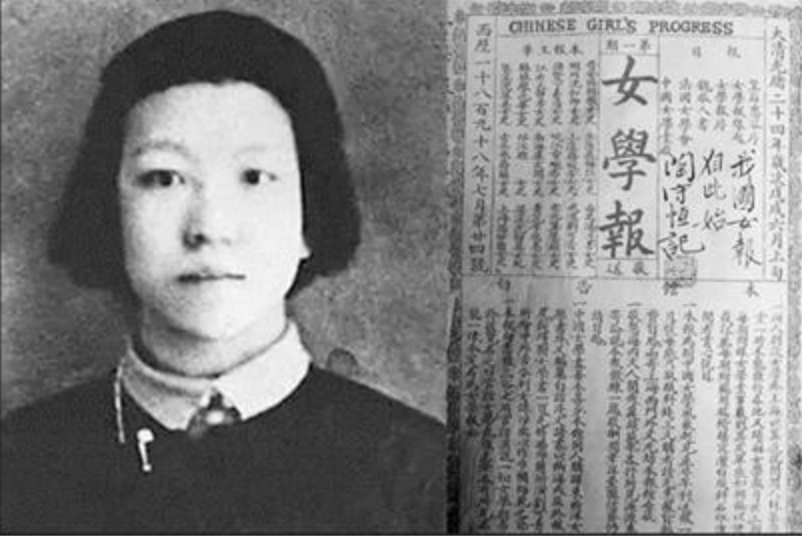
Author unknown, Image of Chinese scholar and feminist Qiu Yufang, 1894


Traditional China

Women were restricted to the household, and told that being educated was unfemine. Because of this, most women were illiterate, and could not keep any records or write books.

"Womens formal education was completly neglected in traditional China." It was considered unfeminine to have an education.                                                Yuh-Chen, The Position of Women in Taip'ing Tien-kuo, 1971 ​​​​​​​

"Ancient China experienced a long period of patriarchal society, emphasizing 'Ignorance is a woman's virtue', when women basically did not recieve education, thus most are illiterate."                                                                      Yujing Lu and Wei Du, Women's Education in China: Past and Present, SHS Web of Confrences, 2023
"Only a limited number of Chinese women were recieving education. In 1949, 90% of Chinese women were illiterate."                                                            Yujing Lu and Wei Du, Women's Education in China: Past and Present, SHS Web of Confrences, 2023

Heavenly Kingdom reforms

Not only was women's education promoted, but women could also take the civil service exam and have high roles as officials in the government.                             

"The Taiping education...emphasized women's education as well as men's...women were not allowed to take civil service examinations in any other dynasties."                                                                                                            Yuh-Chen, The Position of Women in Taip'ing Tien-kuo, 1971 

Hong required women to read because he wanted:

"Women must read he Bible and Hong's poems in conjuction and in sequence."                                                                                                Jonathan D. Spence, God's Chinese Son: The Taiping Heaveny Kingdom of Hong Xuiqan, W.W Norton & Company, 1996

Fu Shian-hsiang, who had gotten the highest examination score "became a honorary women minister" and worked in the high palace as an important female official.                                                                                                      Yuh-Chen, The Position of Women in Taip'ing Tien-kuo, 1971 


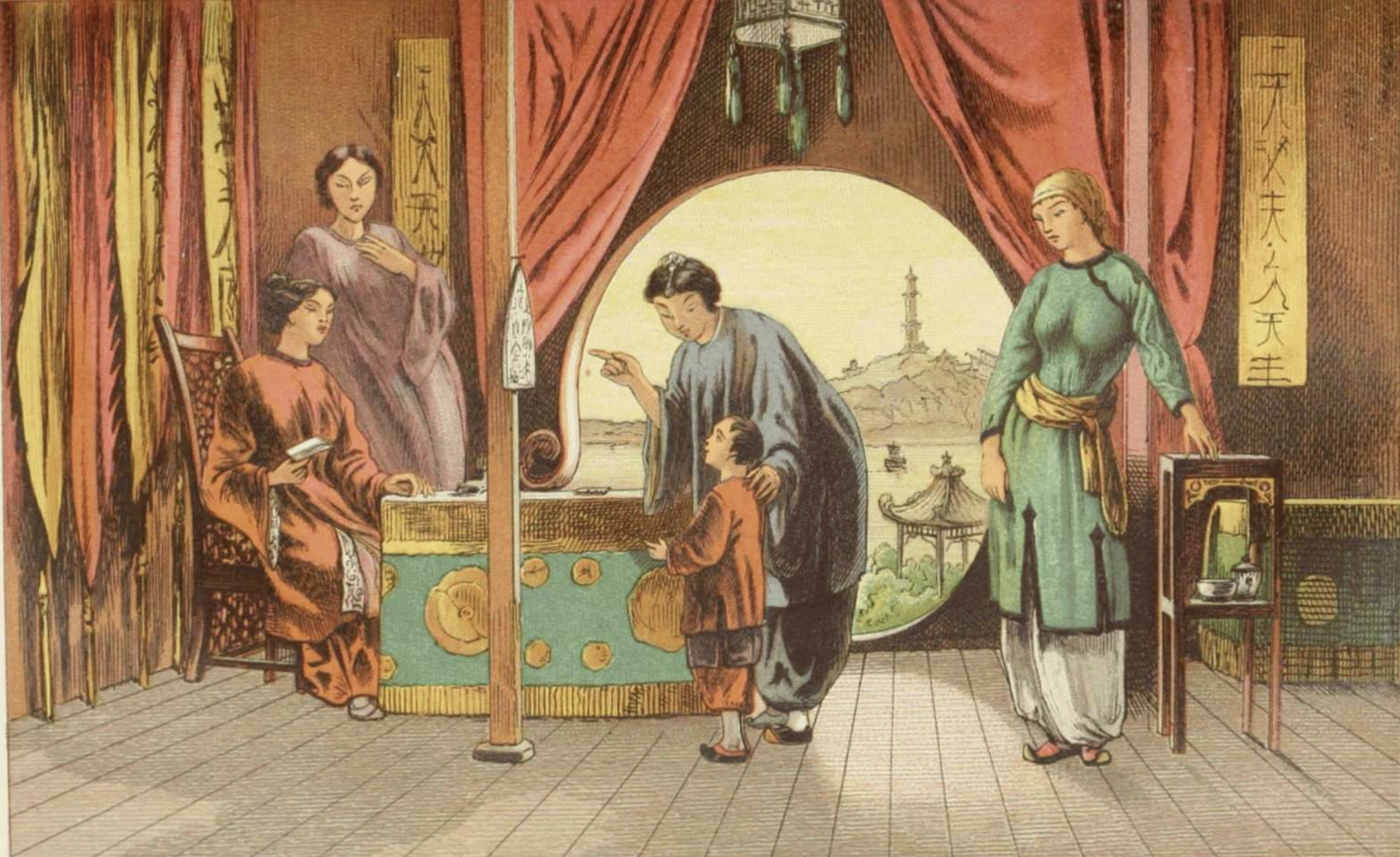
Augustus Lindley, personal drawing of Chinese women teaching the Bible, 1866 

Women had to be literate, or they would not be able to teach or read the Bible.

"Many of the women are zealous and popular teachers and expounders of the Bible; in fact, everything is done to make her worthy of the improved position."
Augustus Lindley, Ti-Ping Tien-Kwoh: The History of the Ti-Ping Revolution, Including a Narrative of the Author's Personal Adventures, 1866