According to Charles L. Kammer, Muslims in Eritrea were disproportionately targeted by Ethiopian policies that restricted Islamic courts, limited Arabic education, excluded Muslims from political power, and subjected Muslim communities to harsh military control ("Eritrea Begins It's War for Independence").
Eritrea's Fight for Independence
Revolution, Reactions, and Reforms
National History Day 2026
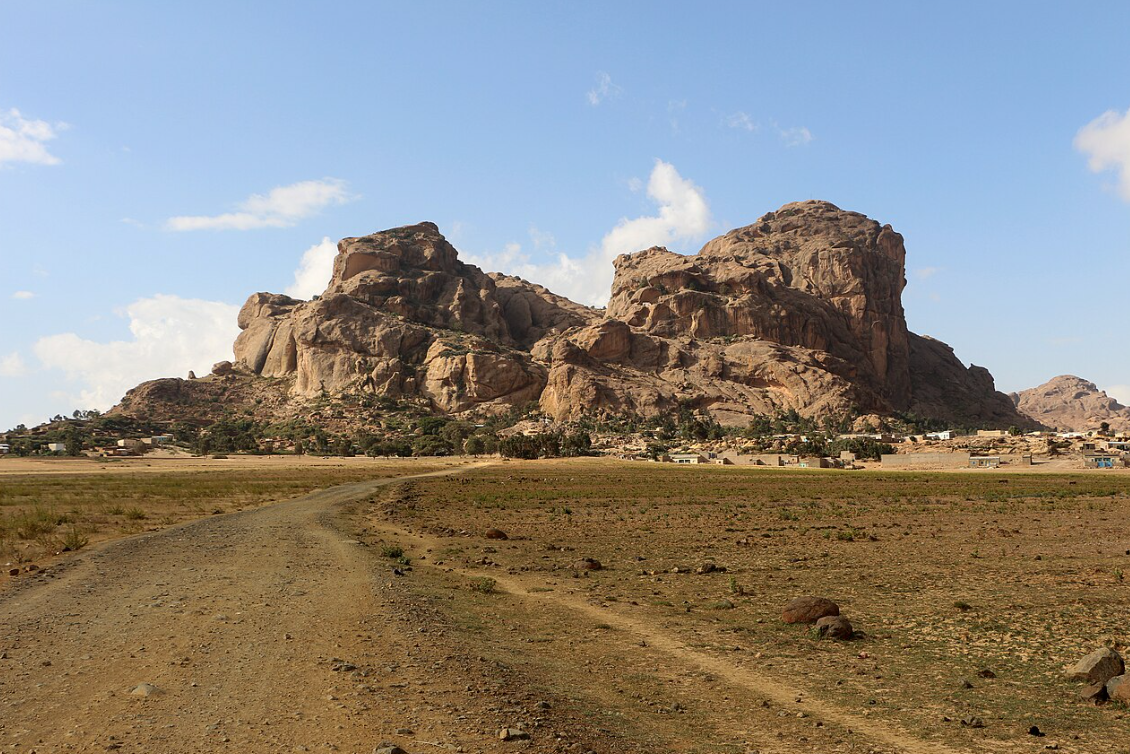
Start of Armed Resistance
("Massicci Nei Dintorni Di Senafe, 15")
After World War II, Eritrea was forcibly annexed by Ethiopia, and political rights were severely restricted. Peaceful protests and legal efforts failed to challenge Ethiopian control, leaving many Eritreans frustrated and excluded. This led to armed resistance emerging as a last resort in the 1950s.
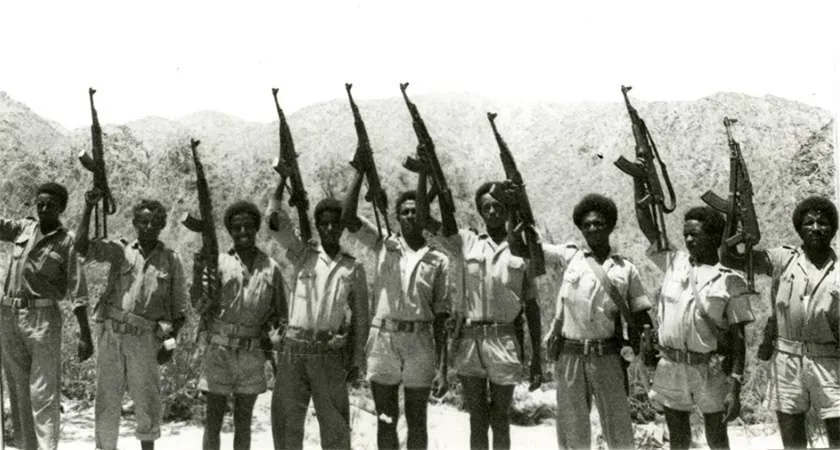
("Vanguard Special Issue")
Four Pressures on Muslim Communities
1
Suppression of Islamic Courts
Ethiopian authorities reduced the authority of Islamic courts, limiting Muslims’ ability to govern marriage, inheritance, and personal matters according to their traditions; Christian-based imperial law was imposed (Negash).
Why Important? This interfered with religious life and freedoms, creating a need to fight for their rights.
2
Political & Military Exclusion
Many Muslims were excluded from senior government roles, military leadership, and administrative positions, while Amharic-speaking Christian elites were favored (Negash).
Why Important? The political exclusion helped reinforce inequality and convinced people that remaining peaceful in Ethiopia wasn't possible.
3
Restrictions on Islamic Education
By limiting Arabic-language education that was allowed and promoting Amharic in everyday life, Ethiopian policies diminished the Arabic culture (Negash).
Why Important? This language suppression was also cultural suppression and weakened arabs identity.
4
Land Seizures & Displacement
Land reforms and military seizures affected lowland regions where many Muslim pastoral and farming communities lived, especially villages that supporting resistance movements (Negash).
Why Important? The loss of land also was loss of their security.
In 1960, Eritrean Muslim leaders in exile, led by Idris Mohammed Adem, formed the Eritrean Liberation Front (ELF) to organize opposition to Ethiopian control ("Eritrea Begins It's War for Independence").
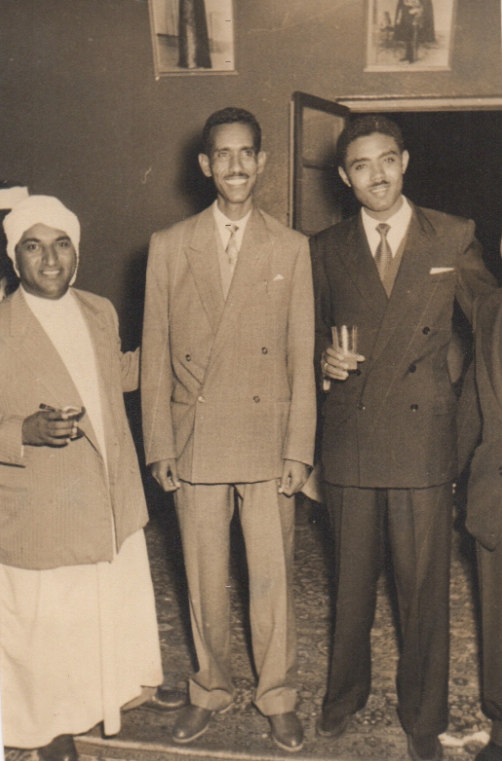
("Idris Mohamed Adem")
The early efforts at peaceful protest and legal opposition started to fail. The Eritrean revolutionaries continued, and described the armed struggle as the necessary response to their rights being taken away.
“We explained to them the terrible situation concerning children in Eritrea and asked if they could help us to build a school in the liberated areas. They refused, saying that Eritrea wasn’t recognised by the UN" - Habte Tesfamariam ("Veteran Eritrean Freedom Fighters Launch Underground Opposition").
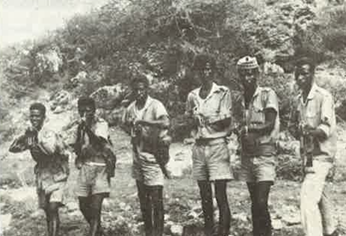
(“Eritreans for Liberation in North America”)
Eritrean Resistance Timeline (1950–1961)
1950
UN federates Eritrea with Ethiopia
1952
Ethiopian control begins; political suppression starts
1958
Peaceful protests repeatedly fail
1960
Exiled leaders start organizing opposition
1961
First ever armed attack at Adal (marked the start of the war)
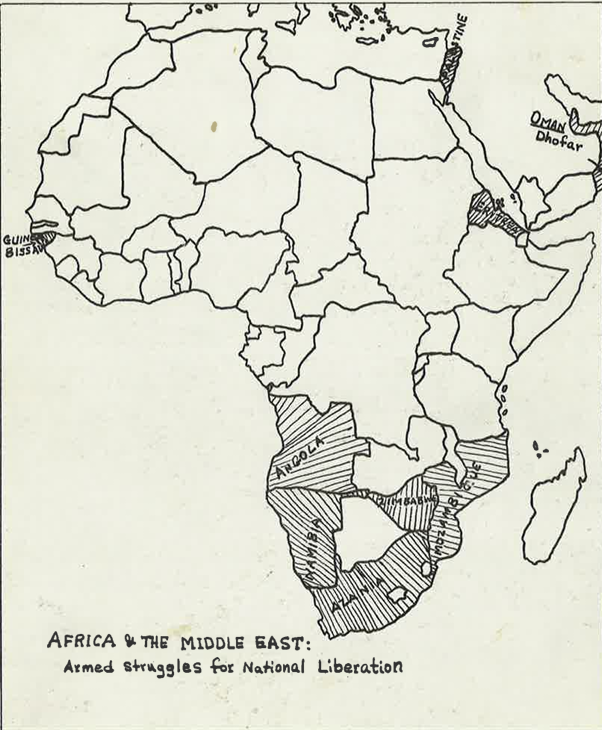
(“Eritreans for Liberation in North America”)
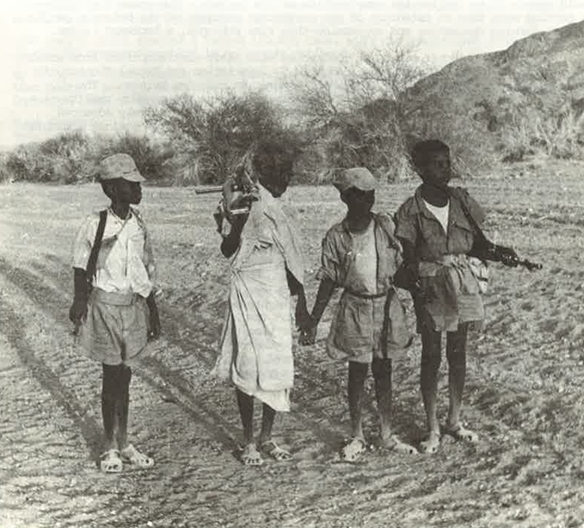
("Vanguard Special Edition")
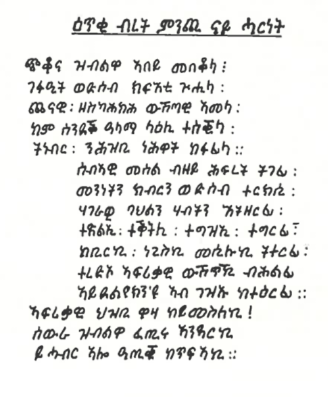
(“Eritreans for Liberation in North America”)
Armed Struggle: The Source of Freedom
Oppression, which they call "the foundation of their rule":
An aggressor, a person with a wicked heart;
Cruel: with a terrifying inner nature;
Like a flag, their purpose is raised high; You live to divide and despise the people.
Human rights are openly violated without shame; Identity and human dignity are trampled;
National culture and wealth are looted; They are written, recorded, dictated, and directed; To remain under their control, bowing your head.
Listen, Africa!
From within, we speak out: We do not want to be silenced in our own home.
African people, do not let them deceive you! A revolution has been ignited against them; It is coming together to destroy them completely.
- Translated from Tigrinya to English by student.
The shift to armed resistance required organization, leadership, and structure.
“Down with colonialism [and] imperialism.... The African people will win!”
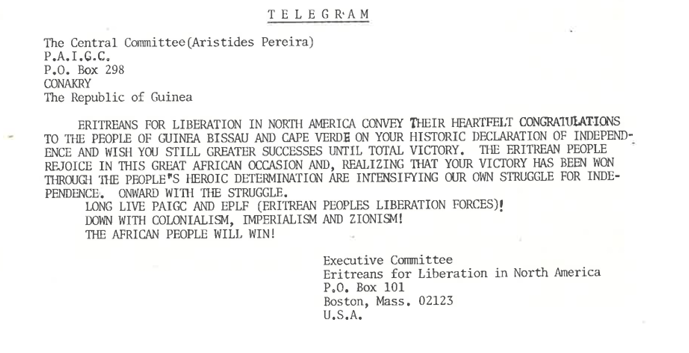
(“Eritreans for Liberation in North America”)