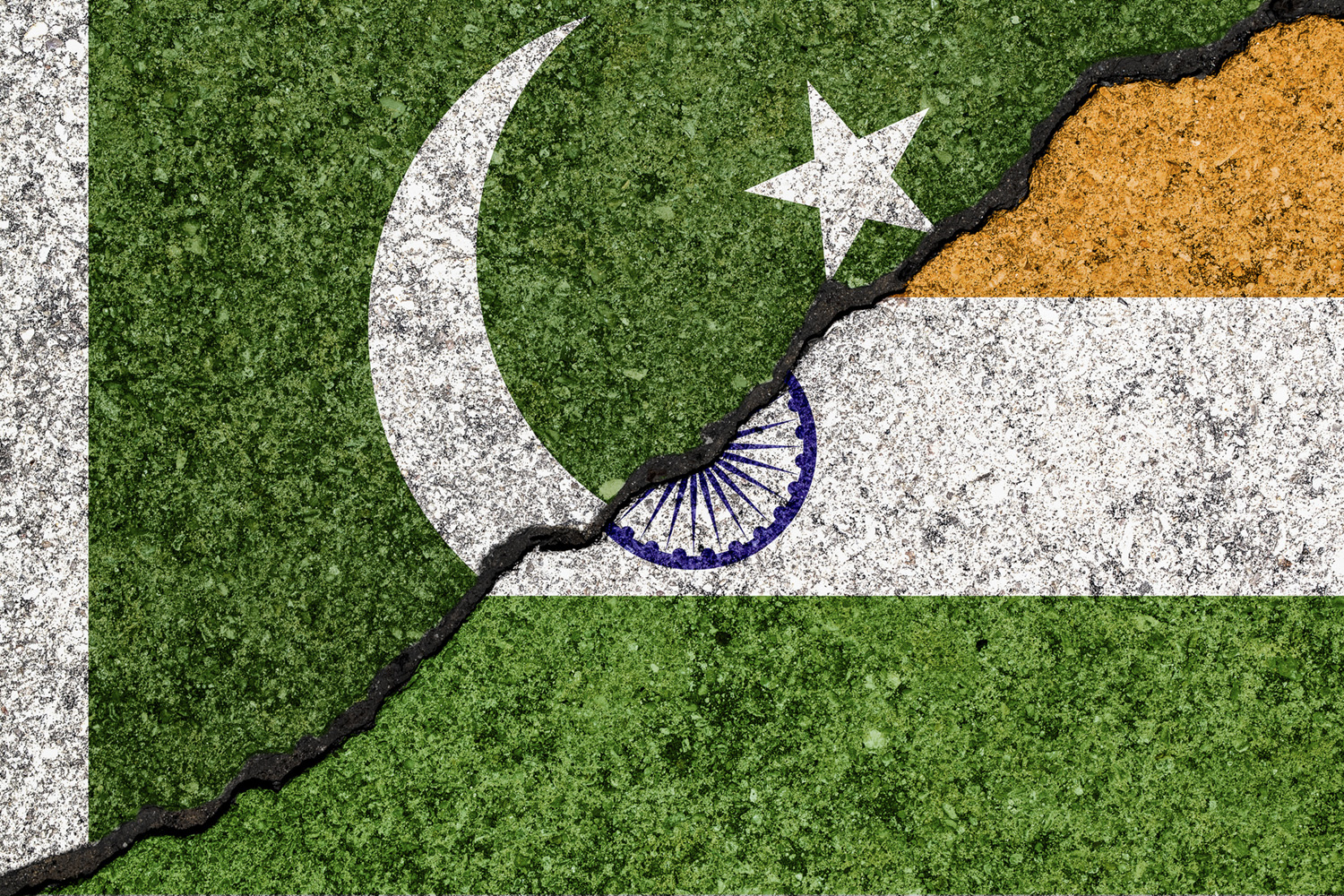
A Line in the Sand
A River of Blood

The Partition That Stole Millions of Rights
1764 - 1858

British Arrival Until First Independence War
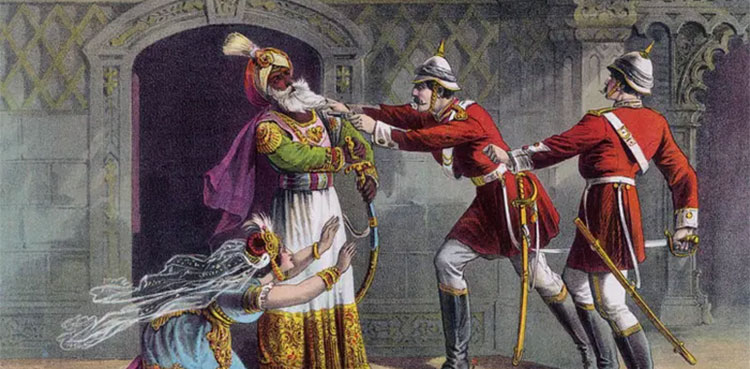
An Indian King being mistreated by Britishers, arynews.tv
"The wealth and grandeur of the Indian kings were beyond imagination. Their treasuries were filled with diamonds, gold, and precious stones."
Jean-Baptiste Tavernier, a 17th century French traveler
"Drawing on nearly two centuries of detailed data on tax and trade, Britain drained a total of nearly $45 trillion from India during the period 1765 to 1938."
Utsa Patnaik, economist
"British rule established a system that perpetuated inequality and discrimination, with Indians relegated to second-class citizenship in their own land."
Shashi Tharoor, a writer, in his book “An Era of Darkness”
India used to be prosperous and mostly a peaceful place with states under kings' rule. However, the expanding British Empire was soon going to change that.
Courtesy of academia.edu
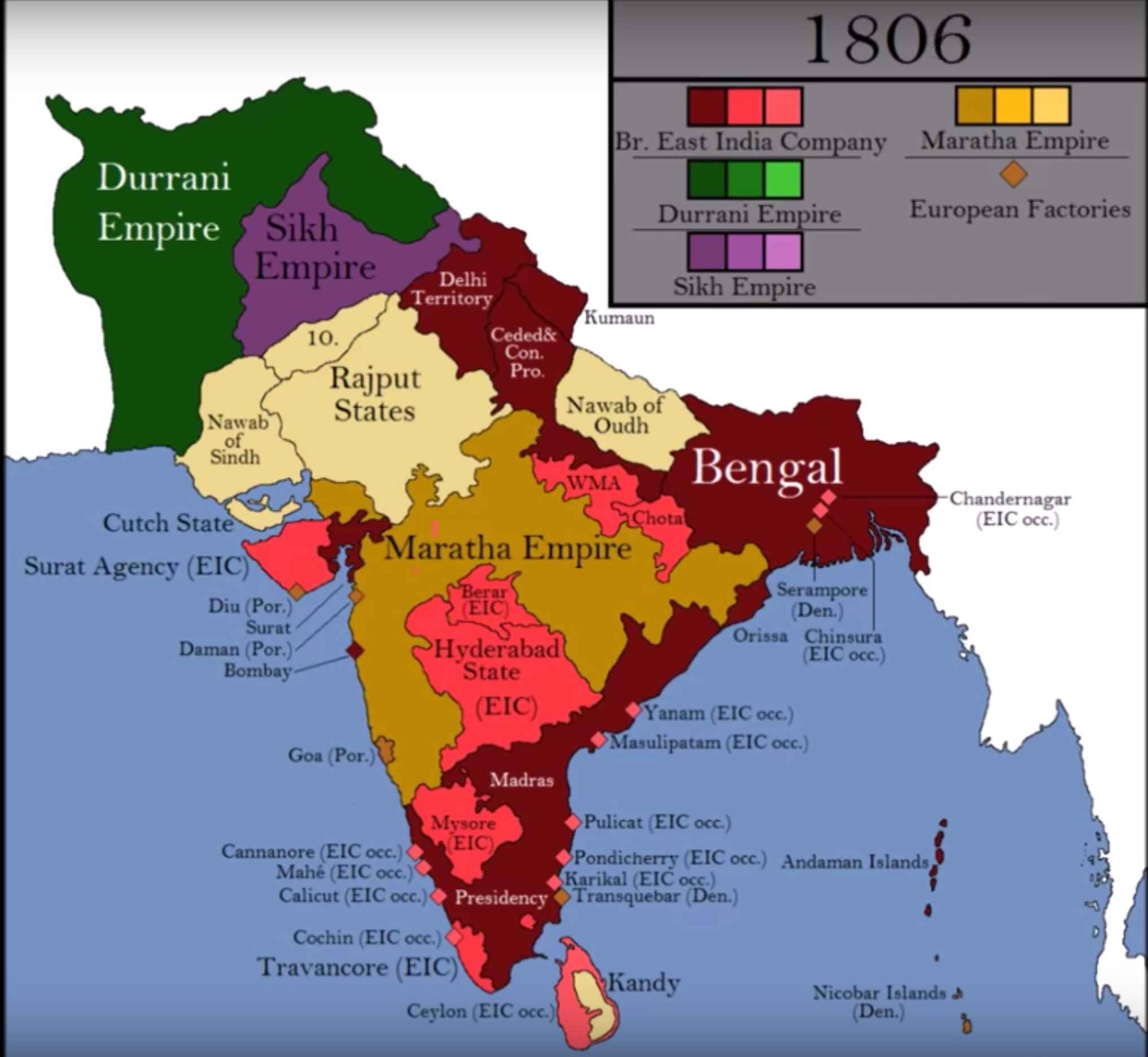
India Map 1806 - Miro.Medium.com
Discrimination and rights violations became a norm under British rule, leading to huge anger amongst Indians, but the introduction of new rifle cartridges greased with sacred cow and pig fat acted as a tipping point, resulting in the Sepoy Mutiny, deemed the first war for independence.
Courtesy of chapters.redshine.in
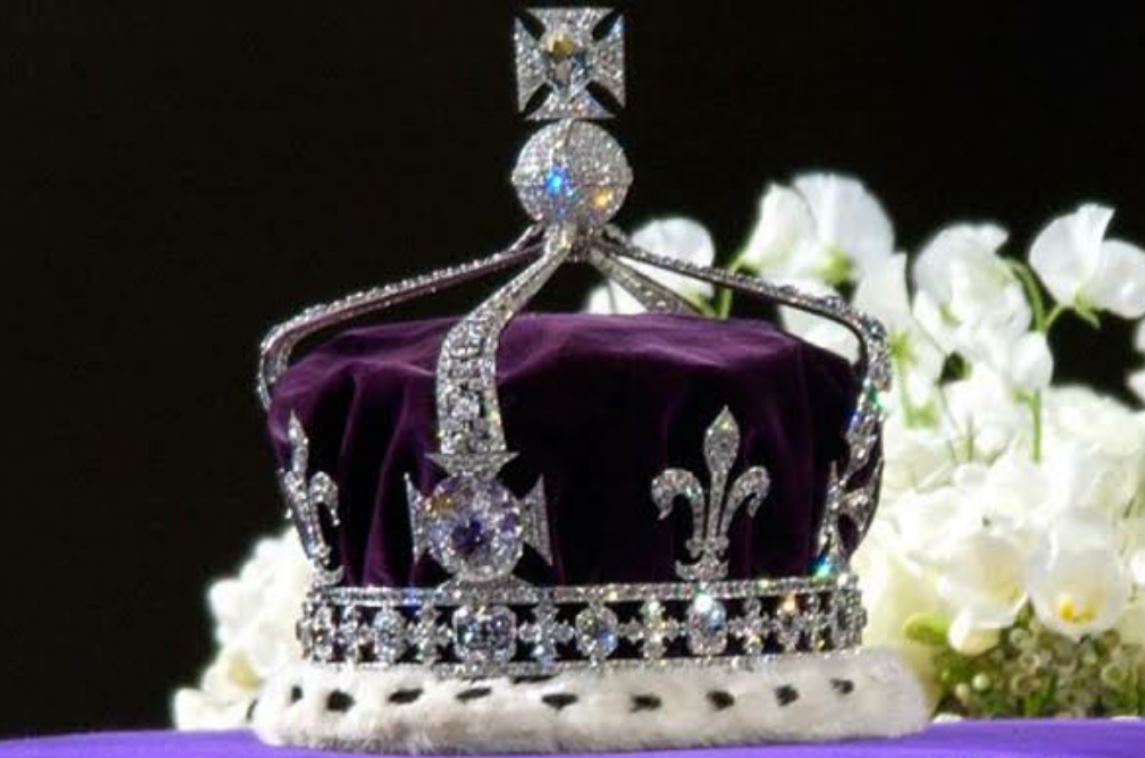
British Crown 1858 - civilaspirant.in
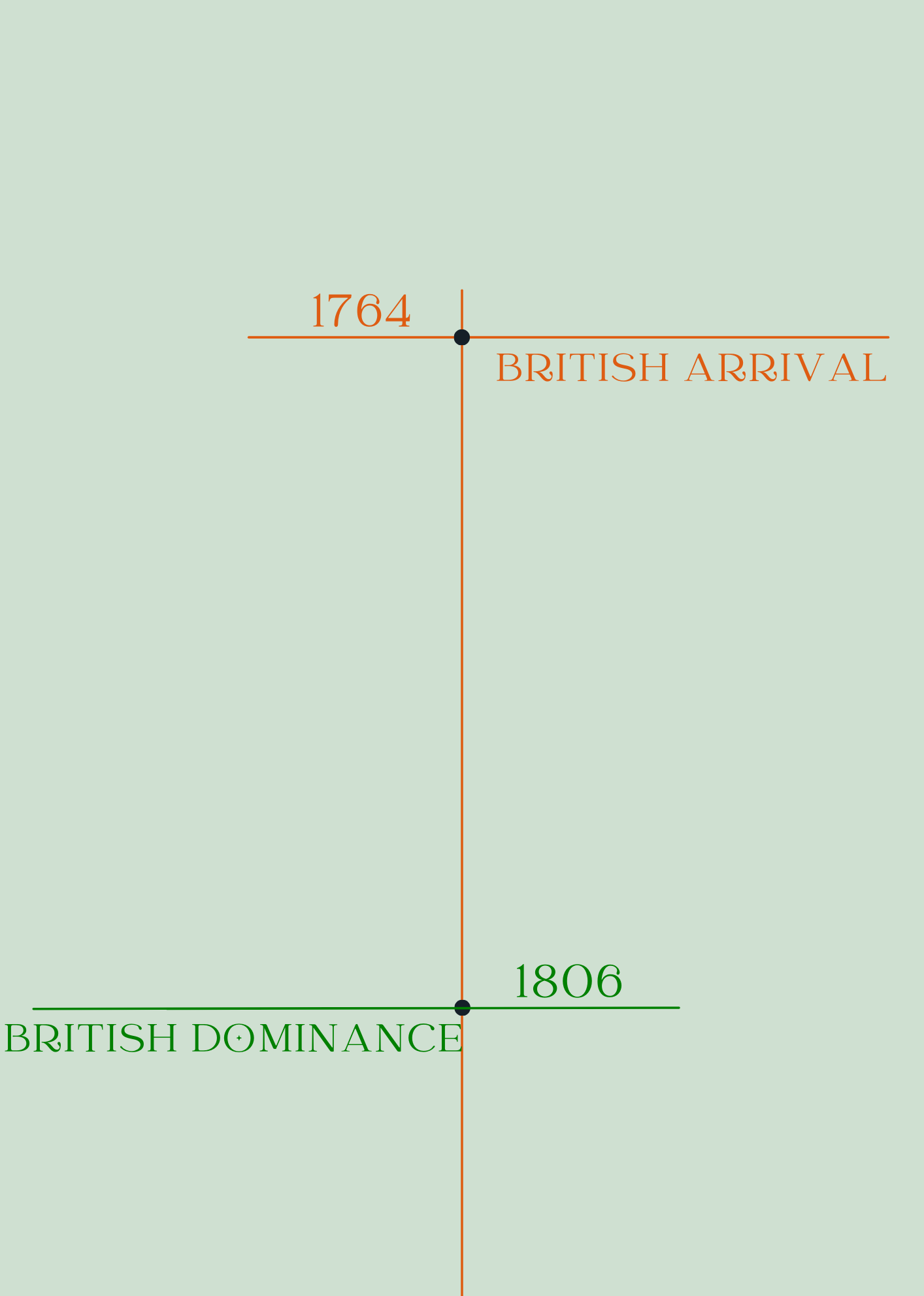
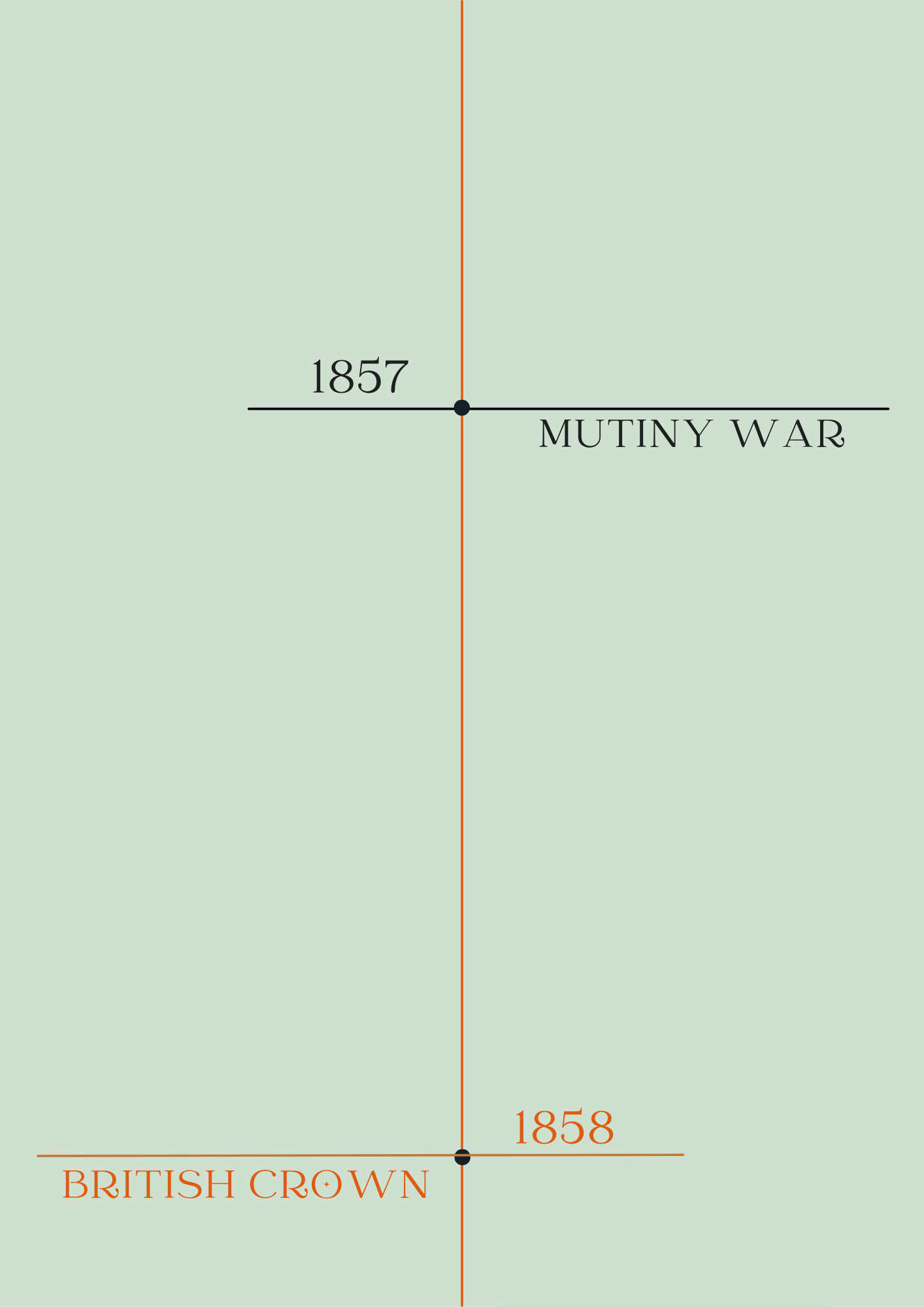

British Rule Timeline (1764-1858), canva.com
India Map 1764 - Mungfali.com
By 1806, the British East-India Company was controlling most Indian states via economic gains (access to trade routes, markets etc.), strategic military control (port, naval power, etc.) and spreading British culture (British colonizers believed they were superior to others because of their skin, culture, and religion).
Courtesy of researchgate.net
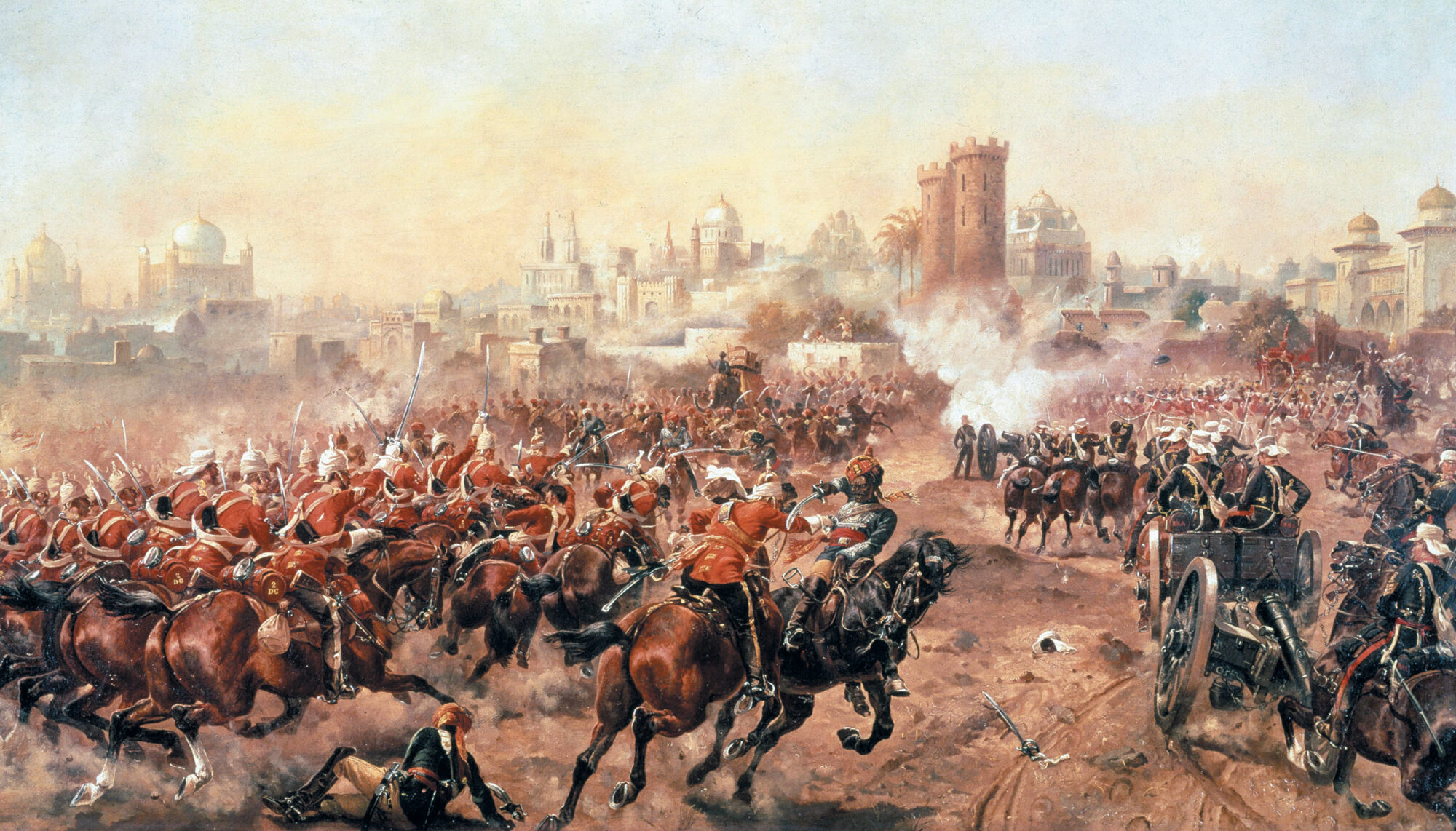
Mutiny War 1857 - warfarehistorynetwork.com
The British Crown officially took over the reins to prevent another mutiny. Britishers supporting Indian rights were now being labeled 'traitors' while Indians supporting British were called 'British bootlickers'. The British started dividing Hindus and Muslims via the well-known 'divide and rule' strategy.
Courtesy of academic.oup.com
"We have maintained our power by playing off one part against the other, and we must continue to do so. Do what you can, therefore, to prevent all having a common feeling"
Sir Charles Wood, the British secretary of state
"The British had been horrified, during the Revolt of 1857, to see Hindus and Muslims fighting side by side against the foreign oppressor. They vowed this would not happen again. "
Shashi Tharoor, a writer
"The imperial social changes and policies created the initial tension between Hindus and Muslims. The British imperial policy of divide and rule directly led to the establishment of a Muslim political identity."
Saadia Ahmed, a Pakistani author