A Line in the Sand
A River of Blood

The Partition That Stole Millions of Rights
1940 - 1947

The Freedom Fight Takes an 'Un-United' Turn
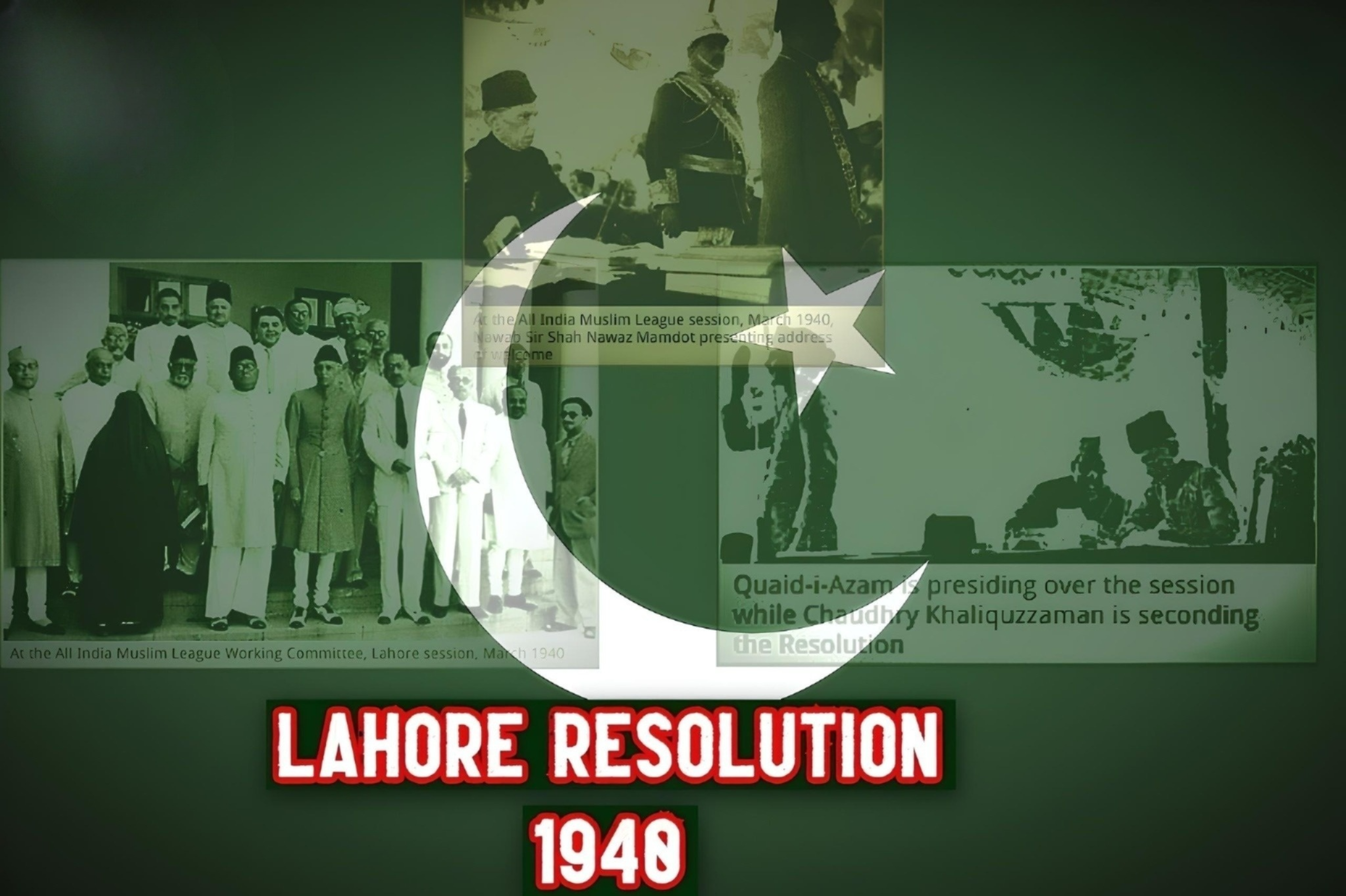
Lahore Resolution demanding Pakistan, pakistanexams.com
"The Hindus have made the mistake of taking Jinnah seriously about Pakistan, and as a result they have given substance to a shadow,"
Lord Linlithgow , viceroy of india, suggesting partiton demand was a bargaining chip
"They have different epics, different heroes. Often the hero of one is a foe of the other. To yoke together two such nations under a single state, one as a numerical minority and the other as a majority, must lead to growing discontent and final destruction of any social fabric built"
Muhammad Ali Jinnah, Founder of Pakistan
"means there is no nation but a religious bond; means that no nation in the modern sense must be allowed to grow; it means that modern civilisation should be discarded and we go back to the medieval ways"
Jawaharlal Nehru, prime minister of India, criticizing Jinnah’s demand
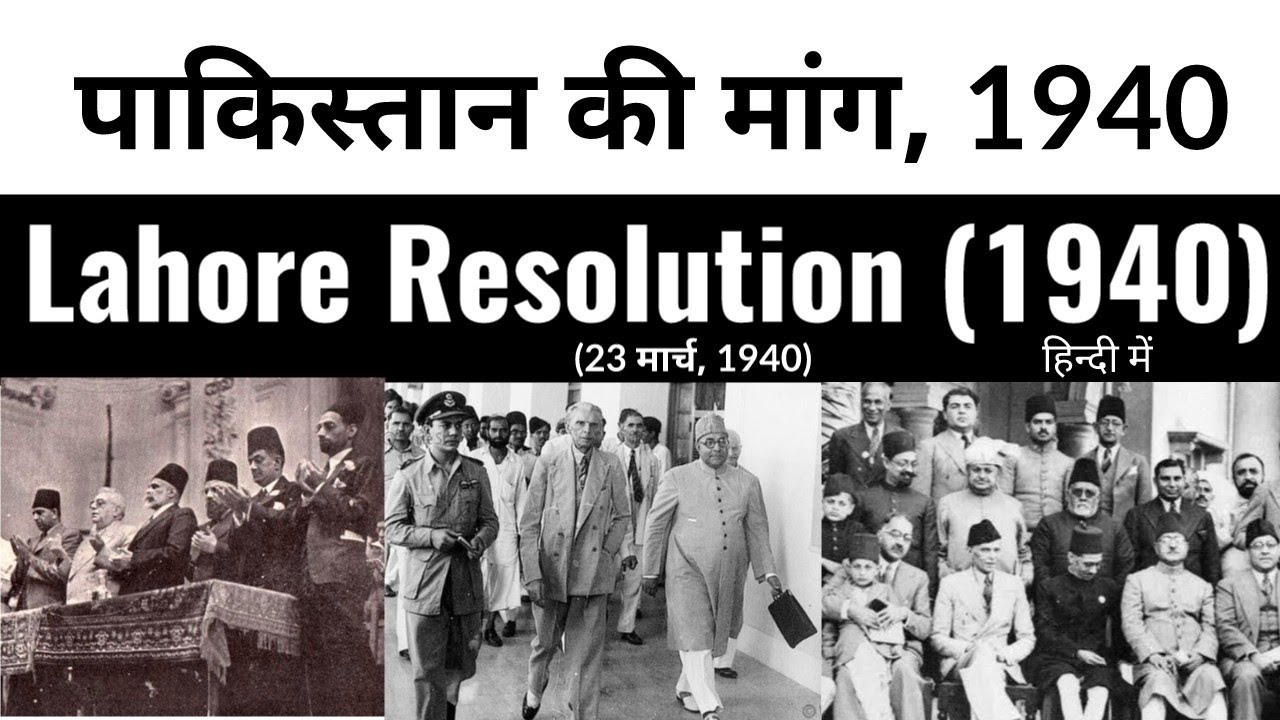
1940 Lahore Resolution - nishantverma.in
Despite the Partition distractions, common people were focused on the freedom struggle and demanded an immediate end to British rule.
Courtesy of JSTOR
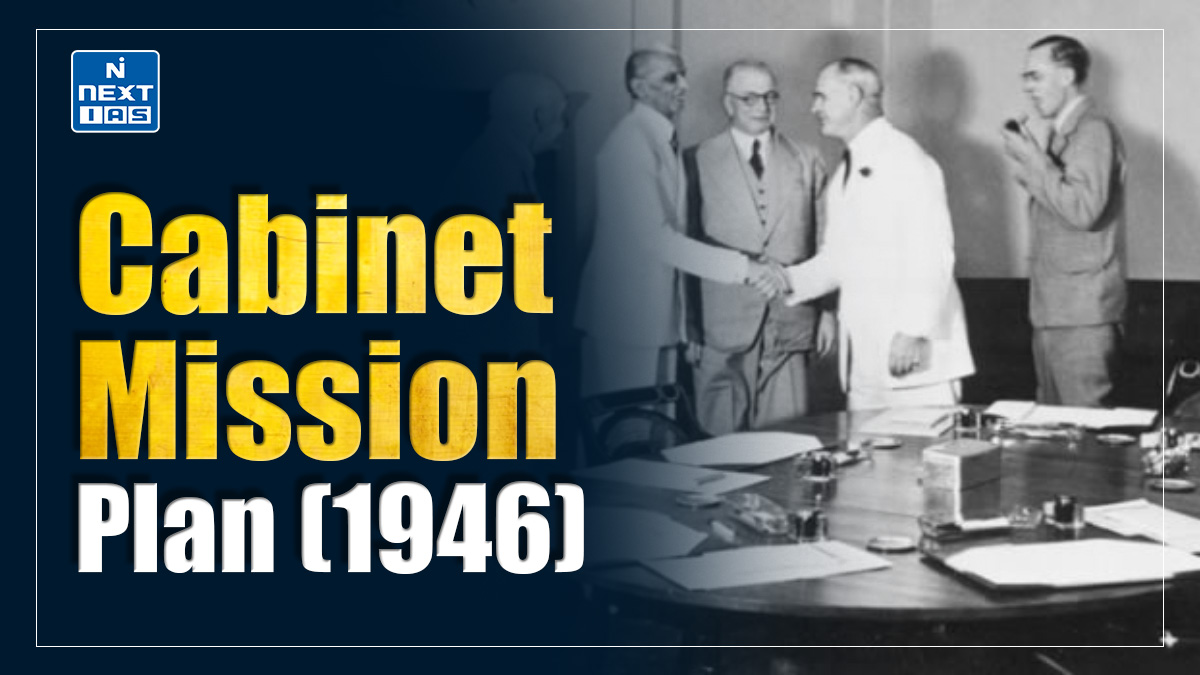
Cabinet Mission Plan 1946 - nextias.com
India gained independence on August 15, 1947. However, Indian parties failed to compromise on the Cabinet Mission Plan, and partition unfortunately became reality.
Courtesy of JSTOR
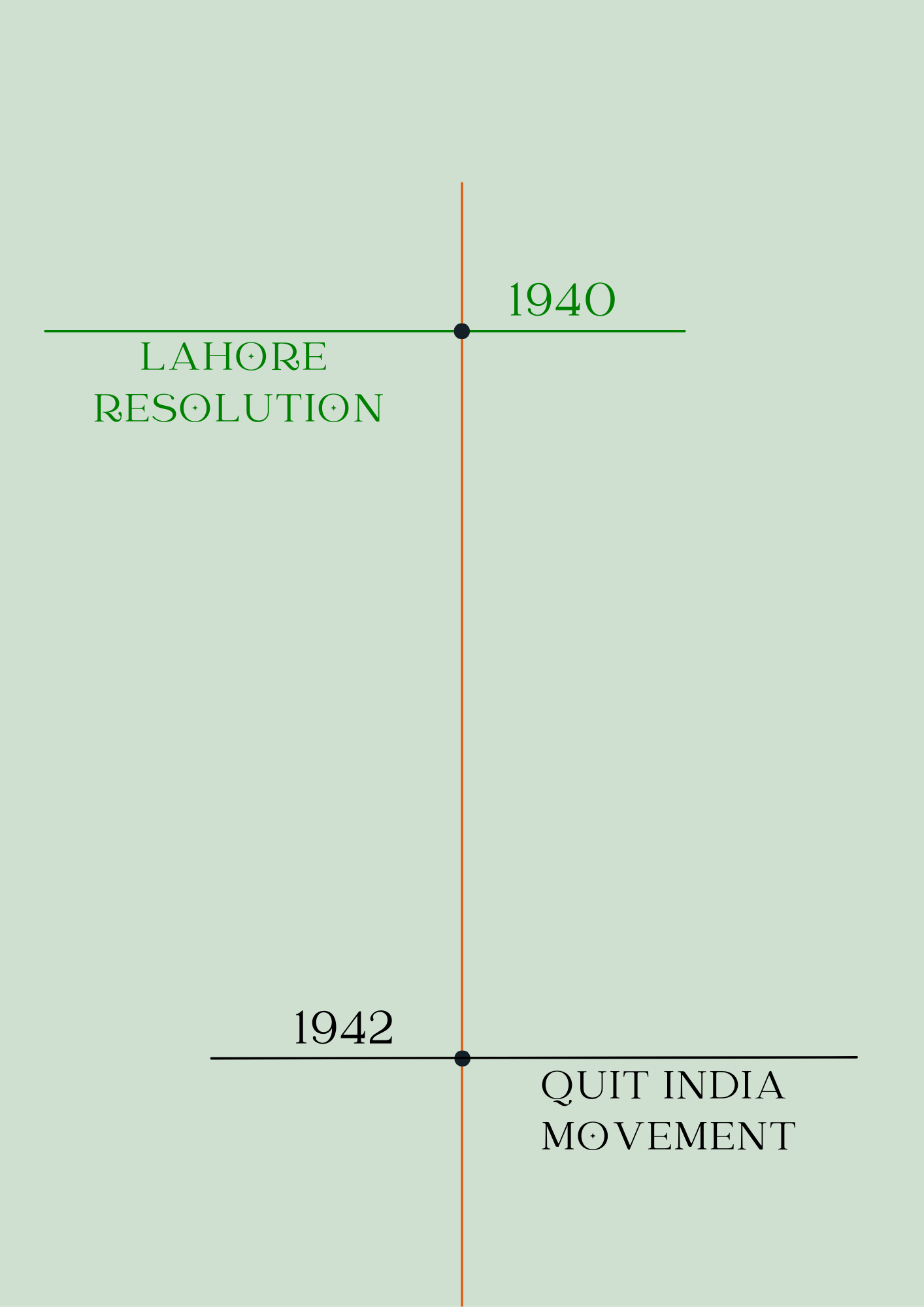
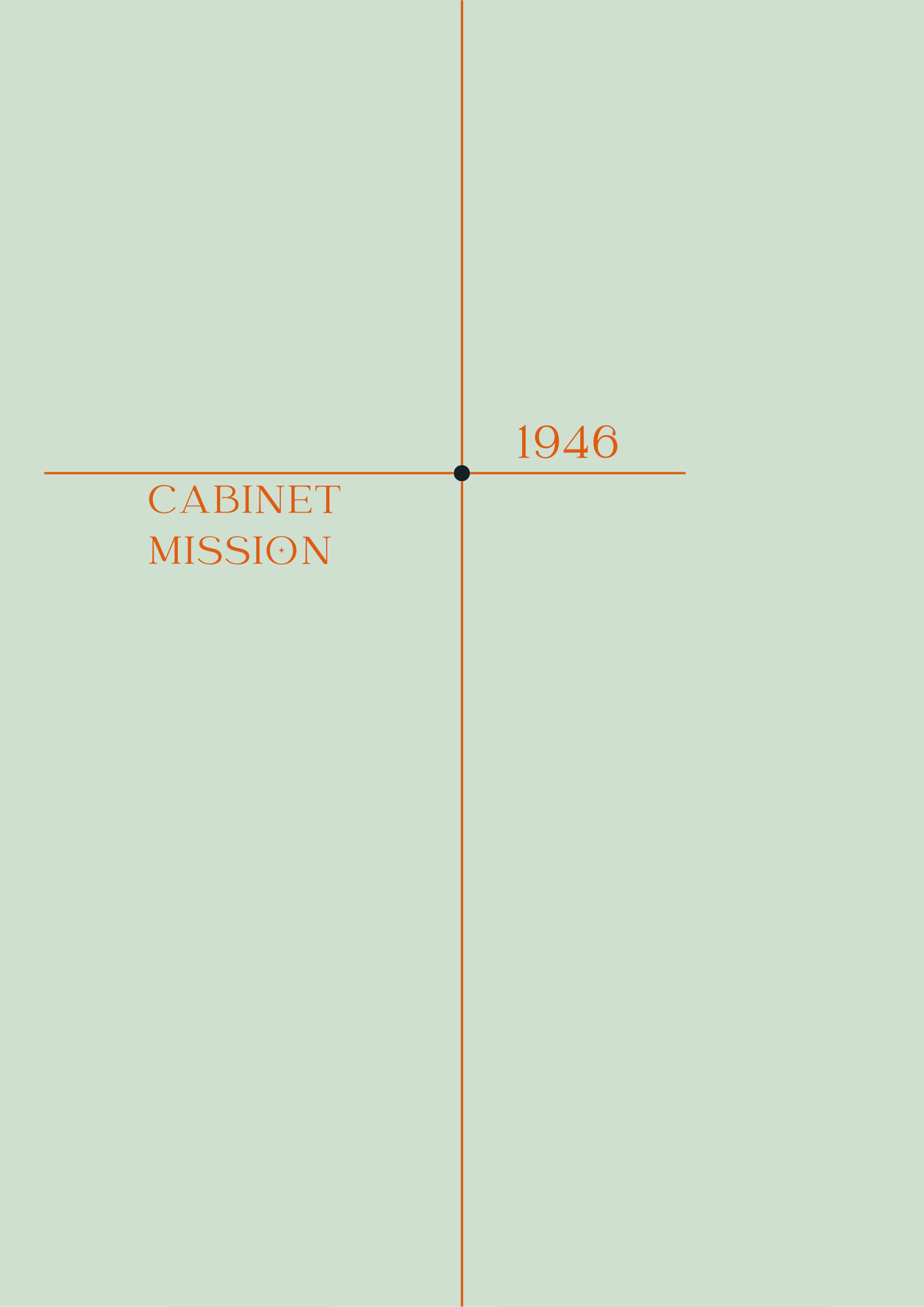
British Rule Timeline (1940-1947), canva.com
Sensing imminent independence and fearing Congress's pro-Hindu policies, Jinnah (Muslim-League) demanded a separate Muslim country due to his selfish ambitions of becoming Pakistan's prime minister. When Congress opposed it, he was even ready to become India's prime minister. The trust between Congress and Muslim-League reached all-time low.
Courtesy of JSTOR
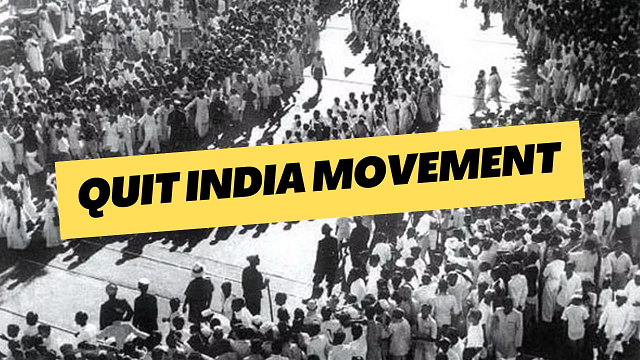
Quit India Movement 1942 - iasexpress.net
The British proposed the Cabinet Mission Plan, considered the last British effort to prevent Partition.
Courtesy of JSTOR
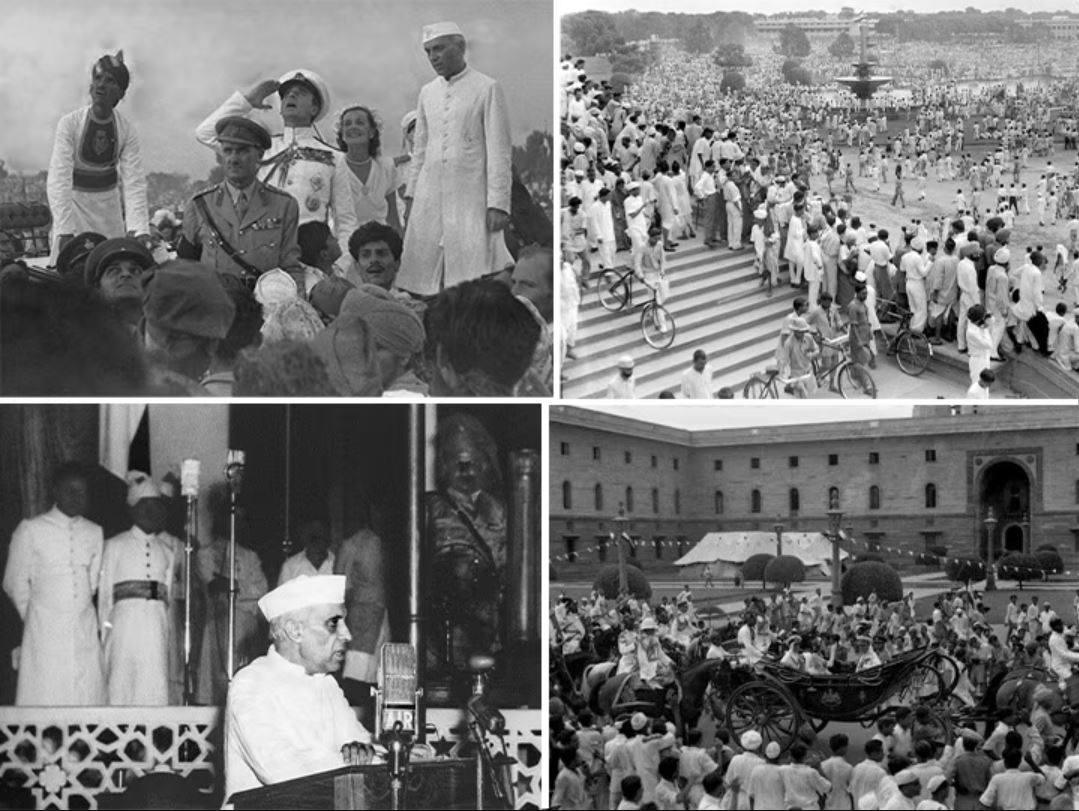
India Independence 1947 - static.abplive.com
"Nehru made a mistake by refusing to take two Muslim League members as cabinet ministers in UP. It made Jinnah distrustful of the Congress leaders whom he began to describe as ‘Hindu’ leaders."
Abul Kalam Azad, Indian politician, reflecting on Congress’s Mistakes
"Jinnah’s Pakistan scheme serves our interest by keeping Congress and League divided, ensuring our continued presence"
Lord Linlithgow, Viceroy from 1936–1943
"Muslims cannot live as a minority under Hindu rule; our demand for independent states is survival"
A.K. Fazlul Huq, Prime Minister of Bengal, presenting the Lahore Resolution on March 23, 1940