Rights Breached, Responsibilities Neglected: How the My Lai Massacre Exposed the Ethical Issues of the Vietnam War
Rights of Civilians
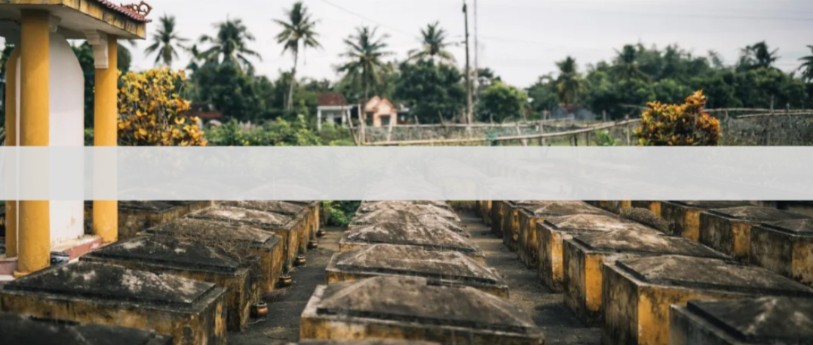
“A mass grave containing the bodies of slaughtered Son My villagers.” Aaron Joel Santos
The U.S. soldiers at My Lai violated core principles of international humanitarian law, outlined in the Hague and Geneva Conventions, and the U.S. Army's Laws of Land Warfare, which prohibit the killing of noncombatants.
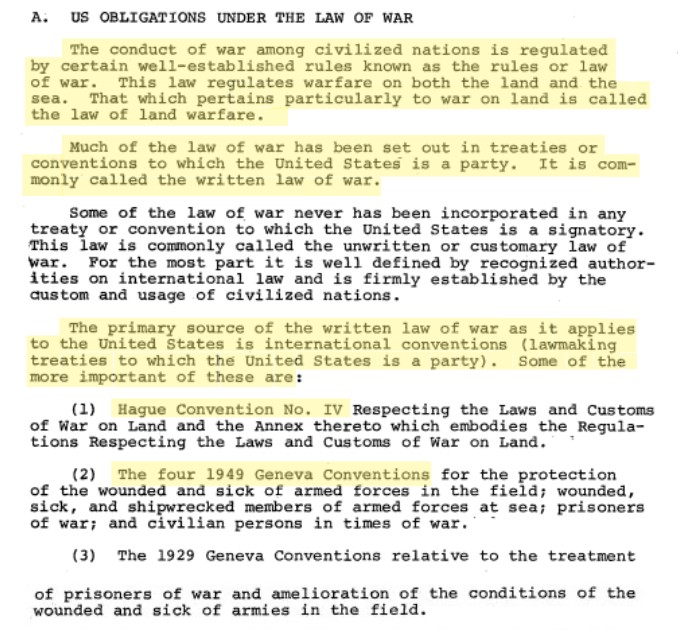
"Report of The Army Review of the Preliminary Investigations Into the My Lai Incident - Volume I - Report of the Investigation - 14 March 1970" United States Department of the Army
“The conduct of warfare is not wholly unregulated by law, and that nations, including this nation, have agreed to treaties which attempt to maintain certain basic fundamental humanitarian principles applicable in the conduct of warfare. And over a period of time these practices have dealt with the circumstances and the law concerning when human life may be justifiably taken as an act of war. It's the mission of the soldier to meet and close with and destroy the enemy. However, the law attempts to protect those persons who are noncombatants. They are entitled to be treated humanely. They are entitled not to be summarily executed.”
-Prosecutor Captain Aubrey Daniels in his summation to the court on the William L. Calley court trial
Vietnamese civilians were entitled to these rights because they were considered "protected persons".
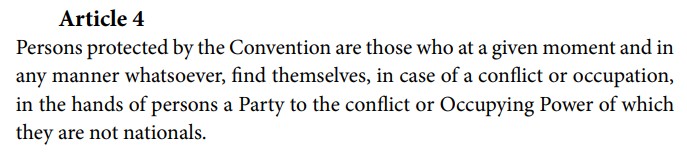
“The Geneva Conventions of 12 August 1949” International Committee of the Red Cross
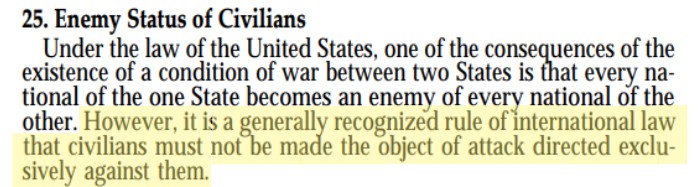
“FM 27-10, Department of the Field Army Manual, Law of Land and Warfare, 18 July 1956” Department of the Army Washington D.C.
These frameworks are crucial for safeguarding civilians.
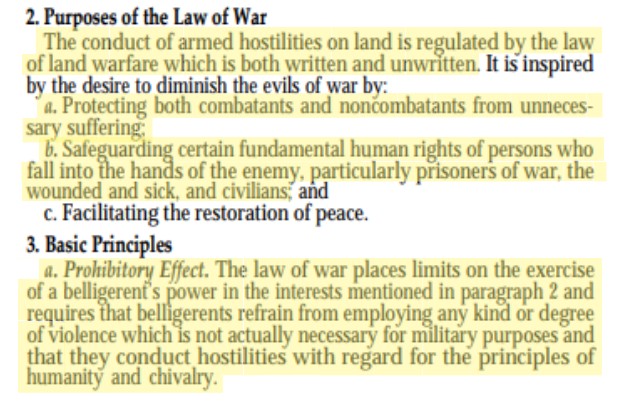
“FM 27-10, Department of the Field Army Manual, Law of Land and Warfare, 18 July 1956.” Department of the Army Washington D.C.
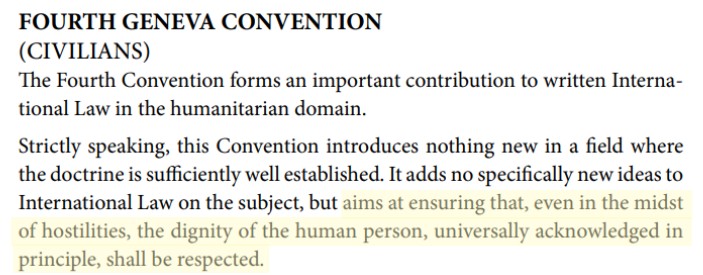
“The Geneva Conventions of 12 August 1949” International Committee of the Red Cross
“The 1949 Geneva Conventions and their Additional Protocols are international treaties that contain the most important rules limiting the barbarity of war. They protect people who do not take part in the fighting (civilians, medics, aid workers) and those who can no longer fight (wounded, sick and shipwrecked troops, prisoners of war).”
-The International Committee of The Red Cross
Basic Protections
Each treaty outlines the basic human rights of civilians.
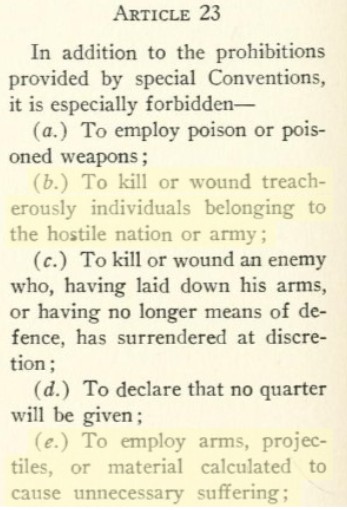
“The Hague Conventions and Declarations of 1899 and 1907” Carnegie Endowment for International Peace
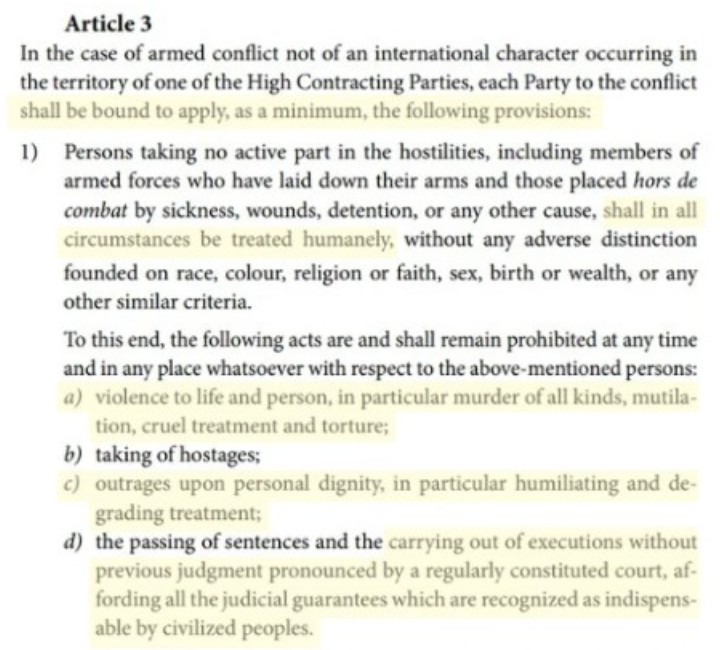
“The Geneva Conventions of 12 August 1949” International Committee of the Red Cross
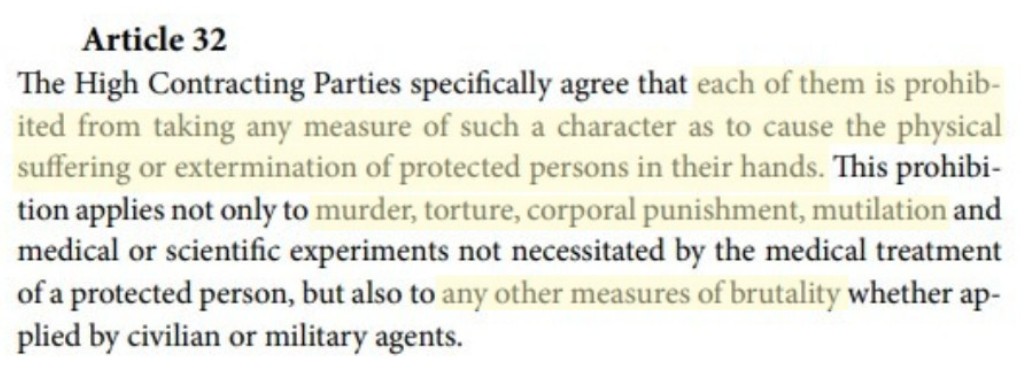
“The Geneva Conventions of 12 August 1949” International Committee of the Red Cross
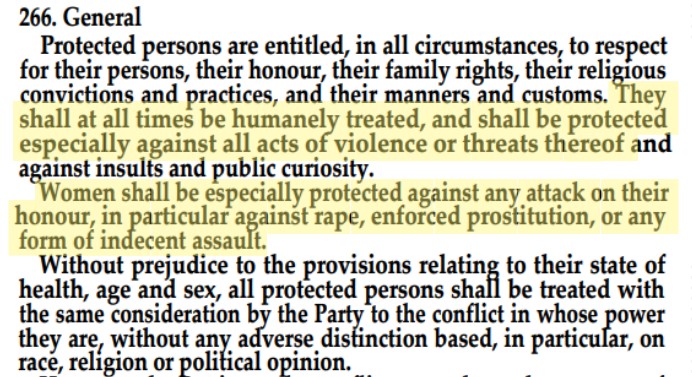
“FM 27-10, Department of the Field Army Manual, Law of Land and Warfare, 18 July 1956” Department of the Army
Property Protections
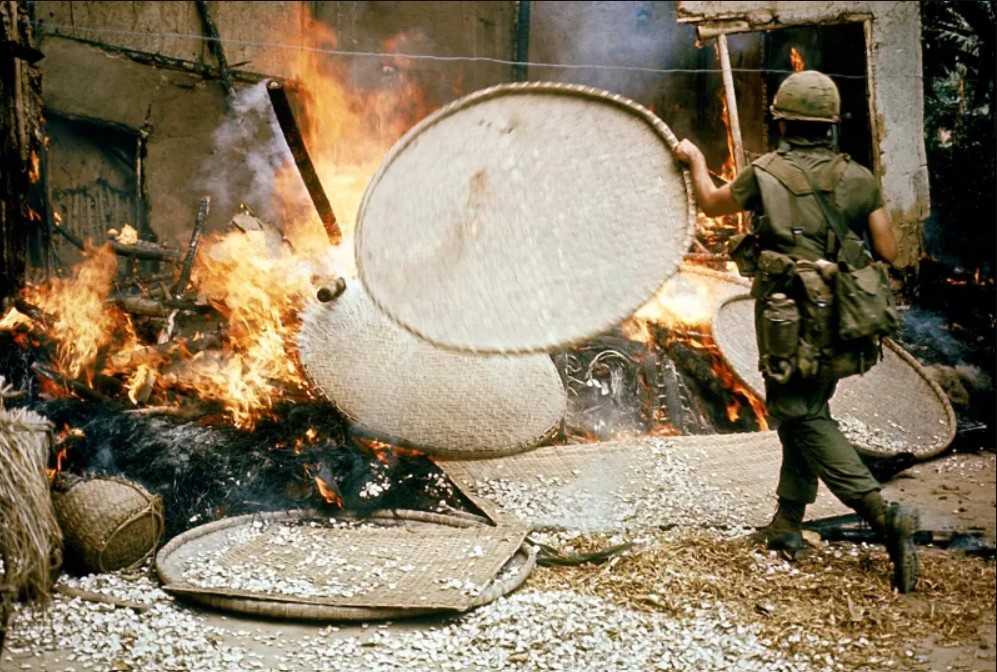
“An American soldier stokes the flames of houses that were burned during the massacre in My Lai on March 16, 1968.” Ronald L. Haeberle / The LIFE Images Collection / Getty Images
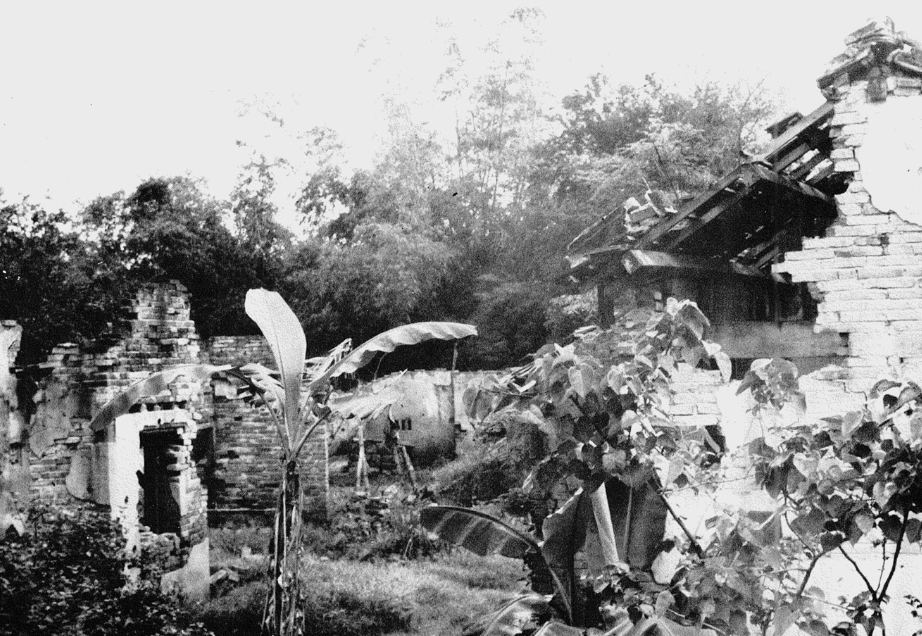
“An example of the widespread destruction in My Lai 4. 16 March 1968” Wikimedia Commons / Ronald L. Haeberle
They also emphasized the prevention of unnecessary destruction.
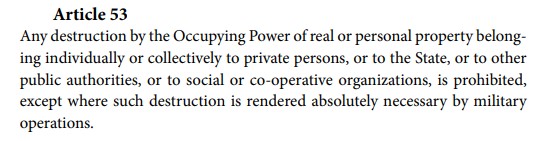
“The Geneva Conventions of 12 August 1949” International Committee of the Red Cross
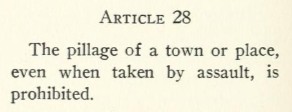
“The Hague Conventions and Declarations of 1899 and 1907” Carnegie Endowment for International Peace
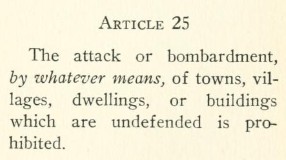
“The Hague Conventions and Declarations of 1899 and 1907” Carnegie Endowment for International Peace
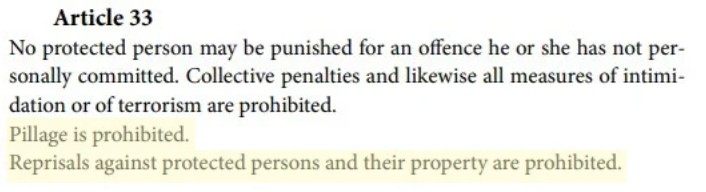
“The Geneva Conventions of 12 August 1949” International Committee of the Red Cross
By breaching these protections, the soldiers denied Vietnamese civilians their right to life and safety during war.
"Four Hours in MY LAI, Anatomy of a Massacre" Youtube / Yorkshire Television