Thesis - Mo'olelo
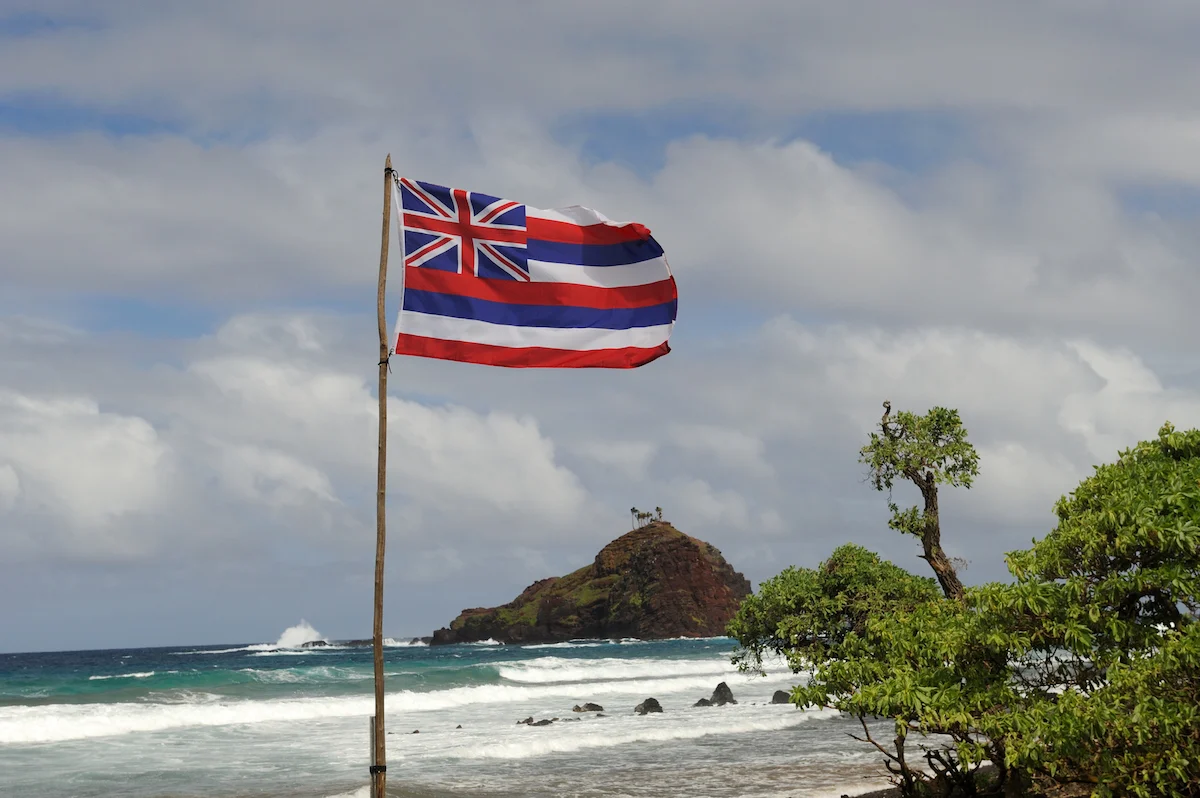
(Hawaiian Flag, Getty Images)
In 1896, Native Hawaiians were denied the right to speak ʻŌlelo Hawaiʻi in schools as a result of deliberate actions taken by American and European colonizers who sought to assimilate the Hawaiian Islands into Western culture. Through policies like the 1896 language ban, these colonial powers, including the U.S. government, imposed changes on education and culture that deeply disrupted Hawaiian society. Although the enforcement of these policies eventually ceased, the lasting effects of this cultural suppression continue to reverberate throughout Hawaiʻi today. Many Hawaiians still face the ongoing challenge of reclaiming and preserving their language and identity, while grappling with the enduring impacts of this historical injustice.