SIGNIFICANCE
"Recognizing attempts to drag children from their families and 'civilize' them as a total failure, the aim now is to give a basic education in the three R's without detaching them from their families [...] This is accomplished to an increasing extent in day schools, which are being established on as many reservations as possible [...] Native tongues are not forbidden, and an increasing number of Indians are on the teaching staffs."
--John Paul Stevens
“That’s why our boys grow out their hair long. That’s why we pierce their ears. That’s why we do things in the old way. We reclaim their bodies, we reclaim our culture. Our existence is resistance, right? That’s what we hear Native people saying all the time. And it’s true.”
--Endawnis Spears
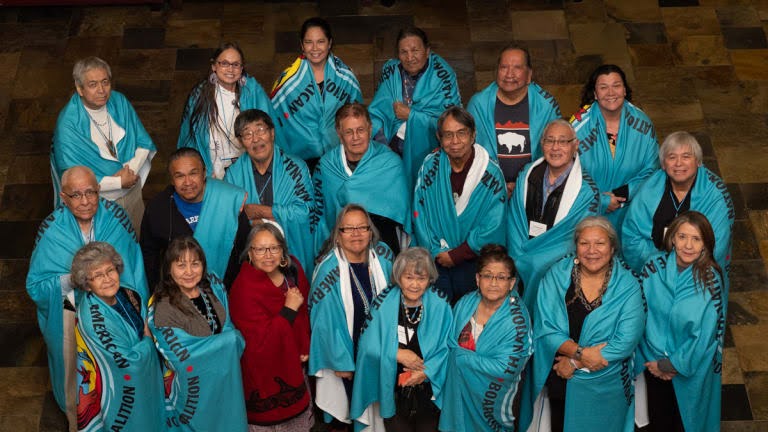
(Source: ICT News).
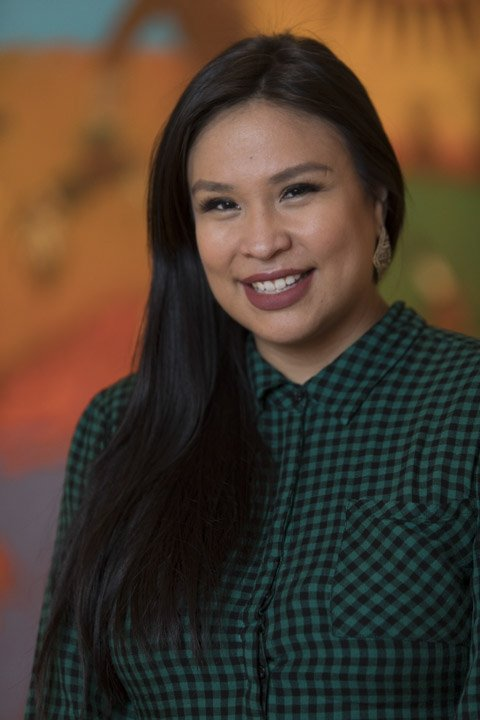
Endawnis Spears (Portland Museum of Art).
Indian boarding schools have done damage to Native populations, but despite this, many have fought back. For example, Endawnis Spears, a Navajo mother of four, says “For our Native families, and I’ll speak for only my family, we are actively and intentionally healing from these experiences. [Our grandparents suffered] the disruption of our relationships to our plant and animal kin, the disruption of our traditional ways of praying. I make decisions everyday to give my children what my grandparents couldn’t have.” (Spears, 2022). Many other Native families do the same and speak out about their experiences at the schools. Before, they couldn’t.
“Compared to what boarding schools were in the past, they’ve changed a lot—from killing the Indian and saving the man, it’s a lot different these days.”
--Tim O’Neal
"My experience was good there. [...] They allowed me to catch up on some schoolwork, and when I caught up, I found out I was top of the class. [...] The best thing was meeting all the new people, other Native Americans, and making lifelong friends."
--Tim O'Neal
Native American communities have reclaimed former federal boarding schools, reshaping the curriculum to recapture Native culture and traditions, and to teach and reflect Native traditions and practices. These schools are culturally engaged and actively teach Native languages. Attendees report positive experiences at schools such as Santa Fe Indian School and the Chemawa Indian School. These schools connect different Indigenous cultures, even across tribes.
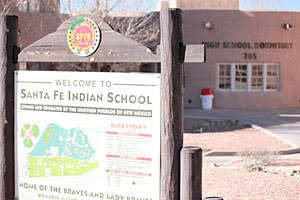
"Santa Fe Indian School," (SFIS).
CONCLUSION
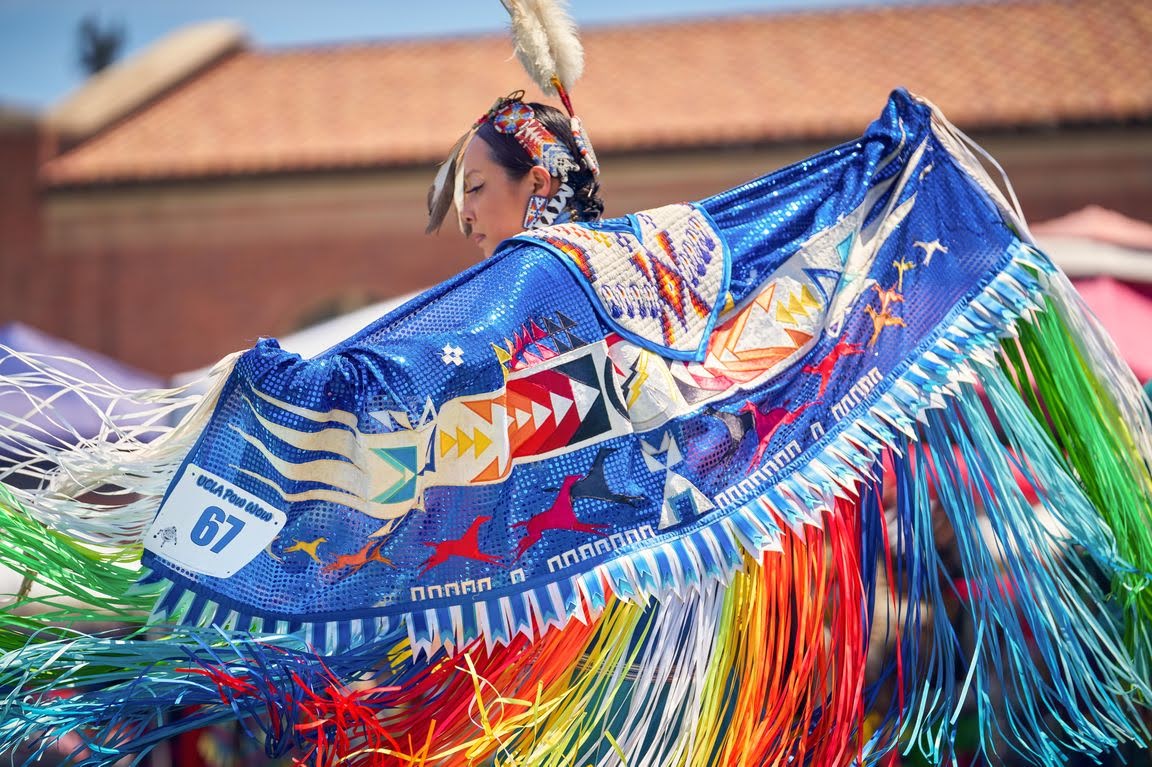
(Source: UCLA).
“Together, we can help begin a healing process for Indian Country, the Native Hawaiian Community and across the United States, from the Alaskan tundra to the Florida everglades, and everywhere in between.”
--Bryan Newland
“We really just have to own that these things happened and that the audacity of us to try to forget that or pretend it didn’t happen, I think that’s wrong. Acknowledgement of the damage we’ve done to Native populations has to happen. And an apology, just won't do it."
--Tawna Sanchez
Indian boarding schools did, in the end, nearly accomplish its goal of "civilizing" Indians by wiping out Native language, culture and identity. However, today many Native Americans now attend these same schools to relearn aspects of their lost culture and identity and countless organizations and people search to provide Native communities with information previously thought to be lost. Today's Indian boarding schools help children grow and learn about their respective cultures.
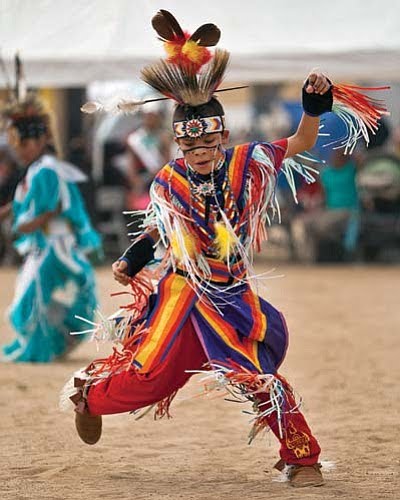
(Source: Navajo-Hopi Observer).
Next Page