Thesis
The Industrial Revolution
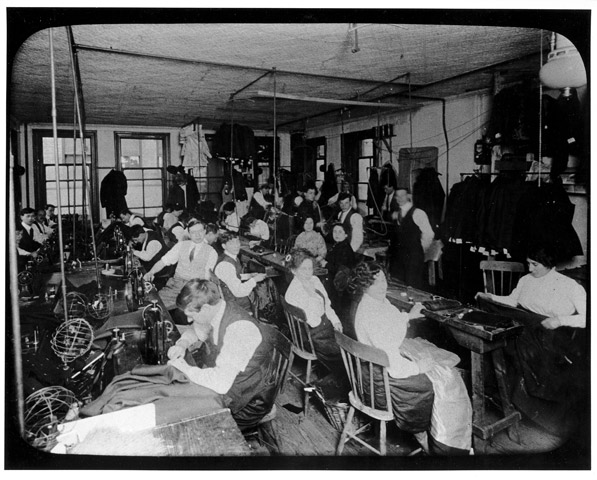
A Sewing Room in the Asch Building, Courtesy of Lewis Hine
The 1900s
Working Conditions of Factory workers in the 1900s
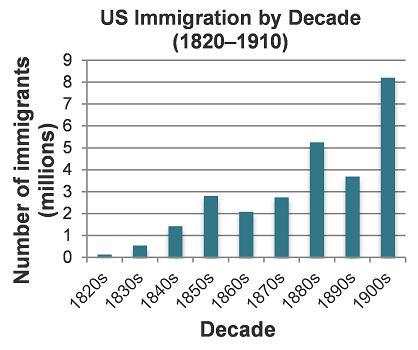
In the 18th century, the world shifted from an agricultural economy to a manufacturing economy. While this was happening, farmers were retiring to the city. The population of the city grew with immigrants and farmers. Immigrants at the time would take any job for any pay, so most ended up as factory workers.
At the time of the factory fire, the working conditions of the factory workers were hazardous. The factory owners were known to mistreat workers and create undesirable working environments, such as locking all doors and windows. The locking of windows and doors was put in place to prevent theft and/or unsolicited breaks. The workers had to work non-stop and weren’t allowed outside unless it was their 30-minute lunch break.
The Lowell Mill Girls
"In the mills, female workers faced long hours of toil and often grueling working conditions." - National Park Service
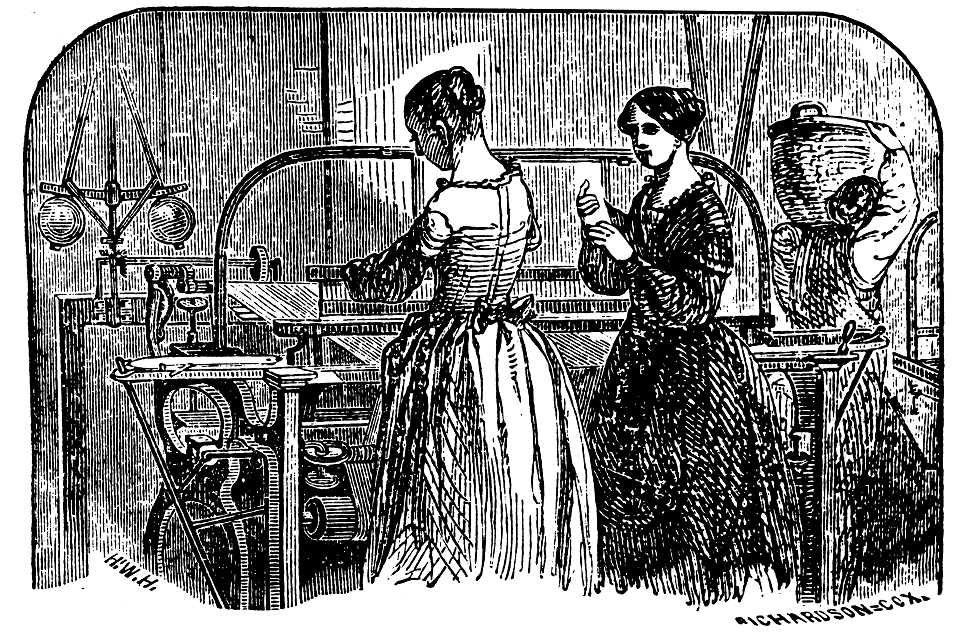
The Mill Girls of Lowell, Courtesy of US National Historical Park
The Mill Girls of Lowell were a prime example of factory working conditions in the industrial time period. Lowell's textile corperations were known for having higher wages than most factorys but they were also known for their very unhealthy working conditions. The point of this other factory example is to highlight how common unhealthy working conditions were in the 1900's.