Initial Operation
New agencies like the NHTSA were initially thought of as better than old ones because of the new agencies' rulemaking approach, but after the 1970s, the NHTSA resorted to the much-hated adjudication technique, which was largely ineffectual for the rest of the 20th century (Mashaw).
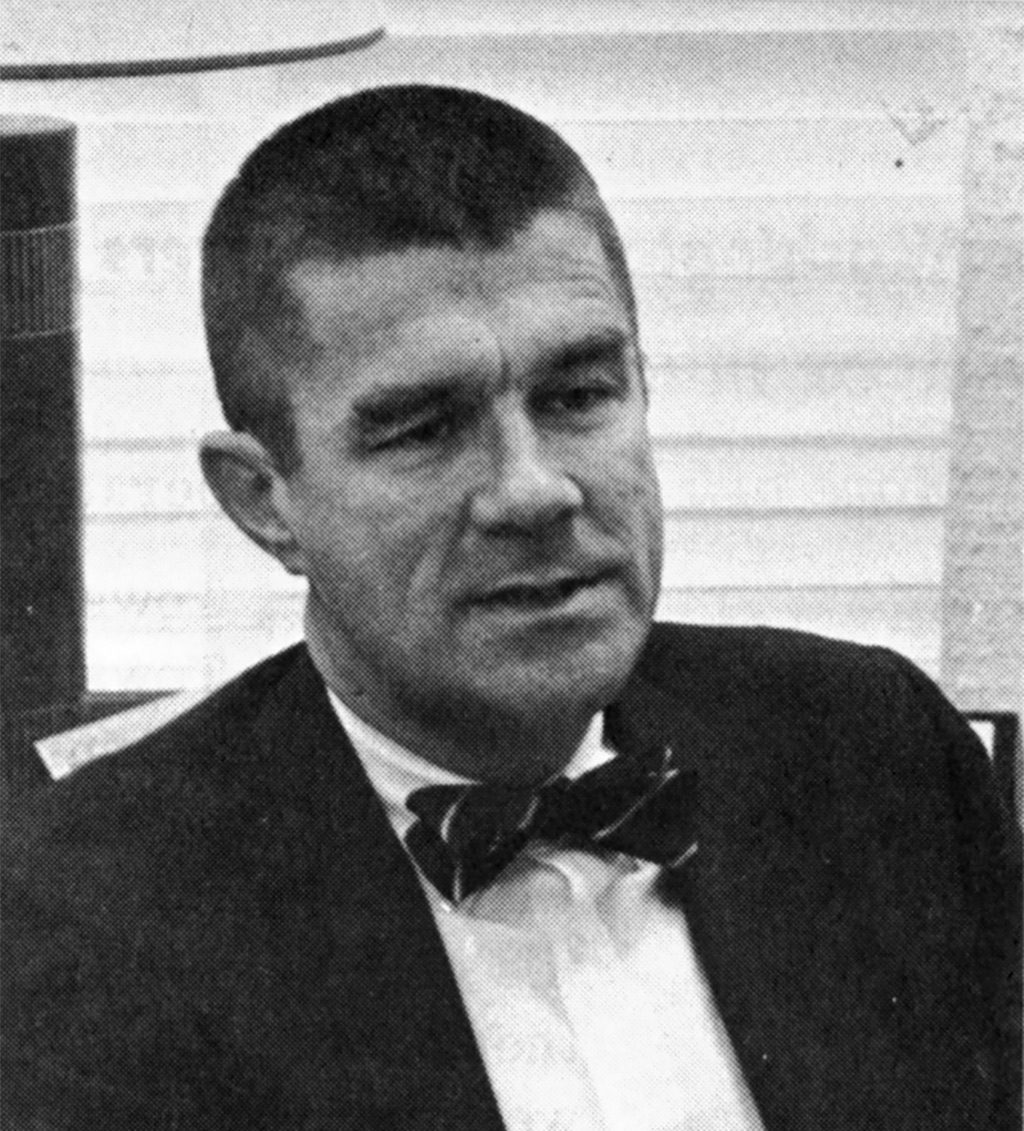
Director of what would become the NHTSA, Dr. William Haddon Jr, A Moment in Time
The primary difference between adjudication and rulemaking is that adjudication settles specific disputes, whereas rulemaking lays out general rulings (Hope).
Adjudication is, by nature, reactive, as the controversy (or defect, in the context of car safety disputes) must be present and detected for a case to be made. On the other hand, rulemaking is preventative, as it creates regulations to prevent automobiles with safety flaws from being distributed in the first place.
Social Effects
Many safety and regulation advocates at the time, such as Connecticut Senator Abraham Ribicoff, argued in favor of regulation, saying that “‘if it costs more money, the public should pad the extra cost to save their lives’ and that Congress must ‘reject out of hand the argument from Detroit that safety doesn’t pay’”. (Ribicoff, as cited in Mashaw 113)
In the perspective of safety advocates like then-current Assistant Secretary of Labor Daniel Patrick Moynihan, who advanced a scientific and systematic approach to auto regulation, “Regulation was freedom, not its antithesis.” Similar thoughts leaked into the mainstream (Moynihan, as cited in Mashaw 52).
As car prices began to swell with the regulatory efforts following after establishment of the NHTSA and a spike in general inflation, consumers “grew more
intolerant of defects and they increasingly
sought the [NHTSA]’s help in forcing manufacturers to stand behind their products”. (Mashaw 113)
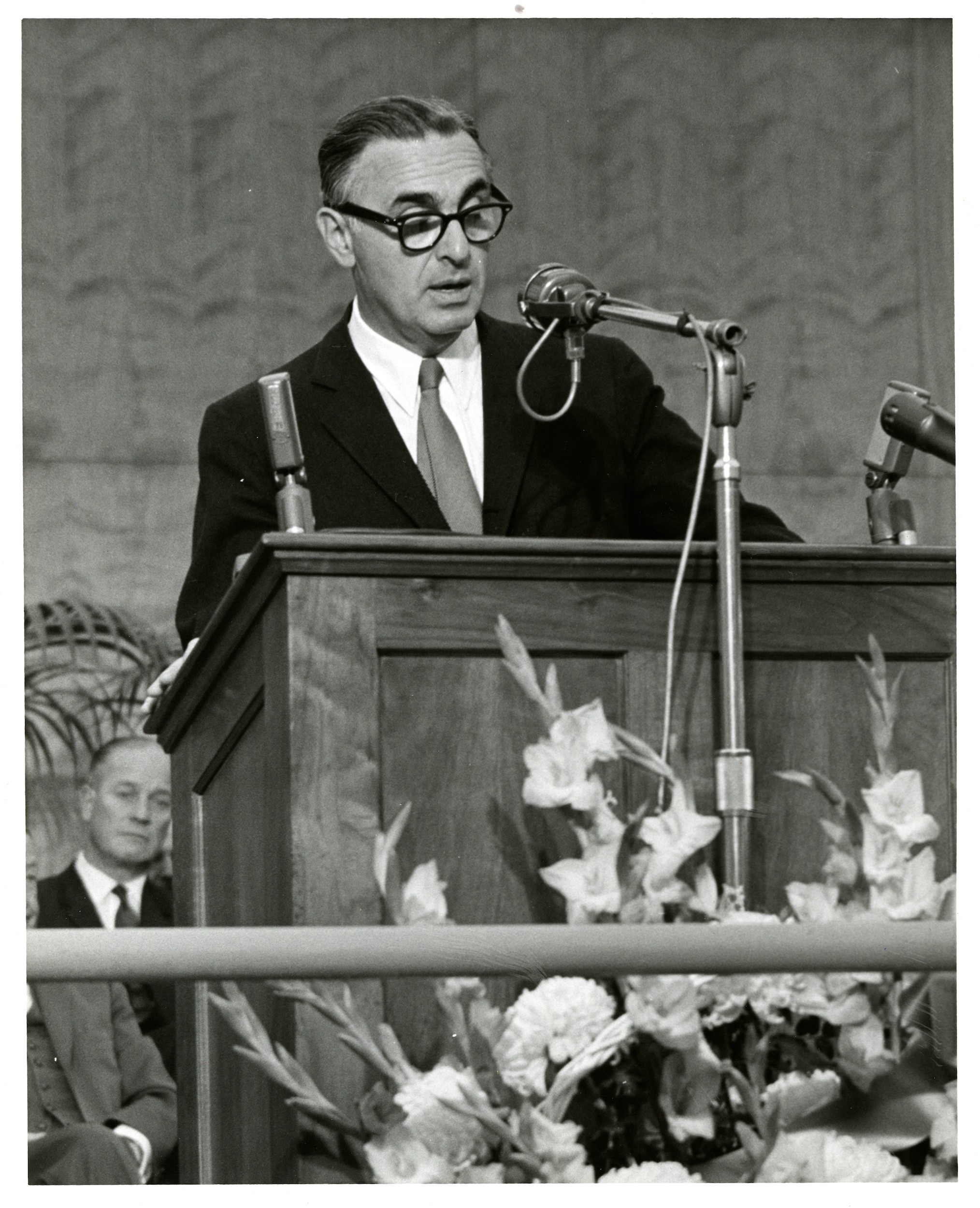
Abraham A. Ribicoff