With the signing of the Central American Peace Accords, other Central American countries began to acknowledge the Sandinistas as equals and started the process of incorporating their own left-wing groups into mainstream politics. The Sandinista Revolution also inspired other revolutions in places like El Salvador.
The Sandinista Revolution left Nicaragua itself as a poverty-stricken place, and as of late 2024, it was the second-poorest nation in the Western Hemisphere. After Ortega regained power in 2006, he has been ruling under a warped form of the Sandinista ideals, advocating for "Socialism, Christianity, and Solidarity". Ortega has essentially done away with presidential term limits, and has placed most of his nine children into key positions, following the dynastic power structure that characterized the Somoza family. Ortega's current method of running Nicaragua is scarily similar to the way that Somoza did. While the Sandinistas largely impacted other Central American countries, the situation in Nicaragua has not changed much since the rule of the Somozas.
Impacts and Legacy
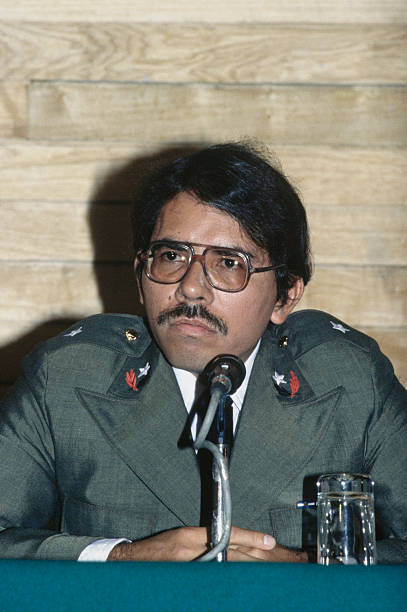
Daniel Ortega
Bettmann Archive