Legacies Lost
The family farm legacy was largely lost when foreclosures increased consolidation and corporate agriculture trends, which turned the primary focus of farming from a way of life into a business.
Dying Dreams
1977 Crop Failure (Des Moines Register Photo Archive)
"After 21 years of hog production, we give up. We learned that if you don't have big acres, big machinery and big money, you don't stand a chance. There is no such thing as a family farm any longer."
-Harrison County Operator (Sumner Gazette, 20 August 1998)
Legacies Lost
The family farm legacy was largely lost when foreclosures increased consolidation and corporate agriculture trends, which turned the primary focus of farming from a way of life into a business.
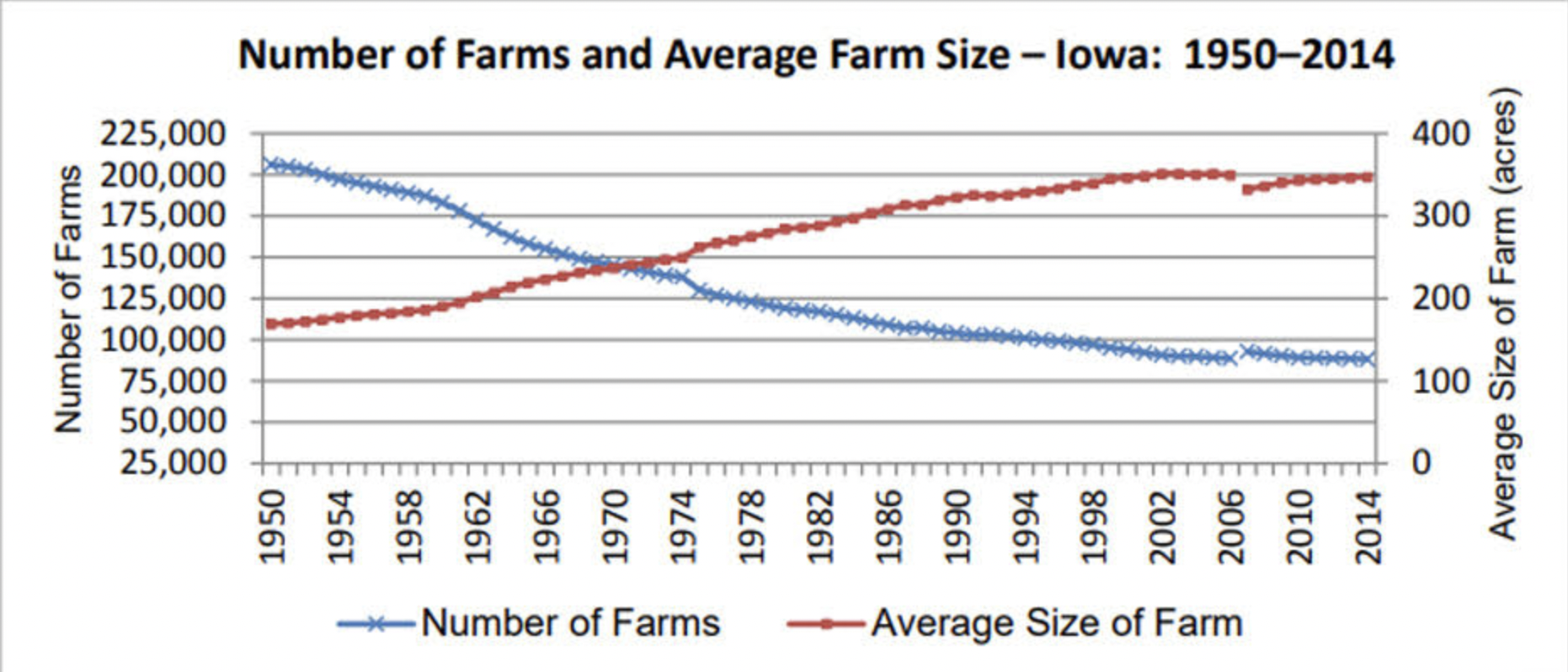
(National Agricultural Statistics Service, United States Department of Agriculture, 2015)
"Let's go back to 1790 when 90% of the people in the United States were farmers and compare it to now when only 2% are farmers. [In Iowa], during the late 1970s we had 130,000 farmers, but by the late 1980s it was down to 101,000 farmers, and today it is down to 84,000 farmers."
-U.S. Senator (IA) Charles Grassley (Personal Interview, 30 January 2024)
Additionally, the farm crisis decimated the dreams of young people who planned to farm or work in ag-related industries, which sparked a massive out-migration of residents who saw no future in rural America.

(Cedar Rapids Gazette, 5 October 1985)
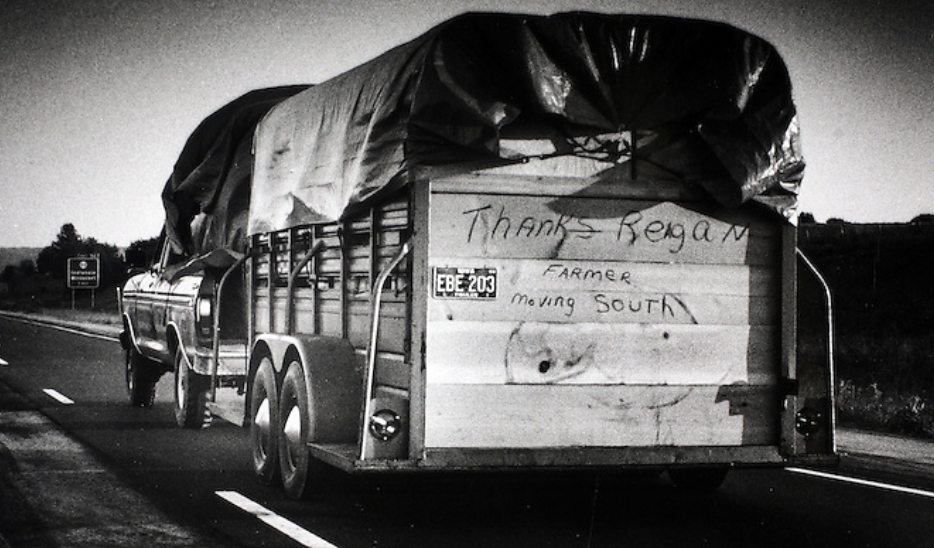
"Thanks Reagan, Farmer Moving South." (Peterson, Pulitzer Prize Farm Crisis Collection, 1986)

(The Capital Times, 21 July 1988)
Rural Demise
Furthermore, the farm crisis created an economic turning point in rural communities throughout the farm belt, as many banks permanently closed during the decade, including thirty-eight in Iowa alone. Additionally, rural schools closed due to population loss and economic destabilization following the farm crisis. Today, many rural communities have failed to recover economically and continue to struggle finding a new identity.
"For every ten farmers that go out of business, we lose a business in a small town. For every farm that goes out [of business], we lose three jobs. It's just a mess."
-Mark Ritchie, Minnesota Department of Agriculture Farm Policy Analyst (New York Times, 1 January 1986)

(TIME, 17 February 1986)
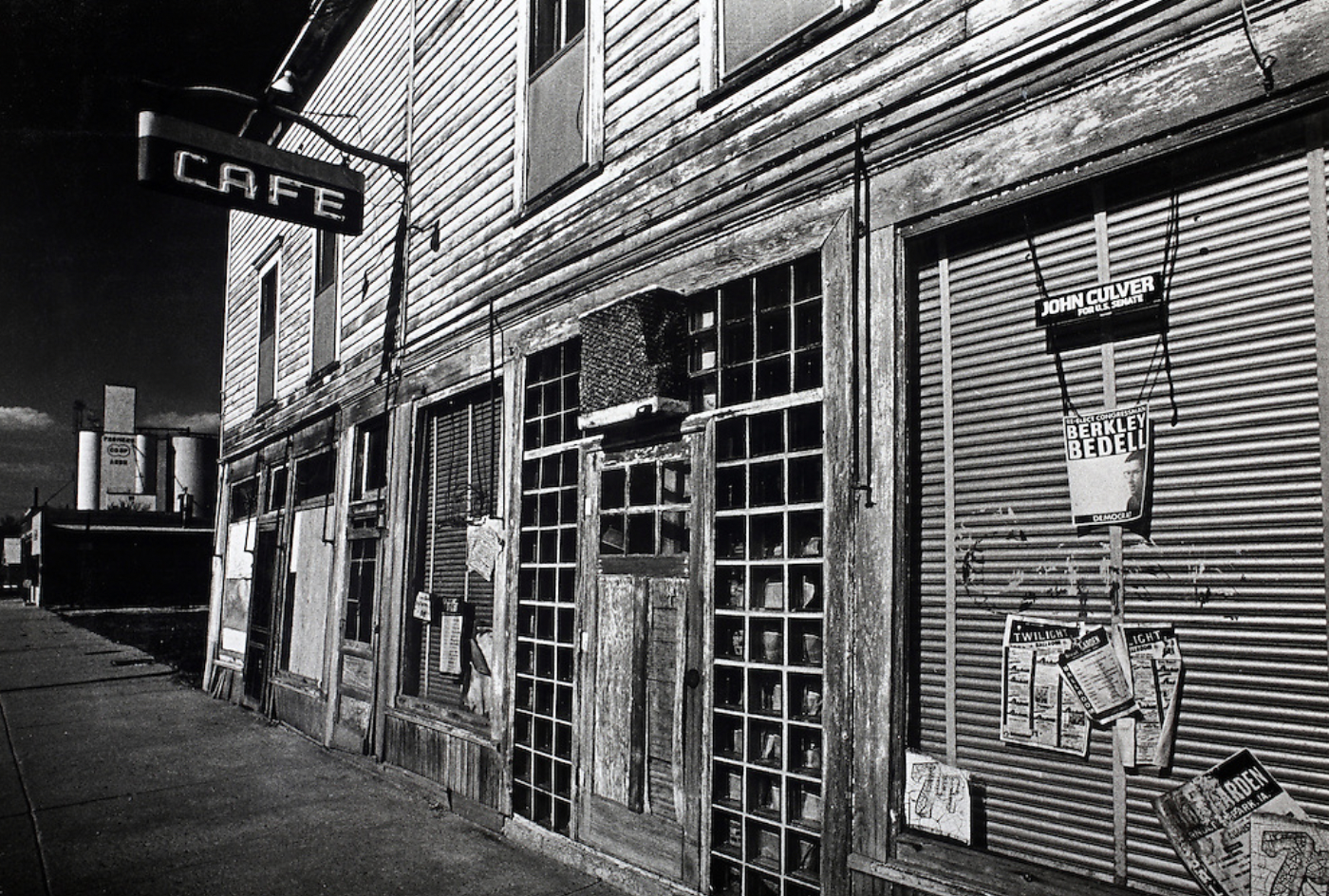
(Peterson, Pulitzer Prize Farm Crisis Collection, 1986)
"Our little towns are dying. Now we've lost our restaurant. All we have left is a co-op and a beer hall, and it looks like the beer joint may go too."
-Mr. Lettow (New York Times, 10 February 1985)
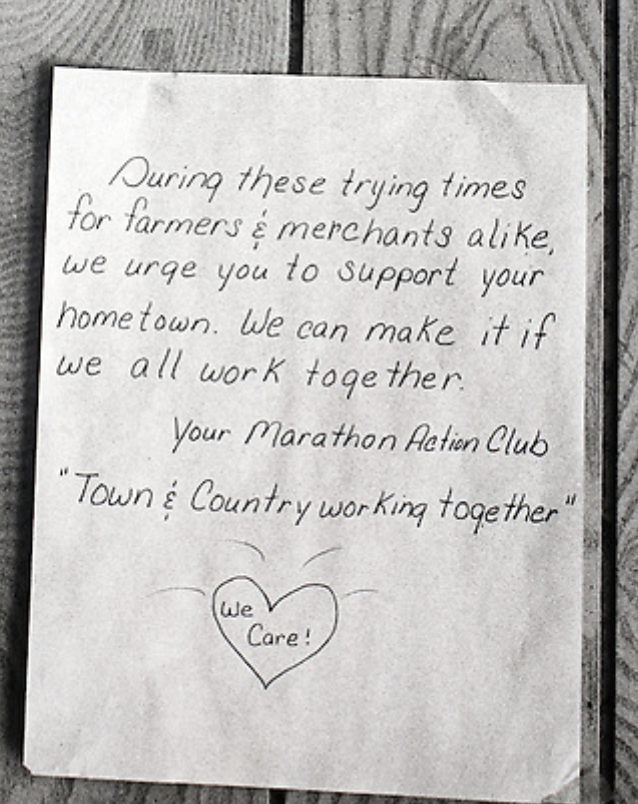
(Peterson, Pulitzer Prize Farm Crisis Collection, 1986)
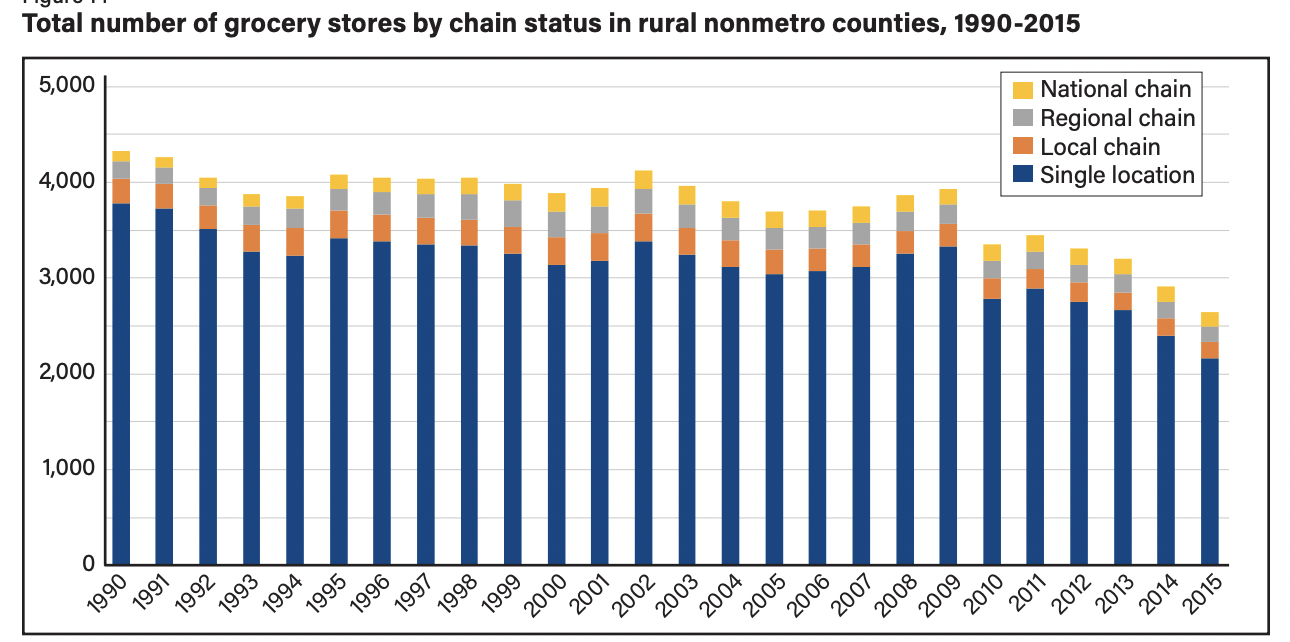
(USDA, Economic Research Service, data from National Establishment Time Series from 1990 to 2015)
Future Uncertainty
The massive population exodus that followed the farm crisis greatly dimmed rural prospects for a better tomorrow. This trend severely impacted congressional representation from midwestern states, which collectively lost thirty-one U.S. House seats over a fifty-year period.

(New York Times, 8 January 1989)
"In the absence of the people who are the ones who live and work in rural communities being involved in policy decision processes, real change or real solutions won't be found."
-Rural Practitioner, Western Region (Carsey Institute, June 2007)
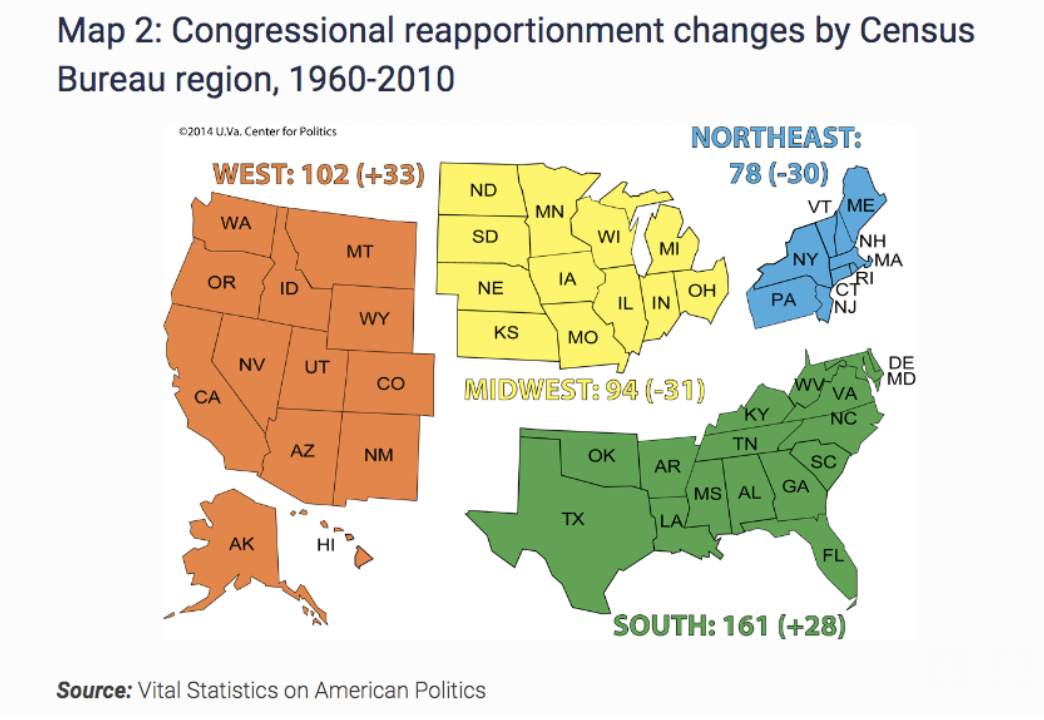
(UVA Center for Politics, Vital Statistics on American Politics, 6 March 2014)
As a result, rural American input and influence over political platforms and issues of rural importance has been severely curtailed, and with it, hope for a better tomorrow in America's heartland.
"For too many Americans in our family farms and small communities all over the heartland, for too many Americans the sun is setting and the American dream is dying."
-Former U.S. Senator (IA) Tom Harkin (Tipton County Tribune)