New Medicine
Many researchers and medical experts today continue what Dr. Goodman and Dr. Gilman began almost a hundred years ago with chemotherapy. The invention of chemotherapy inspired the invention of new remedies that all take a different approach in treating cancer. They take what chemotherapy has started and take it to whole new levels of efficiency and success.
Liposomal Doxorubicin
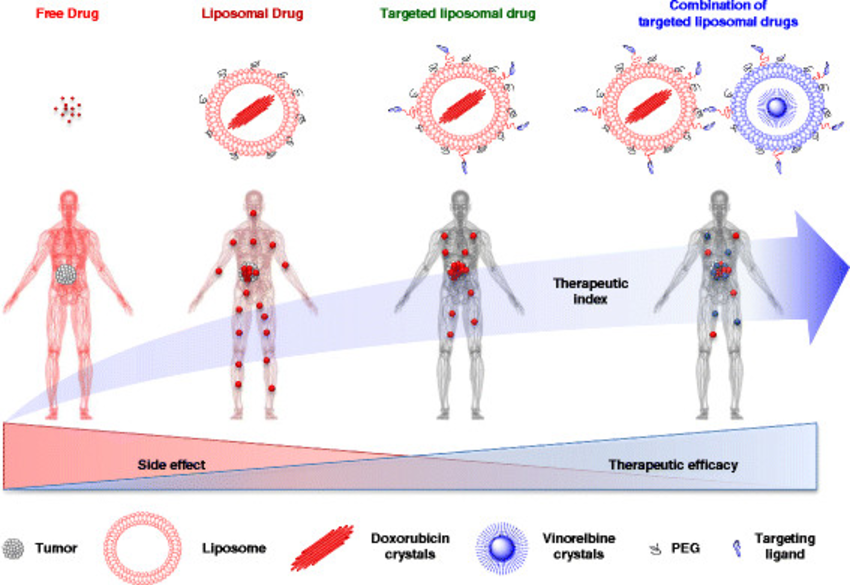
Liposomal Doxorubicin's Effect During Combination Chemotherapy. Research Gate. 2016.
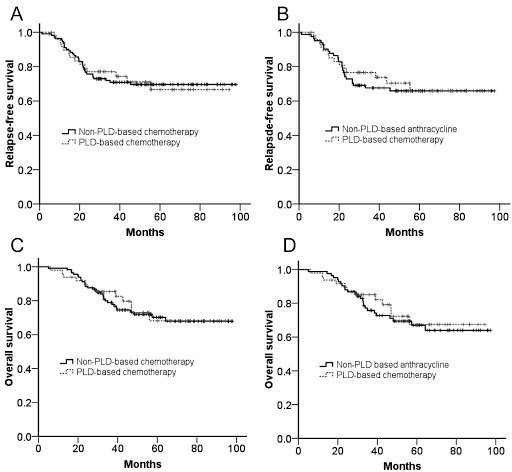
Liposomal Doxorubicin Based Chemotherapy Compared to Non-Liposomal Doxorubicin Based Chemotherapy. Anti-Cancer Research. 2014.
Early chemotherapy drugs were toxic to the body because not only would it kill cancer cells, but healthy cells as well. Researchers developed a new chemotherapy drug called liposomal doxorubicin that was approved by the FDA in 1995.
Liposomal Doxorubicin is a drug that limits the side effects of chemotherapy as it is encased in a mircoscopic fat bubble that is released at the tumor on sight. This innovation targets a specific cancer tumor, making the treatmeant less toxic for the patient. The main componet of the drug are phospholipids. It is biodegradable and minimizes the exposure to normal tissue.
Immunotherapy
“Traditionally we’ve treated cancer by attacking it with chemotherapy and radiation or by removing it by surgery. But there’s a new way, instead of attacking cancer directly we can train the immune system to attack it. This new treatment is called immunotherapy.”
- How does cancer immunotherapy work?, MD Anderson Cancer Center
Immunotherapy: How the Immune System Fights Cancer
Personalized Vaccines
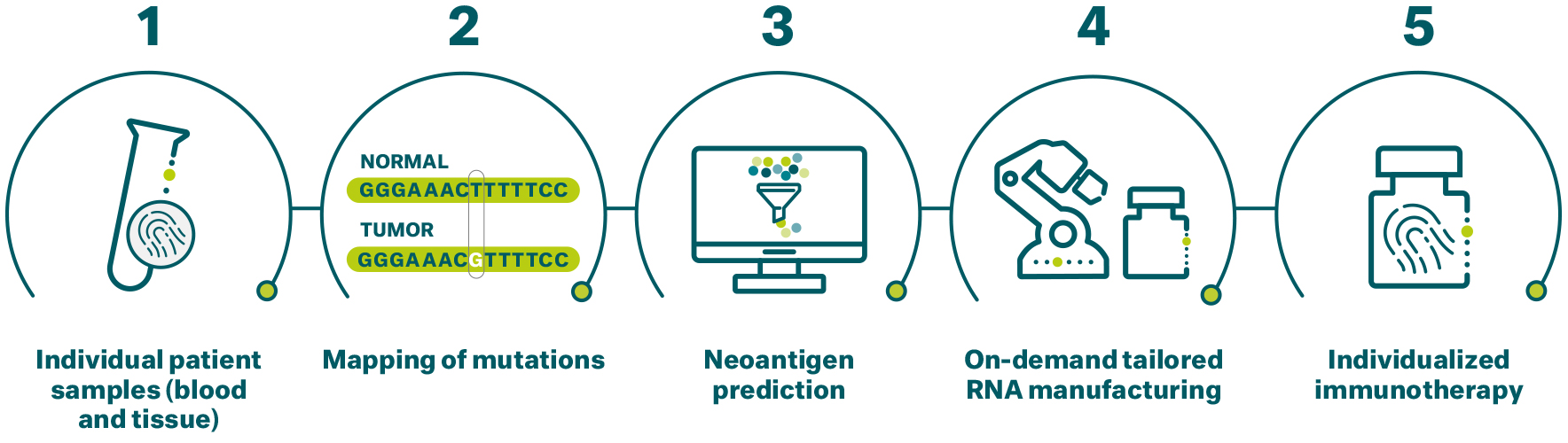
Individualized Neoantigen Specific Immunotherapy, Biontech.
Cancer vaccines are designed differently for each and every patient which is ran through a trial. In Gentech, a trial called iNeST tries to figure out individuals neoantigens and by doing so they try to produce high-affinity immune T-cell responses against cancer.