War on Poverty - Gallery

WAR ON POVERTY

~~~ Communication through History ~~~

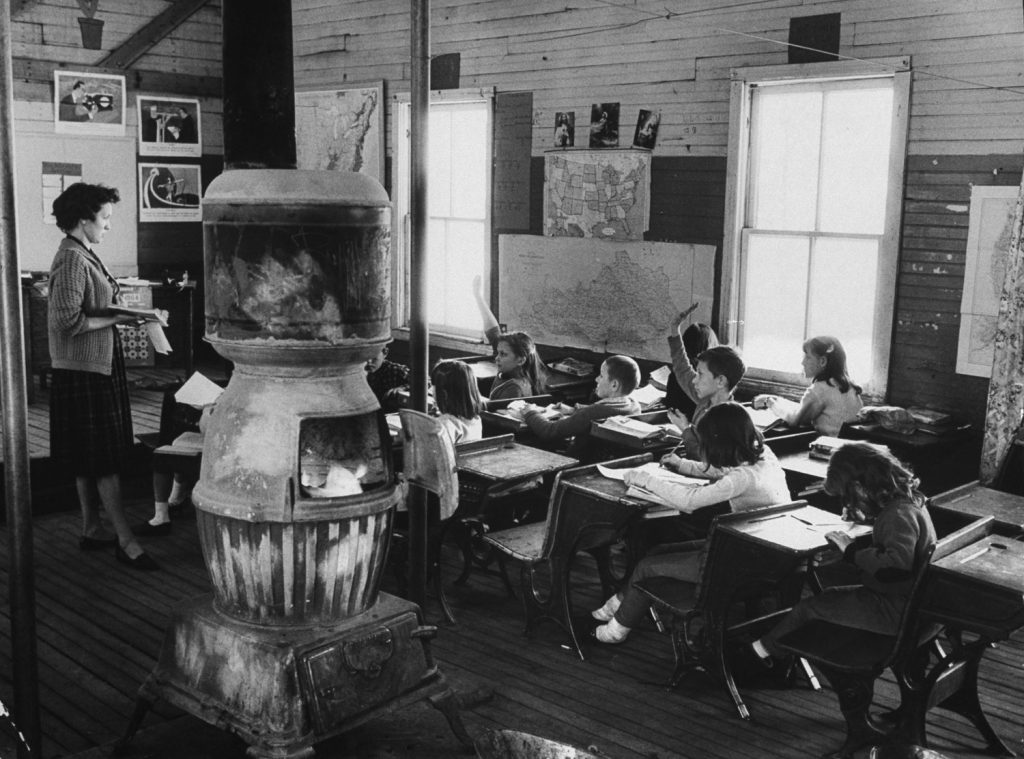
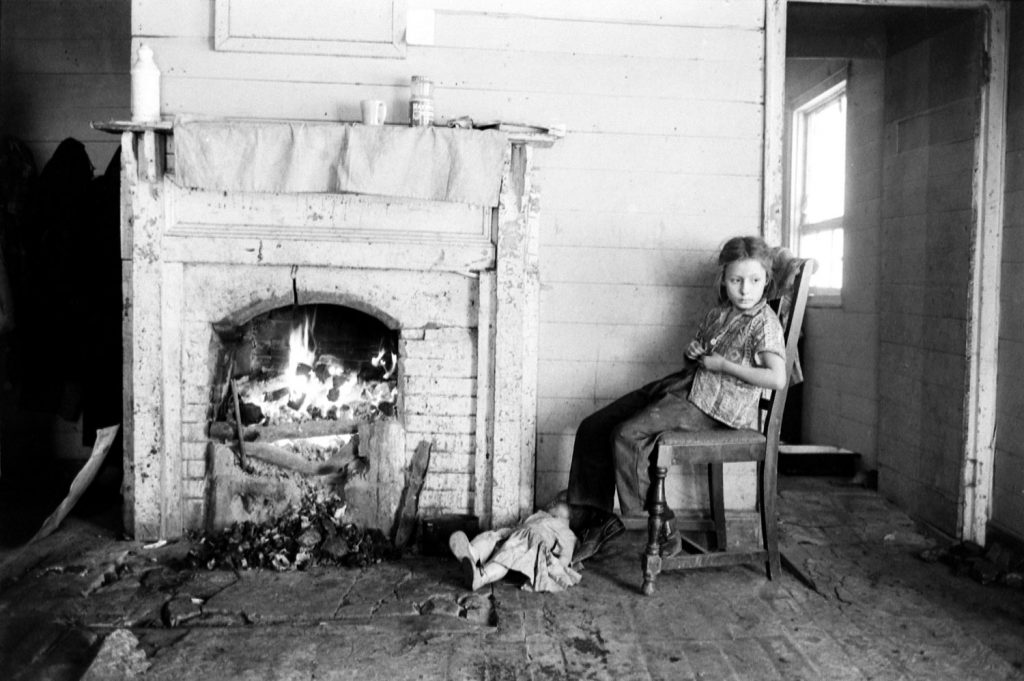
[ Image Courtesy:Portraits From an Appalachia ]

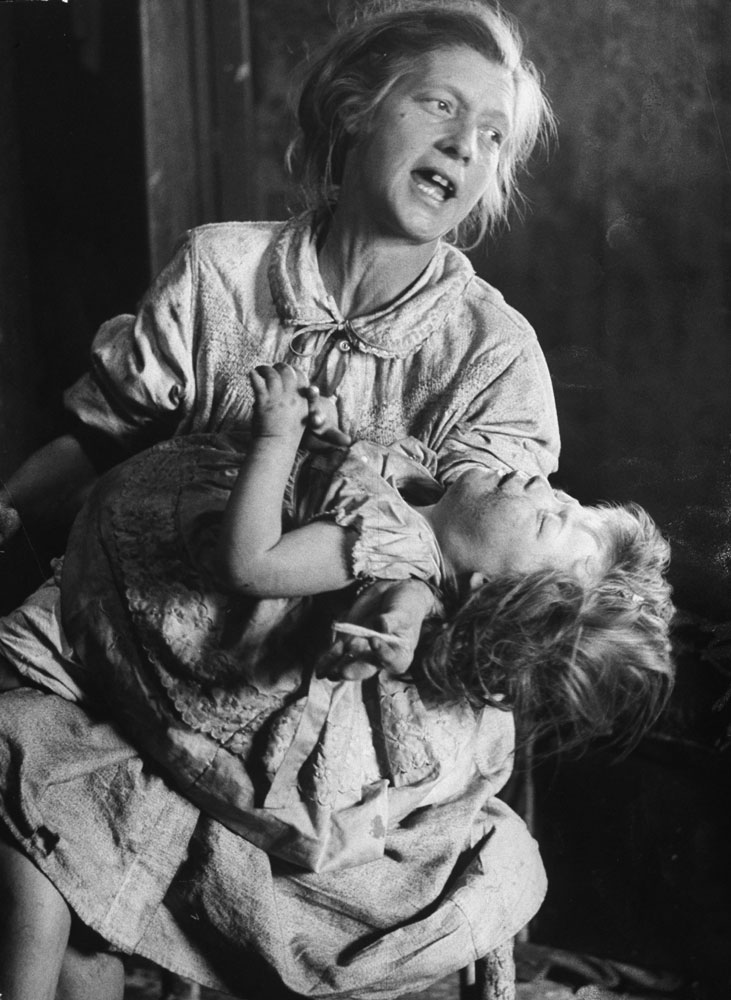
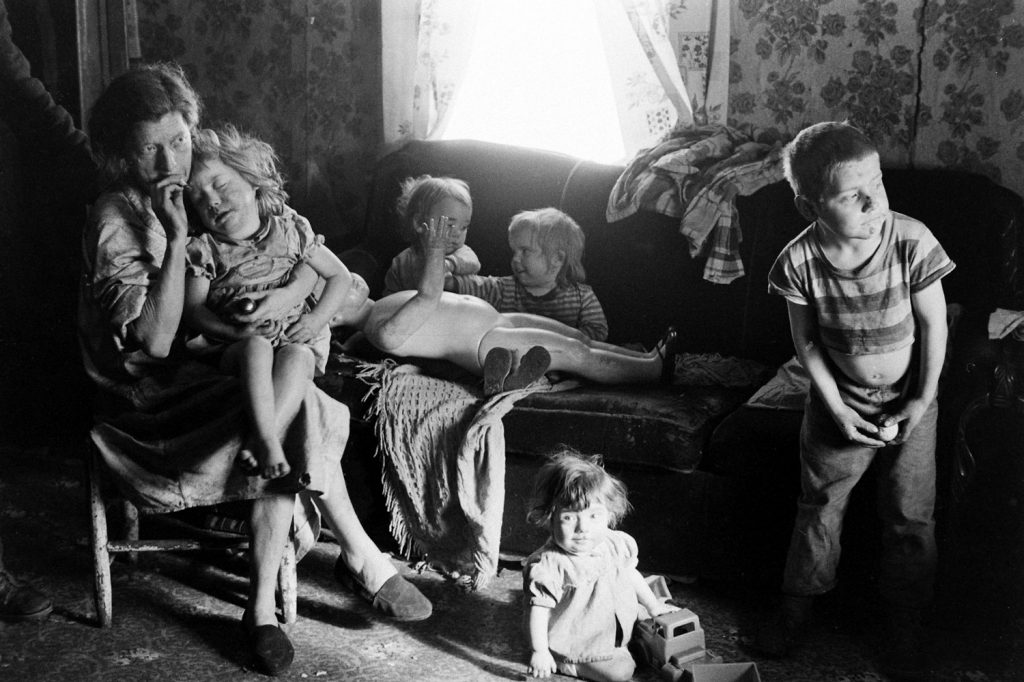
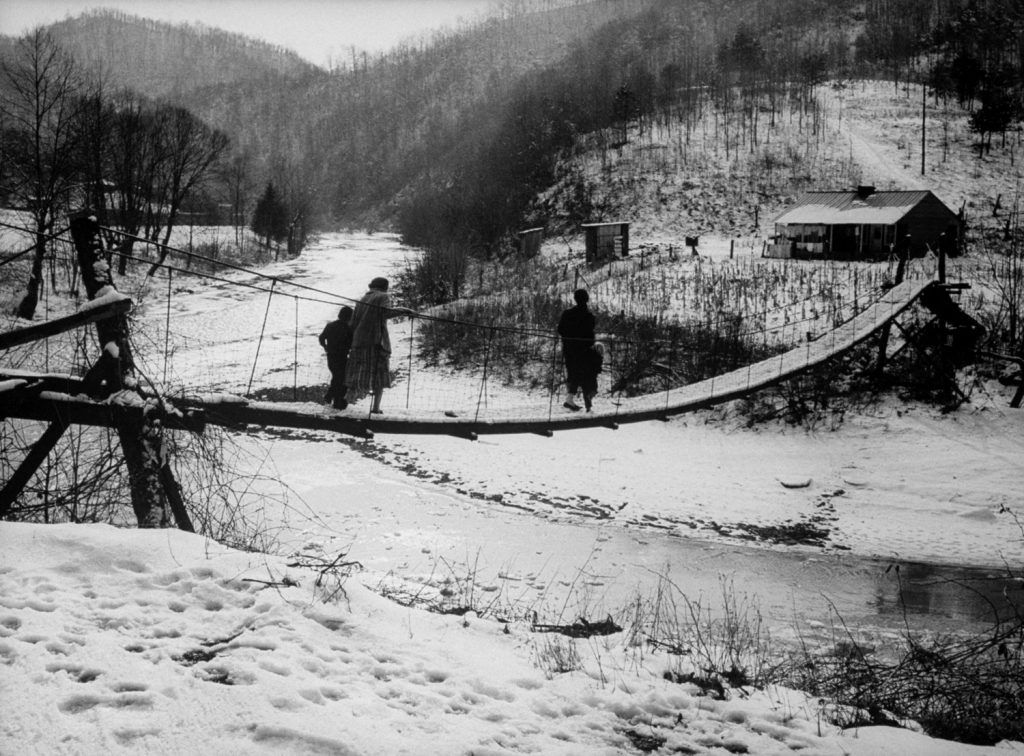
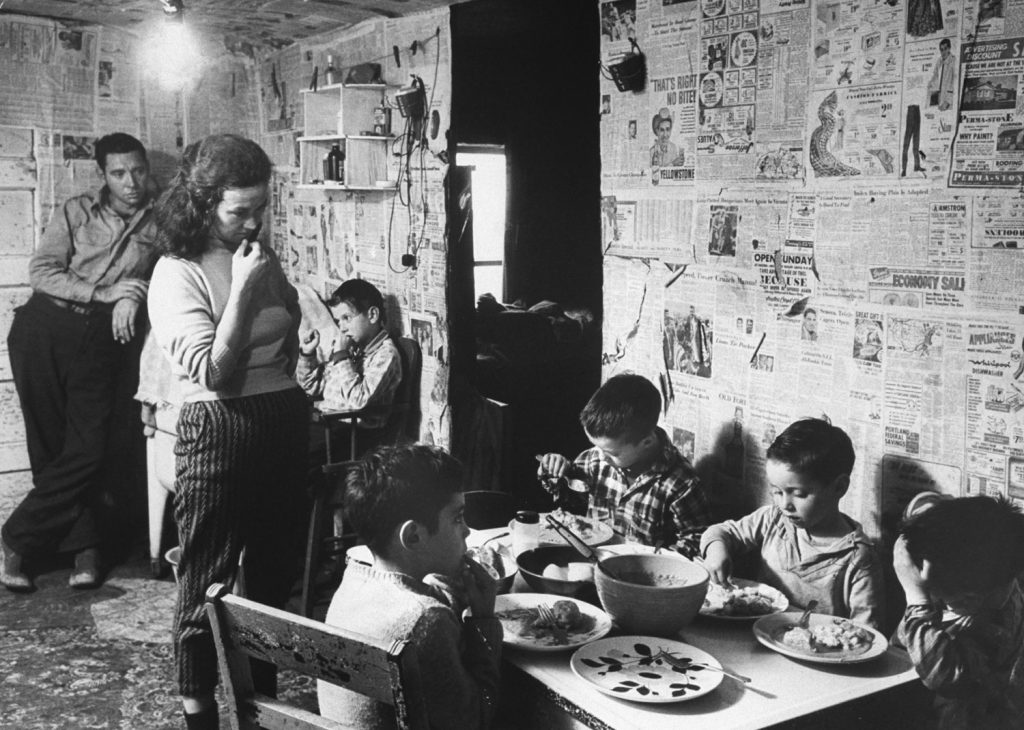
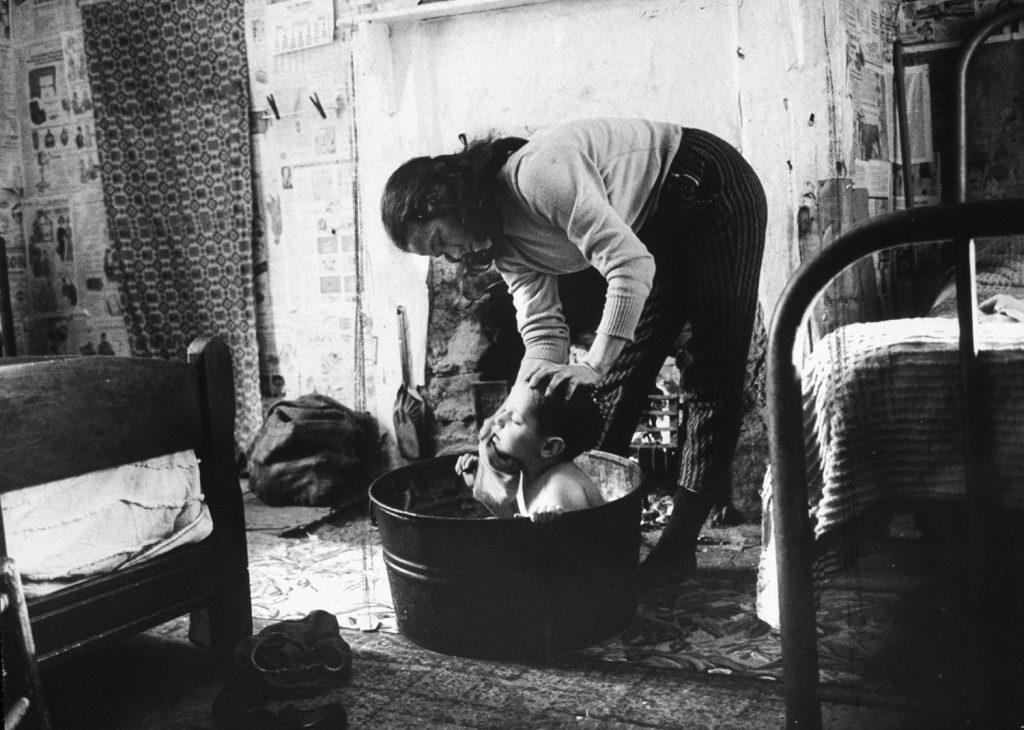
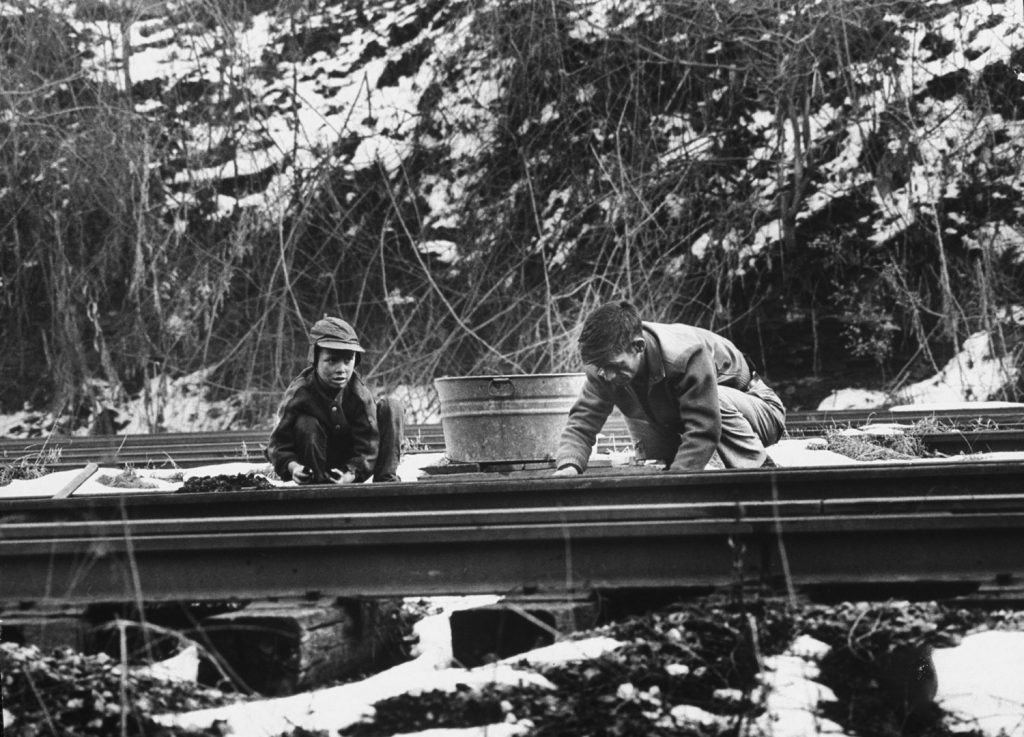
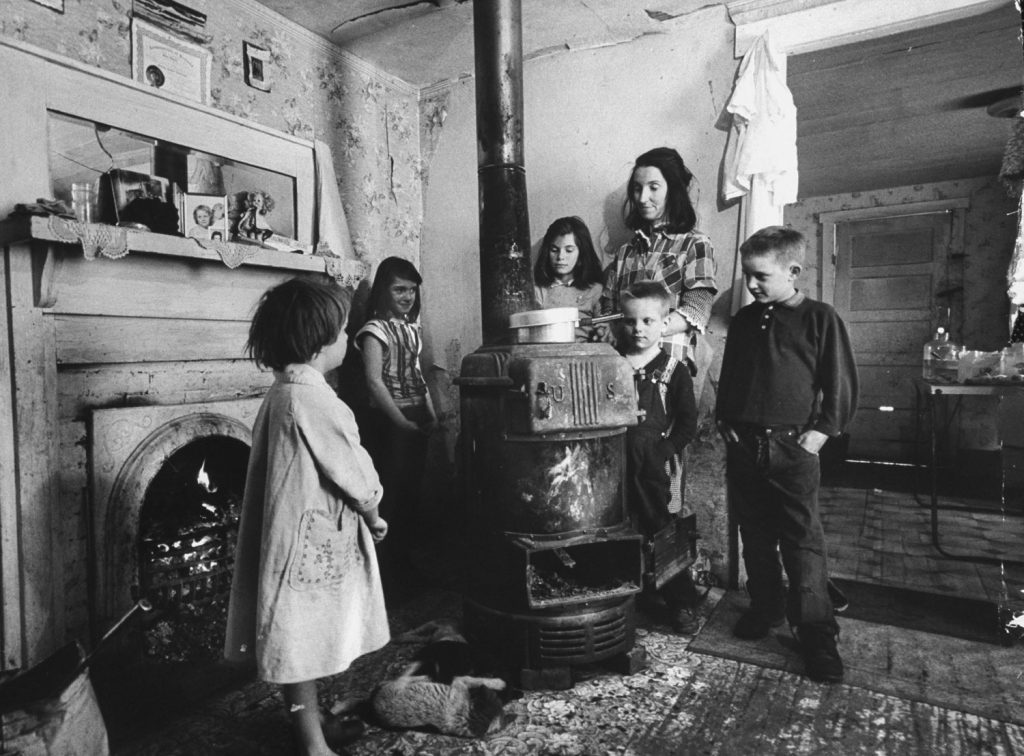
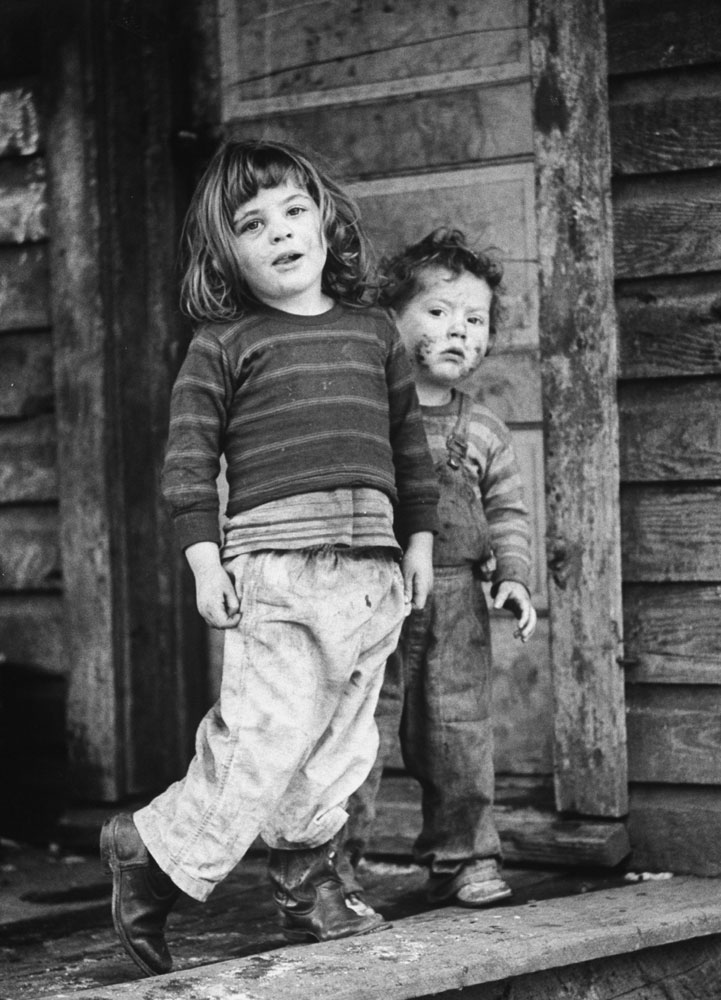
Portraits From an Appalachian Battleground, 1964

“‘The Valley of Poverty,’ illustrated with some of the most powerful and intimate photographs of Dominis’ career, served (and still serves today) as an indictment of a wealthy nation’s indifference.”- LIFE

During this time, the LIFE corporation was the most influential magazine company, due to its talented photographers and journalists. They had the ability to show the public the challenges faced and the lives at stake.  “Their homes are shacks without plumbing or sanitation. Their landscape is a man-made desolation of corrugated hills and hollows laced with polluted streams. The people, themselves often disease-ridden and unschooled are without jobs and even without hope.”
war on poverty in history

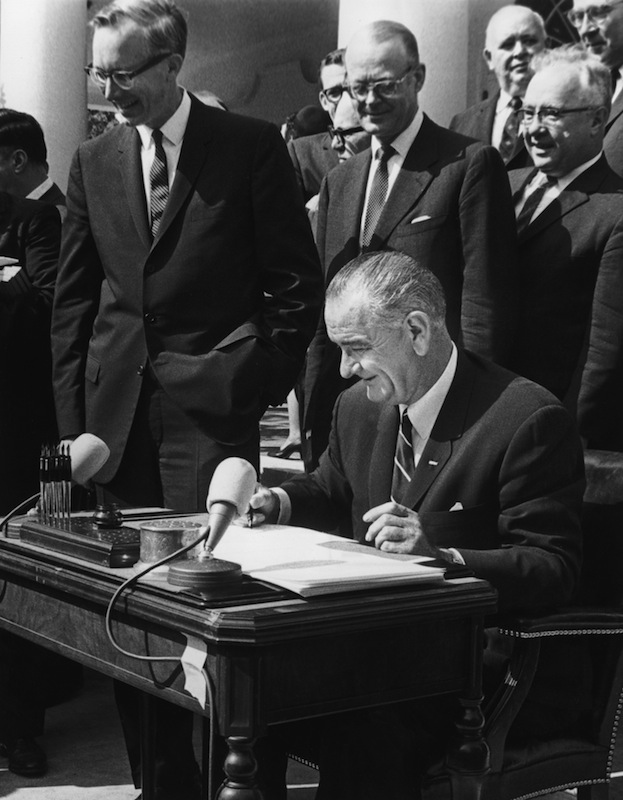
The War on Poverty connects with communication through the photographs of the TIME magazine media. The TIME magazine corporation has took various photographs displaying the “Other side of America”, while accompanying President Johnson on his observation trip to the Appalachia. Communication through history is about how people exchange thoughts and ideas one to another. Millions of people have opinions of poverty, and each one can be different. The actions taken to decline poverty rates have helped through the future.

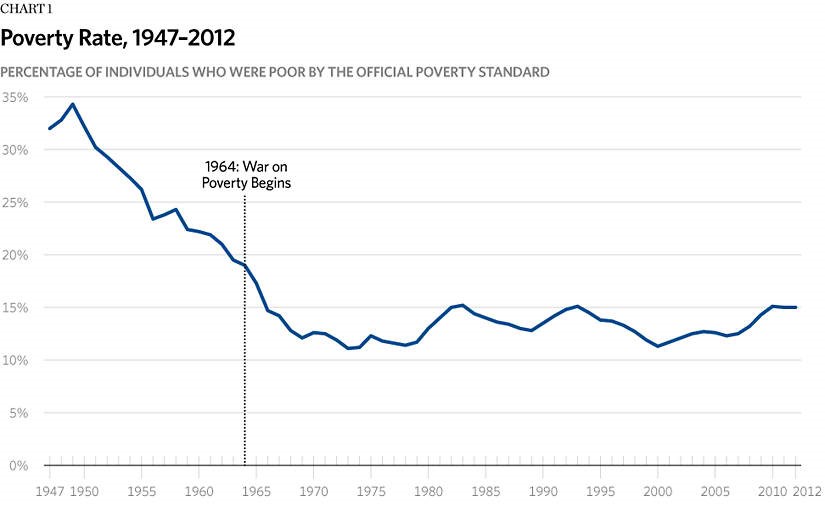
“We think there are better solutions to fighting poverty because we see what the War on Poverty has produced. It produced tens of trillions of dollars in spending. It has been a 51-year exercise, and yet the poverty rates in America today are not much better than when we started the War on Poverty.” - Paul Ryan

[ Image Courtesy:  Time Magazine ]


[ Image Courtesy:The Heritage Foundation ]

Poverty rate:  1947-2012

On January 1964, President Johnson officially declared “unconditional war on poverty in America.” 50 years later, $22 trillion dollars were spent on anti-poverty organizations. Due to the spending, the poverty rates have been reduced immensely. Improvements such as shelters, better clinics, and soup kitchens have helped.