The Champaran Satyagraha: A Revolution in Resistance
The Refusal
Gandhi’s revolutionary refusal to leave Champaran against government orders was an act of civil disobedience.
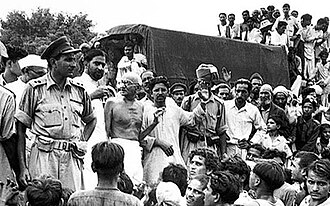
("Rowlatt Satyagraha")
Gandhi received a grand welcome from locals who believed he would save them from the British (Pathak). However, on April 15, the District Magistrate, W.B. Heycock, asked him to leave immediately.
Magistrate:
“If you leave the district now and promise not to return, the case against you will be withdrawn” -W.B. Heycock District Magistrate (Shanker)
→
Gandhi:
“ This cannot be… I shall make Champaran my home and work for the suffering people” -Mahatma Gandhi (Shanker)
Magistrate:
“Your presence in any part of the District will endanger the public peace and may lead to serious disturbance...loss of life…therefore I do hereby order you to leave by the next available train” -W.B Heycock District Magistrate Champaran to M.K Gandhi (Prasad 107)
→
Gandhi:
“I feel it to be my duty to say that I am unable to leave the District…I shall submit to the order by suffering the penalty of disobedience” - Mahatma Gandhi (Prasad 108-109)
After the Refusal
Heycock ordered Gandhi to appear in court for violating Section 144 of the Criminal Procedure Code after his decision to resist removal.
News of Gandhi’s refusal spread through Champaran, and a large group of supportive locals followed him as he walked to court. Heycock delayed the trial and released Gandhi without bail on his promise to return to court when required. Facing immense public pressure, Bihar Govenor Gait then told the administration todrop the case and cooperate in the inquiry, so Gandhi remained in the district to collect evidence.

(“H.E. Sir Edward Albert Gait”)

(Misra & Jha)