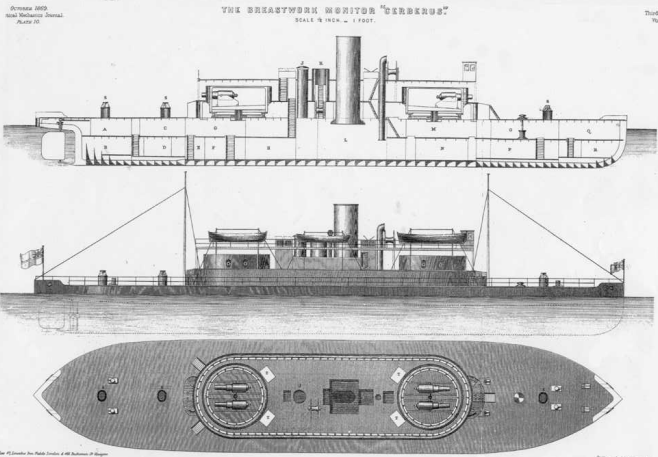
"The Breastwork Monitor Cerberus," The Practical Mechanics Journal, October 1, 1869.


Clary Ray, "United States Steamer Monitor," ca. 1900. U.S. Naval History and Heritage Command.
Technologies introduced by the Monitor can be found on subsequent naval vessels as countries improved ironclads and eventually developed battleships and aircraft carriers.
Invented in 1866, breastwork monitors improved upon monitor designs by adding a superstructure that protected the engine and turrets.
"The Breastwork Monitor Cerberus," The Practical Mechanics Journal, October 1, 1869.
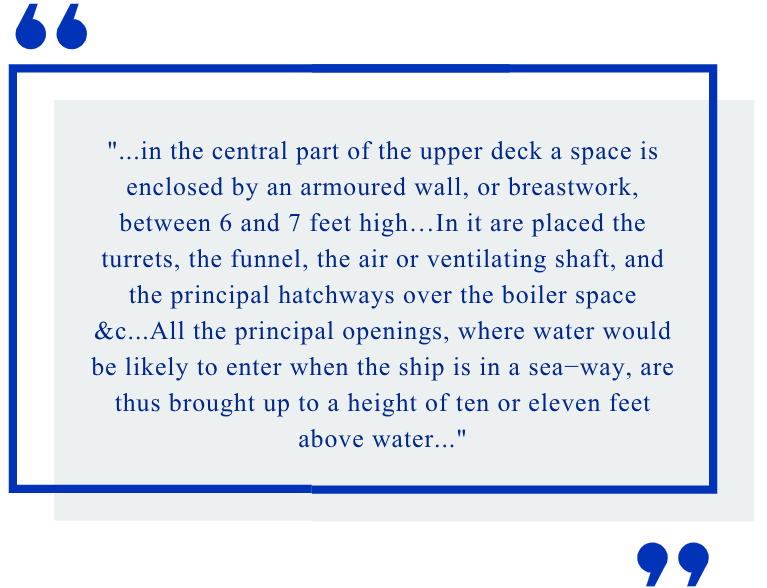
"The Breastwork Monitor Cerberus," The Practical
Mechanics Journal, October 1, 1869.
The turreted HMS Devastation (1871) was the first seagoing ship without sails.
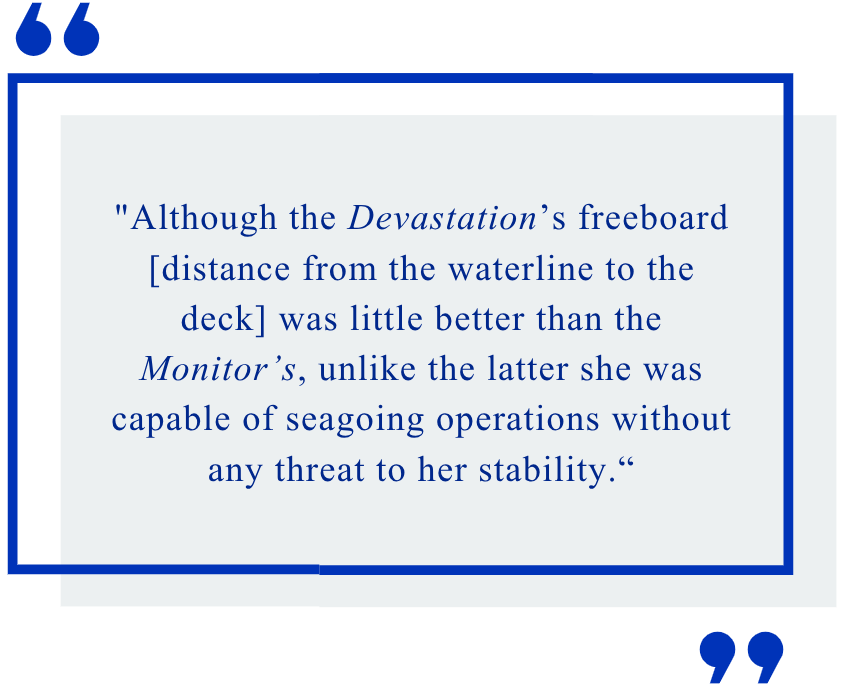
Bruce Taylor, "A Global Phenomenon," June 2020.
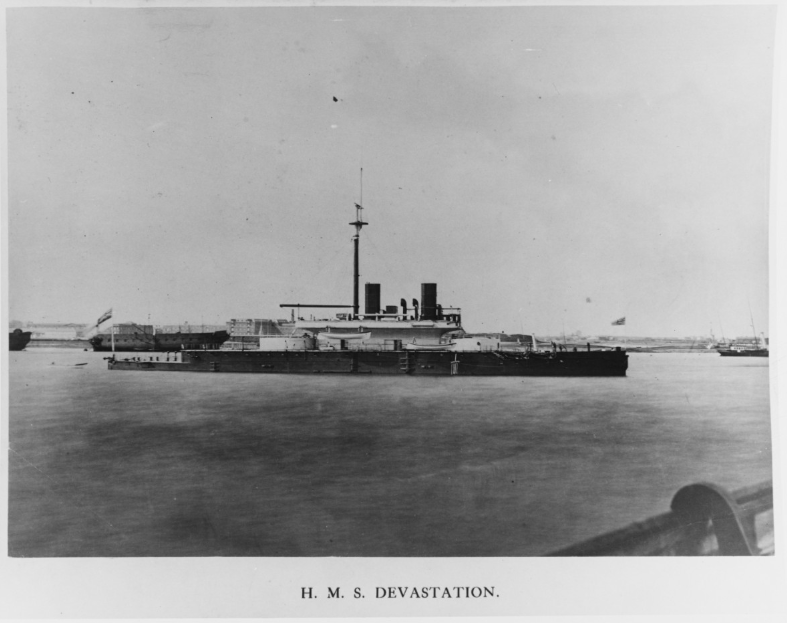
"HMS Devastation," 1877. U.S. Naval History and Heritage Command.
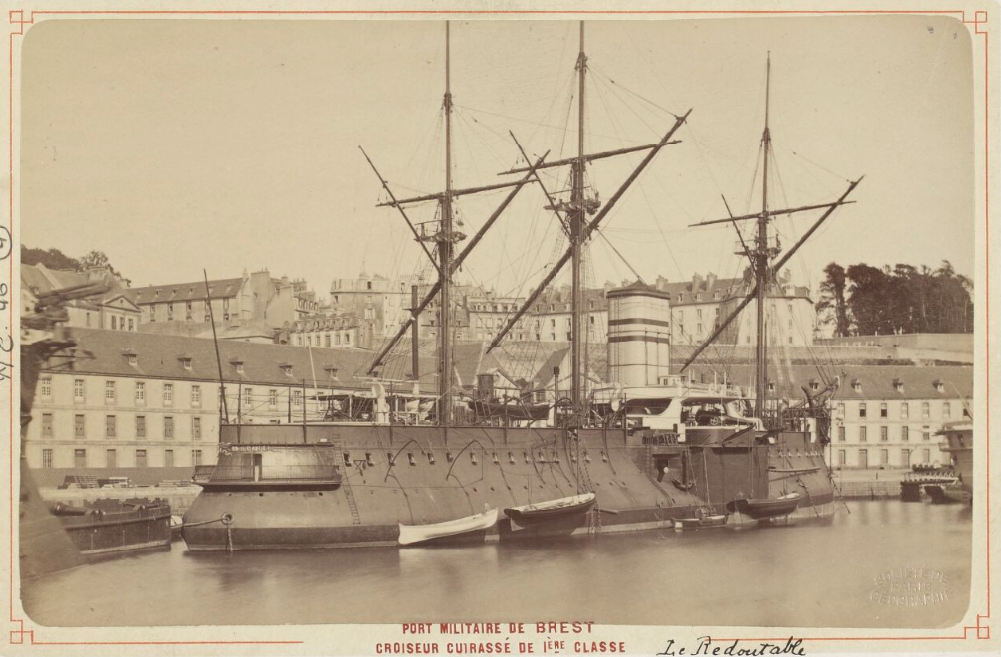
James Jackson, "Port Militaire De Brest Croiseur Cuirassé Le Redoutable," 1882. Gallica.
The French Redoutable (1876) was the first ship with steel armor.
Considered the first “modern battleship,” HMS Dreadnought changed naval design in 1906 with its steam turbines and ultra-heavy guns. For some time afterwards, battleships were called "dreadnoughts."
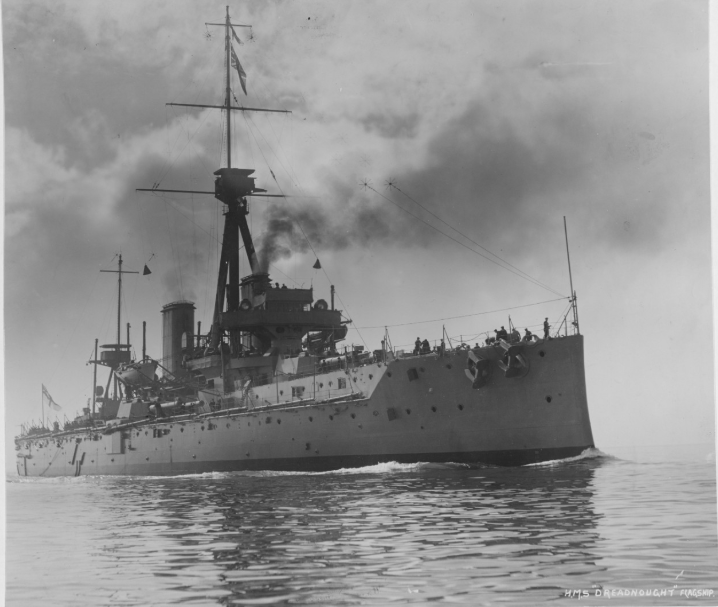
"HMS Dreadnought Flagship." n.d. U.S. Naval History and Heritage Command.
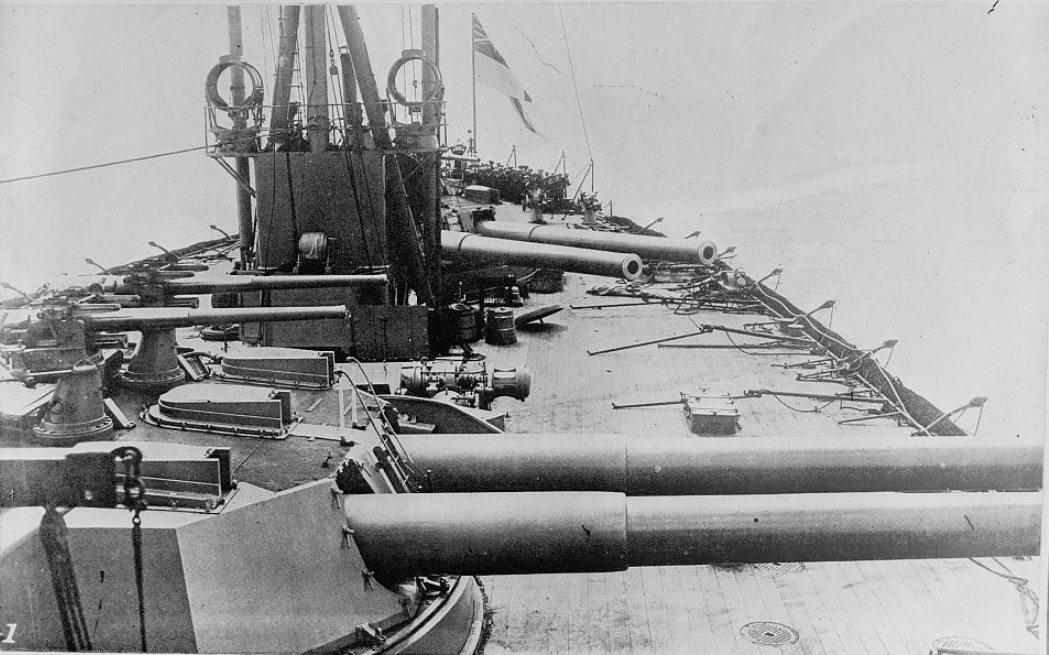
"Quarterdeck of Dreadnought Cleared for Action," ca. 1910-1915. Library of Congress.
However, aircraft carriers superseded battleships and replaced ship-to-ship battle with aerial combat in World War II.
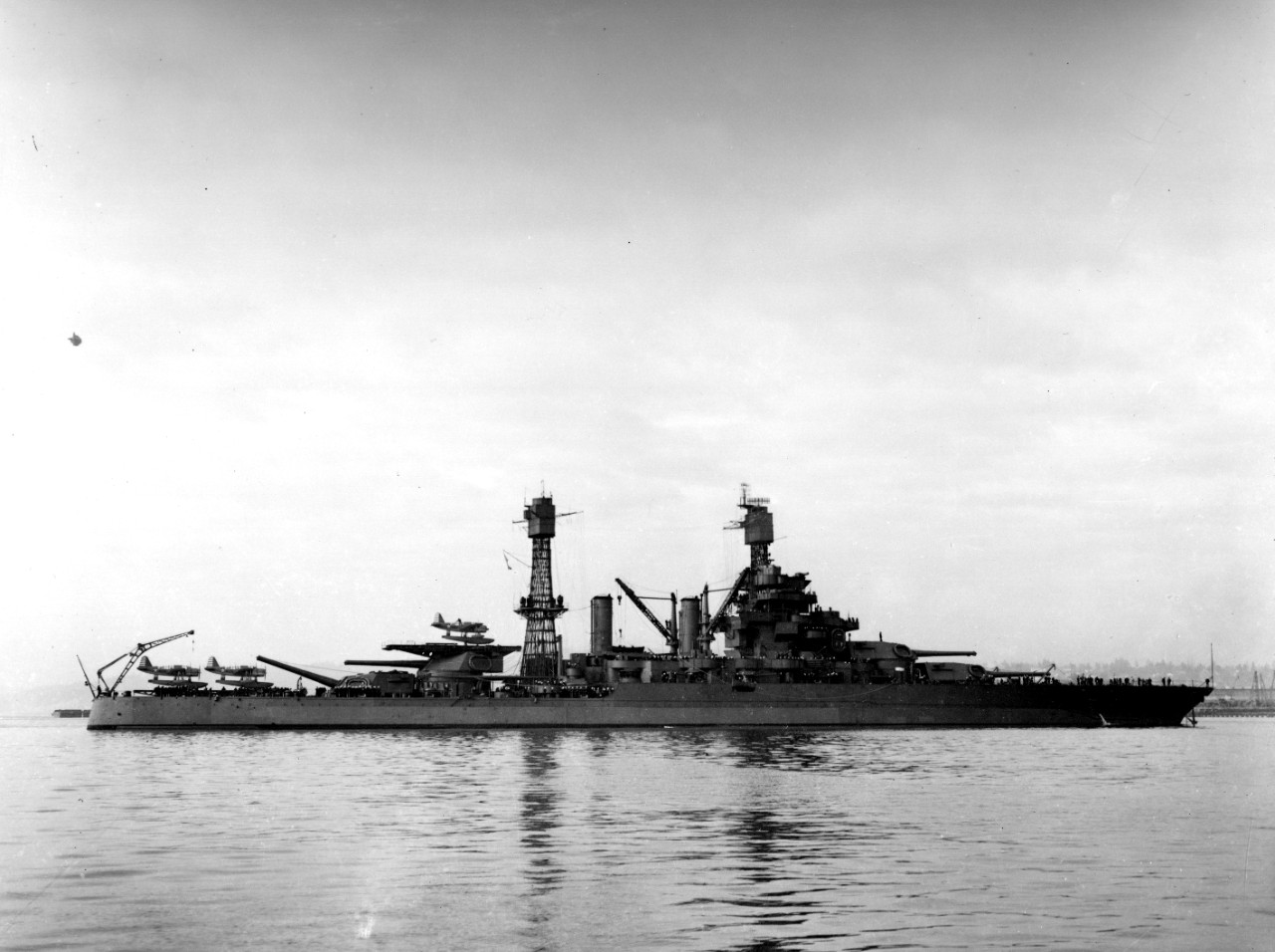
"USS Colorado (BB-45)." February 9, 1942. U.S. Naval History and Heritage Command.
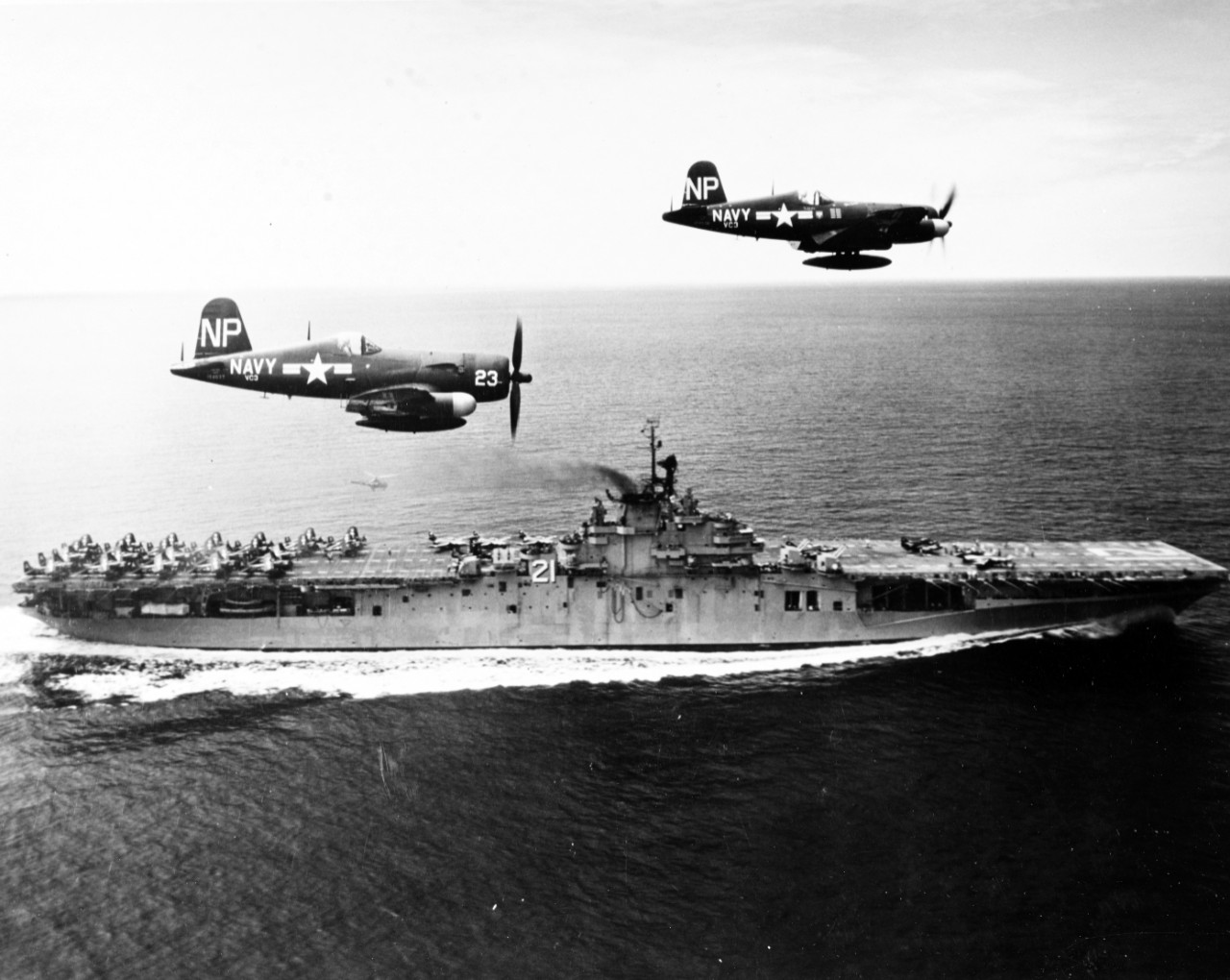
"USS Boxer (CV-21)." September 4, 1951. U.S. Nava History and Heritage Command.
"Naval warfare changed dramatically in World War II…The most significant operational change caused by the war was the shift in emphasis as the aircraft carrier replaced the battleship as the primary capital ship. The range and flexibility of aircraft...forced the combatants to rely on carrier airpower in lieu of battleships."
Stephen J. Ramold, "Naval Development from 1850 to Present," 2023.
Yet the Monitor’s legacy lives on in rotating naval guns, an ever-present link to the Monitor’s turret.
Interview with Tāne Casserley, the Research, Resource Protection, and Permit Coordinator of the Monitor National Marine Sanctuary, April 6, 2026.
The Monitor, and what it accomplished back in 1862, is responsible for the type of navy we have today, with metal hulled ships, and every single gun on these ships can be traced back to the Monitor, because every single gun can now move and pivot and turn independently from the ship itself, and that’s all due to the Monitor. And that could be anti-aircraft guns, it could be regular long guns, I mean all those things they all trace themselves back to the Monitor today.
Transcript of interview with Tāne Casserley, the Research, Resource Protection, and Permit Coordinator of the Monitor National Marine Sanctuary, April 6, 2026.
U.S. Navy, "Destroyer Weapons Training," January 4, 2019.
U.S. Navy, "Phalanx Close-In Weapons System (CIWS) in the
Arabian Sea," December 5, 2020.