In a study done by the National Library of Medicine, girls were found to want to stop eating after playing with thin dolls. The study involved many girls varying ages 6-10 to randomly play with either a thin doll (barbie), an average-sized doll, or legos which they labeled as "no doll". Then, the children would take several tests.
Barbie in the 21st Century
In present day, Mattel strives for a more inclusive and representative reputation as of more recent times. Although sources show the positive impact that Barbie has on younger generations, the negative impacts have still been shown even after Mattel changed their appearance.
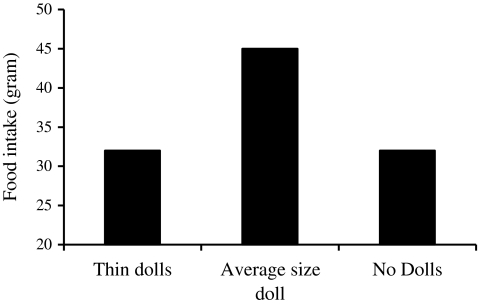
Curtesy of Cambridge University.
“Girls who played with the average-sized doll ate significantly more food than girls in other exposure conditions. Although no support was found for the assumption that playing with thin dolls influences body image, the dolls directly affected actual food intake in these young girls” (Doeschka J. Anschutz-Professional in Behavior Science).
Mattel's Evolution
Along with the negatives, there is also evidence that Barbie paved the way for women. Barbie has an ever-growing fanbase and as times progress, more women are living independent lifestyles. Due to the backlash, Mattel has began to change their values. Mattel is trying to allow more children to see themselves in Barbie and make a difference. Where the message gets losts is the fact that when you think Barbie you think blonde and skinny rather than diverse.
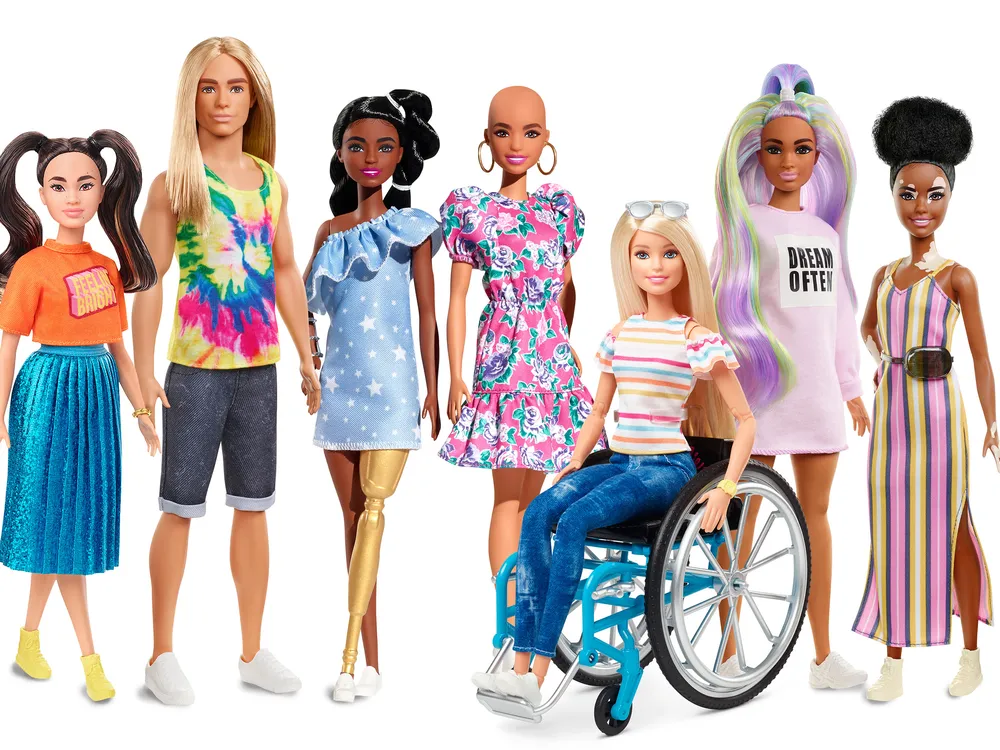
Demonstration of some of the newer, more inclusive Barbies. Curtesy of MATTEL.
"Plus size Barbie is something I wish I had as a little girl, constantly comparing myself to her. I'm so happy to have her."
~ Tiktoker Maddie (Forbes India)
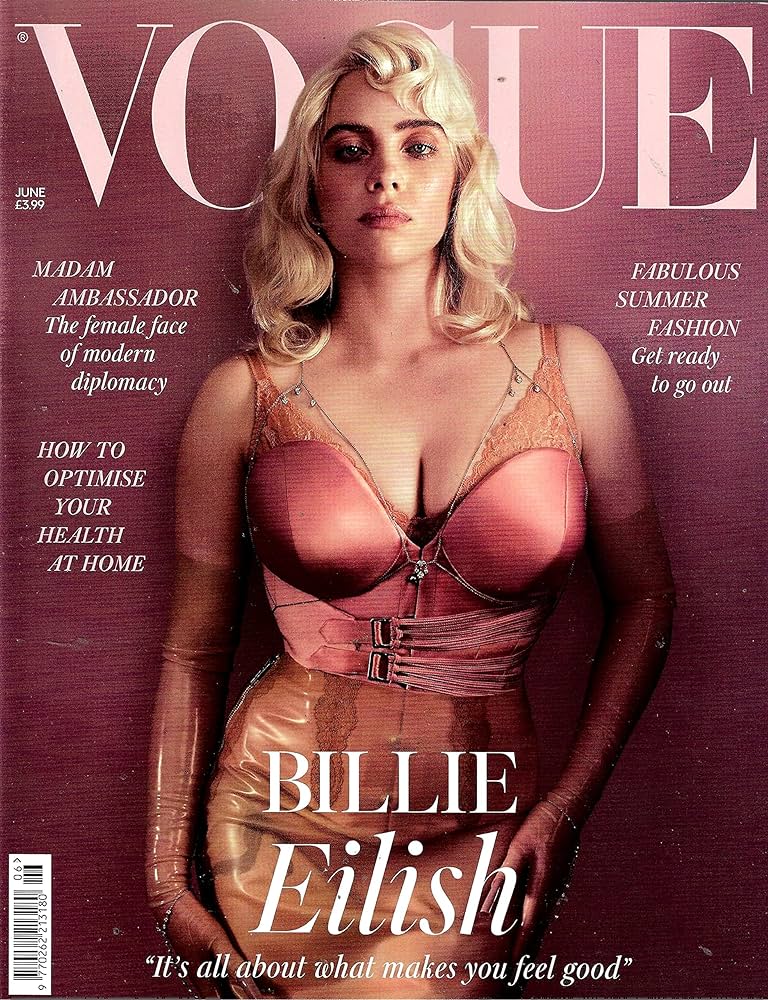
Billie Eilish, previously known for green hair and baggy clothes, dyed her hair blonde and wore tight fitting clothes to go on the cover of vogue. Curtesy of Vogue.
"The Barbie Affect" In Pop Culture
What made Barbies have a bigger affect in the 60s was that alongside the Barbie dolls were models, magazines, and advertisements that showed the same skinny bodies children saw everyday in their dolls. Similarly to baby dolls influencing children to be mothers, smaller dolls influenced children to strive to have a similar body to models they see. Until the media stops pushing these steriotypically "attractive" women, a single piece of plastic that is "inclusive" won't do anything.
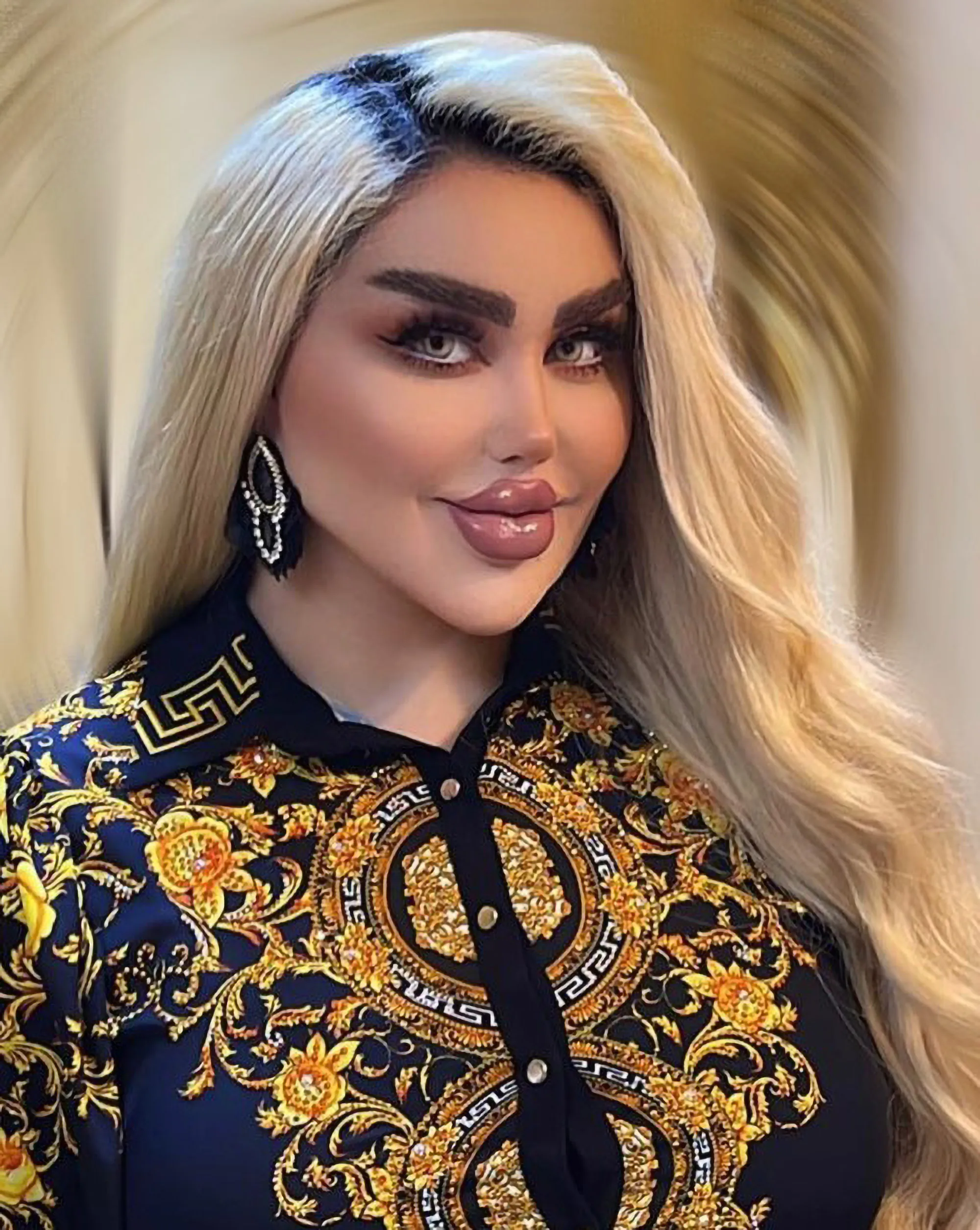
Fun Fact: One women named Dahli Naheem recieved 43 plastic surgeries to look as close to Barbie as possible. (Photo of Naheem to the right). Curtesy of Dahli Naheem.