Barbie stood out on advertisements and campaigns which might have caused its sudden popularity. As expected, Barbie had a lot of positive buzz due to the innovation. However, not all feminists liked the idea.
Short Term Effect:
Barbie VS Feminism in the 1960s
The 1960s and 70s are known as the “2nd Wave of Feminism” and since this was when Barbie was first introduced, women had a lot to say about the unnatural way the doll looked. Feminists believed it was a sex symbol that young children shouldn’t be playing with.
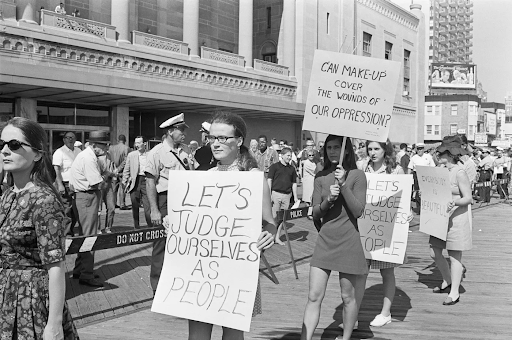
Curtesy 1968 Miss America Protest
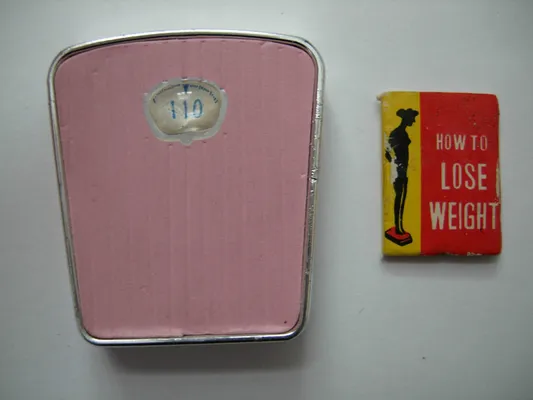
Curtesy 1965
Weight Loss Barbie
In 1965, Mattel created the Slumber Party Barbie. This doll came with a scale set at 110 pounds and a book expaining how to lose weight. Inside the book it said 'Don't eat'.
This Barbie set was not widely accepted by society. However, what is more concerning is how Mattel thought it was appropriate and professional to release this. The truth is, this was a normal things for girls to hear in TV and magazines. Barbie enforced these insecurities.
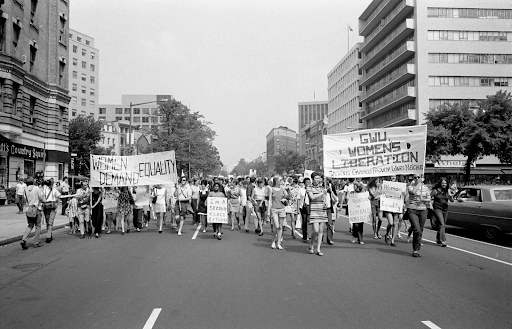
Curtesy of Brittanica
Barbie's Connection to Womens Rights
At the 1970 Women's Strike For Equality, an anonymous young girl under 13 created a poster directly targetting Barbie. The poster read 'I am not a Barbie doll'. Although there is no photo of the original poster, it is credited in many articles including a book writen by award winning journalist, Susan Faludi, titled Backlash published in 1991.
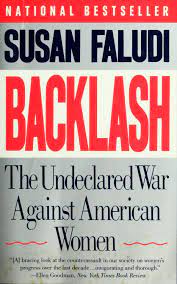
Curtesy of Susan Faludi
“I liked to say that feminism was the simply worded sign hoisted by a little girl in the 1970 Women’s Strike for Equality: i am not a barbie doll."
~ Susan Faludi
Even girls that were Barbie's target age were bringing these problems to national levels. A young girl noticed Barbie's negative impact on her self security and decided to do something about it.