Eritrea's Fight for Independence
Revolution, Reactions, and Reforms
National History Day 2026
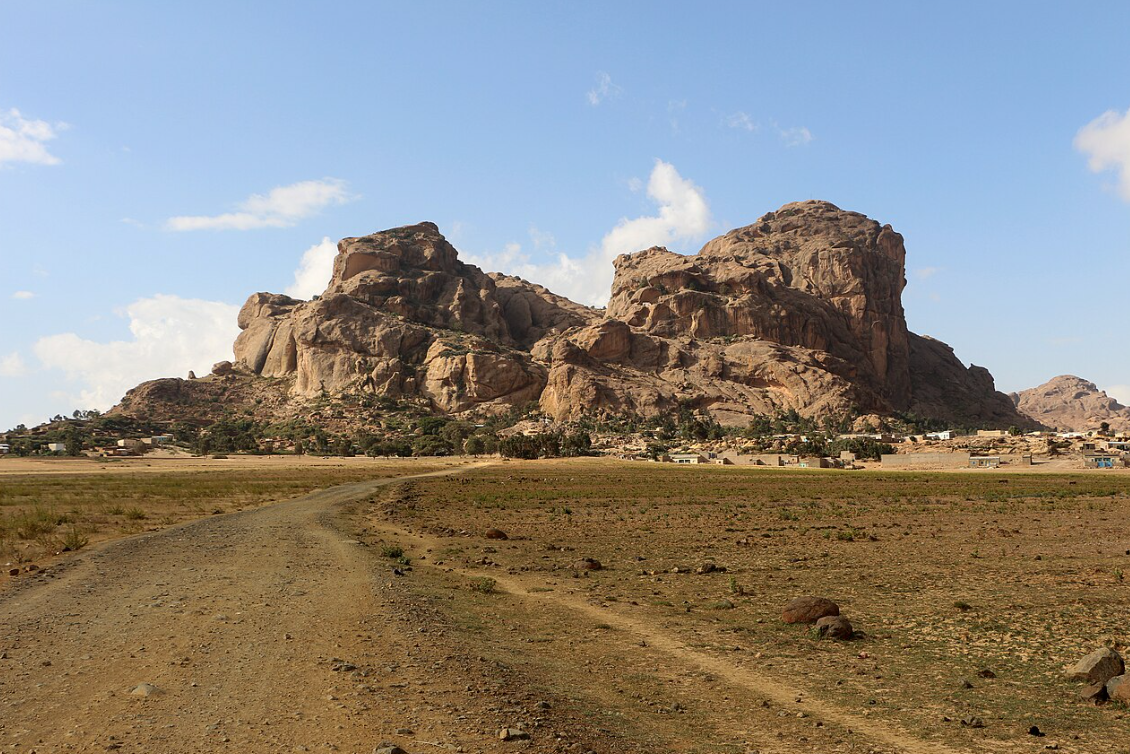
("Massicci Nei Dintorni Di Senafe, 15")
The Dissolution
of the UN Federation
The dissolution of the UN-created federation in 1962 marked the turning point at which reform failed and revolutionary resistance became inevitable.
“Eritrea shall constitute an autonomous unit federated with Ethiopia under the sovereignty of the Ethiopian Crown.”
- United Nations General Assembly, Resolution 390 A (V)
Insert your text here
In 1952, Eritrea did not freely choose union with Ethiopia. The United Nations, influenced by U.S. strategic interests, imposed a federation that placed Eritrea under Ethiopian sovereignty. This arrangement limited Eritrea’s self-rule and laid the groundwork for the systematic dismantling of Eritrean autonomy that followed ( "Eritrea Begins It's War for Independence").
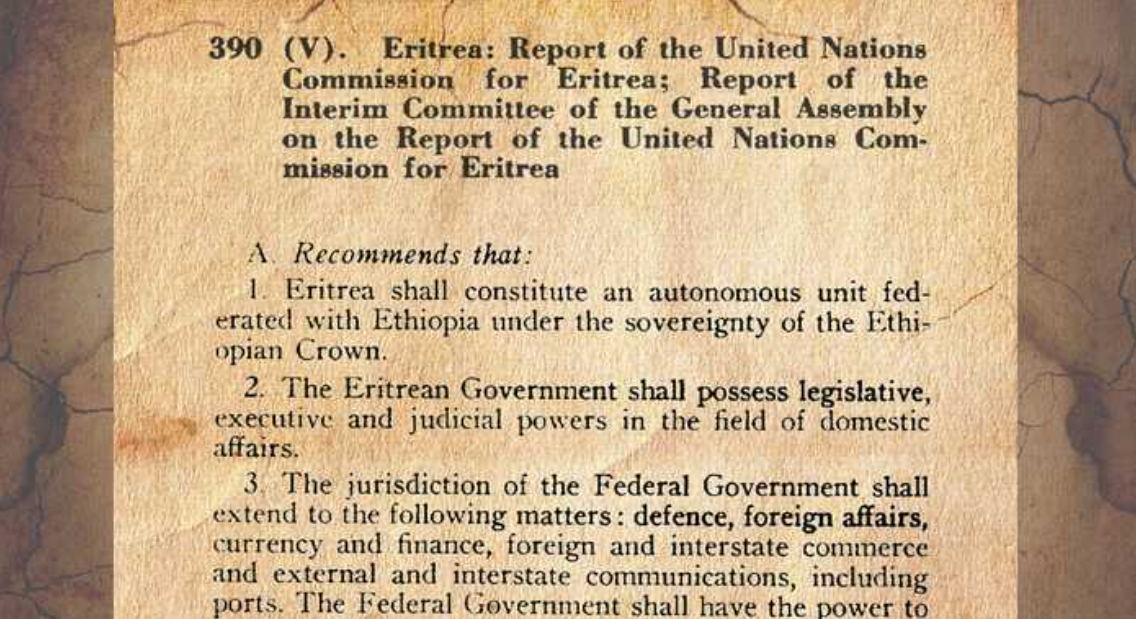
Clipped Image of the Federation (United Nations, Resolution 390 A (V))
“In 1952, the United Nations, bowing to pressure from the United States, made Eritrea a federated state under the partial control of Ethiopia" ( "Eritrea Begins It's War for Independence").
“From the standpoint of justice, the opinions of the Eritrean people must receive consideration. Nevertheless, the strategic interests of the United States in the Red Sea basin make it necessary that the country be linked with our ally, Ethiopia.”
- US Secretary of State, John Foster Dulles, 1950
Although the Eritrean-Ethiopian Federation was created by the United Nations in 1952, it was dismantled by Ethiopia throughout the 1950s. In 1962, Emperor Haile Selassie formally annexed Eritrea as Ethiopia’s fourteenth province, marking the complete collapse of the federation (Law Library of Congress, “Legal Research Guide: Eritrea”).
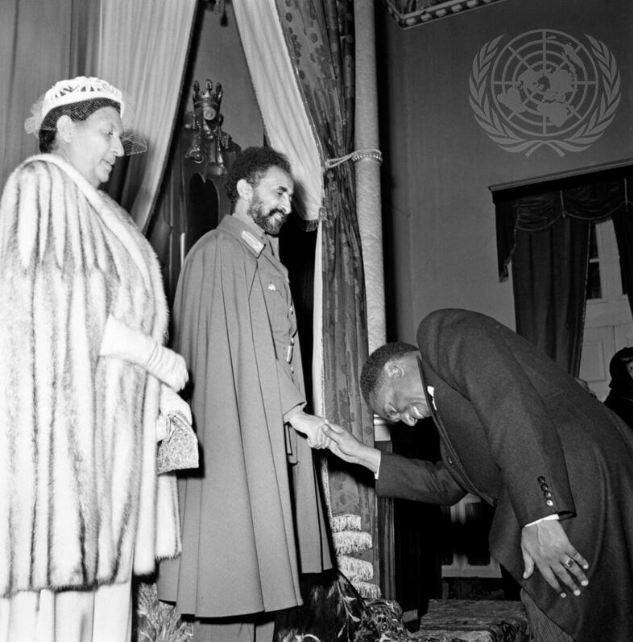
Emperor Haile Selassie at the United Nations during discussions on Eritrea’s federation with Ethiopia, UN Photo / United Nations Audiovisual Library.
"Shortly after the federation, however, Ethiopia initiated a number of actions that were to generate political unrest in Eritrea" ( "Eritrea Begins It's War for Independence").
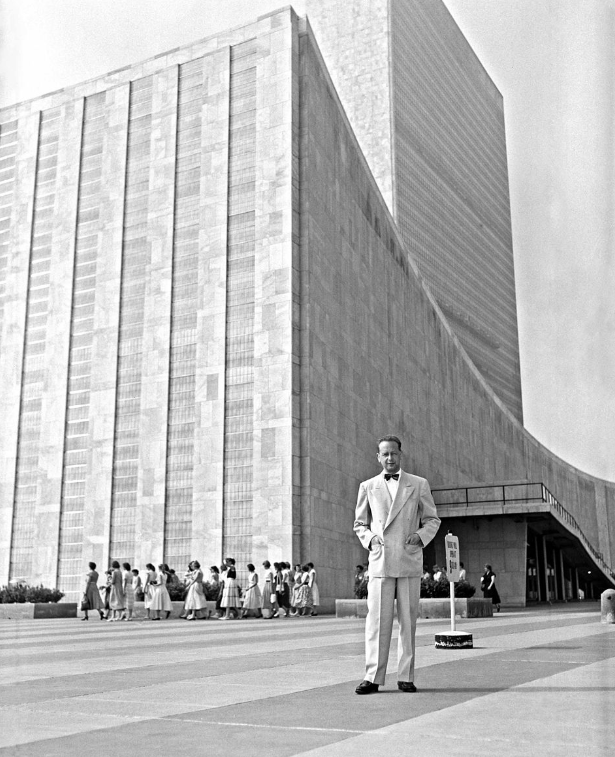
Dag Hammarskjöld, the Secretary-General of the United Nations during the early Cold War period, standing outside of the UN, Courtesy of Wikimedia Commons.
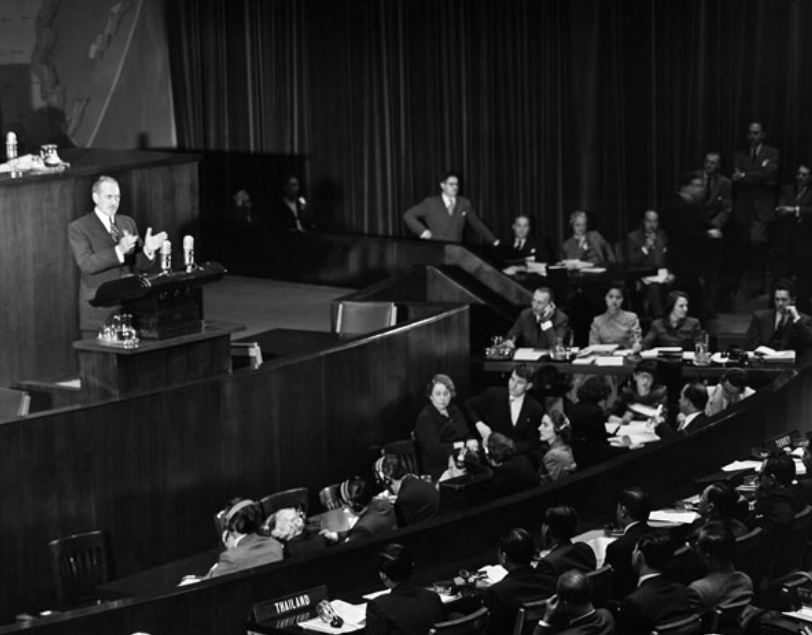
United Nations General Assembly debating the future of countries at war in Resolution 377 (V) (“Uniting for Peace”), UN Audiovisual Library of International Law.