Ethiopian_Government_Repression

Eritrea's Fight for Independence
Revolution, Reactions, and Reforms
​​​​​​​National History Day 2026

Ethiopian Government Repression

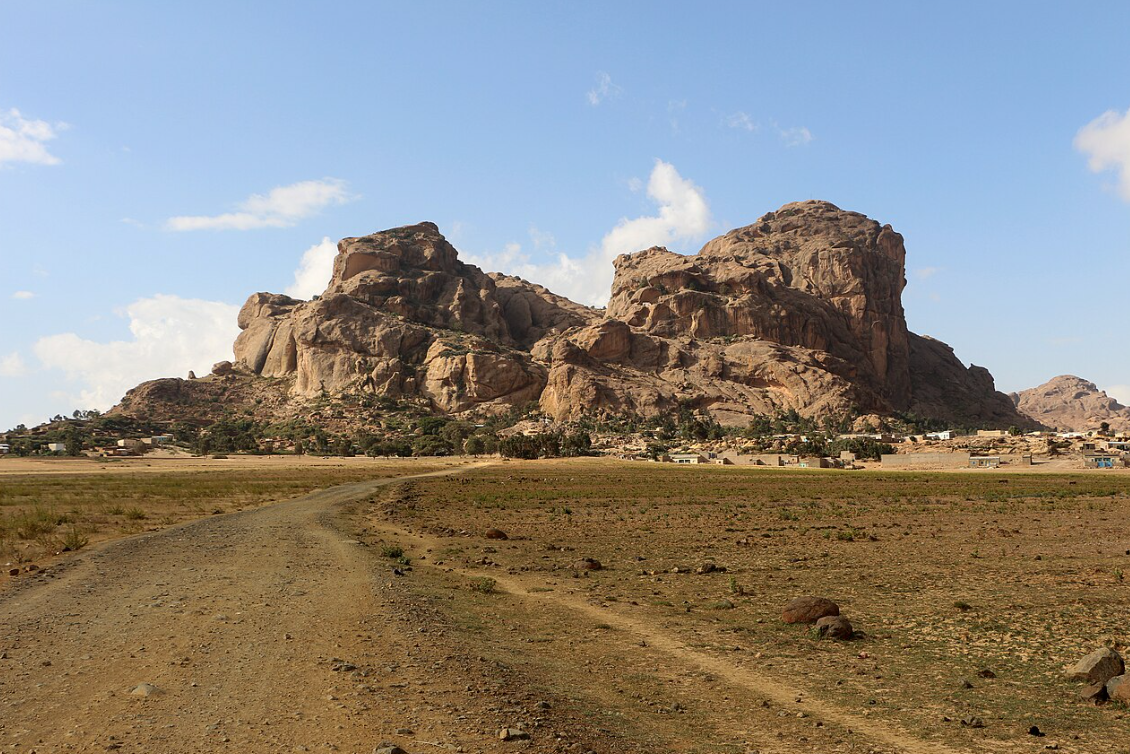
("Massicci Nei Dintorni Di Senafe, 15")


The Ethiopian government took measures to get rid of the revolution as well as  the U.S. helping to influence events from the sides.


The Ethiopian government reacted to the revolution very harshly: by village burnings, mass arrests and punishing civilians to get rid of rebels. This action accidentally increased support for the rebels (Kissinger). ​​​​​​​

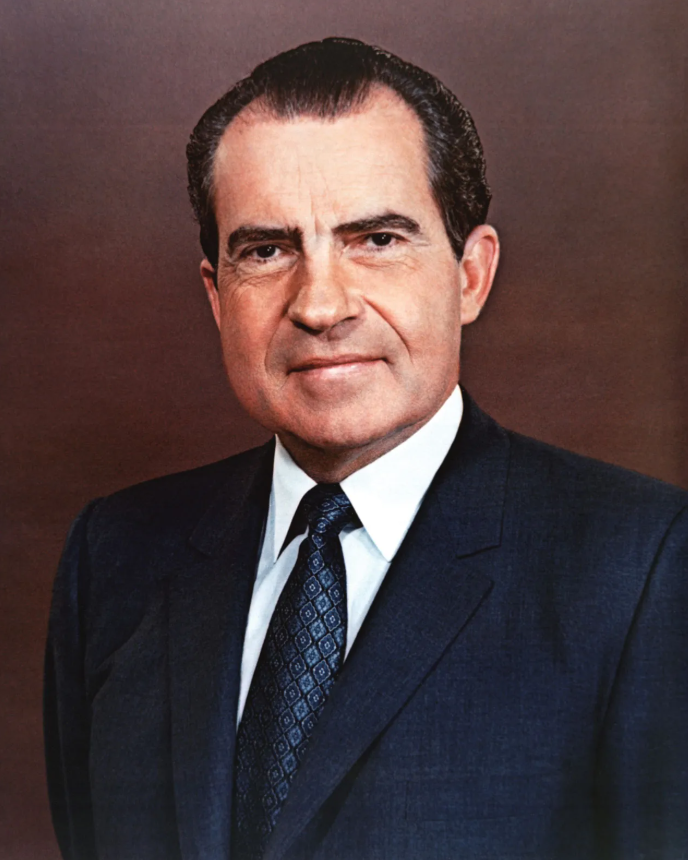
“Harsh reprisals by Ethiopian troops have also helped to strengthen the appeal of the insurgents among the local population of Eritrea.”​​​​​ - Richard Nixon


Different world leaders at the time had their own ways of describing the various independence movements breaking out across Africa.


"The continuing insurgency of the Eritrean Liberation Front, an irredentist Moslem movement claiming the extreme northeastern corner of Ethiopia." - Richard Nixon​​​​​​​

Image

("Richard Nixon")


Image

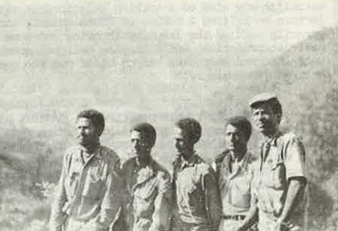
("Vanguard Special Issue")


The US armed Haile Selassie, to show their support for Ethiopia making it even more difficult for Eritrea to fight, as they now faced both Ethiopia and other super powers with better weapons (Say Brother) .


“We have been the heaviest contributor to their economic development, a primary market for their important coffee exports, and the ultimate quartermaster for the Ethiopian army and air force.”​​​​​​​

- Richard Nixon


“Military assistance is $12 million yearly… Ethiopia gets over 60% of U.S. military aid to Africa.”

- Richard Nixon 


Personal Interview with the Eritrean Embassy Chargé d'Affaires 


Emergence of Revolutionary Leadership

Ethiopian repression did not only affect civilians but it also shaped the leadership of the Eritrean resistance. As violence continued, younger revolutionaries began to challenge the effectiveness of existing movements such as the Eritrean Liberation Front.


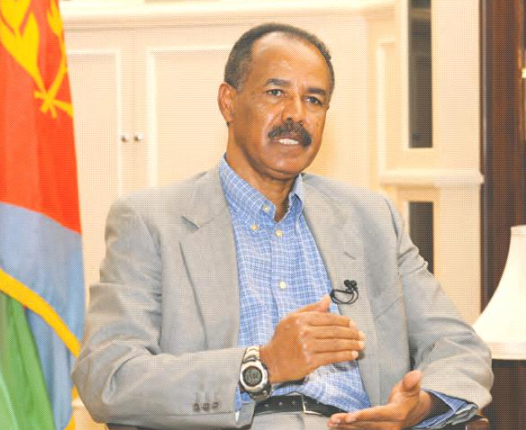
One of these figures was Isaias Afwerki, who emerged as a key leader within the Eritrean struggle during the late 1960s and early 1970s and did not stop until Eritrea gained independence ("Isaias Afwerki").


“I feel special privilege and honor to address the United Nations General Assembly on behalf of a people who struggled for half a century to regain their fundamental human and national rights and who, despite the outright military victory that they won, took the unprecedented step of organizing a free and fair referendum.” - Isaias Afwerki, UN General Assembly, 1993


Image

("Interview with President Isaias Afwerki")

Key Groups
Role of Women