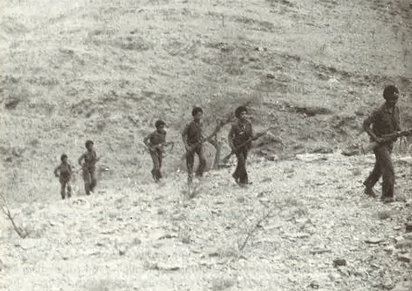
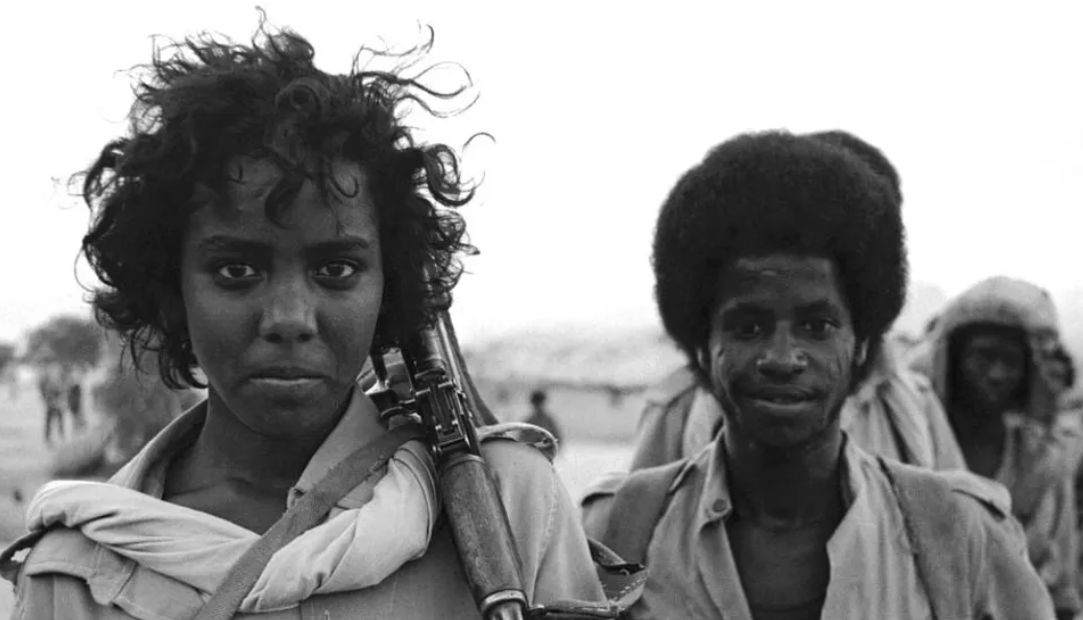
Women were integrated into the EPLF as fighters known as "tegadelti" whose lives were meant to be indistinguishable from those of their male comrades (Bernal).
Eritrea's Fight for Independence
Revolution, Reactions, and Reforms
National History Day 2026
Role of Women
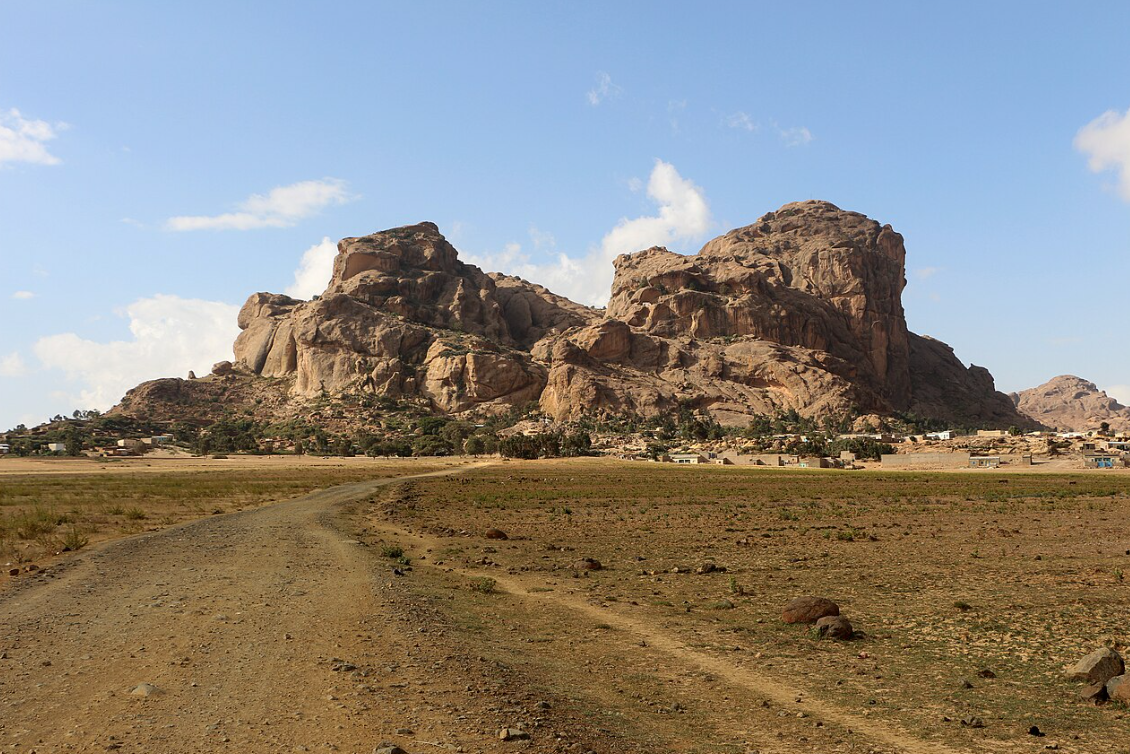
("Massicci Nei Dintorni Di Senafe, 15")
For many Eritrean women, joining the revolutionary front was a dual pursuit of national freedom and simply escaping unfair treatment. They served as tegadelti alongside men, transcending their domestic expectations and helped become architects of Eritrea's future.
"By joining the Front, Eritrean women not only had the chance to join in the struggle for their country's destiny from which they had so long been excluded, but also to escape the intolerable conditions they suffered as women" (Cowen).
("Vanguard Special Issue")
("Vanguard Special issue")
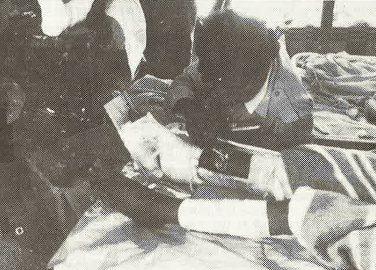
Women rose through the ranks based on merit and how capable they were. They took jobs as mechanics, drivers, and carpenters. They kept the army and population alive through underground hospitals, where they acted as nurses and “barefoot doctors” (History Rise).
("Eritrea viewpoint: I fought for independence but I'm still waiting for freedom")
Eritrean fighters of the war were provided with contraceptives and healthcare giving women control over their bodies (History Rise)
"Women were trained as 'heavy' (tank and artillery) and 'light' infantry, as well as for specialized units such as sappers (demolitions) and snipers... they also served as mechanics, electronics technicians, and drivers" (Bernal).
Women received equal training and responsibilities; a radical departure from typical gender roles.
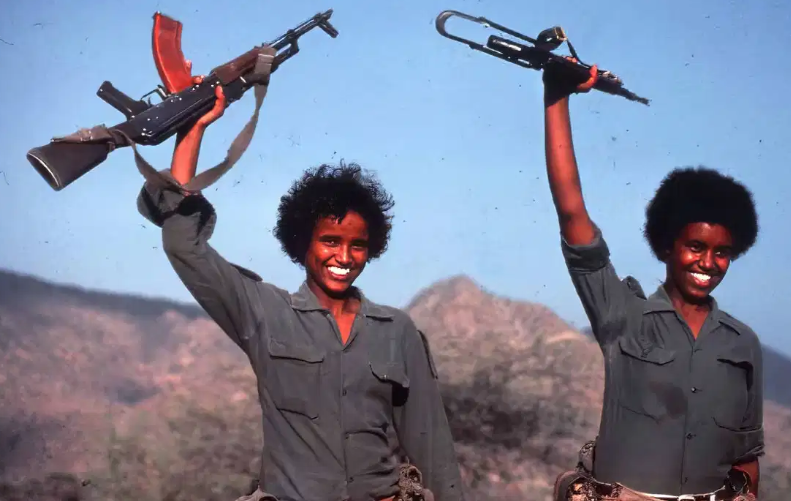
("Eritrean Peoples Liberation Front Fighters Raise Their Kalashnikovs in Celebration")
The National Union of Eritrean Women (NUEW) was established in 1979 to mobilize women and allowed them to run literacy classes and other programs so that they could fight for gender equality (History Rise).
"Women’s participation in the Eritrean People's Liberation Front (EPLF) was exceptional... by the end of the war in 1991, women made up some 30 percent of the EPLF’s 95,000-strong army."
EPLF Army Participation (1991)
Women
30%
30%
Women — 30%
Men — 70%
By the end of the war in 1991, women made up approximately 30 percent of the EPLF’s 95,000-strong army.
Ethiopian Gov. RepressionLong Term Impact