A Line in the Sand
A River of Blood

The Partition That Stole Millions of Rights
Effects

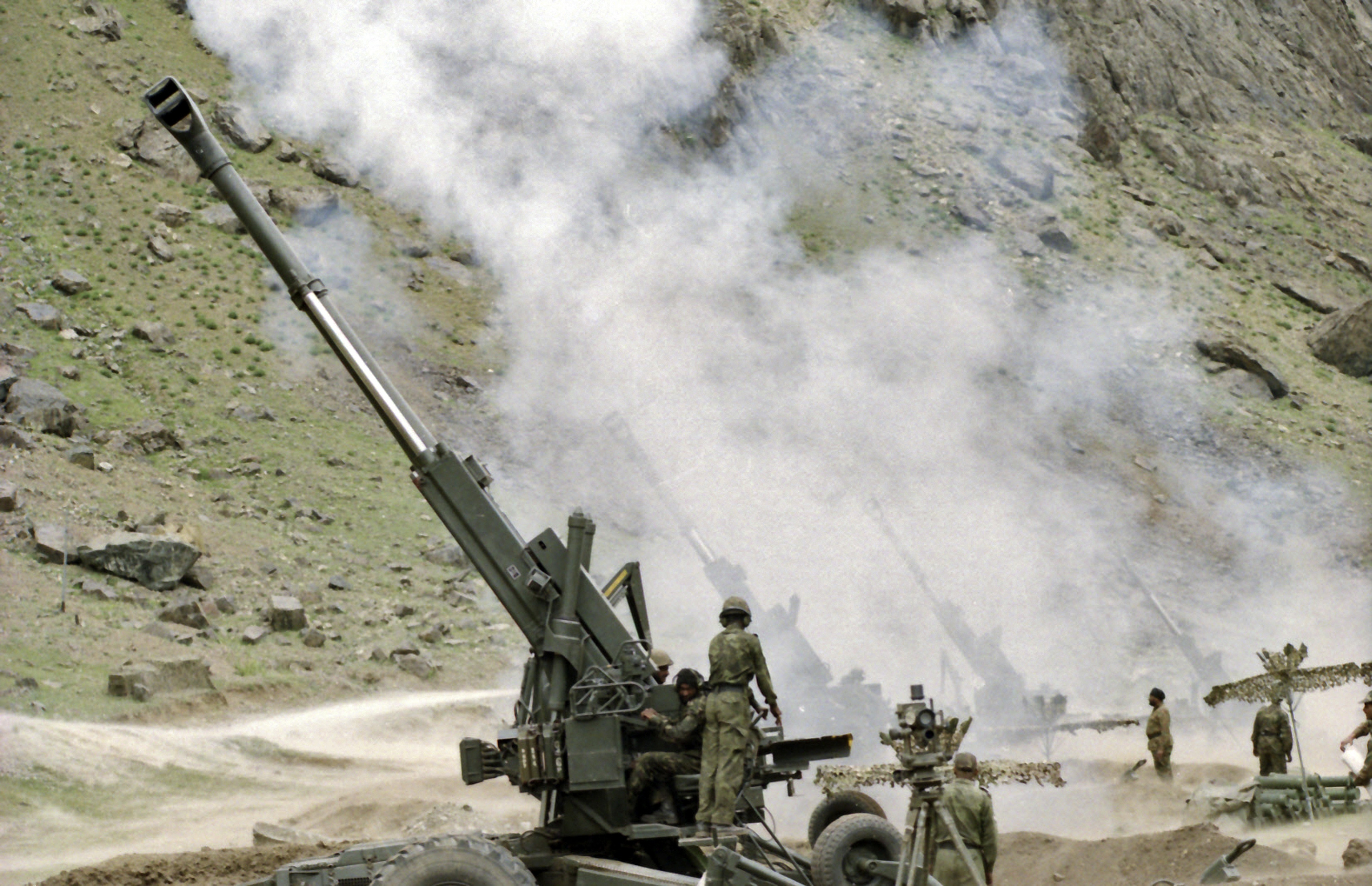
Kargil War, imgur.com
"The partition’s legacy of communal violence and mistrust has had a lasting impact on India’s secular fabric, with periodic outbreaks of violence and political polarization continuing even now."
Ramachandra Guha, an Indian historian
"The rivalry between India and Pakistan is getting more, rather than less, dangerous: the two countries’ nuclear arsenals are growing, militant groups are becoming more capable."
Nisid Hajari, an Indian author
"The partition of India was not just a historical event but a process that continues to shape the political and social fabric of South Asia, with unresolved issues like Kashmir remaining flashpoints even today."
Ian Talbot, an author and professor of British history
The impact of ignoring responsibilities was not short-term. It never is! India and Pakistan have seen conflicts after conflicts since then.
"India had barely become independent, in 1947. After Indo-Pak partiton, states either signed to stay in India or move to Pakistan. The maharajah (king) of Kashmir did not sign with either. When Pakistan invaded Kashmir, the maharajah fled, and the people of Kashmir, led by Sheikh Abdullah, asked for Indian help, leading to first Indo-Pak war and Kashmir conflict since then."
Indira Gandhi, Former Prime Minister of India
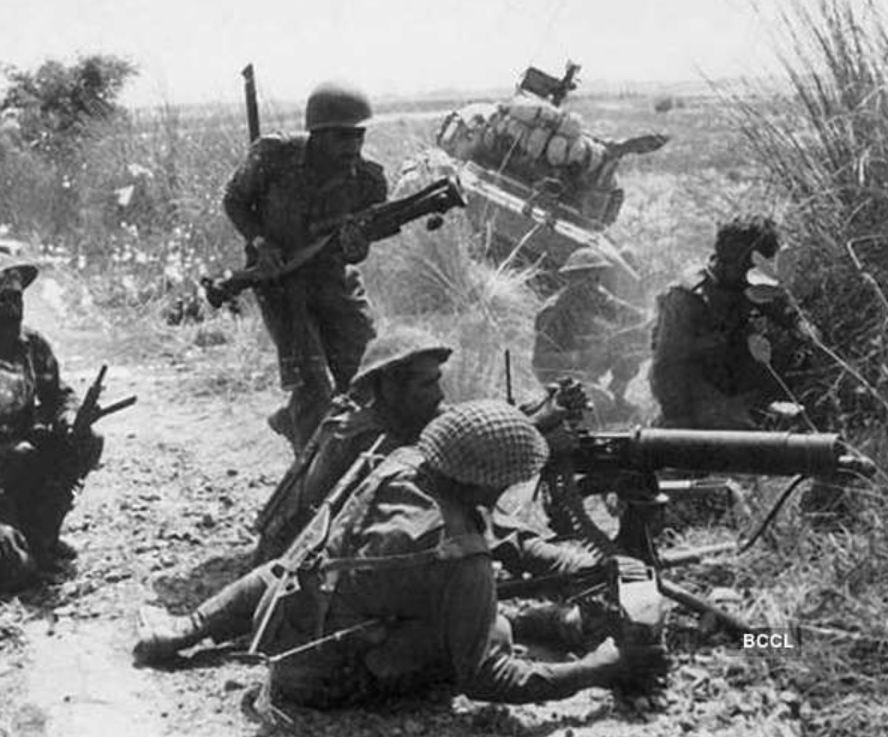
1965 Indo-Pak War, indiatimes.com
"The roots of the 1971 war lie in the partition of 1947, which left Pakistan as a state with two disparate wings, united only by the idea of a Muslim homeland. The suppression of Bengali identity and demands for autonomy in East Pakistan triggered a crisis that culminated in war and the birth of Bangladesh."
Srinath Raghavan, an Indian historian
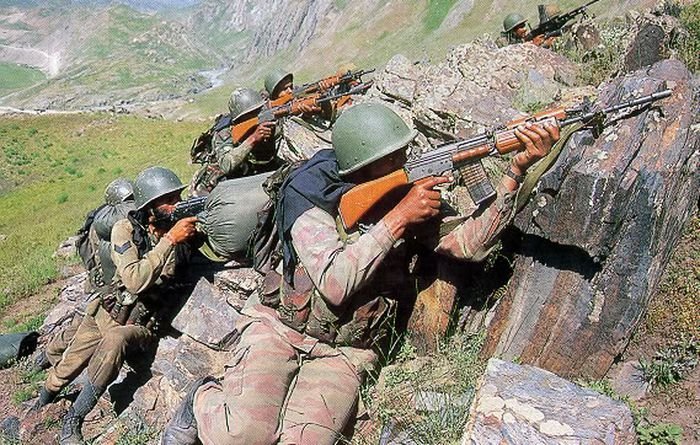
1999 Kargil War, s3.scoopwhoop.com
"The scars of Partition didn’t just divide a land—they planted seeds of mistrust that decades later erupted into violence like the 2001 Parliament attack, reminding us how unresolved histories can still shape our present security."
Karan Singh, an Indian author, in his book 'An Examined Life'
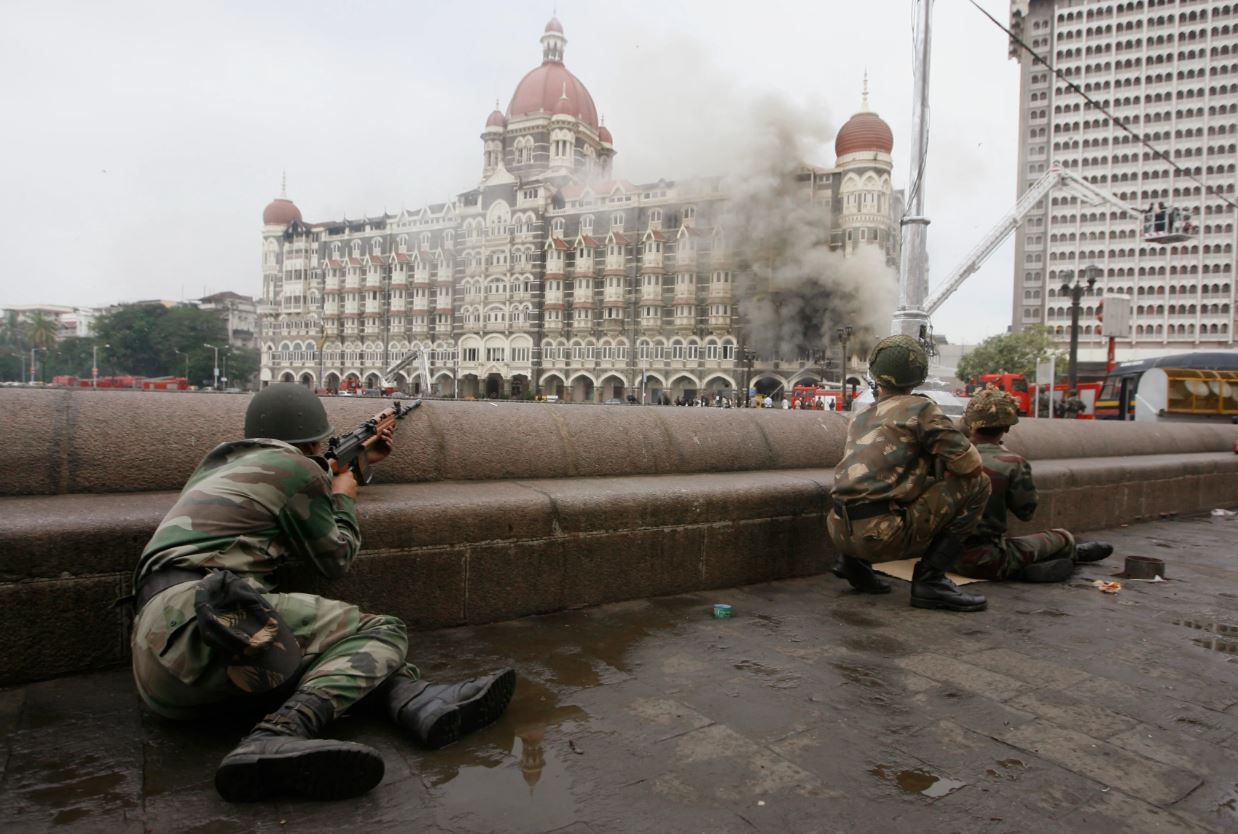
2008 Mumbai Attack, brookings.edu
"The Uri attack in 2016 and the Pulwama bombing in 2019 were two of the deadliest attacks in Indian-administered Kashmir in recent years. Both were blamed by India on Pakistan-based militant groups, with Pakistan denying involvement. Kashmir, claimed in full by both India and Pakistan but administered in parts by each, has been a flashpoint between the two nuclear-armed nations since their partition in 1947."
Karan Singh, an Indian author, in his book 'An Examined Life'
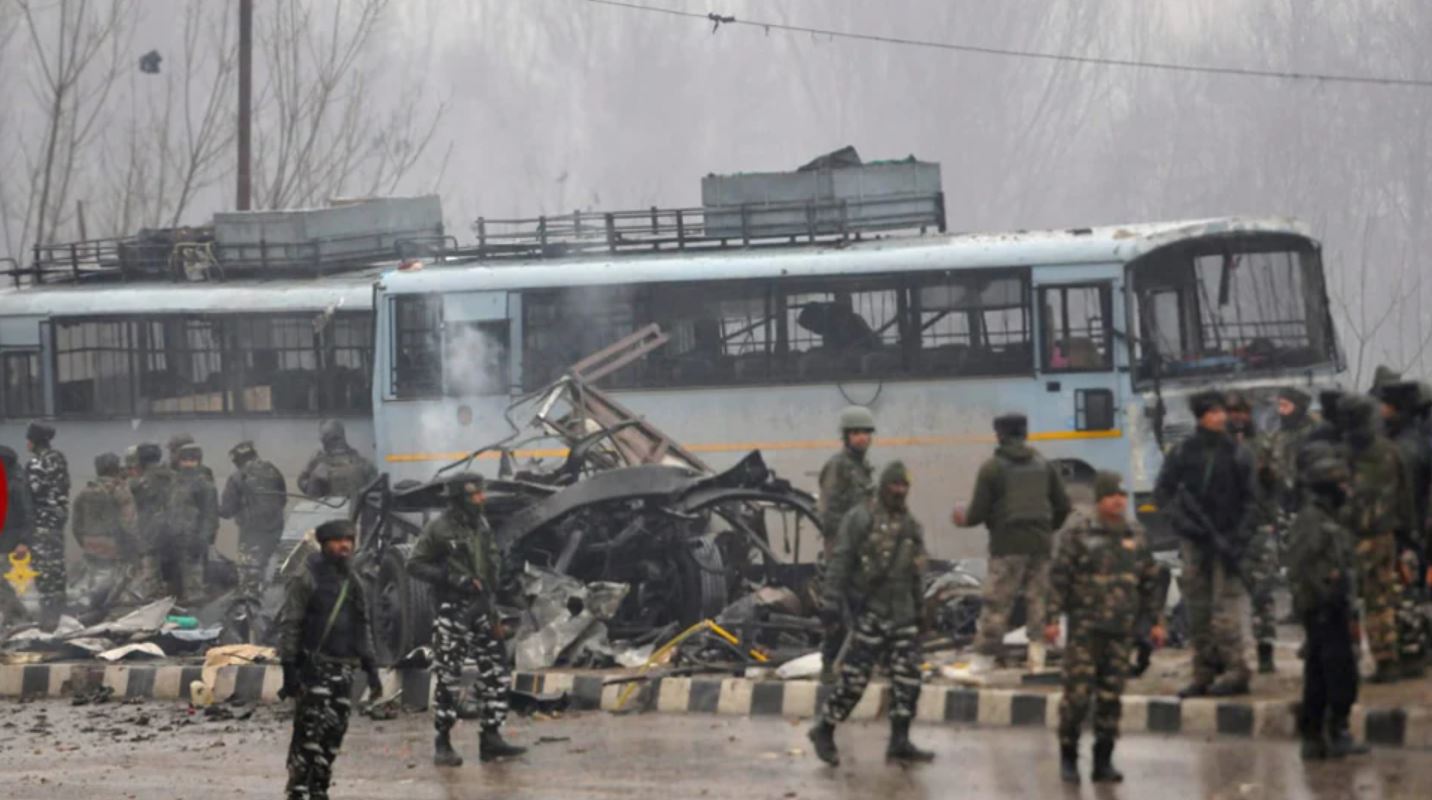
2019 Pulwama Attack, hindustantimes.com
"Kashmir’s status as a semi-autonomous state is complex. It has its roots in the partition of British India in 1947, when Kashmir’s Hindu ruler decided to join India rather than Pakistan on the condition that it was granted a level of autonomy[Article 370]."
Billy Perrigo, a correspondent at TIME
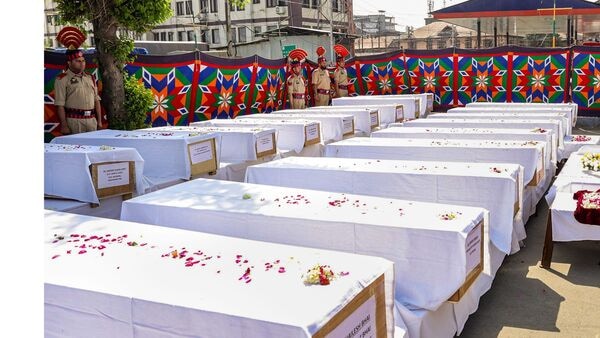
Pahalgam Kashmir terror attack - livemint.com
"The missiles were India’s response to the deadly April 22 attack on tourists in Indian-administered Kashmir in Pahalgam, during which 26 men were killed"
Al Jazeera correspondent
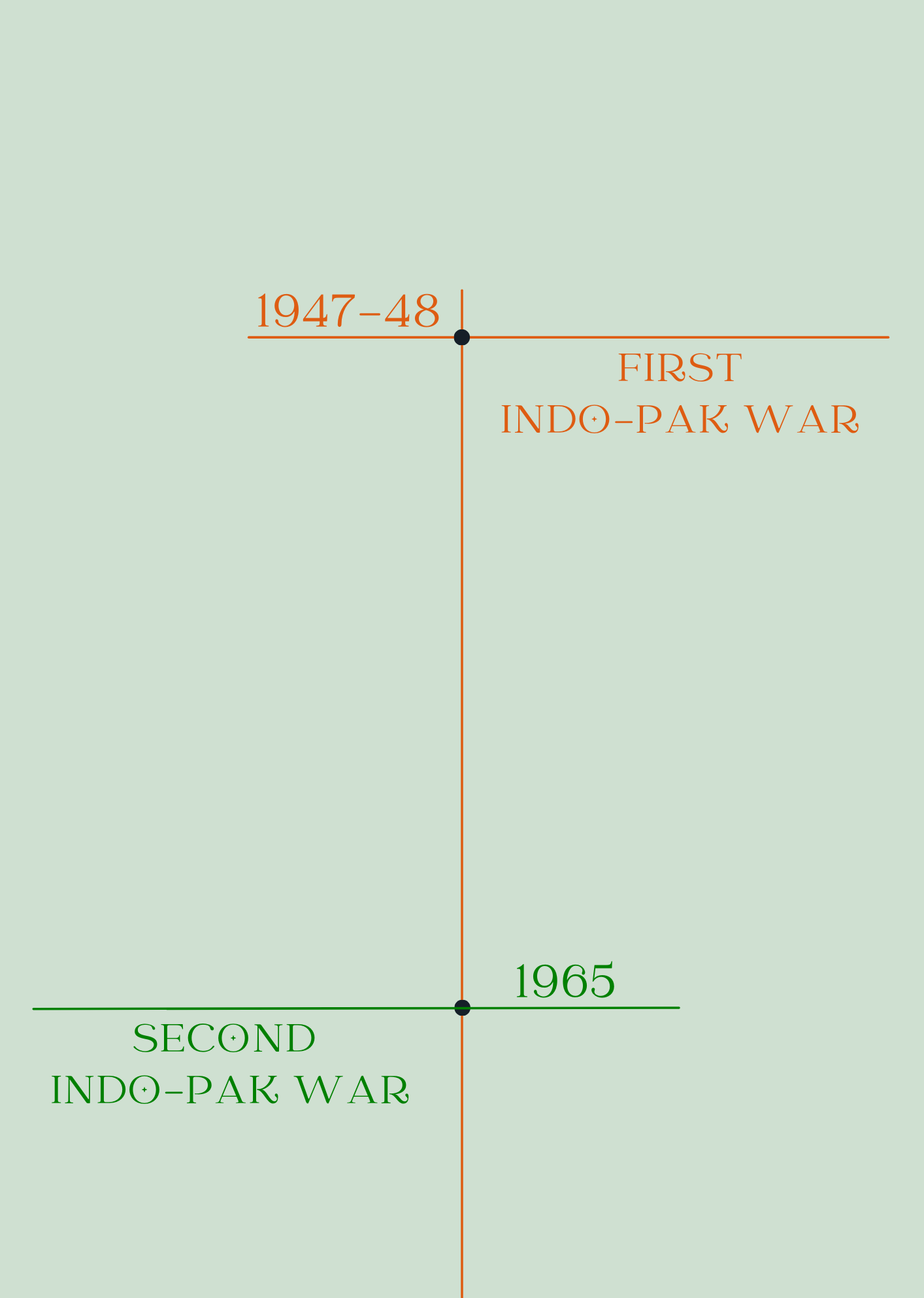
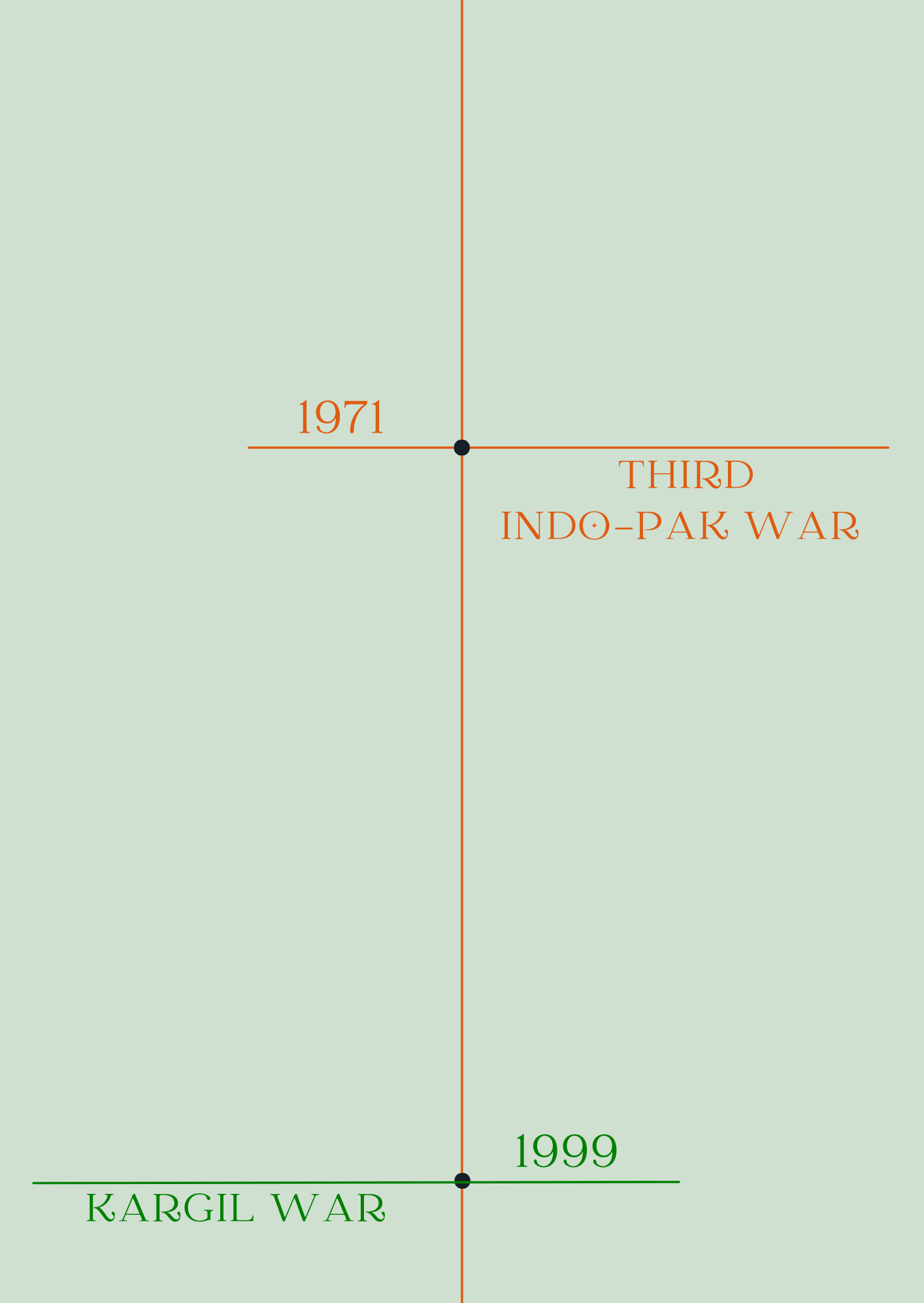
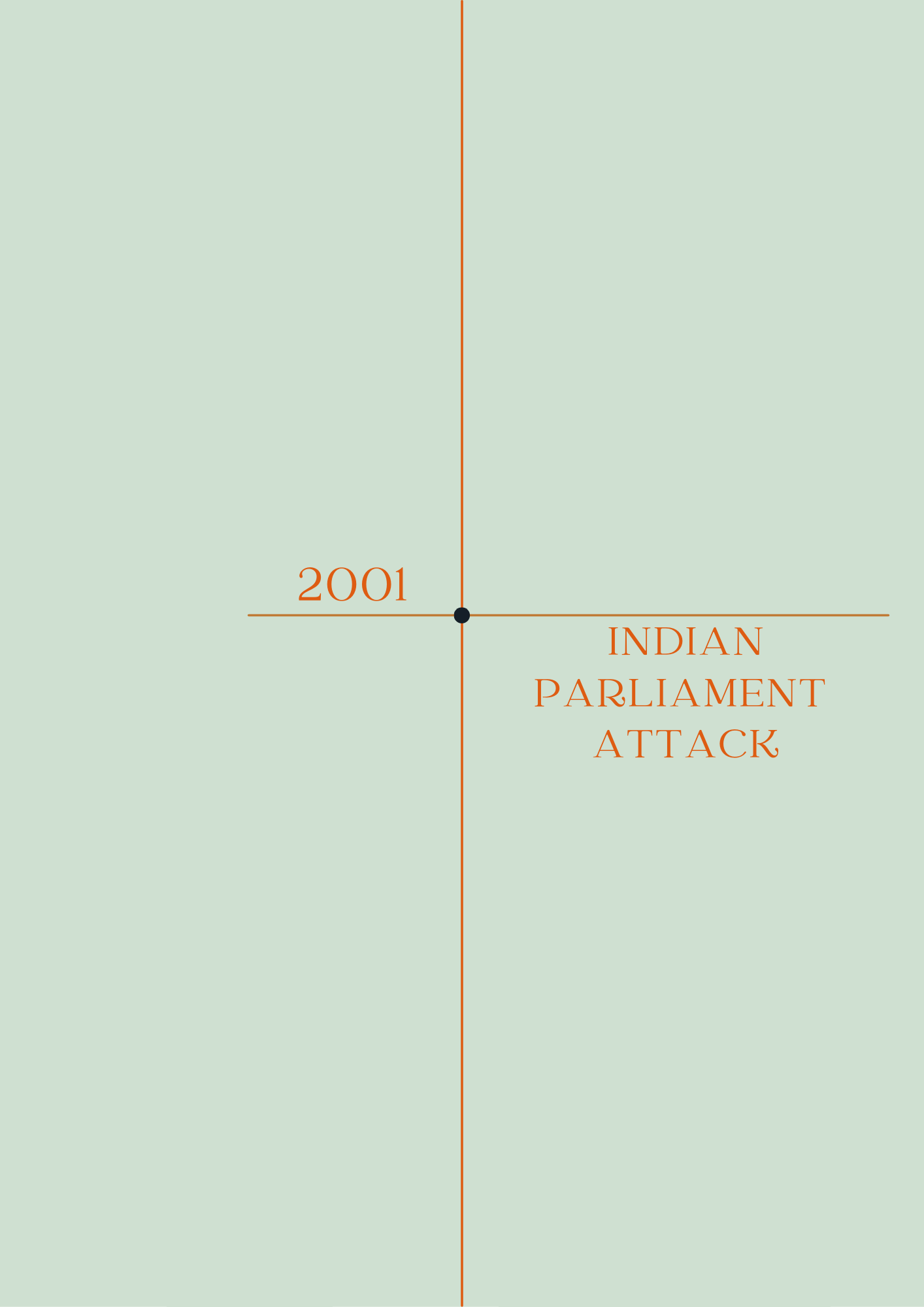
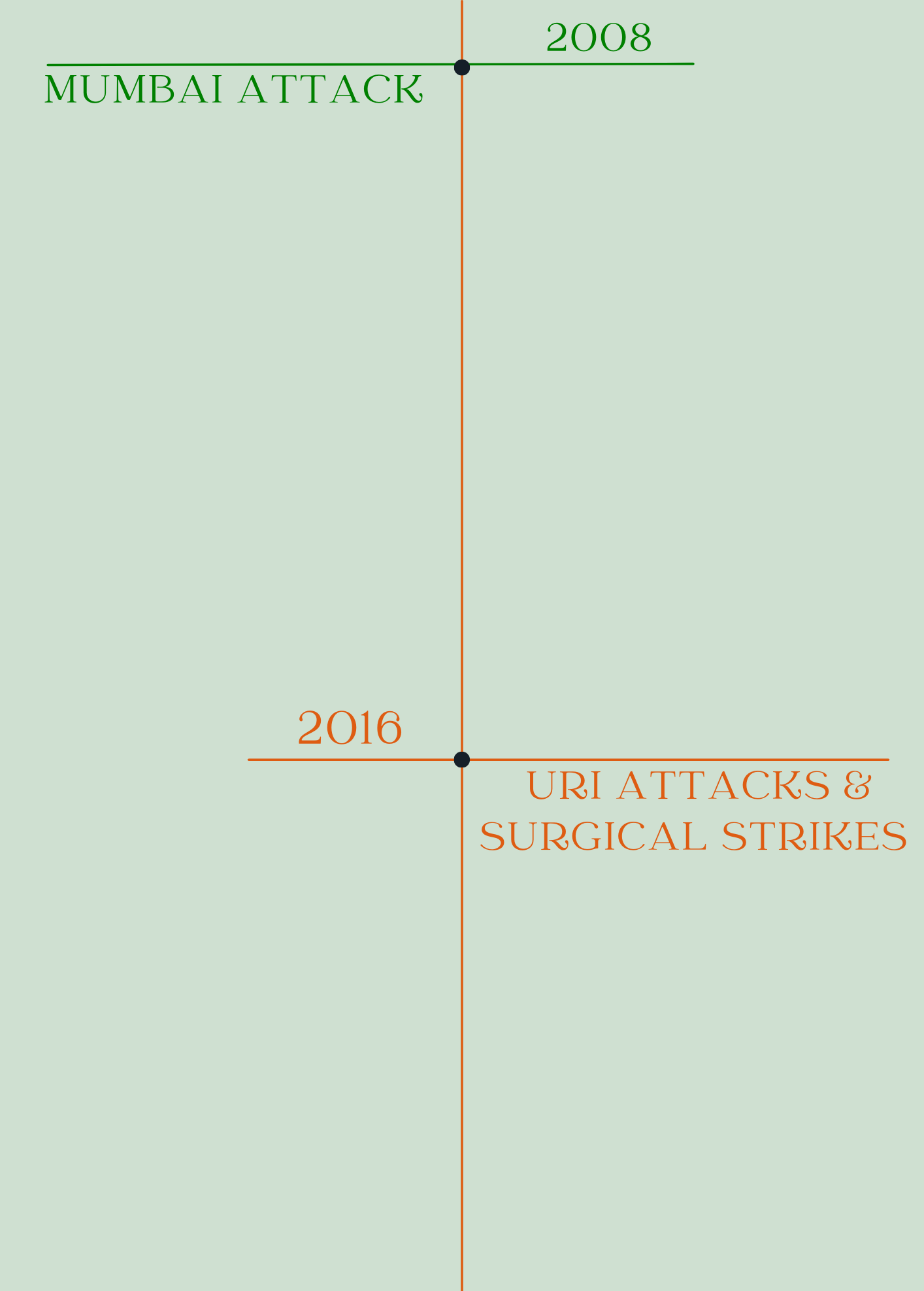
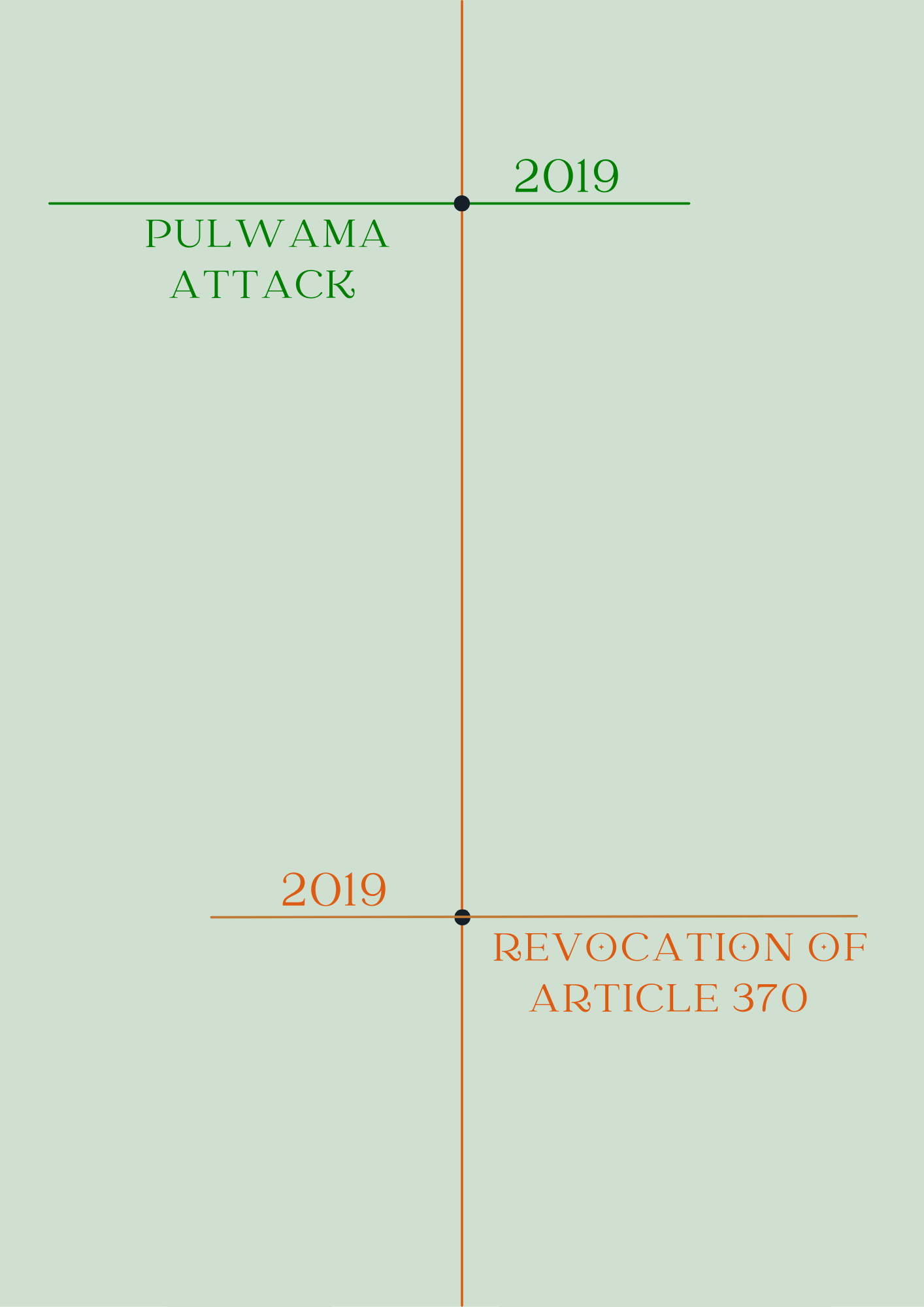
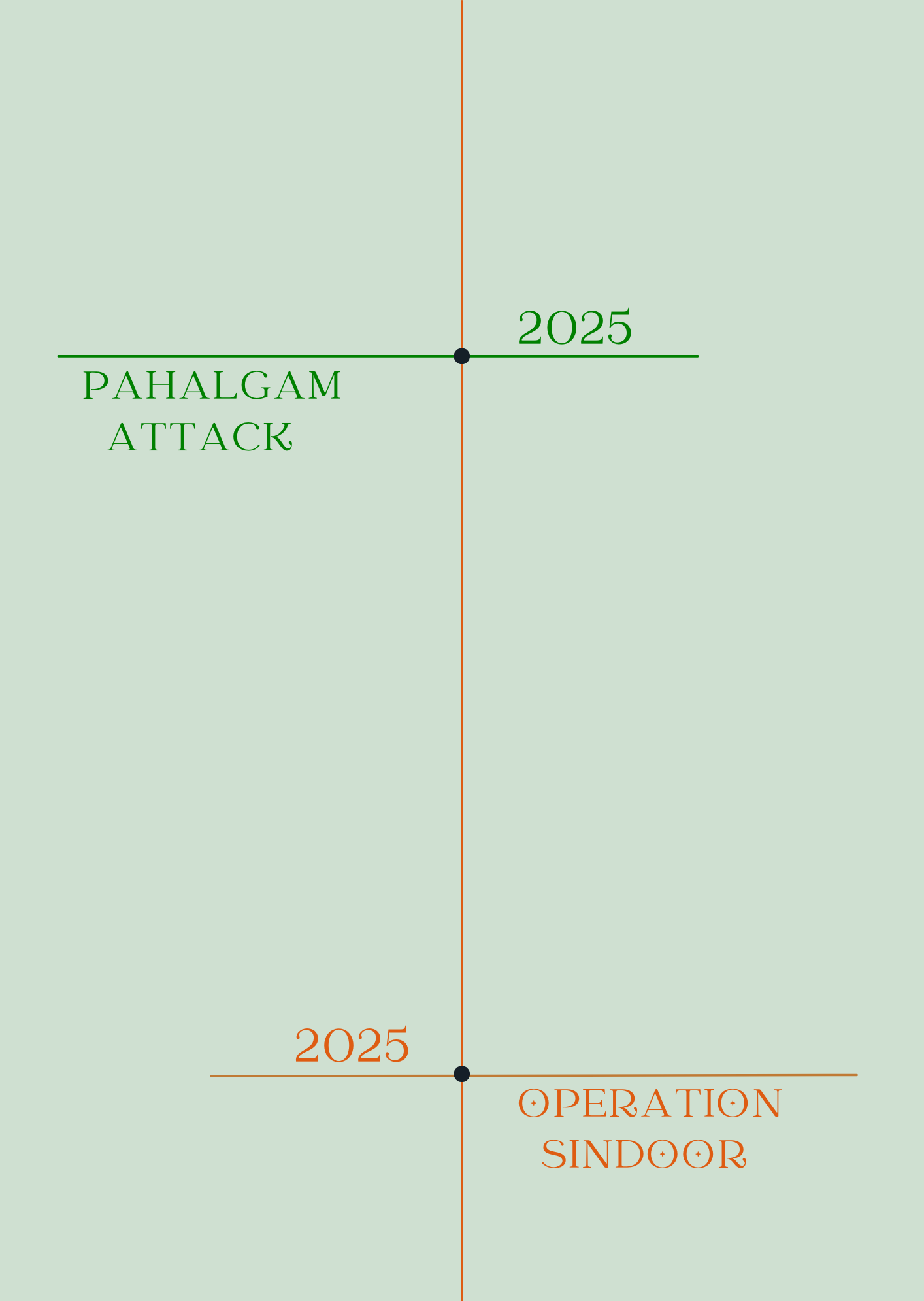
Indo-Pak Conflicts, canva.com
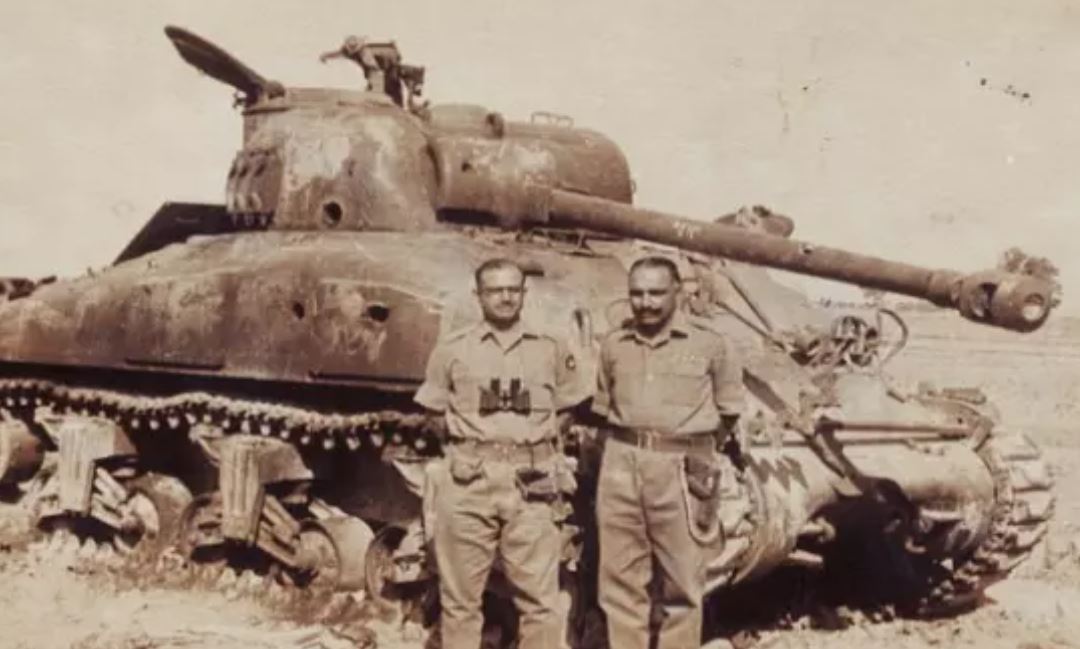
1947-1948 Indo-Pak War, indiatimes.com
"The 1965 war between India and Pakistan was the second conflict between the two countries over the status of the state of Jammu and Kashmir. The dispute over this region originated in the process of decolonization in South Asia. When the British colony of India gained its independence in 1947, it was partitioned into two separate entities: the secular nation of India and the predominantly Muslim nation of Pakistan."
U.S. State Department Historical Analysis
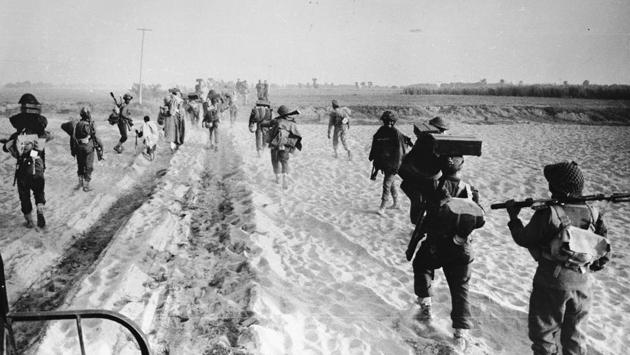
1971 Indo-Pak War, Hindustantimes.com
"The Kargil War in 1999 was a direct result of the long-standing dispute between India and Pakistan over the control of Kashmir. Since their partition in 1947, both countries have claimed the region, leading to multiple wars and skirmishes."
Geeta Mohan, an Indian journalist
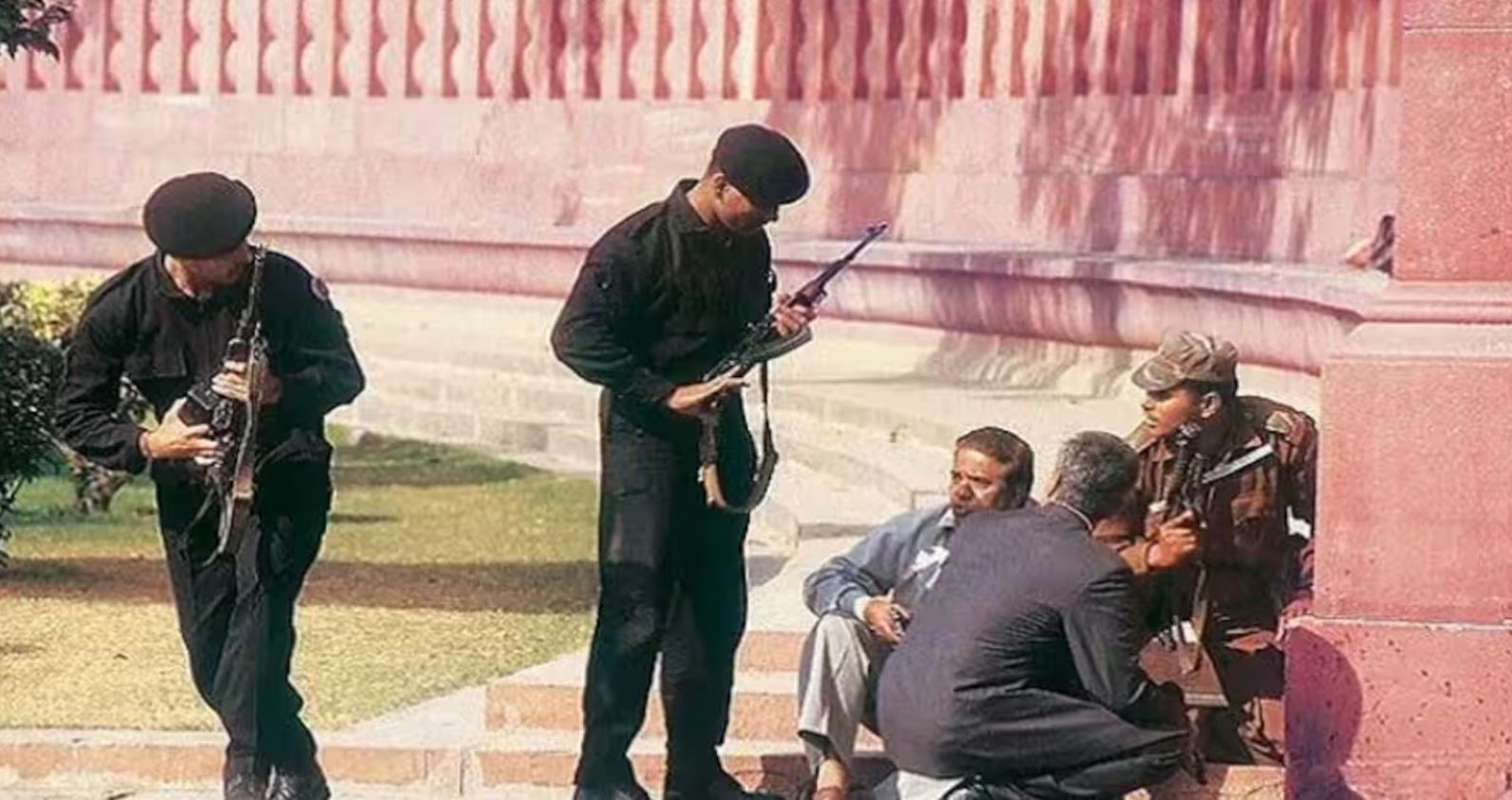
India Parliament Attack, static-ai.asianetnews.com
"India and Pakistan have fought three wars since they were created by the bloody partition of British India in 1947. Whether they begin again the long journey toward peace or find themselves eyeball to eyeball, nuclear arms at the ready, depends in no small measure on the actions of this shadowy group [Lashkar-e-Taiba] responsible for several attacks like Mumbai attack."
The Soufan Center, an organization specialized in global security issues
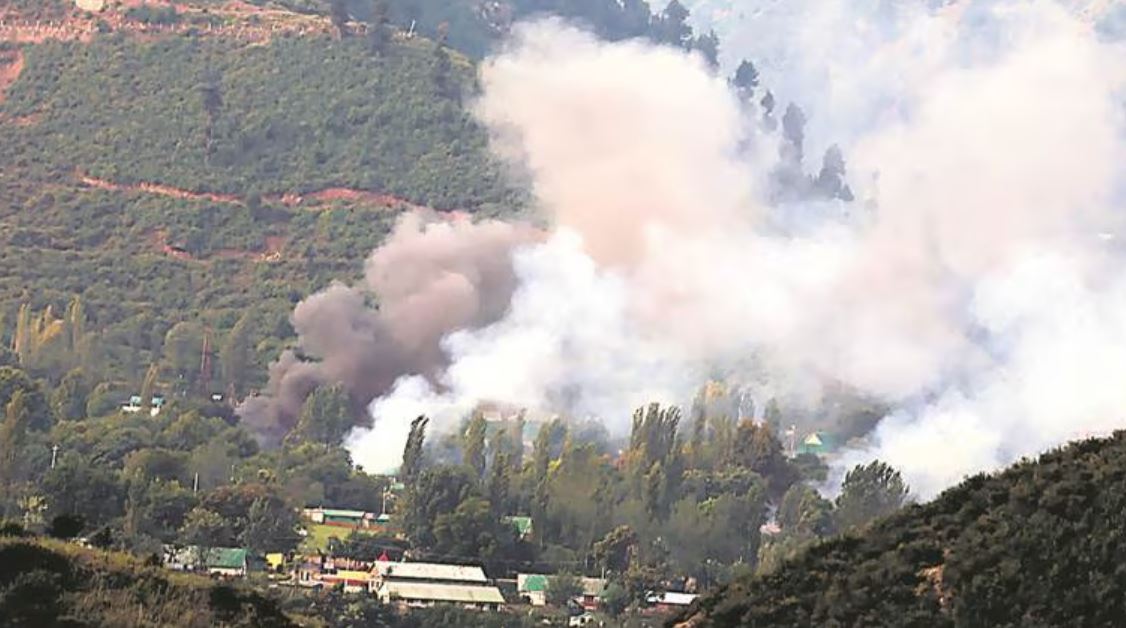
Uri Attack, images.indianexpress.com
"The February 14, 2019, suicide bombing in Pulwama, in India-administered Kashmir, killed 40 members of India’s Central Reserve Police Force. The attack was claimed by Jaish-e-Mohammed (JeM), a Pakistan-based armed group. Both India and Pakistan designate the group as a ‘terrorist’ organisation, but its leader, Masood Azhar, has long operated out of Pakistan. The attack inflamed tensions over Kashmir, which both countries claim in its entirety but administer in parts."
Karan Singh, an Indian author, in his book 'An Examined Life'
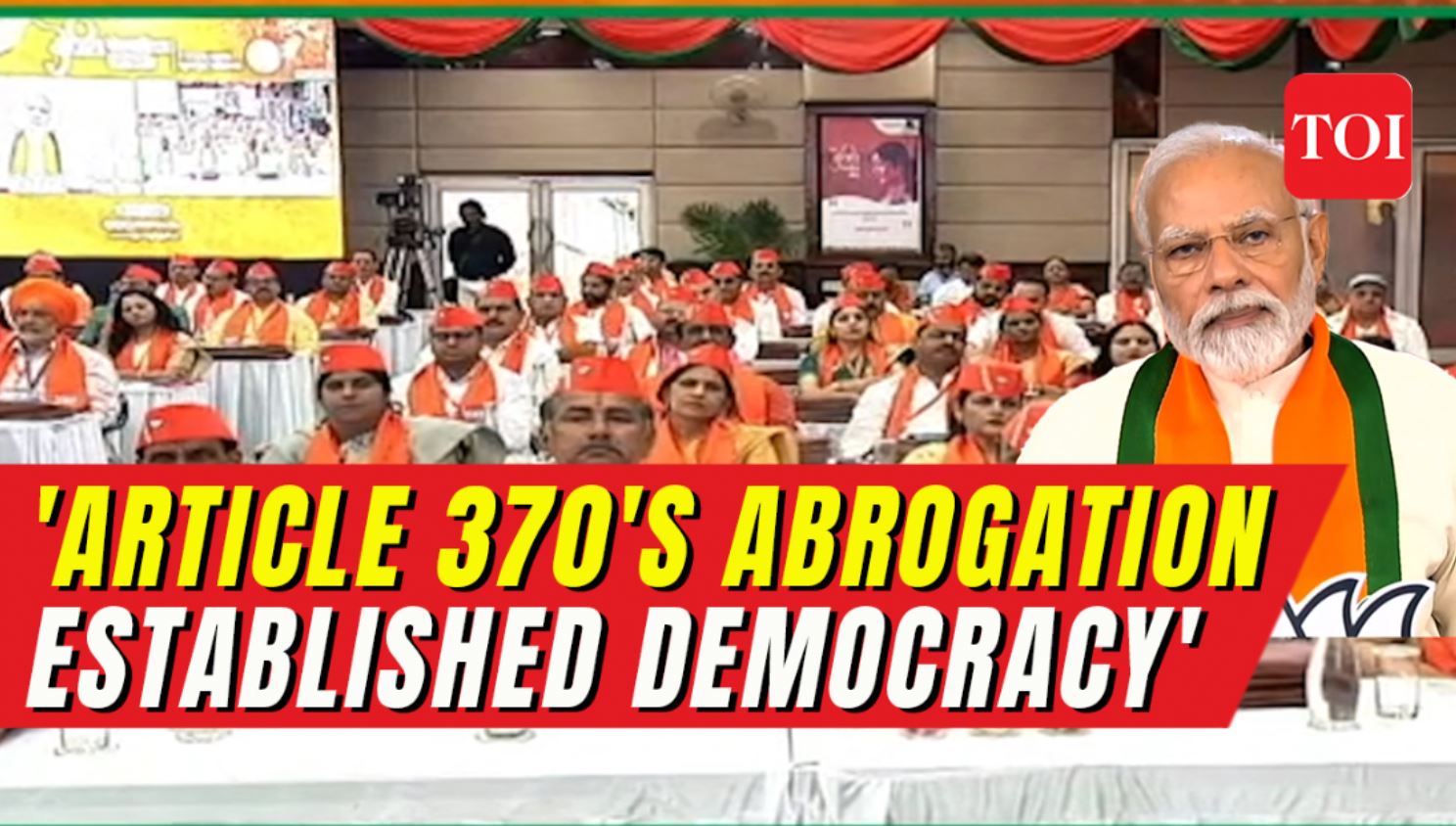
Revocation of Article 370, indiatimes.com
"From the soil of Bihar, I am telling the world that India will identify, track, and punish every terrorist and their backers. Every effort will be made to ensure that justice is done. The entire nation is firm in this resolve. Everyone who believes in humanity is with us. I thank the people of various countries and their leaders who have stood with us in these times."
Narendra Modi, Prime Minister of India
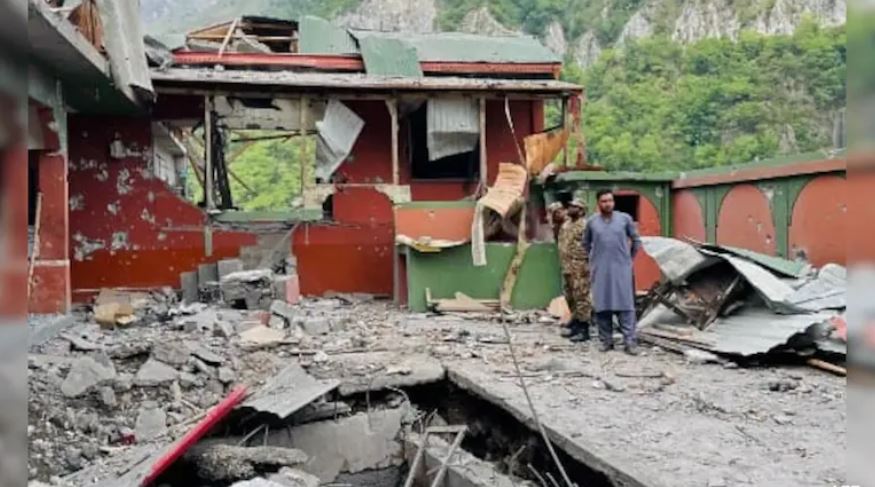
India responds back to Pahalgam Attack, ndtv.com
"The partition’s effects are still felt today, with ongoing migration, demographic shifts, and geopolitical tensions that trace back to the 1947 division."
Sarah Ansari, a British professor of history
"A defining moment that is neither beginning nor end, partition continues to influence how the peoples and states of postcolonial South Asia envisage their past, present and future."
Ayesha Jalal, a Pakistani-American historian
"The partition’s trauma continues to resonate in the collective memory of South Asians, with its effects on subsequent generations evident in ongoing communal tensions and identity politics."
Urvashi Butalia, an Indian author