A Line in the Sand
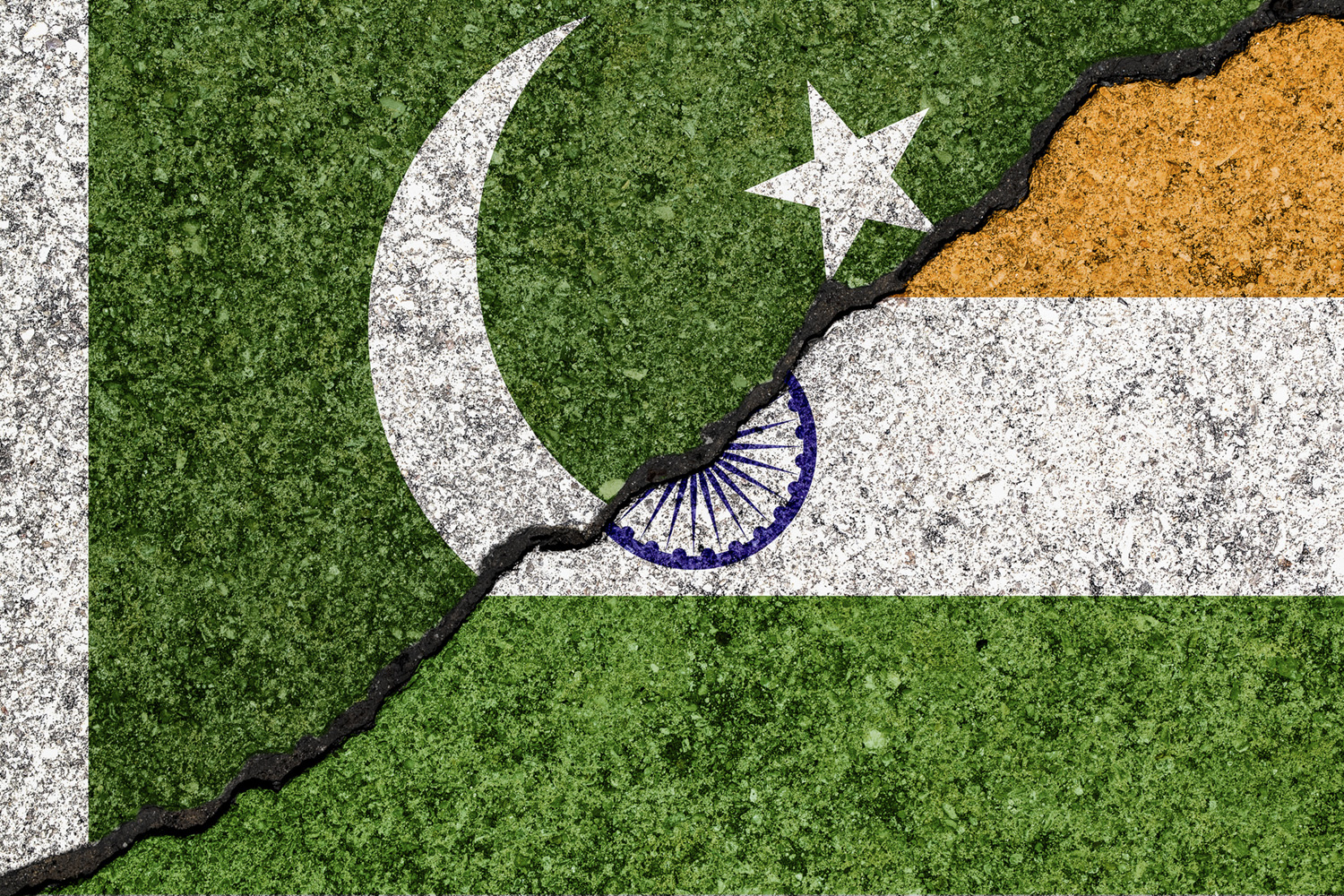
A River of Blood

The Partition That Stole Millions of Rights
Heartbreaking Stories from Partition

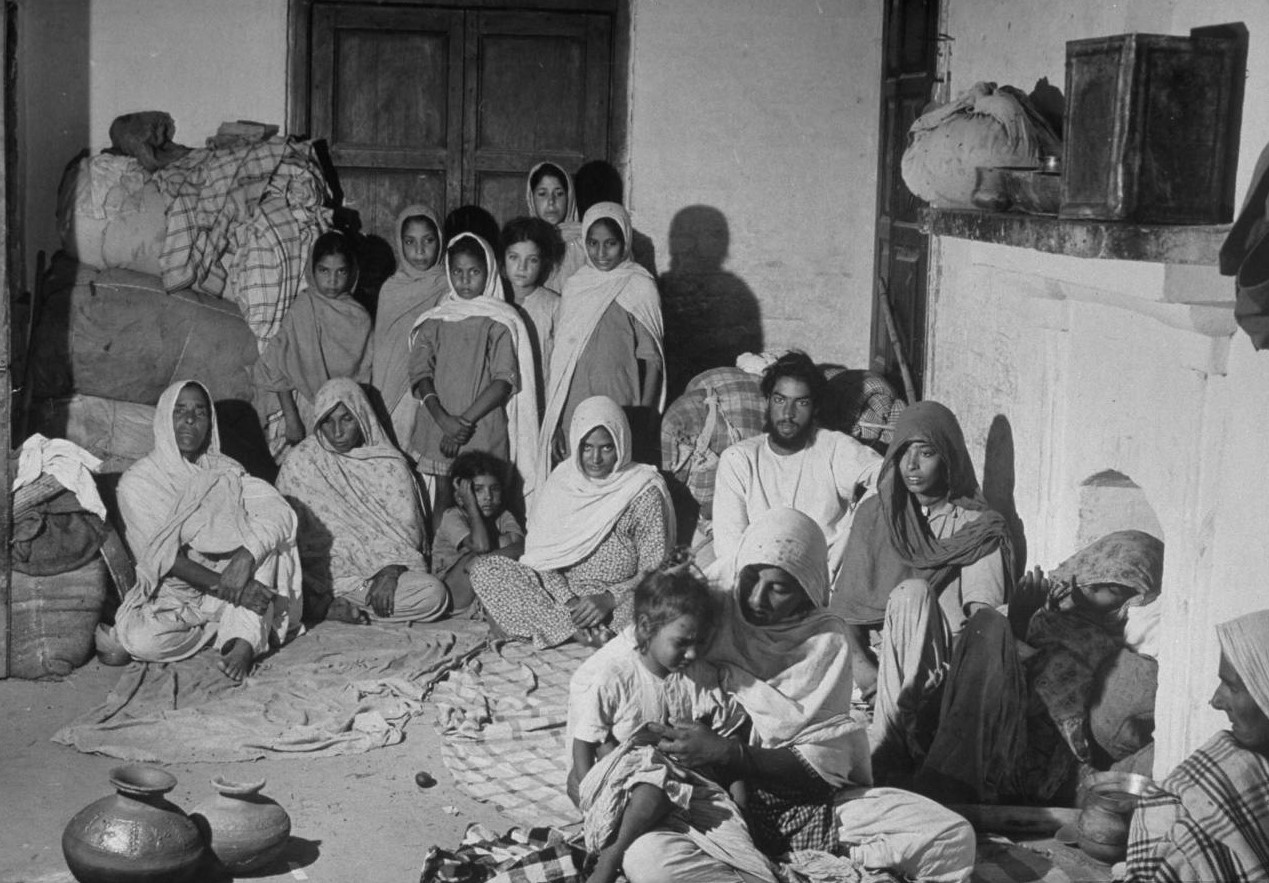
Ladies waiting for men of the house to return from land allotments, oldindianphotos.in
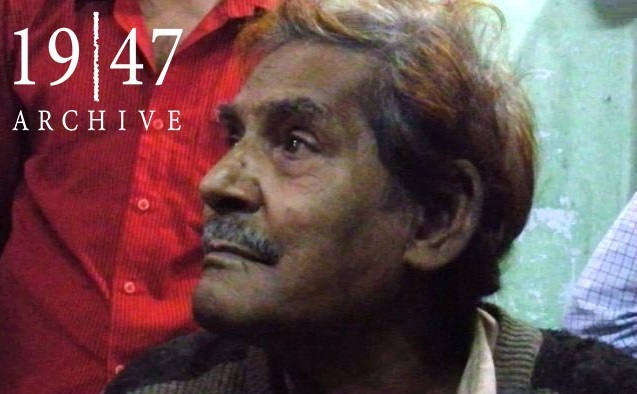
Mohammad Ramjan - ilmfeed.com
"I witnessed the worst riots of Kolkata. I remember men and women being taken away from their houses by the mobs, and trucks full of corpses passing by their house. During this turmoil, my family hid in a graveyard for 2 days to save ourselves. Eventually, once the riots subsided, we took the train to Dhaka, East Pakistan, and took up odd jobs there to survive."
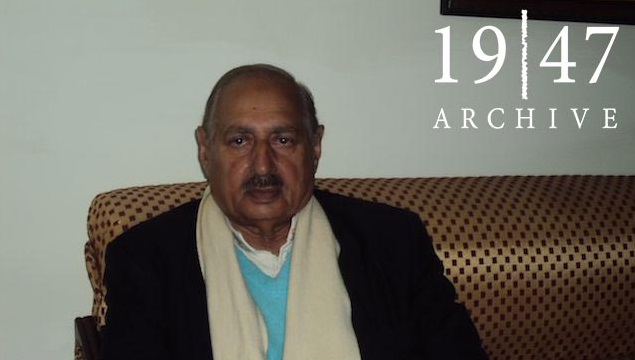
Akhtar Hussain Rana - ilmfeed.com
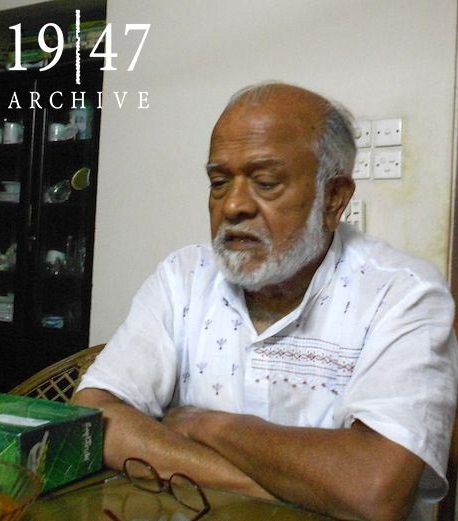
Kazi Shamsuzzaman - ilmfeed.com
"A mob entered my house and killed my cousin and burned down my house. I remember my family having a gun fight with the mob. My family then sought refuge in our home in Bogra, India. There, I remember hearing news everyday about burnt villages and families being butchered. On my way to Lahore, I was frightened to leave the only life I knew."
"My family lived in Howrah India before partition. A traumatic riot broke out there in 1946 called the "Direct Action Day". We lost everything. The house was looted and burnt to ashes. The women of our house fled with only their jewelry on them. While I hid in a tree, my father hid in a graveyard. We came to Dhaka penniless in 1947. We were often called “ghoti” and discriminated as refugees in Dhaka."
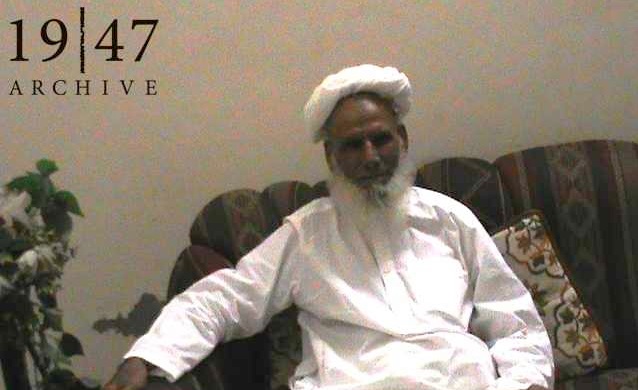
Ali Asghar - ilmfeed.com
"I remember my family members taking nothing special from our house in Kaduwela, India when we started our journey to Fattu-Dhinga. We saw the aftermath of a massacre upon reaching there. At times, people armed with swords came into Fattu-Dhinga. A policeman promised to arrange a safe escort from Fattu-Dhinga. When our caravan came out of the village, it confronted a mob. Fortunately, another caravan traveling towards Jalandhar approached them, which was escorted by the army."
A Partition survivor (she was 12 years old then) - The Guardian