Courtesy of Center Budget and Policy Priorites
A New Deal for America: How Social Security Redefined Government's Role
"Social Security is not just another government spending program. It is a promise from generation to generation."
Hauk Johnson, a U.S Representative
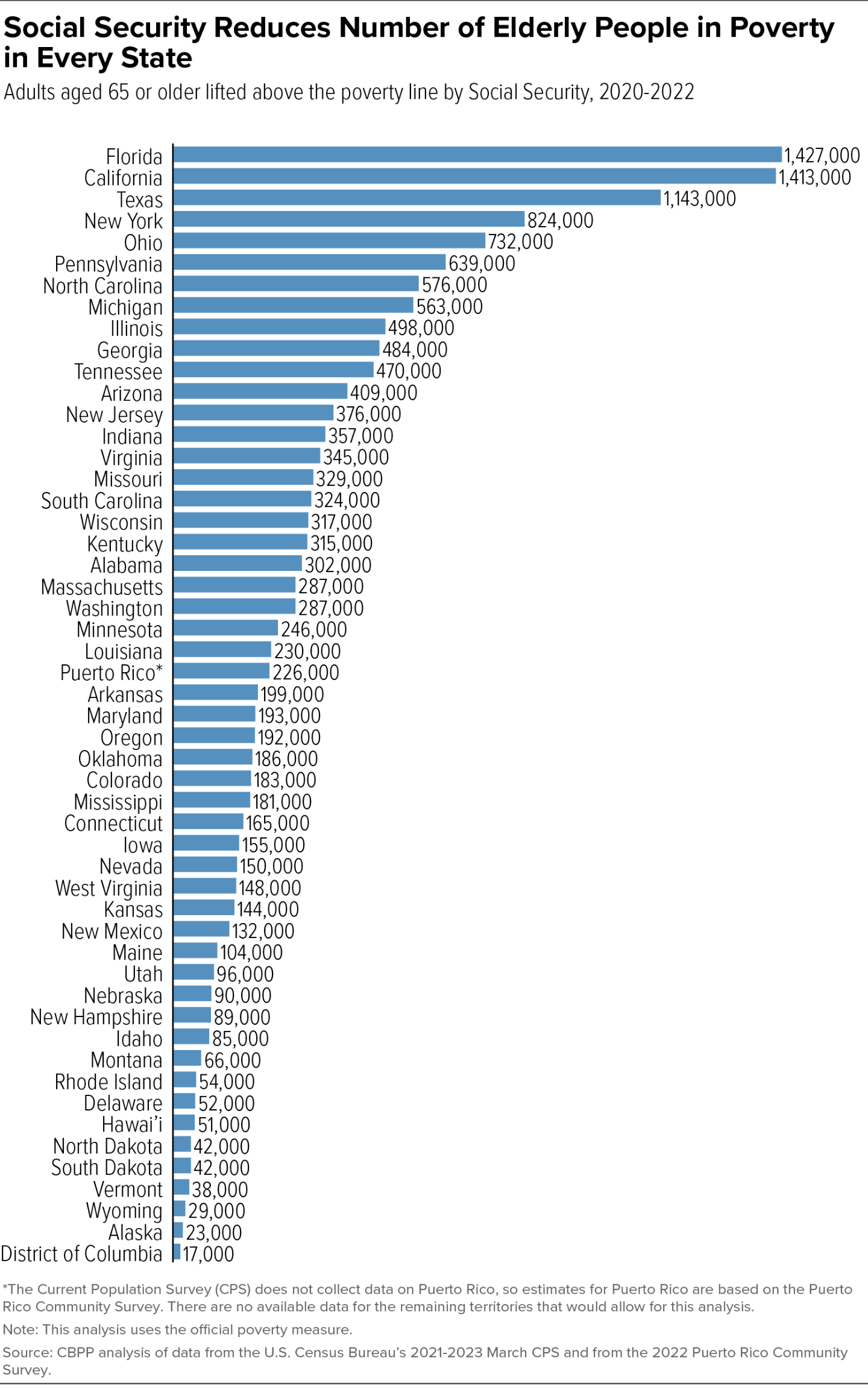
Social Security changed America forever , the federal government now helps prevent poverty, not just states or charities. FDR saw it as stopping future Depressions by keeping money in people's pockets. Today, it lifts millions of elderly, disabled, and families out of poverty more than any other program.
Courtesy of Center Budget and Policy Priorites
Courtesy of Center Budget and Policy Priorites
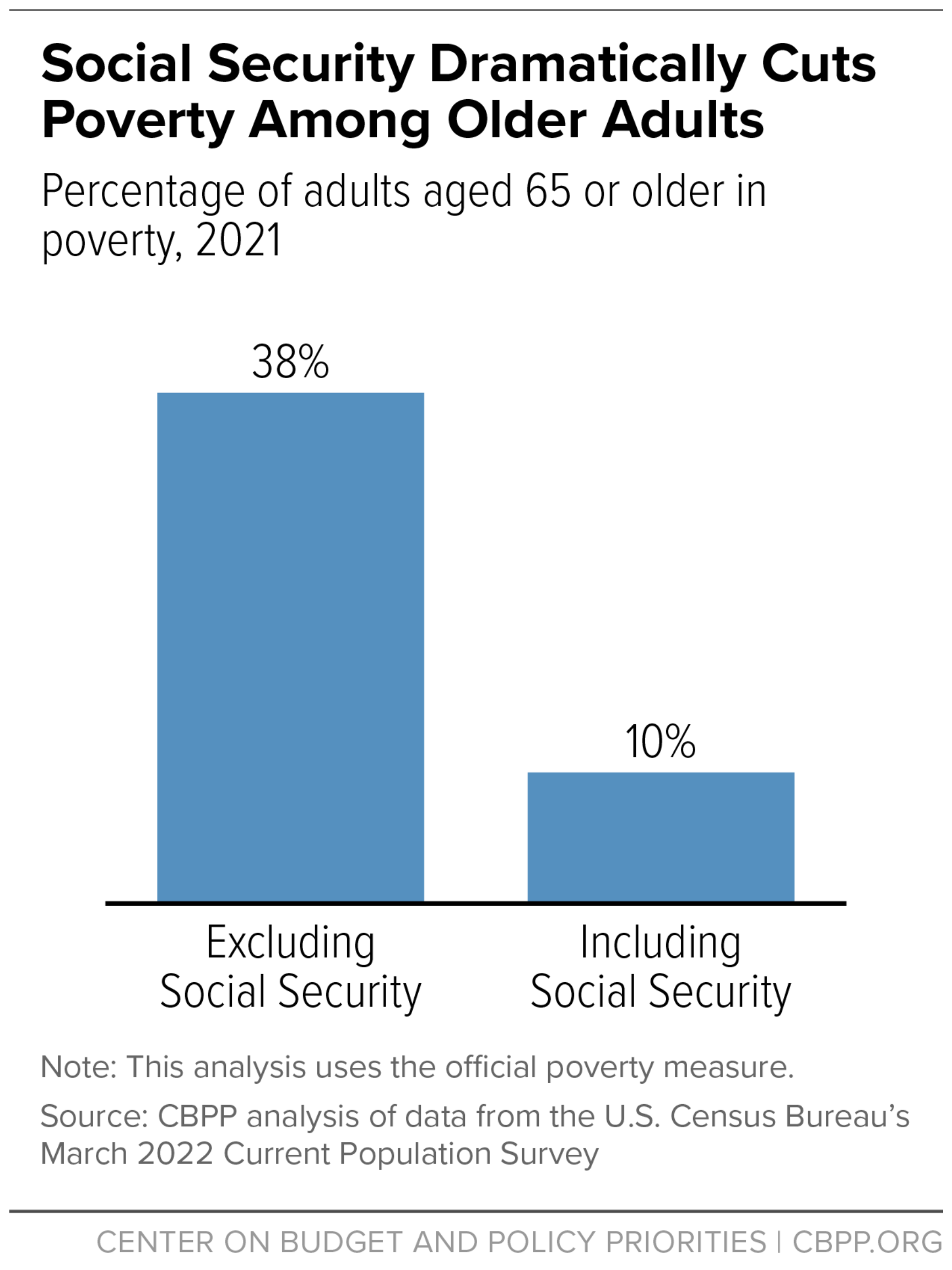
"Early in this century, being old meant being poor. When President Roosevelt created Social Security, thousands wrote to thank him for eliminating what one woman called "the stark terror of penniless, helpless old age." Even today, without Social Security, half our nation's elderly would be forced into poverty."
President Bill Clinton
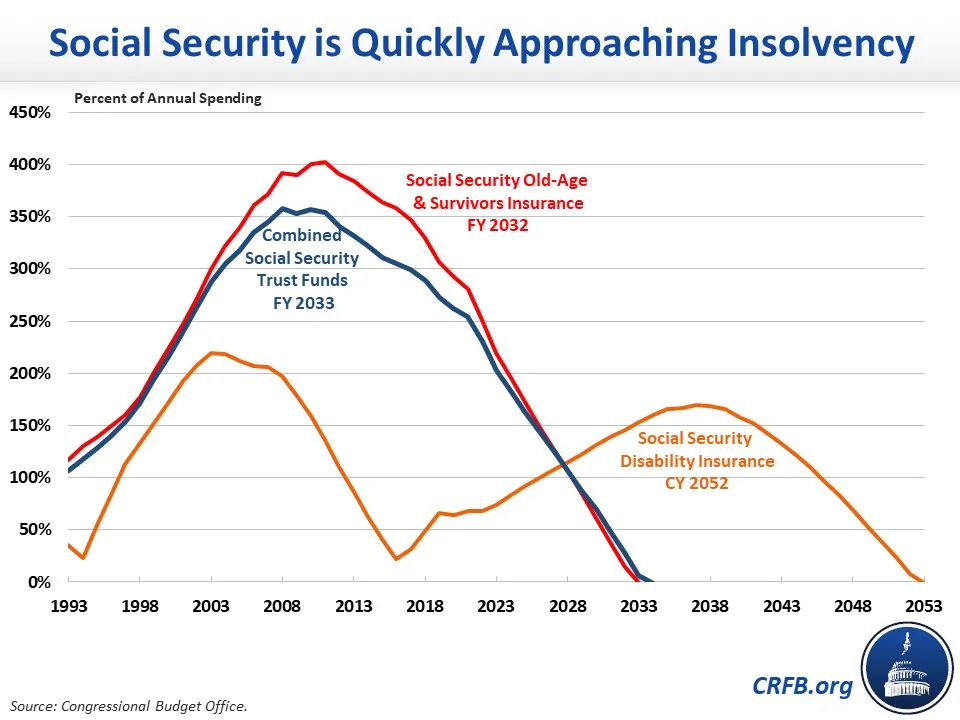
Some members of Congress argue that Social Security benefits should be reduced as part of broader efforts to manage the federal debt, even though the program isn’t a major driver of that debt. The real issue is that Social Security’s Trust Fund is projected to run out in 2035, at which point payroll taxes and benefit taxes would only cover about 75% of obligations. Lawmakers worry about this long-term shortfall and are debating whether to close the gap through benefit cuts, higher payroll taxes, or a mix of both. However, cutting benefits is politically unpopular and would hit middle- and lower-income retirees the hardest.
Couresty of Committee for a Responsible Federal Budget
"One of America's most important institutions—a symbol of the trust between generations—is also in need of wise and effective reform. Social Security was a great moral success of the 20th century, and we must honor its great purposes in this new century. The system, however, on its current path, is headed toward bankruptcy. And so we must join together to strengthen and save Social Security."
President Bill Clinton: State of Union Message(1993)
"Our basic objective toward which all others lead is to improve the welfare of the American people. In addition to economic prosperity, this means that we need social security in the fullest sense of the term; the people must be protected from the fear of want during old age, sickness, and unemployment."
Harry Truman: State of Union Message (1946)
Courtesy of U.S Census Bureau
"The best way to keep Social Security a rock solid guarantee is not to make drastic cuts in benefits; not to raise payroll tax rates; not to drain resources from Social Security in the name of saving it. Instead, I propose that we make the historic decision to invest the surplus to save Social Security. Specifically, I propose that we commit 60 percent of the budget surplus for the next 15 years to Social Security, investing a small portion in the private sector just as any private or state government pension would do. This will earn a higher return and keep Social Security sound for 55 years."
President Bill Clinton: State of Union Message(1993)
"Fixing Social Security permanently will require an open, candid review of the options. Some have suggested limiting benefits for wealthy retirees. Former Congressman Tim Penny has raised the possibility of indexing benefits to prices rather than wages. During the 1990s, my predecessor, President [Bill] Clinton, spoke of increasing the retirement age. Former Senator John Breaux suggested discouraging early collection of Social Security benefits. The late Senator Daniel Patrick Moynihan recommended changing the way benefits are calculated. All these ideas are on the table."
President George W. Bush: State of Union Message (2005)
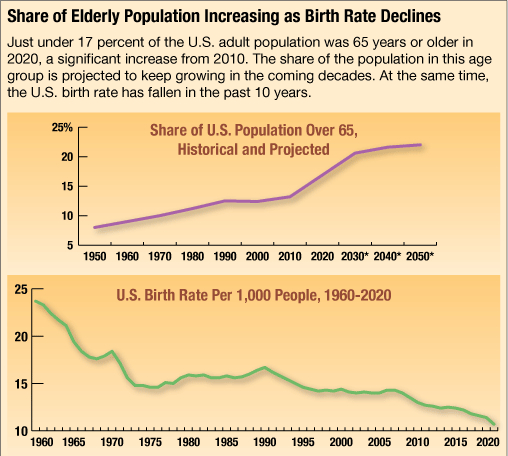
Social Security operates on a pay-as-you-go system, where current workers fund current retirees. As the baby boomer generation retires and birth rates fall, there are fewer workers paying into the system while more people collect benefits, creating strain. Americans today live longer, with the average 65-year-old expected to live more than 20 years, compared to 14 years when Social Security began. Some advocate cutting benefits and shrinking the payroll tax, while others call for raising taxes and expanding benefits; experts say the longer Congress waits, the more abrupt and difficult any changes will be.
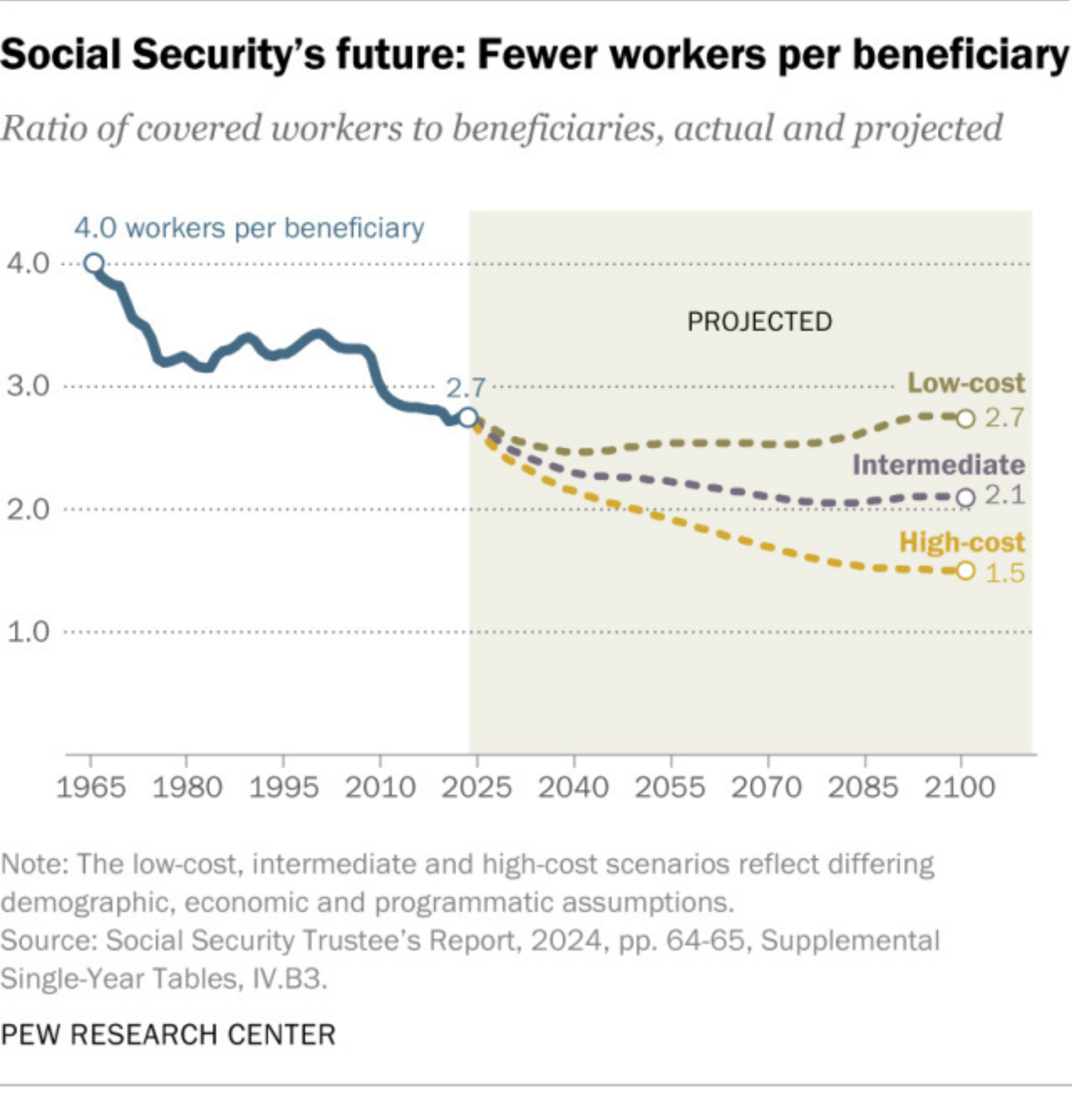
Courtesy of Paw Research Center
"No government can provide social security. It is not in the nature of government to be able to provide anything. Government itself is not self-supporting. It lives by taxation. Therefore, since it cannot provide for itself but by taking toll of what the people produce, how can it provide social security for the people?"
Garet Garrett, Journalist
"As we fix Social Security, we also have the responsibility to make the system a better deal for younger workers. And the best way to reach that goal is through voluntary personal retirement accounts. Here is how the idea works. Right now, a set portion of the money you earn is taken out of your paycheck to pay for the Social Security benefits of today's retirees. If you're a younger worker, I believe you should be able to set aside part of that money in your own retirement account, so you can build a nest egg for your own future.."
President George W. Bush: State of Union Message(2005)
"If we do not act now to strengthen Social Security, the system that so many depend upon today will be unable to meet its promises to tomorrow's retirees, and it will burden our children and grandchildren with exhaustive taxes."
Chris Chocola, Businessman
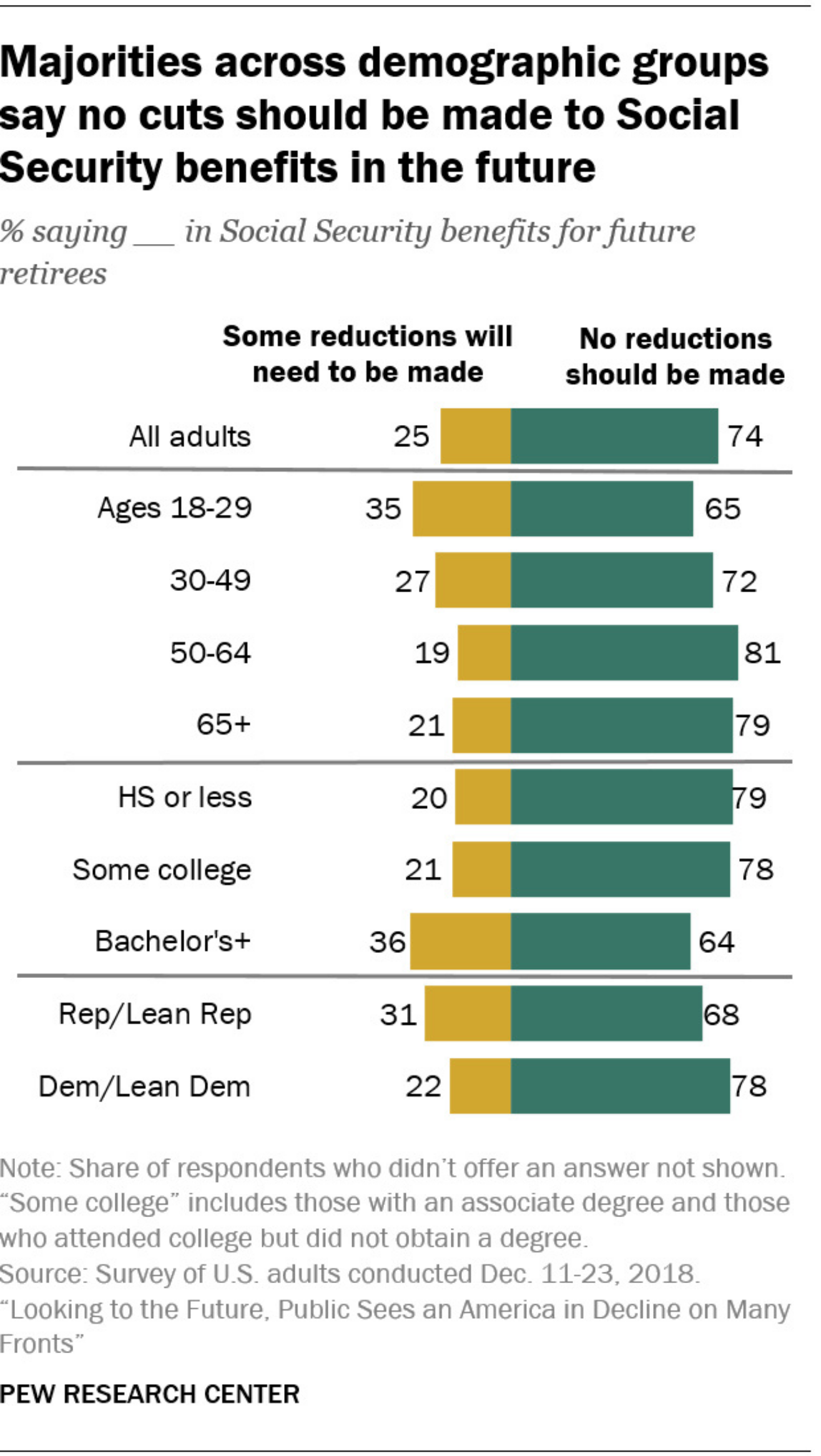
Courtesy of Pew Research Center
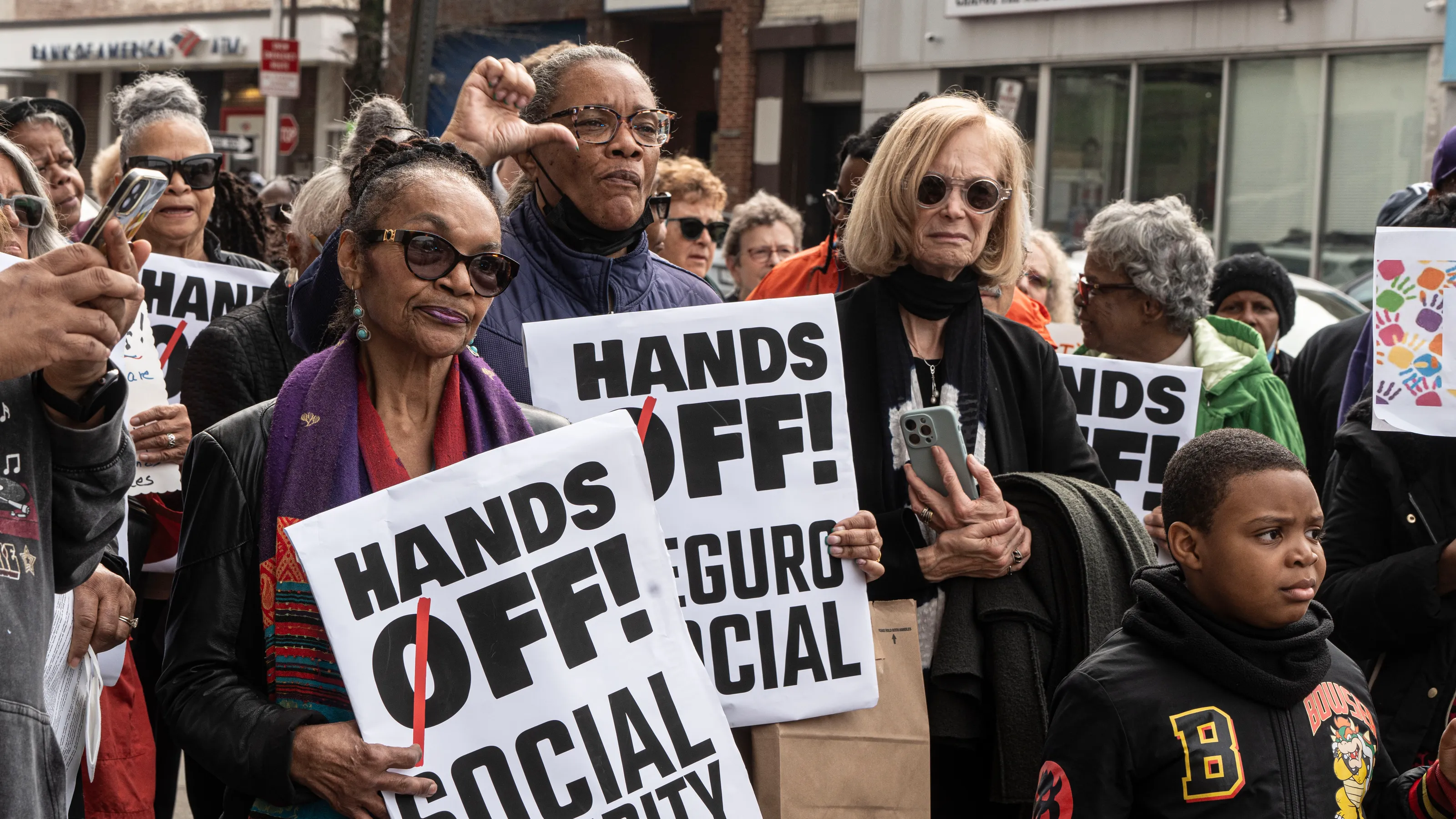
Courtesy of Boston Globe
"It's critical - that the people that are benefiting today from Medicare and Social Security that they not see benefit reductions. It's awfully hard to tell someone who might be 82, that they've gotta go back to work, because their benefits are gonna be chopped. That's not gonna happen."
Fred Upton, U.S Representative
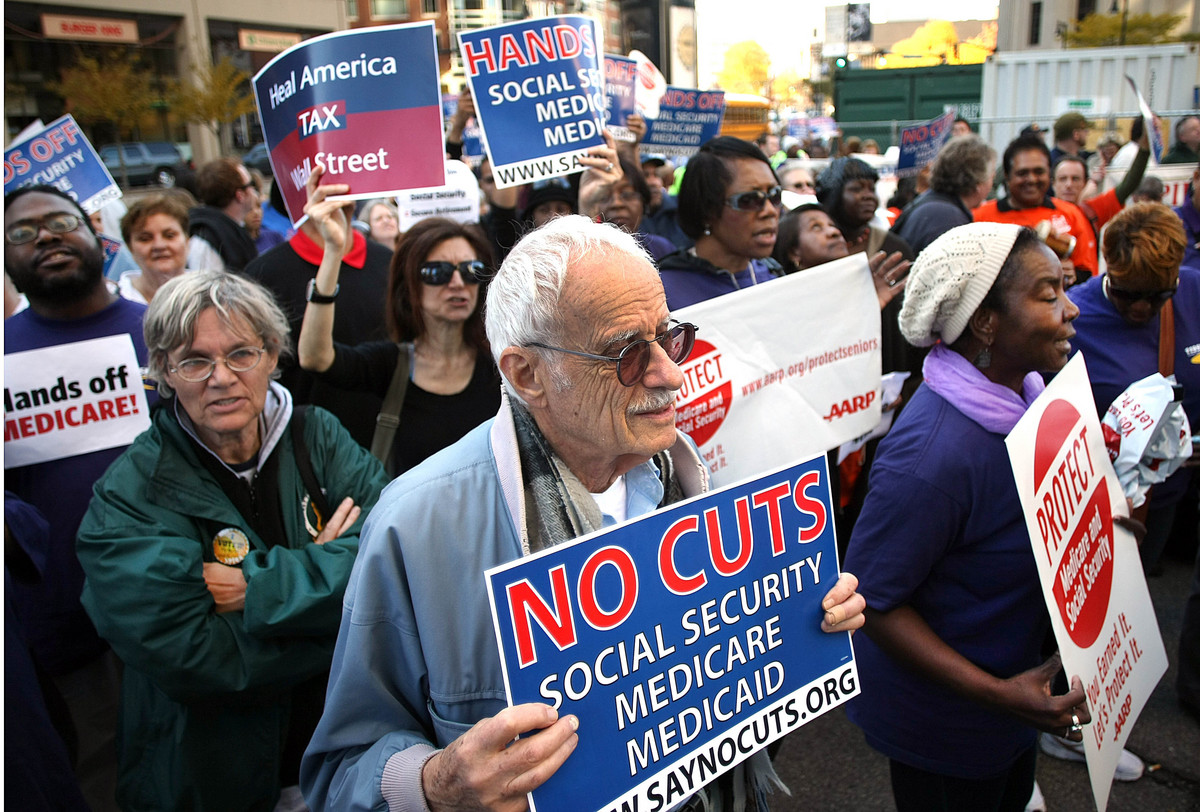
Courtesy of Boston Globe
"But here's what I would tell people of my generation. I turn 40 this year. There isn't going to be Social Security. There isn't going to be Medicare when you retire. Forget about what your benefit is going to look like. There isn't going to be one if we don't make some reforms to save that program now."
Marco Rubio, U.S Senator
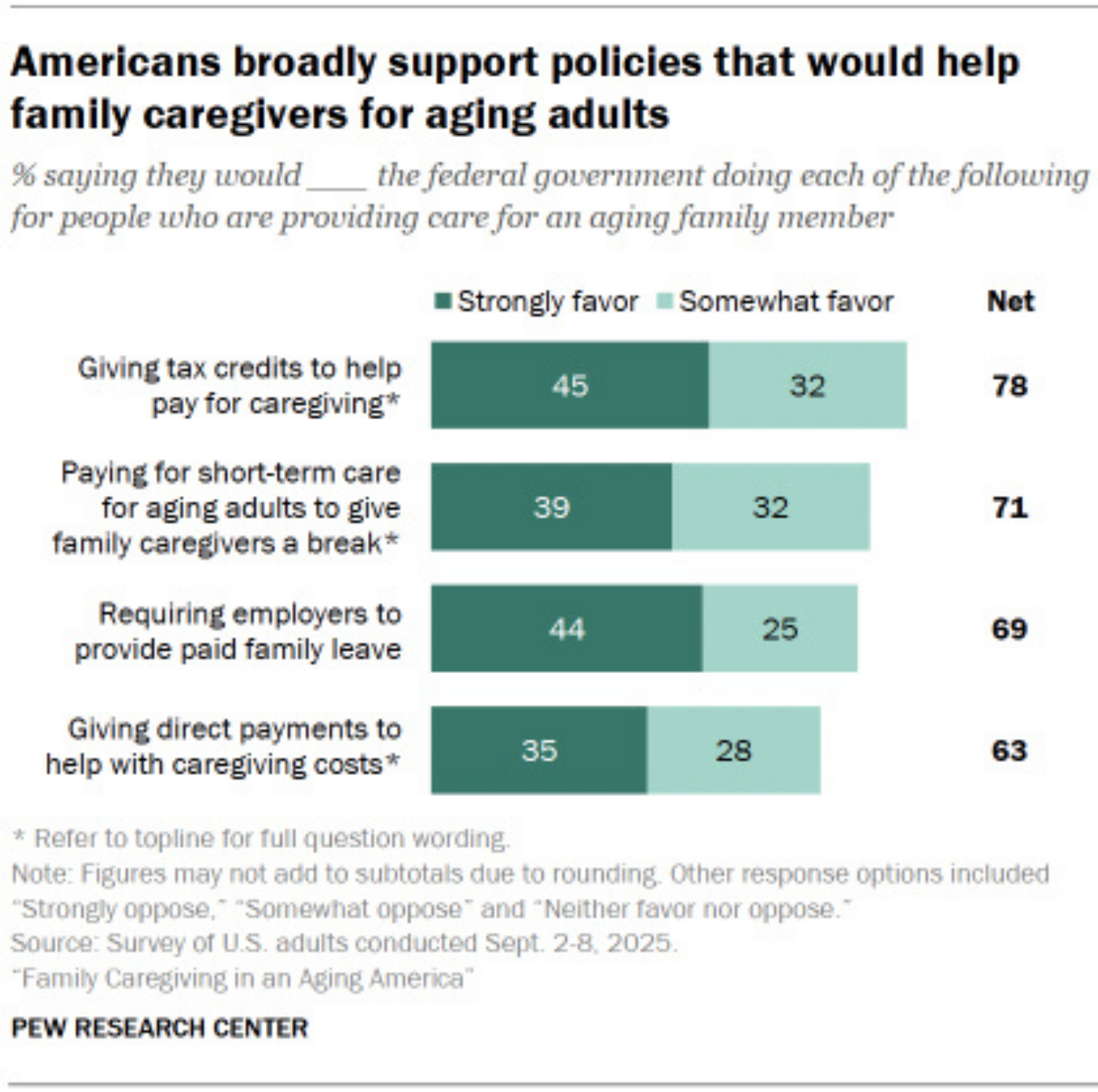
Courtesy of Pew Research Center