Courtesy of U.S Census Bureau
A New Deal for America: How Social Security Redefined Government's Role
Modern Debate
Today, Social Security continues to face political and economic challenges. Some members of Congress argue that benefits should be reduced as part of broader efforts to manage the federal debt, even though Social Security is not a primary cause of that debt.
Courtesy of U.S Census Bureau
Courtesy of Paw Research Center
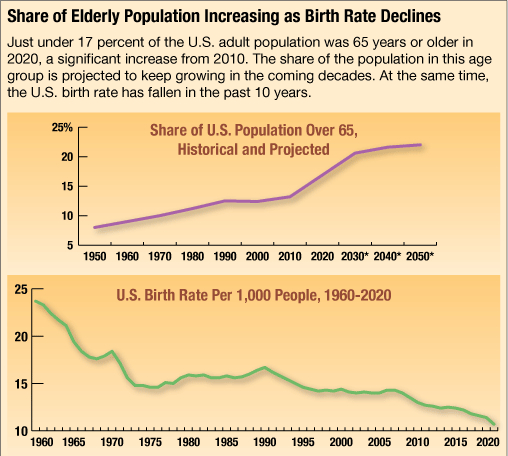
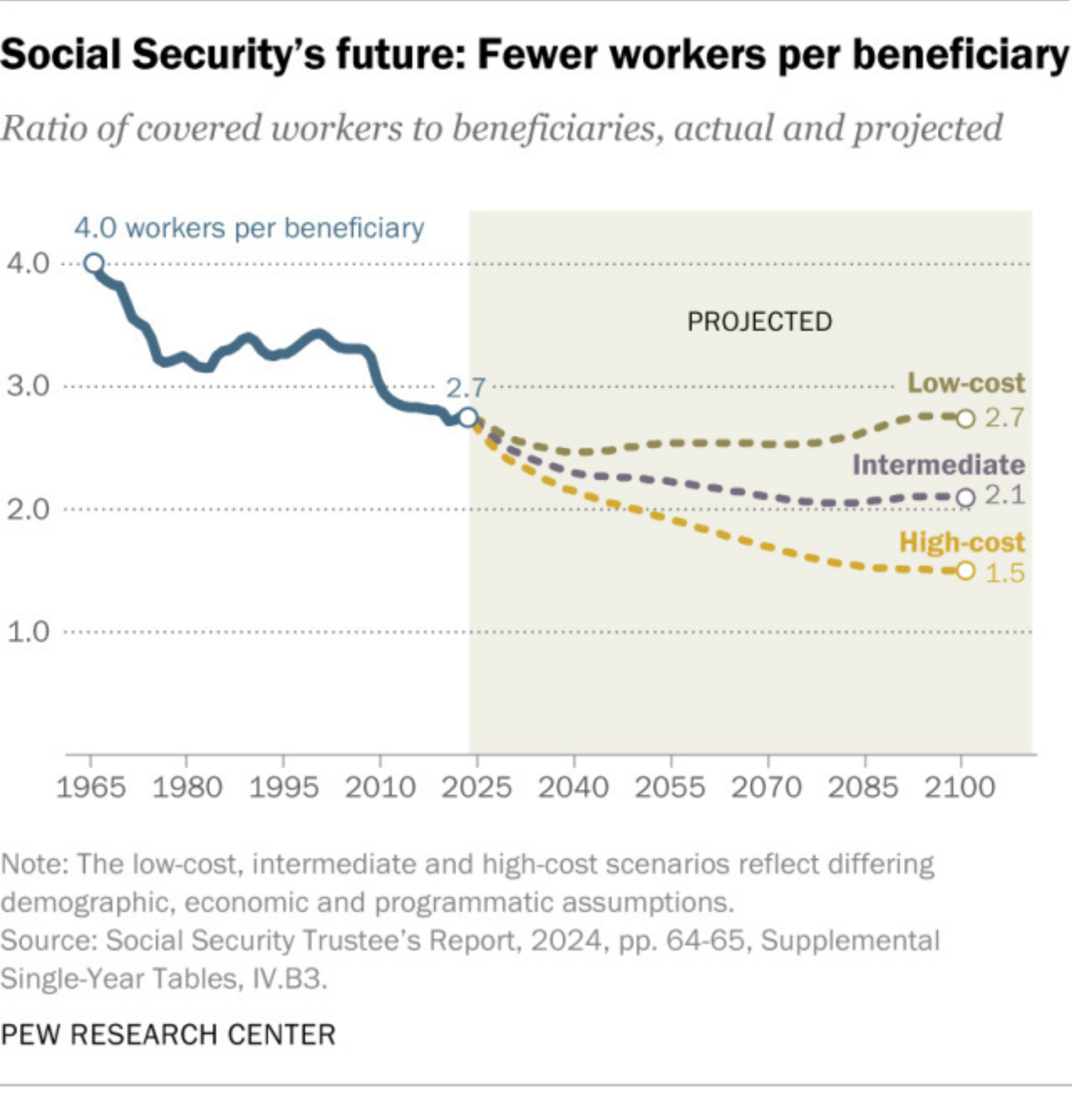
The program operates on a pay-as-you-go system in which current workers fund the benefits of current retirees. As the baby boomer generation retires and birth rates decline, fewer workers are paying into the system while more individuals collect benefits, placing increasing strain on the program. Americans also live longer than they did when Social Security was first created, increasing the length of time benefits are paid.
Courtesy of Committee for a Responsible Federal Budget
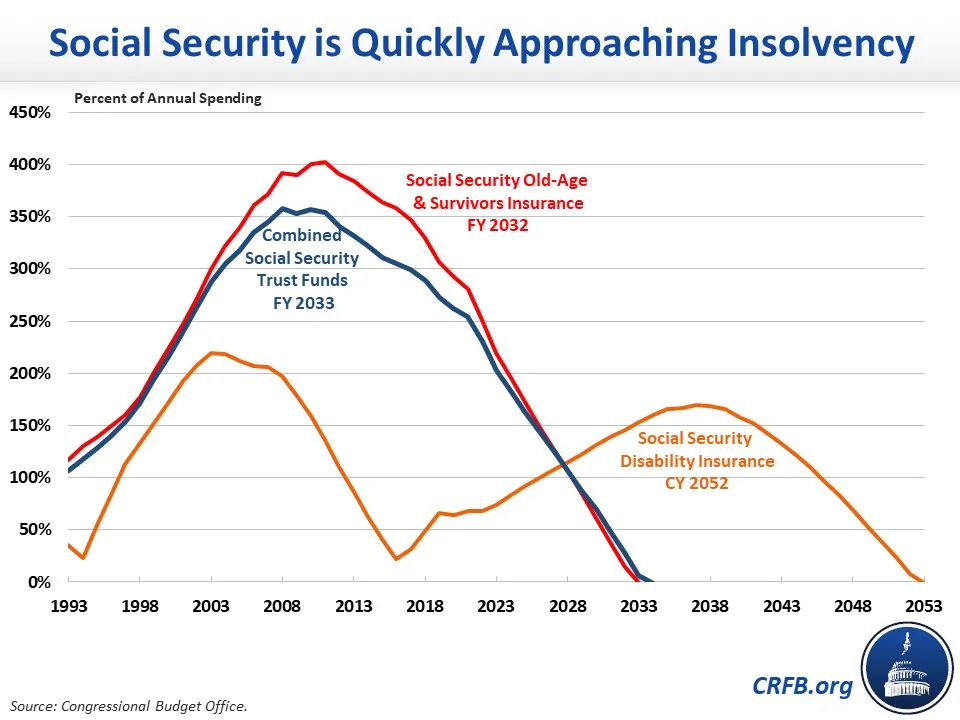
The Social Security’s Trust Fund is projected to run out in 2035, at which point payroll taxes would cover only about seventy-five percent of scheduled benefits. Lawmakers continue debating whether to address the shortfall through benefit reductions, higher payroll taxes, or a combination of both.
Courtesy of American History
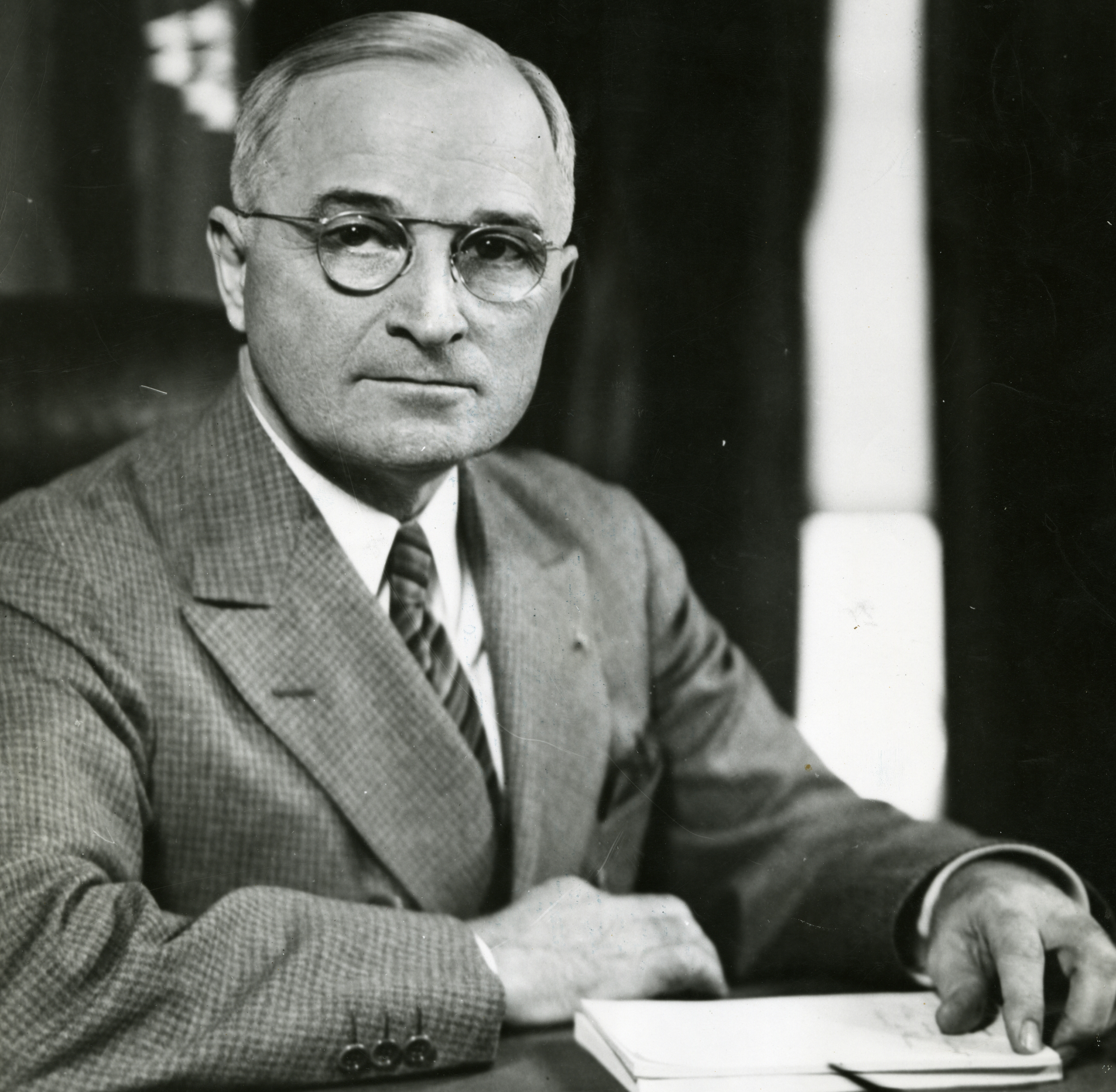
" In addition to economic prosperity, this means that we need social security in the fullest sense of the term; the people must be protected from the fear of want during old age, sickness, and unemployment."
Harry Truman: State of Union Message (1946)
Courtesy of American History
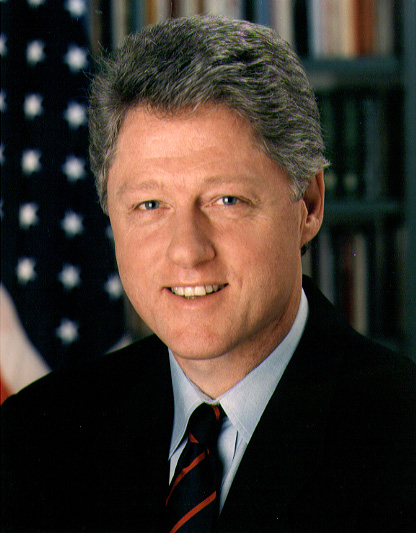
" Social Security was a great moral success of the 20th century, and we must honor its great purposes in this new century. The system, however, on its current path, is headed toward bankruptcy. And so we must join together to strengthen and save Social Security."
President Bill Clinton: State of Union Message(1993)
Courtesy of American History
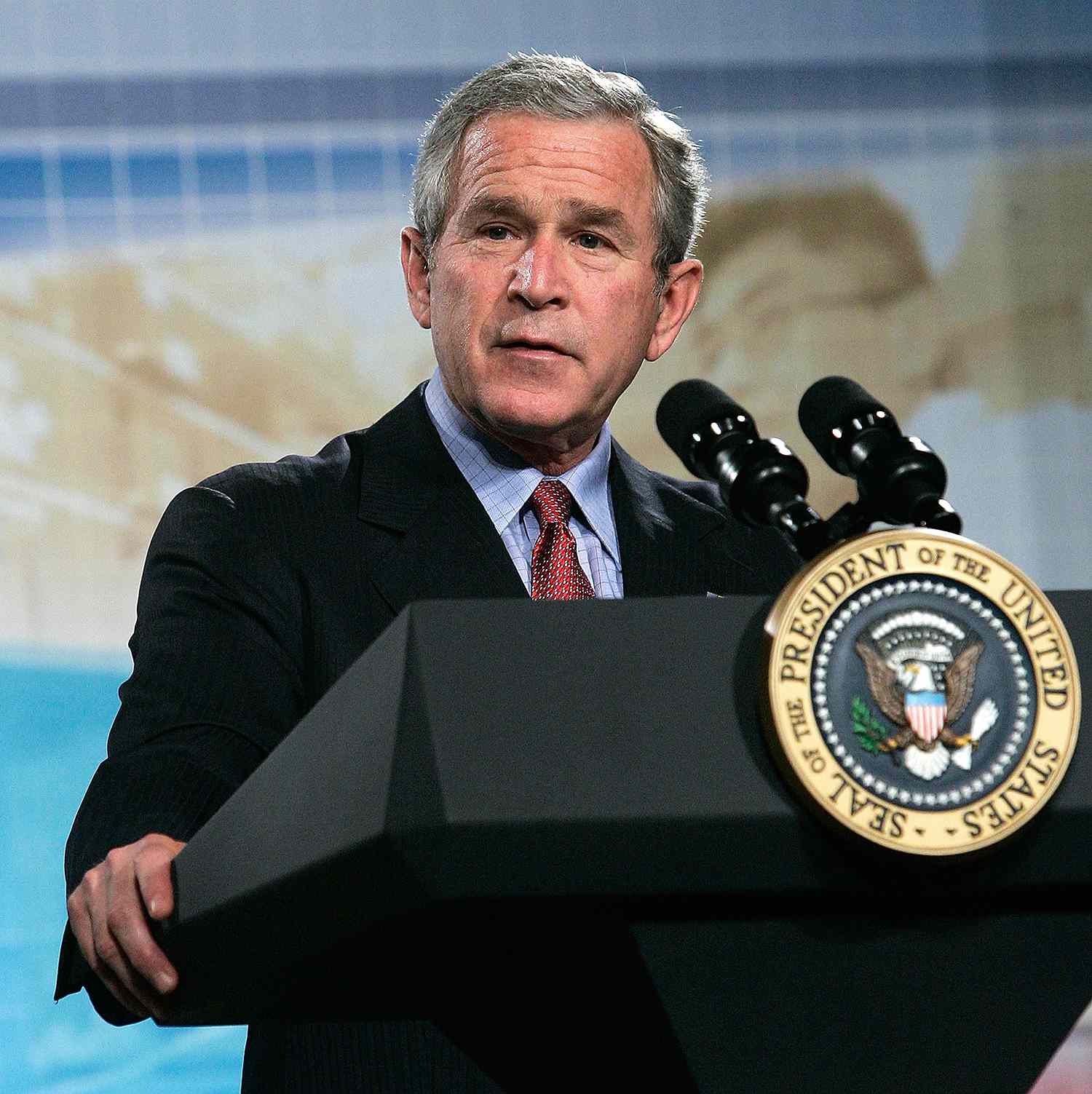
"The best way to reach that goal is through voluntary personal retirement accounts...If you're a younger worker, I believe you should be able to set aside part of that money in your own retirement account, so you can build a nest egg for your own future."
President George W. Bush: State of Union Message(2005)
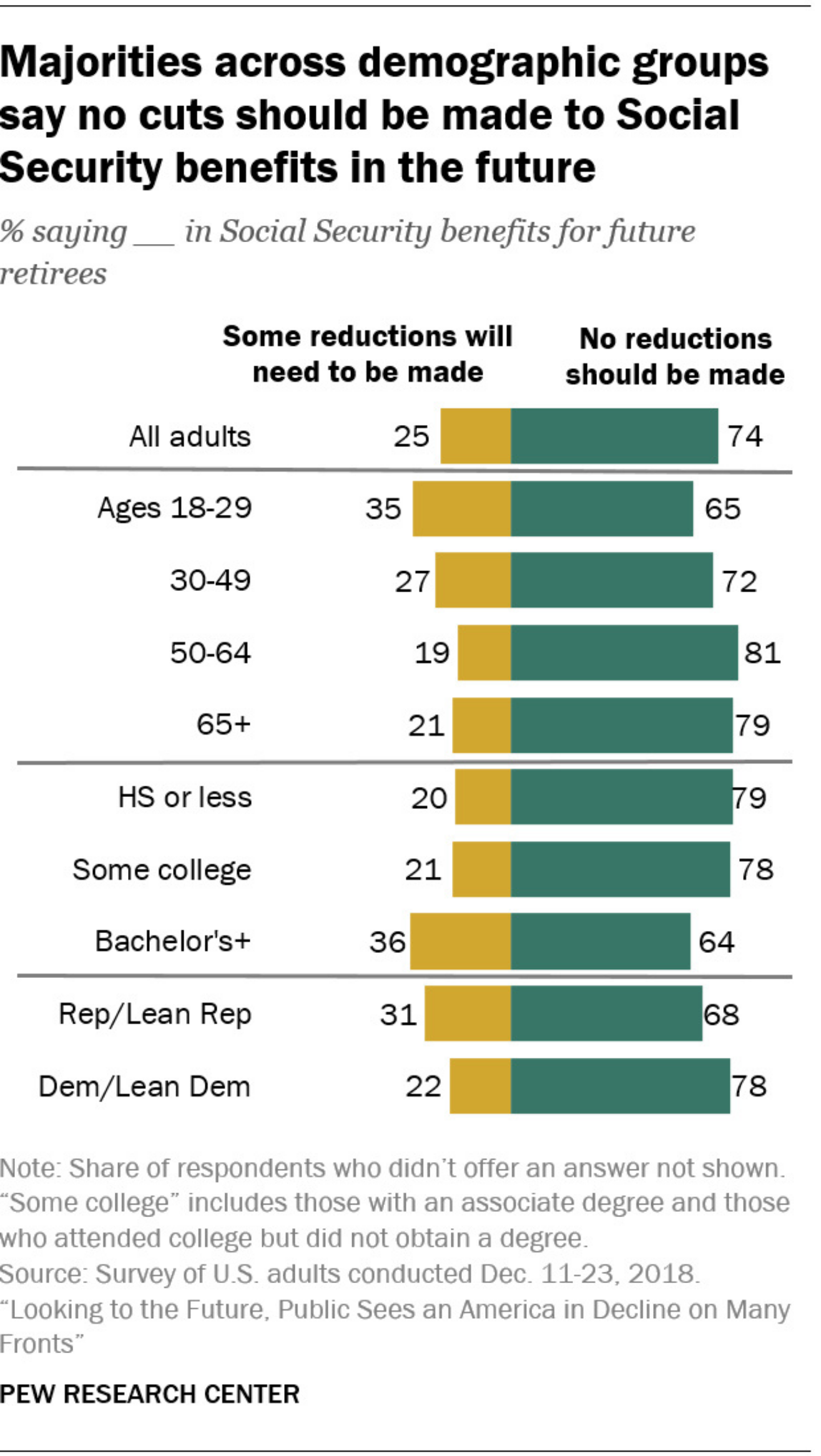
Some support reducing benefits and limiting taxes to preserve the system’s financial stability, while others advocate raising taxes and expanding benefits to strengthen support for retirees. However, benefit cuts remain unpopular and would most heavily affect middle- and lower-income retirees who depend on Social Security for economic security.
Courtesy of Pew Research Center
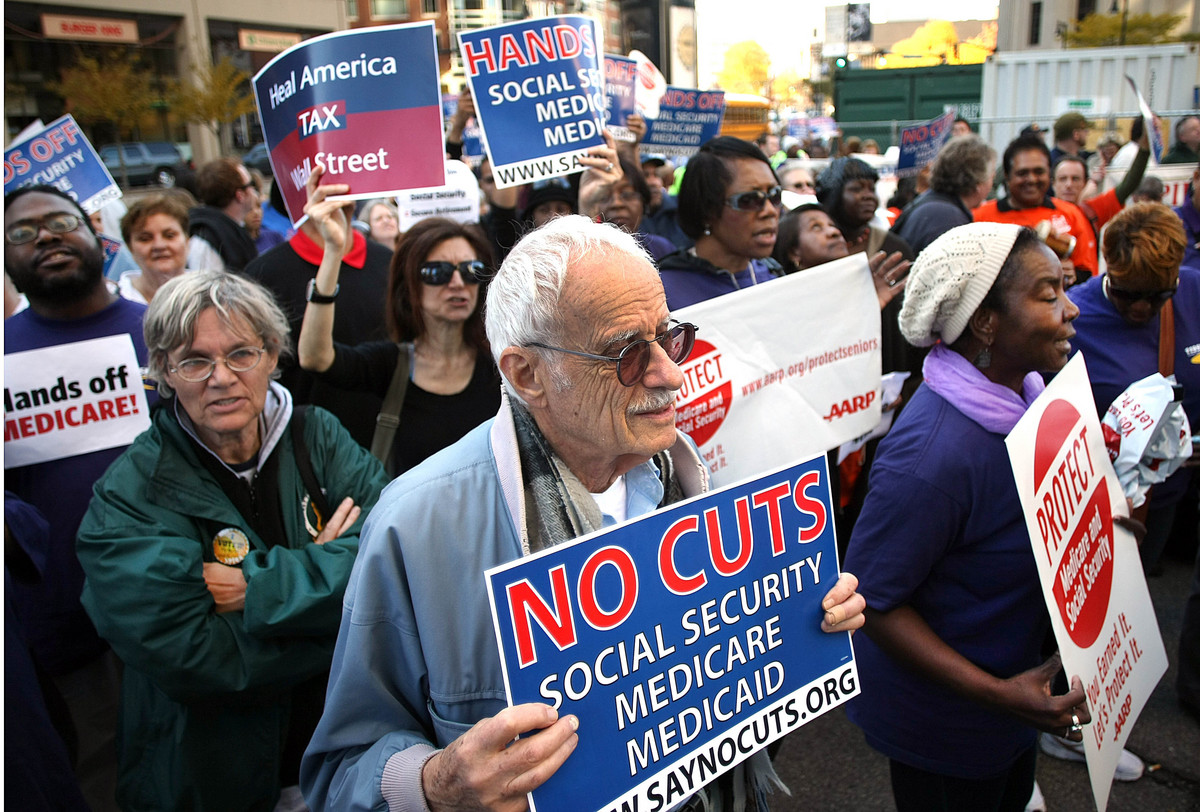
"It's critical - that the people that are benefiting today from Medicare and Social Security that they not see benefit reductions. It's awfully hard to tell someone who might be 82, that they've gotta go back to work, because their benefits are gonna be chopped. That's not gonna happen."
Fred Upton, U.S Representative
Courtesy of Boston Globe
"But here's what I would tell people of my generation. I turn 40 this year. There isn't going to be Social Security. There isn't going to be Medicare when you retire. Forget about what your benefit is going to look like. There isn't going to be one if we don't make some reforms to save that program now."
Marco Rubio, U.S Senator
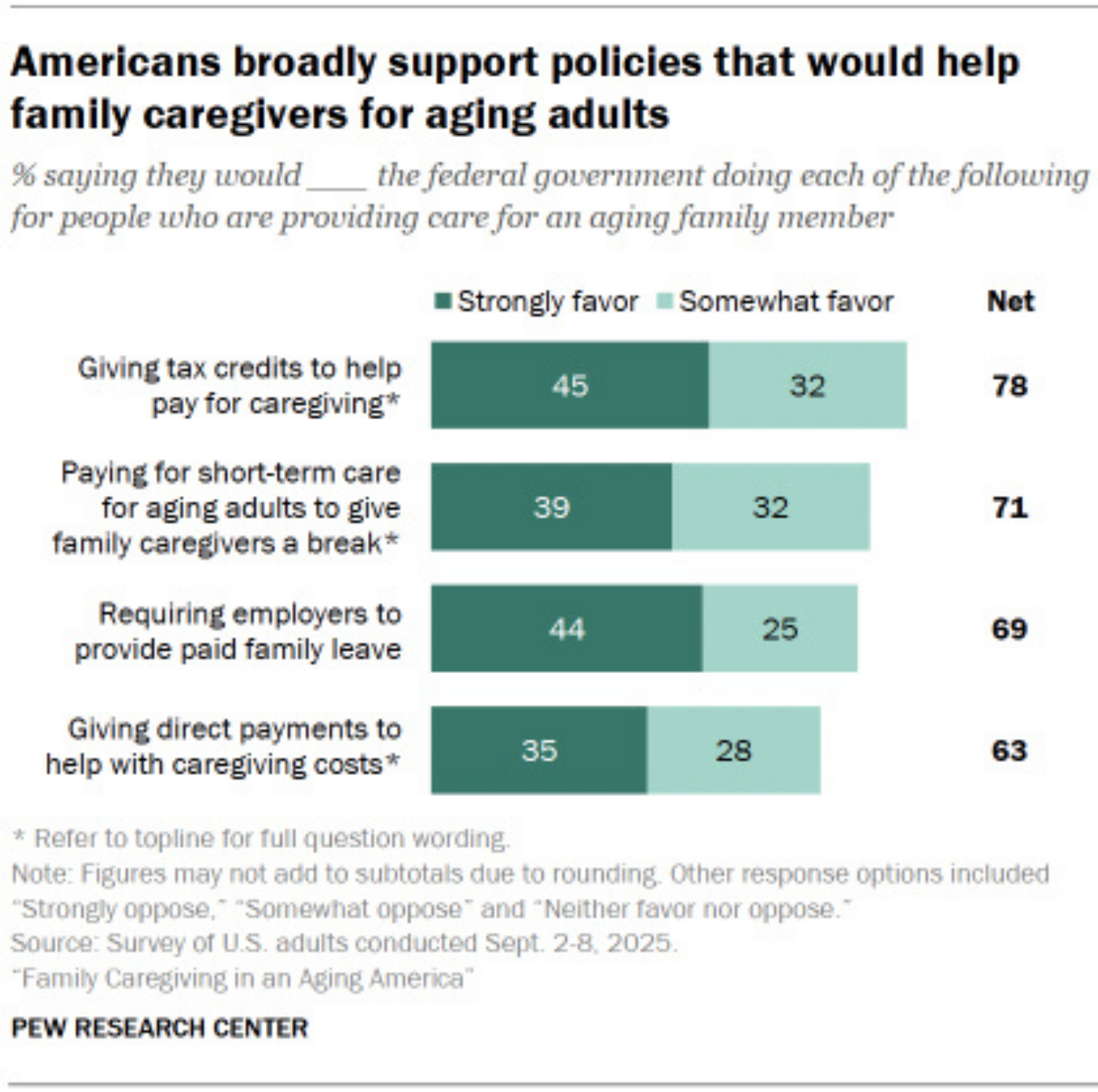
Courtesy of Pew Research Center
Experts warn that delaying action will require more severe adjustments in the future. Addressing the issue sooner could allow for gradual reforms that protect both current beneficiaries and future generations while preserving one of the most significant social welfare programs in American history.