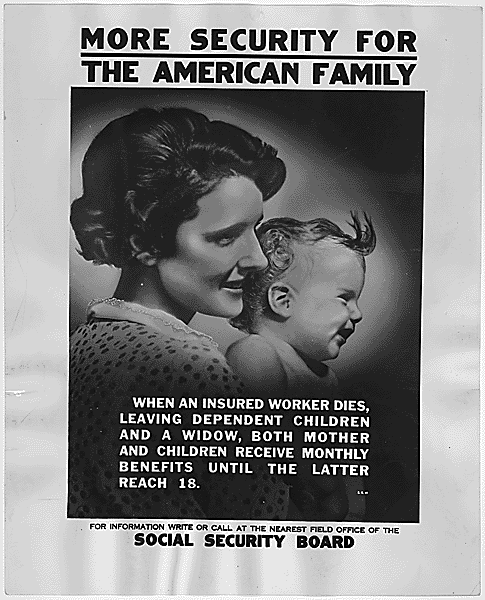
Courtesy of Social Security History Archives
A New Deal for America: How Social Security Redefined Government's Role
The Social Security Act of 1935 was a significant milestone in American history that revolutionized the government’s role in safeguarding its citizens from economic hardship. Introduced as part of Franklin D. Roosevelt’s New Deal to combat the Great Depression, it provided federal assistance for the elderly, unemployed, and disabled. This bold reform replaced decades of limited, hands-off government policies with a new promise of shared responsibility between the state and its people. The success of the program sparked a major shift in American society and government, redefining citizens’ expectations of their nation. Even today, it continues to shape debates about security, fairness, and reform.
Courtesy of Social Security History Archives
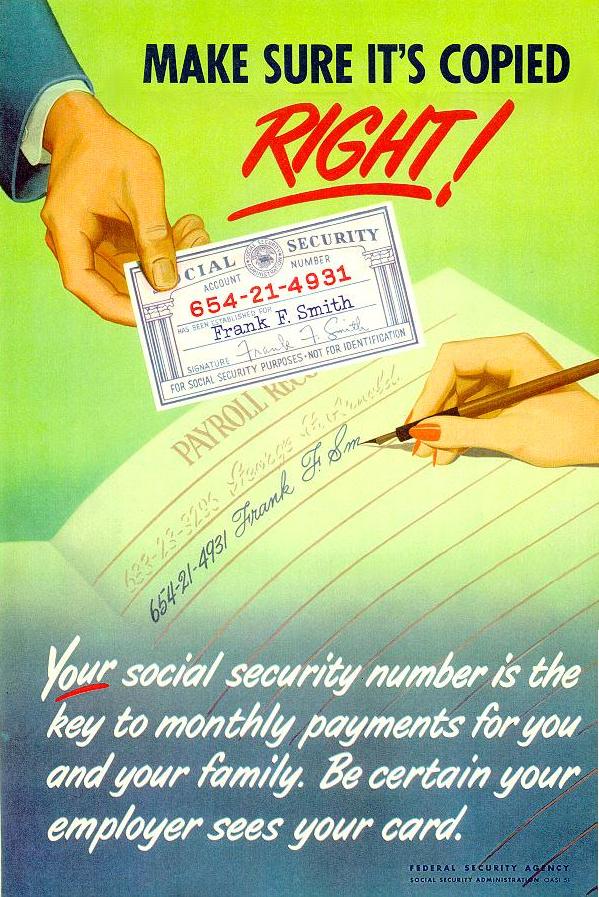
Courtesy of Social Security History Archives
"We have tried to frame a law which gives some measure of protection to the average citizen and his family against the loss of a job and against poverty-ridden old age"
President Franklin D. Roosevelt (1935)