C - Child Abuse and Everyday Life

"The whole plan at an Indian boarding school is that of a home in which everyone does his own part of the work. The work of all goes to make the comfortable, sanitary, well-regulated life equal to the best regulated American."

--The Oglala light

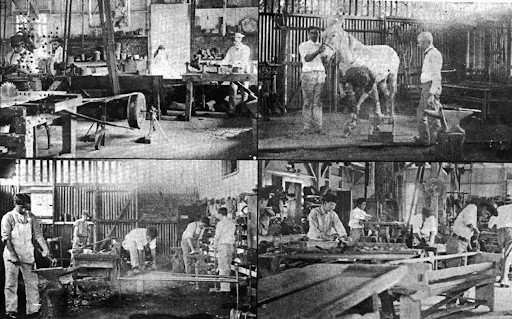
“It was no easier for the families who sent their children away on trains to the boarding schools who had promised to take care of them. They hoped that the education the children would get at the schools would help them later in life. but instead, the students' most basic needs were often neglected, they were only trained to do the most menial labor, and the school staff did their best to alienate students from their cultures, families and tribes.”

--Attendees at IUPUI University
EVERYDAY LIFE

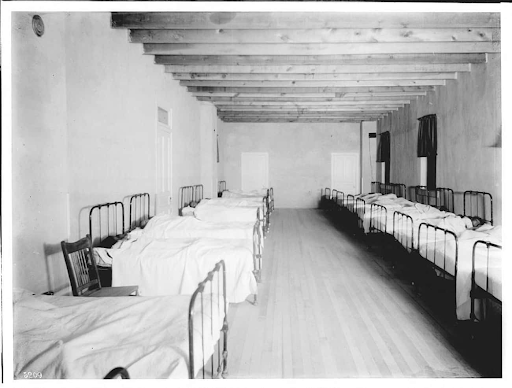
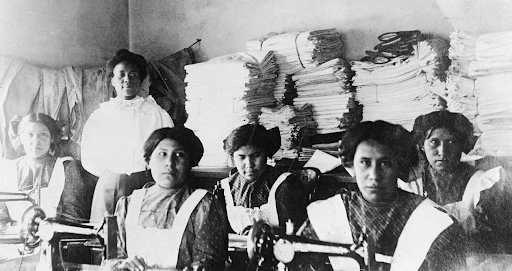
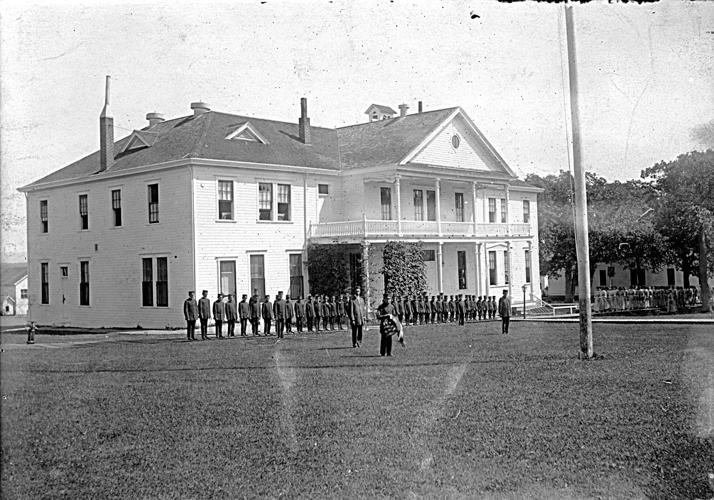
"Indian boarding school at Fort Simcoe around 1900," (Yakima Valley Museum).

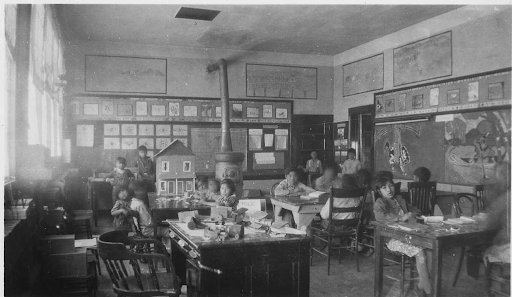
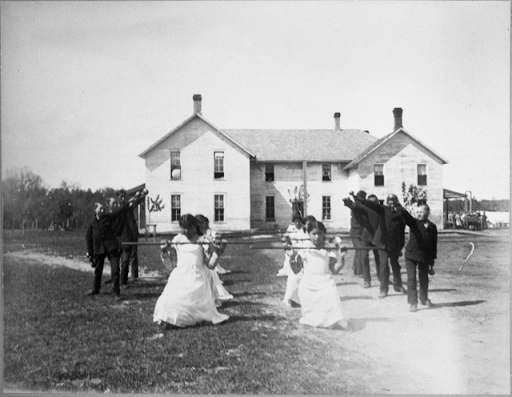
Daily life at an Indian boarding school was harsh, disciplined, and labor-intensive. The students followed a firm, military-like schedule throughout the day, completing tasks even when presented with conditions that may have hindered them, such as an injury or weather conditions. 

“[...]At Tulalip School in Washington state, one former student recalled that whether 'it was raining, snowing or blowing, we all went outside and did what was called 'setting up exercises' for 20 minutes' [...] Students woke up early in the mornings, made their beds and dressed in their uniforms — no traditional clothing allowed. They then marched out to exercises or have breakfast, depending on the school.

​​​​​​​--Melissa Satore

(Source: Ranker).

(Source: Ranker)

(Source: Equal Justice initiative).

(Source: Ranker).

"The parents of these Indian children are ignorant, and know nothing of the value of education, and there are no elevating circumstances in the home circle to arouse the ambition of the children. Parental authority is hardly known or exercised among the Indians in this agency. The agent should be endowed with some kind of authority to enforce attendance. The agent here has found that a threat to depose a captain if he does not make the children attend school has had a good effect."

-- John S. Ward

The stated intention of the federal government and other sponsors of the Indian schools was to help Native Americans transition into modern society, and provide a proper education for Indigenous children. And, to some extent, perhaps that was true. However, behind closed doors, the methods used to accomplish these goals were anything but helpful. Most times, authorities admitted children to boarding schools against their will.

Indigenous children were taken as early as four years old by either Bureau of Indian Affairs truancy officers or Christian missionaries working for an Indian boarding school, and many times were separated from their families and tribes for long periods, sometimes spending months or even years without seeing them. Other times, they never saw them again. 

“I have listened to stories from the elders who talked about being on the high point of the river, where their parents were down there fishing, and having this police car come and just take them all away and never seeing their parents again."

--Tawna Sanchez

(Source: Ranker).

ABUSE

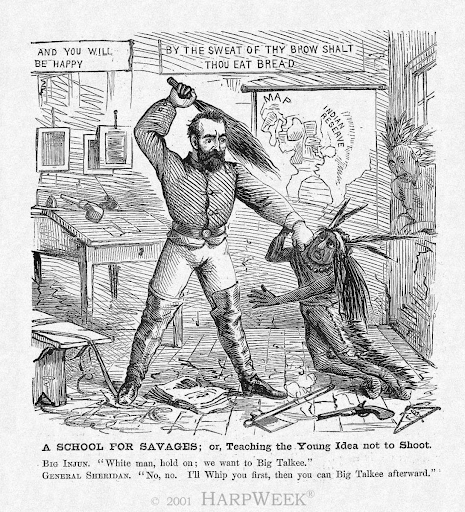
"You will hear many objections to education and many criticisms. Bear in mind that education means training and you will be able to meet all such objections. All animals that serve man must be trained. What good is a dog which has not been taught to obey? [...] A horse until thoroughly broken to saddle and harness is not very valuable."

--R.W.D. Bryan

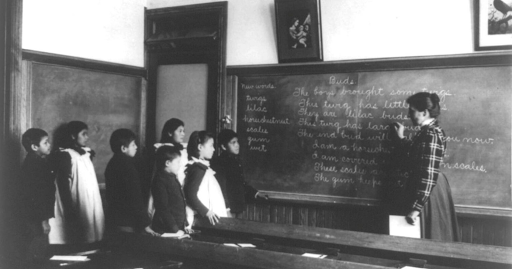
“They tell us not to speak in [the] Navajo language. You’re going to school. You’re supposed to only speak English. And it was true. They did practice that and we got punished if you [were] caught speaking Navajo.”

--John Brown, Jr.

 (Source: Myths of the American West).

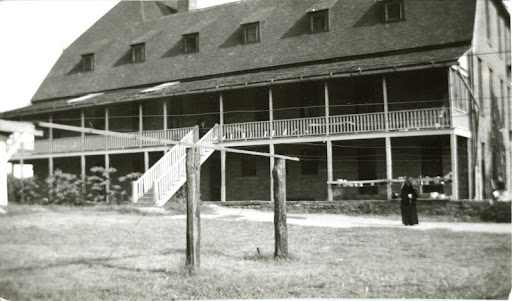
       Indian boarding schools had strict rules and practices to control the attendees, and violators faced stiff punishment. For example, when children first arrived, they were separated by gender and forced to cut their hair, a traditional practice used when loved ones pass away. They had to wear American clothing, practice Christianity, were prohibited from speaking their native language, and do taxing labor every day. 

“There is not one Indian child who has not come home in shame and tears after one of those sessions in which he is taught that his people were dirty, animal-like, something less than a human being.”

–Rupert Costo

Staff subjected the children to solitary confinement, starvation, flogging, cuffing, and more if they didn't obey. Furthermore, older children disciplined younger children, and many students tried to run away. However, this was met with either the school forcing them back or even sometimes their parents, who weren’t informed about the conditions back at the boarding schools.

        “Sometimes their parents forced them to return. When Theodore Fontaine arrived home after running away from the Fort Alexander school near Winnipeg, Manitoba, his mother told him he had to go back. He told her he would run away again, but his mother won out in the end and Fontaine went back to Fort Alexander.”                                                                                                                                                                                                                                                        --Mellissa Satore, 2021

(Source: Ohio Capital Journal).

(Source: Loretto Community).

Next Page