Historical Context

Historical Context

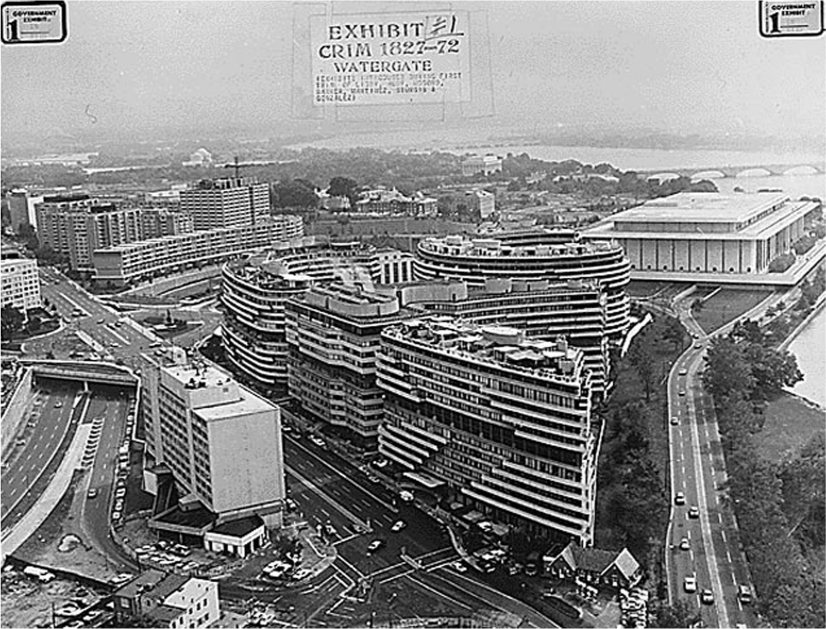
The Watergate Complex, 1972, Bill Of Rights Institute 
Before the Privacy Act of 1974 was enacted, many corporations, and the government, were allowed to collect information without any reason and use it wherever they wished to. Citizens had no reasonable way to access the information that the government stored.

​​​​​​​


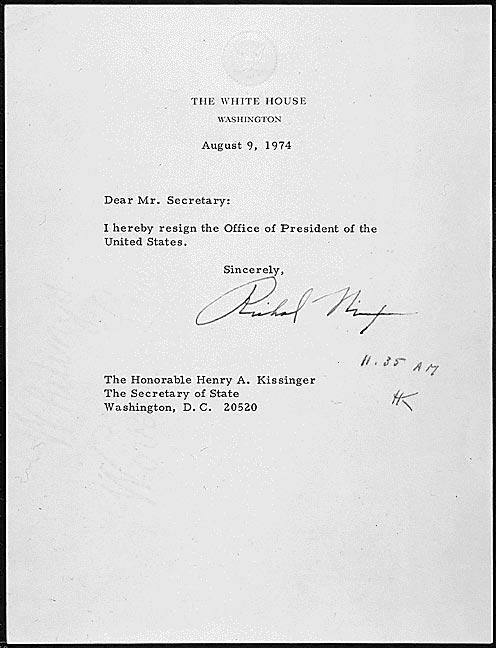
An incident involving wiretapping was the Watergate Scandal. In 1972, President Richard Nixon was involved in a large scandal known as the Watergate Scandal. The Nixon Administration had formed “the Plumbers” to fix data leaks that could expose private information.

Nixon's letter of resignation, 1974, Ford Library Museum
The most substantial leak was the Pentagon Papers, which was a government document containing Vietnam war information. However, while attempting to plug this leak, the Plumbers’ motives changed and they ended up trying to sabotage other political opponents. This is when the Nixon administration authorized the Plumbers to break into Watergate Complex to place wires in the offices.

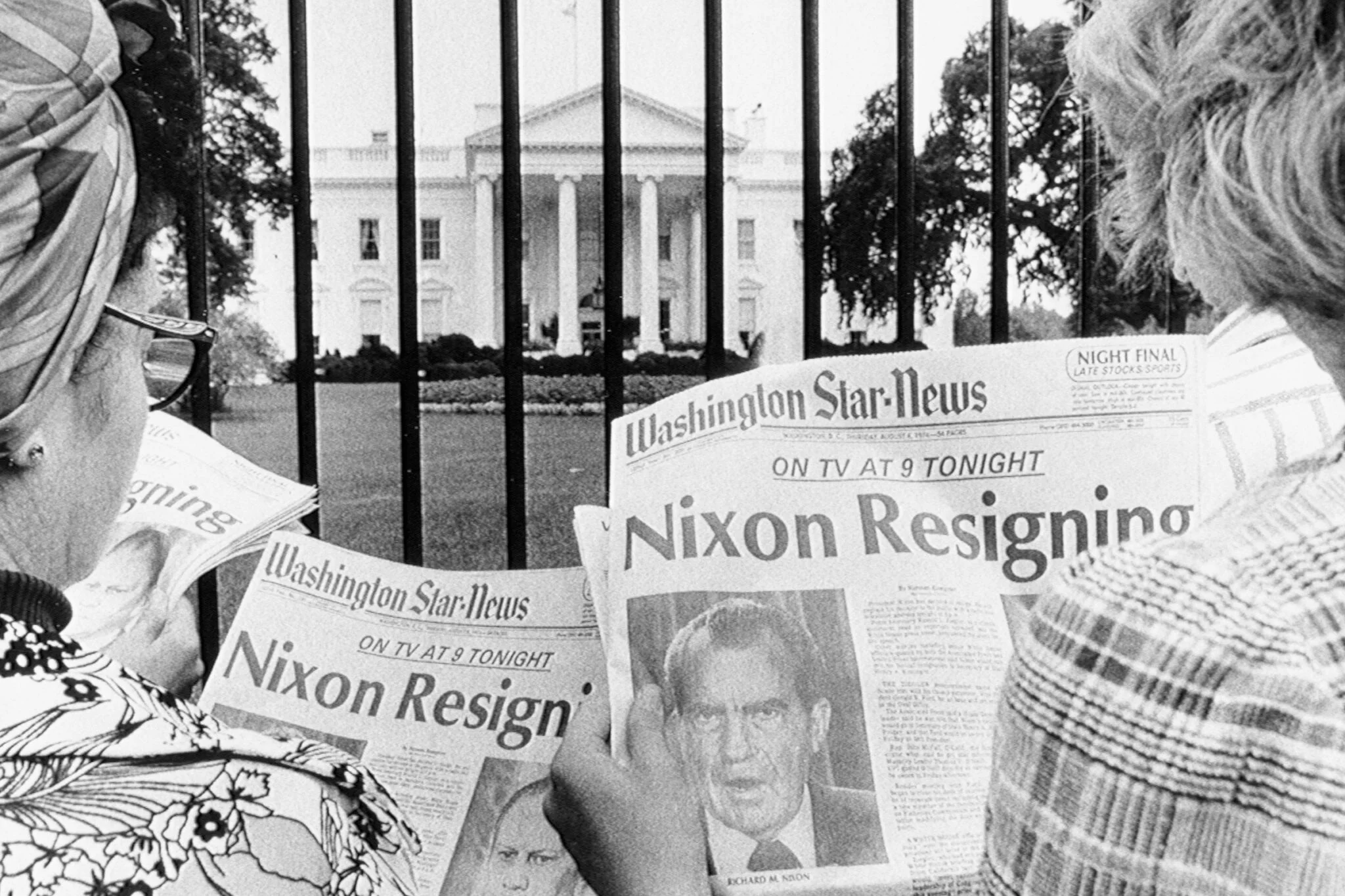
Headlines about Nixon resigning, Harvard Law School
The Plumbers were caught in the second break-in attempt. Bob Woodward and Carl Bernstein investigated Watergate. They popularized the situation which ended up forcing Nixon to resign from running for his second term as president. This scandal brought to light the need for legislation to create an act to protect citizens' privacy

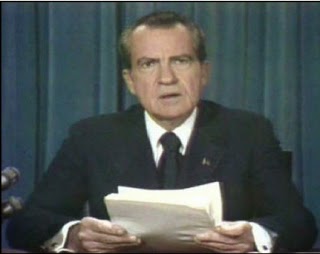
Nixon giving his resignation speech, 1974, History.com

"In the past few days, however, it has become evident to me that I no longer have a strong enough political base in the Congress to justify continuing that effort. As long as there was such a base, I felt strongly that it was necessary to see the constitutional process through to its conclusion, that to do otherwise would be unfaithful to the spirit of that deliberately difficult process and a dangerously destabilizing precedent for the future. But with the disappearance of that base, I now believe that the constitutional purpose has been served, and there is no longer a need for the process to be prolonged." - Richard Nixon resigning from office, August 8, 1974.