Richard Nixon’s Visit to China: The Turning Point in Sino-American Relations that Forever Reshaped the Geopolitical Landscape of the World
Cultural Exchanges
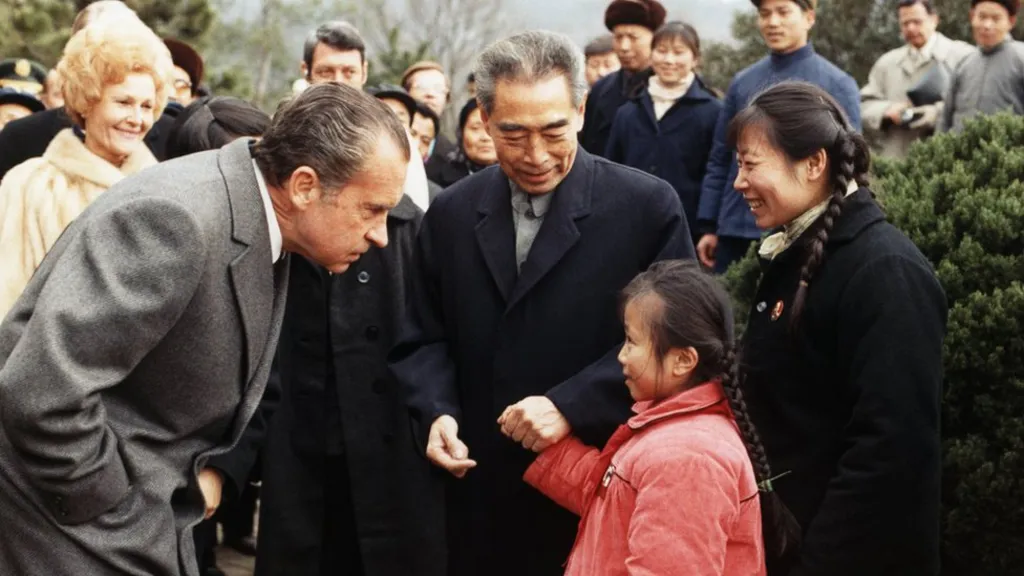
"President Richard Nixon speaks to a Young Girl during his Visit to China." The Color Archives / Alamy Stock Photo
Richard Nixon's trip established a new normal for how Americans viewed the Chinese. The lifting of international restrictions opened up opportunities for important cultural exchanges.
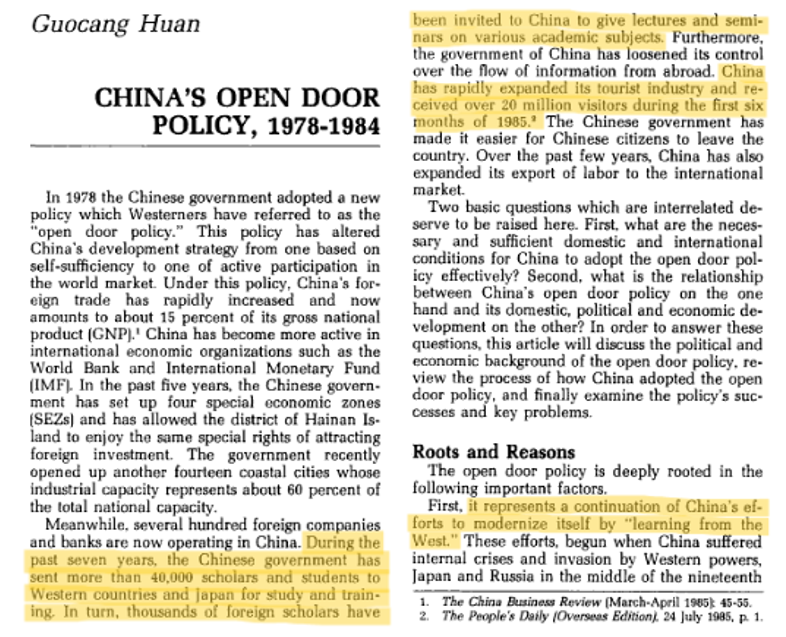
“CHINA’S OPEN DOOR POLICY, 1978-1984", Journal of International Affairs, Columbia University School of International and Public Affairs
“Chinese immigration to the United States has consisted of two waves, the first arriving in the mid-1800s and the second from the late 1970s to the present. The population has grown more than six-fold since 1980, reaching 2.3 million in 2016, or 5 percent of the approximately 44 million immigrant population overall.”
-Migration Policy Institute Report
American views of the Chinese had been poorly shaped by years of isolation and hostility. Nixon's visit opened the door to a greater understanding of Chinese culture, and shifted public opinions of Chinese people.
“I knew nothing about China. Nobody had any idea what it was going to be like. It really was like going on the moon. What are we going to see? We had no idea what to expect.”
-Barbara Walters, NBC News Anchor traveling with Nixon, 1973 Interview
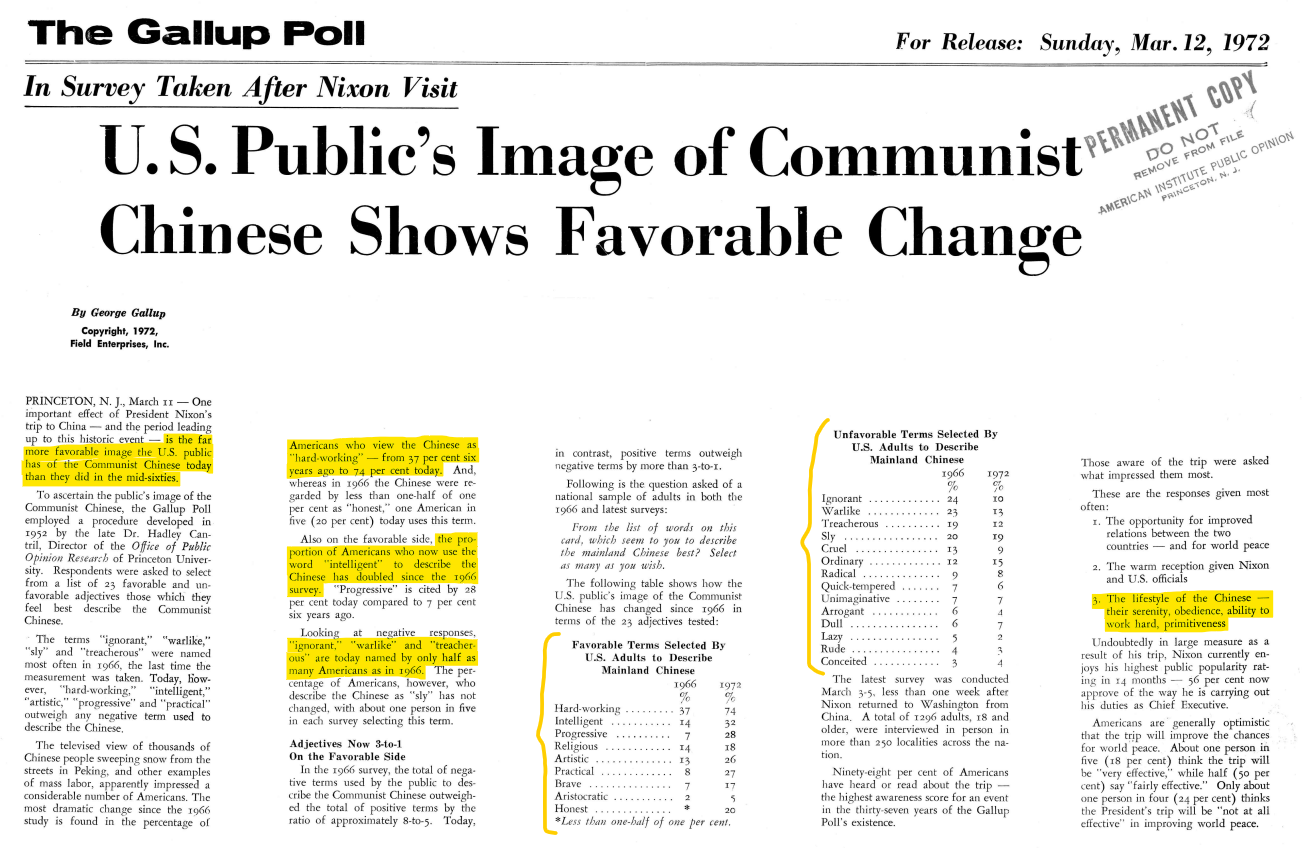
["The Gallup Poll"]
"Most Chinese people we encountered — from my teachers at Fangcaodi to my parents’ colleagues to random workers I befriended after learning to speak their language — were fascinated by America and knew little of its citizens. They loved hearing about baseball, about McDonald’s (which would arrive 12 years later) and about something that astonished everyone in this culture of bicycles: Most Americans had their own cars."
-Ted Anthony, Associated Press's former director of Asia-Pacific news. He lived in Beijing as a child from 1979-1980.
This photographical story piece on New York's Chinatown after the migration wave in 1982 captured the intimate aspects of Chinese Immigrant lives within the broader American immigrant story. Bud Glick's photography served as a statement to the American people.
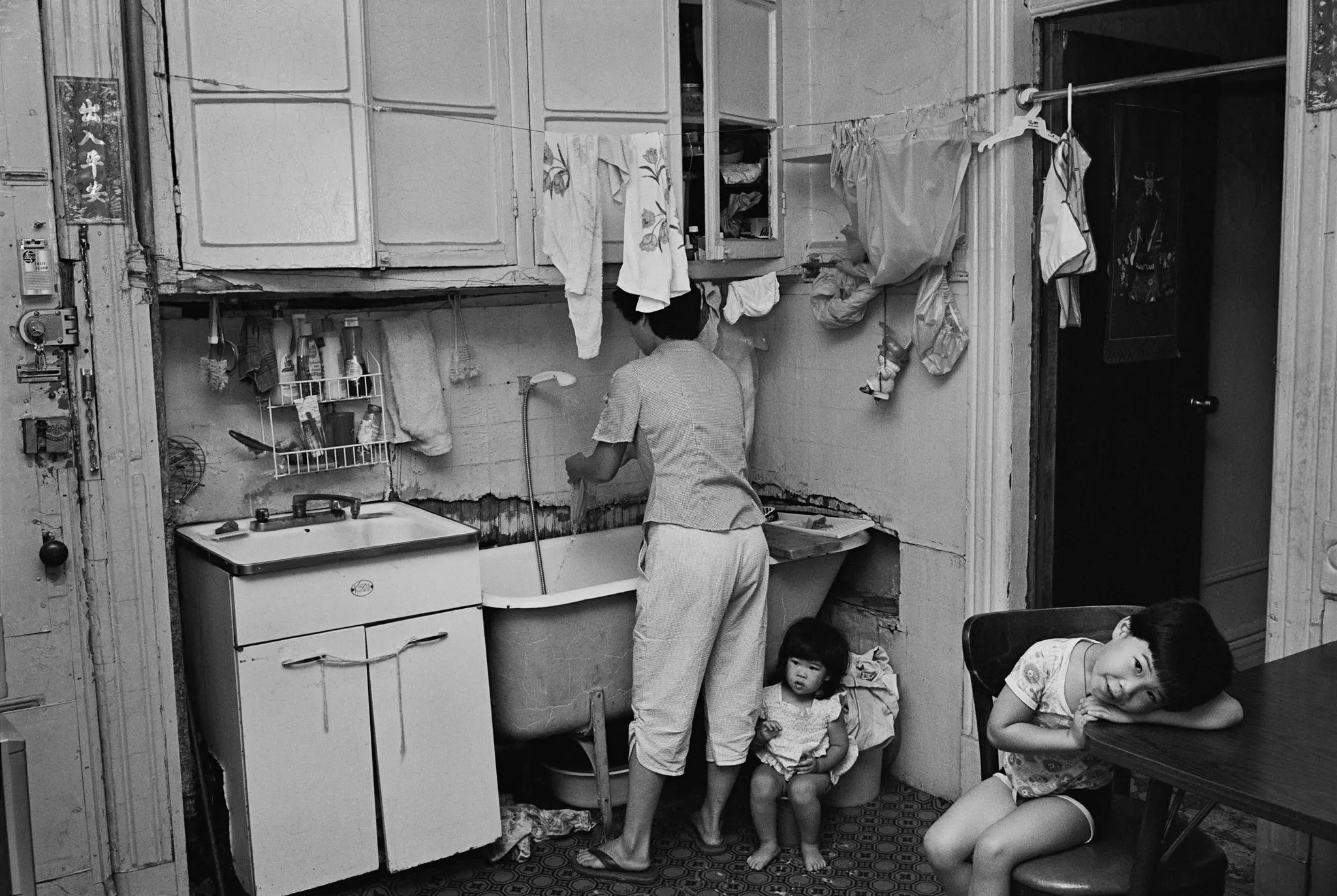
"Rebecca with her children in their kitchen, New York, 1982."
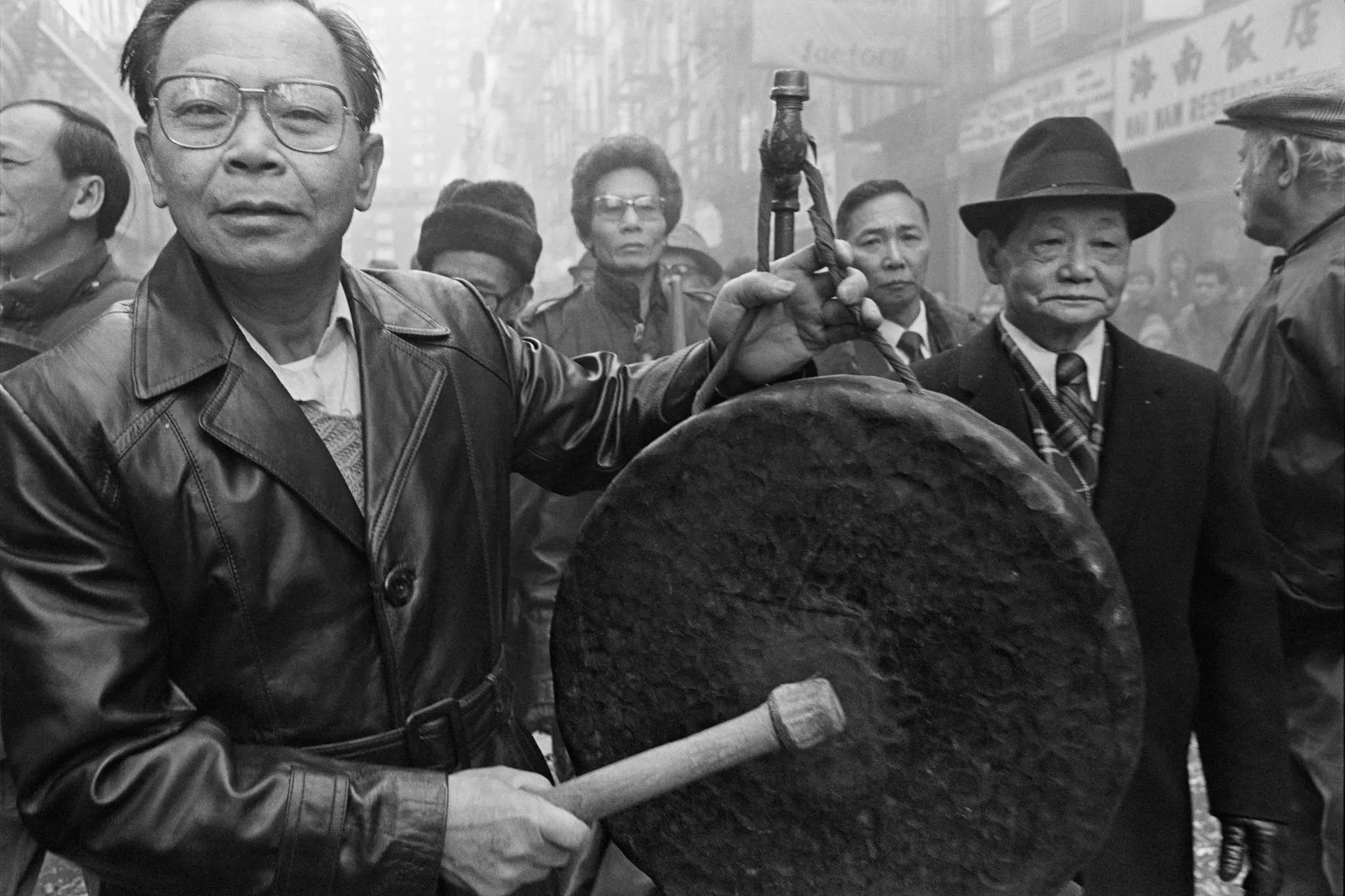
"Lunar New Year, Bayard Street, New York, 1984."
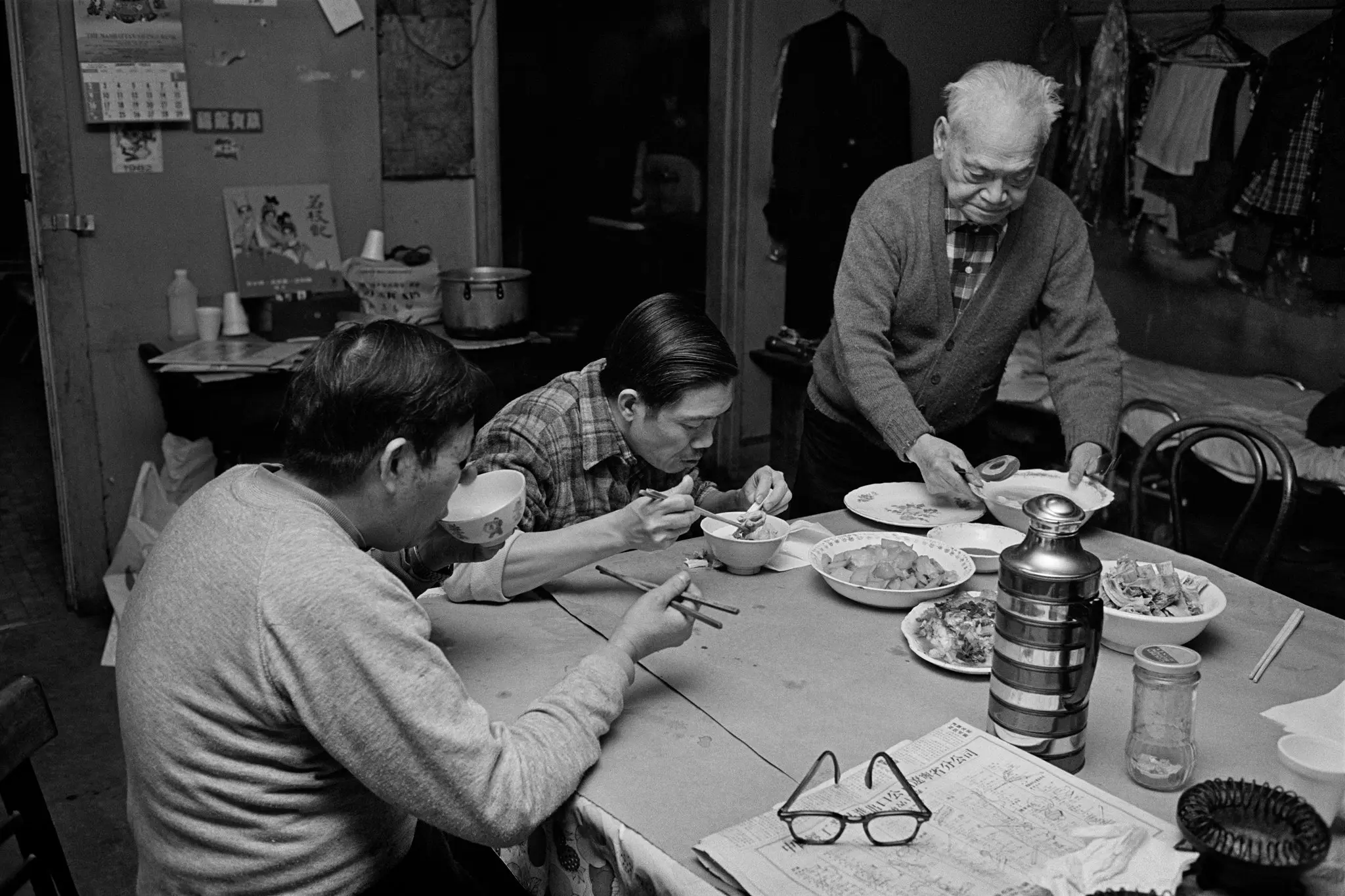
"Bachelor Apartment, Bayard St., New York, 1982."
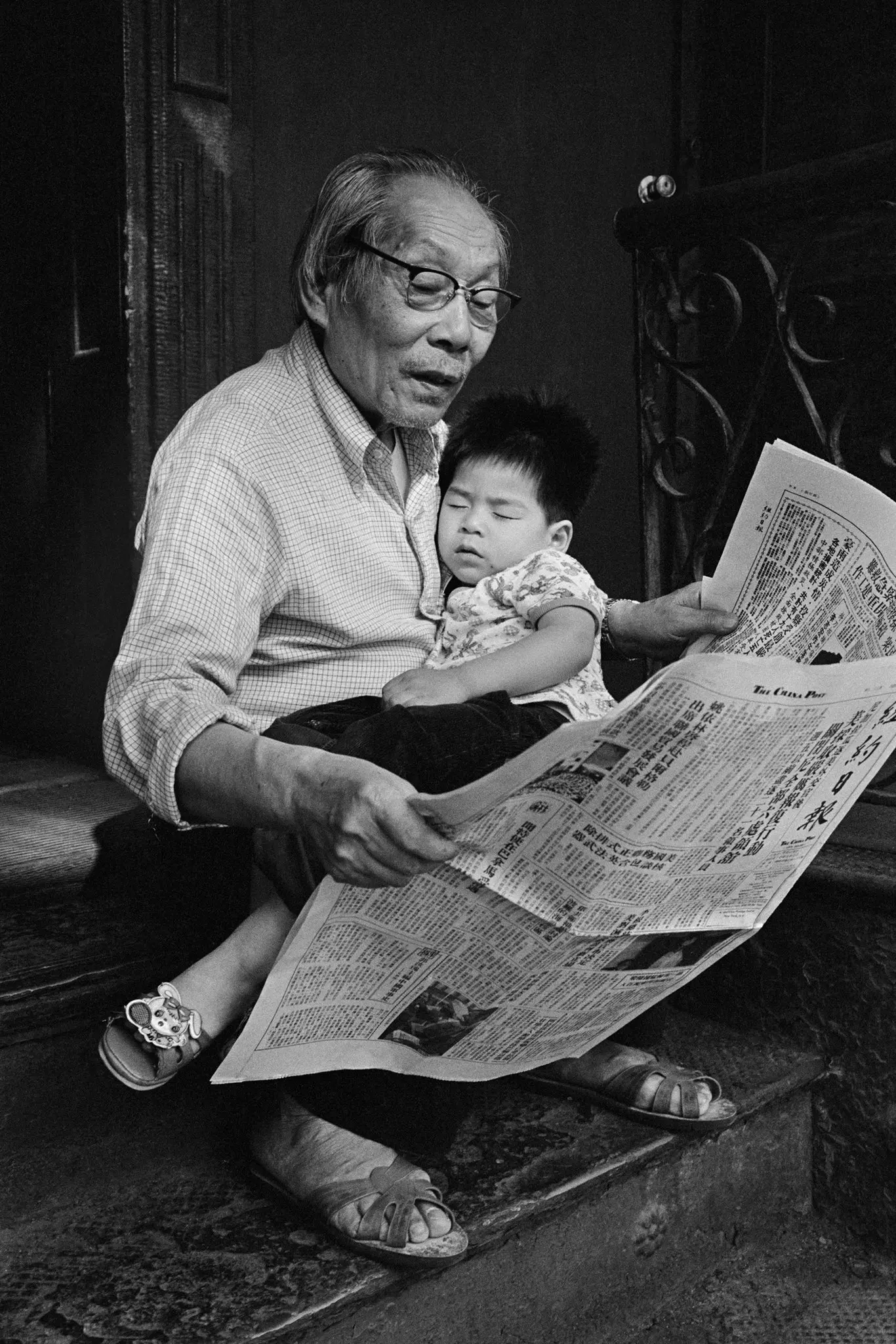
"Kam Ho Lee with his grandson, Vincent Lee, New York, 1983."
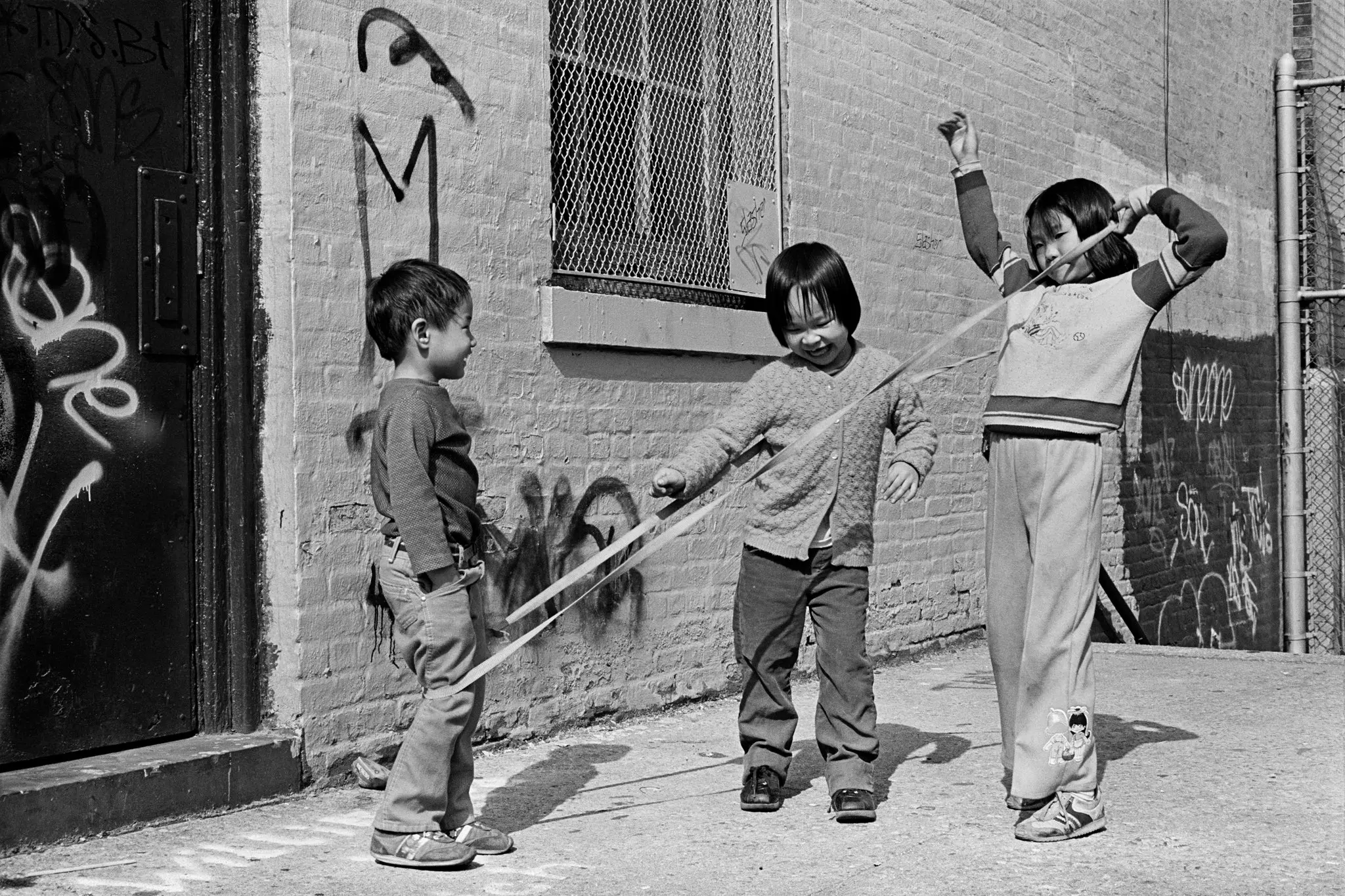
"P.S. 1 playground, 1982."
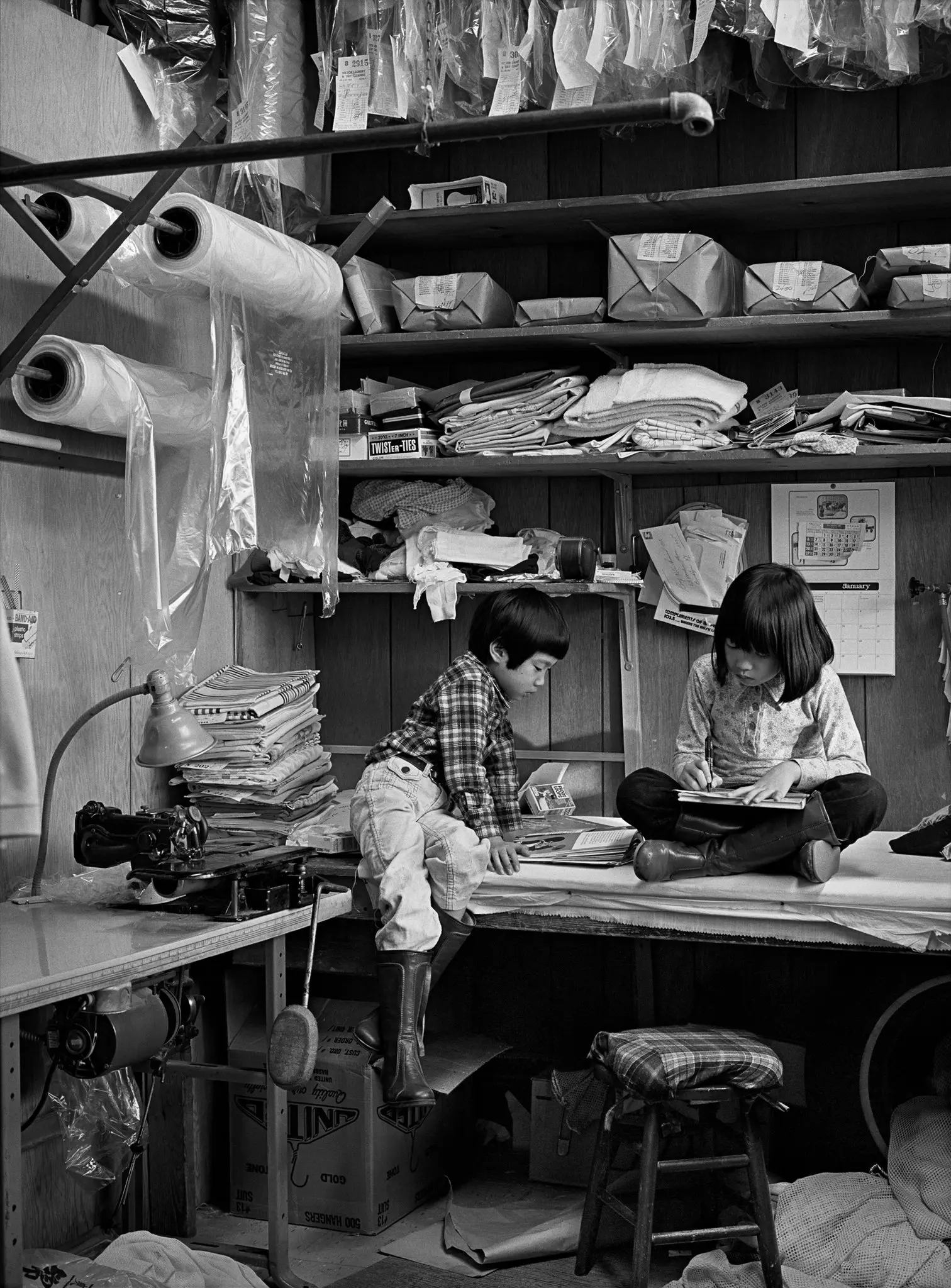
Hand laundry, 1981.
All photos are courtesy of Bud Glick
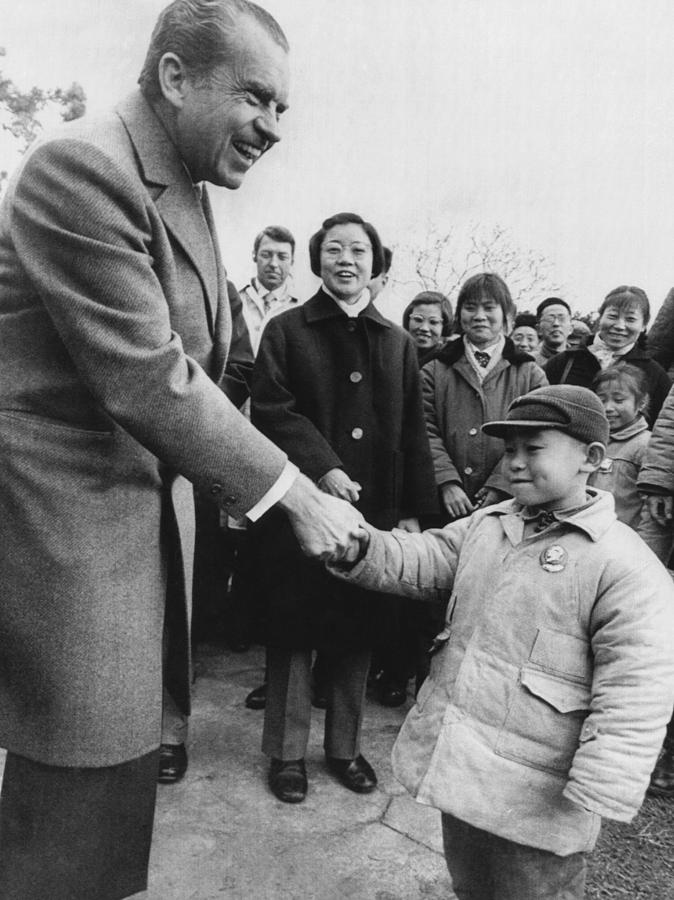
"U.S. President Richard Nixon shaking hands with a young boy in Hangzhou, China, February 26, 1972." Fine Art America
“I hope that my Chinatown work can stand as a refutation of that bigotry. The photographs tell a quintessential American immigrant story of persistence to gain a foothold in a society that excluded them racially, socially, economically, and culturally. We know that the past is present. The same, racist, anti-immigrant politics that led to Exclusion are alive and well in our current, toxic times. It was wrong then. It is wrong now.”
-Bud Glick, 1982
“However, looking at it now, the incredibly rapid growth and change distinguishes Chinatown from many other communities. What felt big at the time now seems small. Chinatown has expanded tremendously. It seems qualitatively different now. Today’s Chinatown is a dynamic community created by a new generation of immigrants.”
-The New York Times, 1982
Nixon's visit to China also empowered Chinese-Americans to re-appreciate their culture.
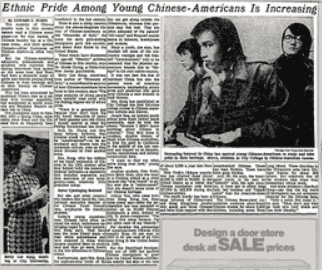
[The New York Times Archives, March 1972]
"The Chinese‐American educators, professionals and students who reported this during interviews here agreed at the same time that there had been a dramatic surge of pride and interest among young Chinese in their heritage and in their identity as Chinese Americans. This has been stimulated by mainland China's rise as a nation with nuclear capability, her acceptance in world councils and President Nixon's recent trip to China.
-The New York Times, Edward C. Burks