Richard Nixon’s Visit to China: The Turning Point in Sino-American Relations that Forever Reshaped the Geopolitical Landscape of the World
Over the years, Sino-American relations have fluctuated through mutual doubt and mistrust. The only topic of bipartisan consensus has been to view China as a rival rather than a partner. These issues stem from fundamental differences in ideologies.
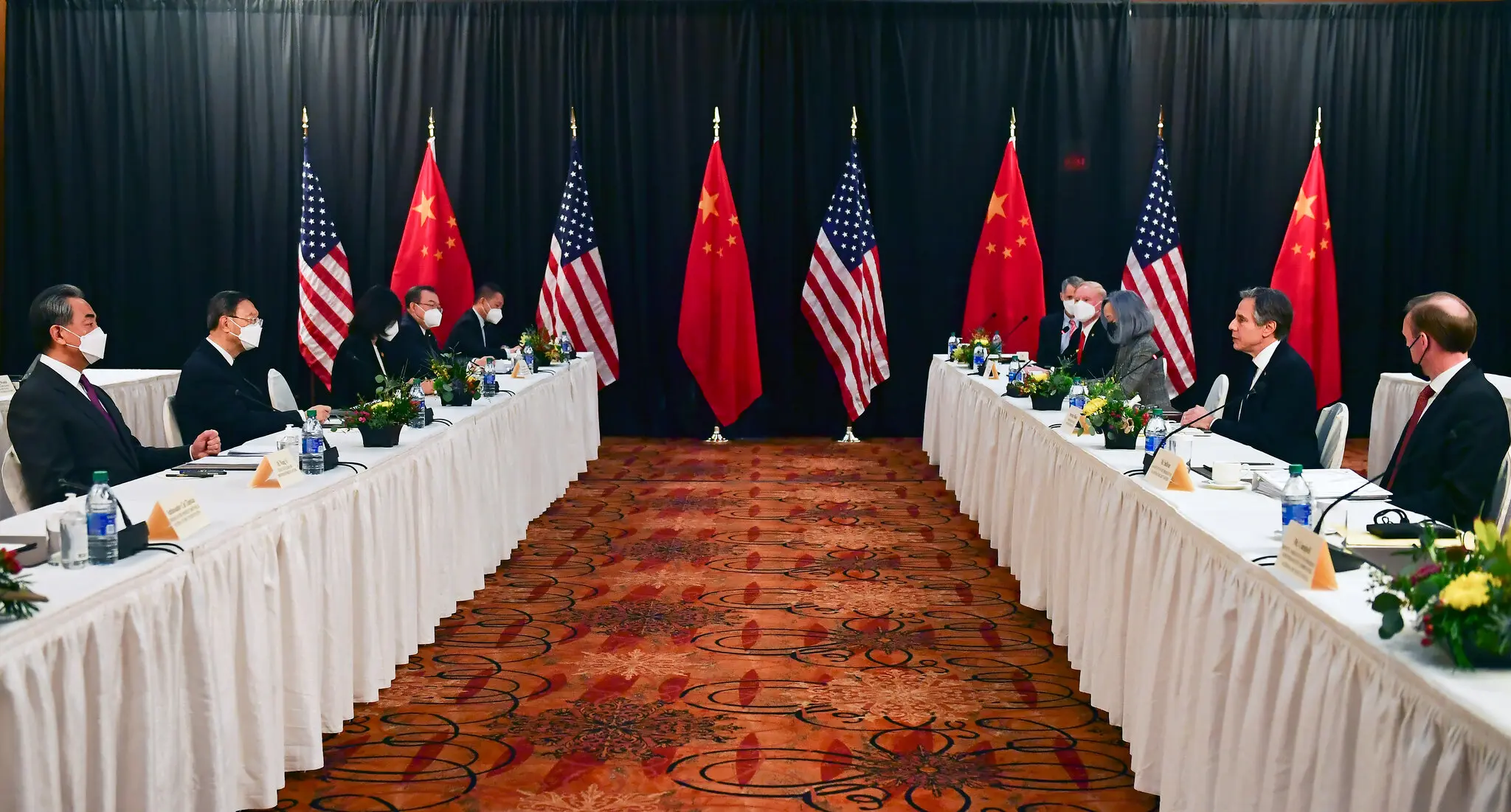
"Secretary of State Antony Blinken, second from right, joined by national security adviser Jake Sullivan, right, speaks while facing Chinese Communist Party foreign affairs chief Yang Jiechi, second from left, and China's State Councilor Wang Yi, left, at the opening session of US-China talks at the Captain Cook Hotel in Anchorage, Thursday, March 18, 2021." Frederic J. Brown/Associated Press
"In both the U.S. and China, domestic optics and talking tough have been increasingly prioritized over diplomacy and actual outcomes. This was especially seen during Trump’s presidency, but, so far, the strained relationship has continued under the Biden administration. The harsh language used to appeal to audiences back home only breeds further mistrust and makes it more difficult for the two sides to address substantive issues or come to any sort of consensus."
-Chi Wang, Founder of the U.S.-China Policy Foundation, (Interviewed by Shannon Tiezzi)
Trade Wars
[BBC Research]
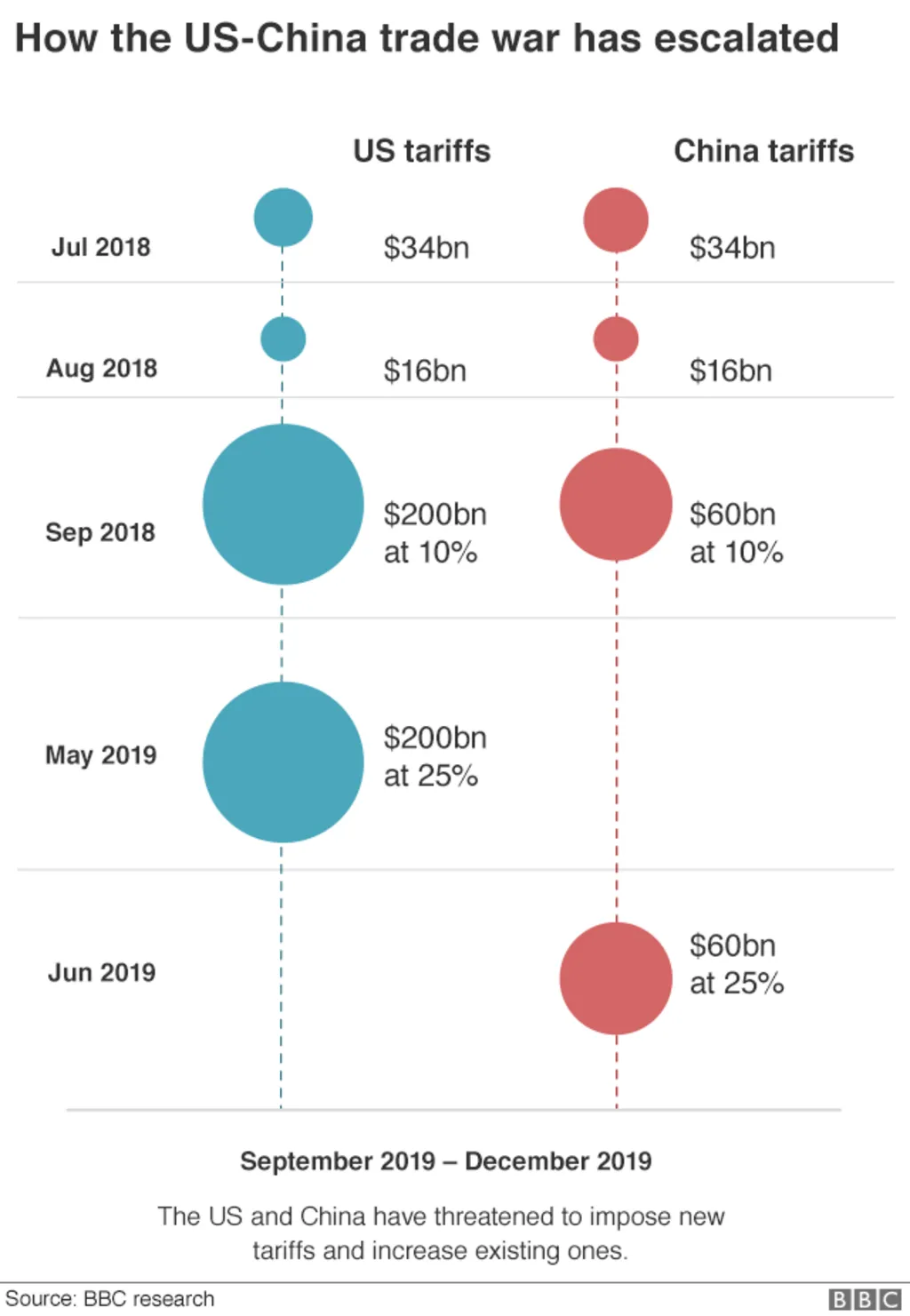
A trade war escalated during the Trump administration when broad tariffs were imposed on Chinese goods. In retaliation, China imposed tariffs on 128 classes of U.S imports. This trade war has increased tension and hostility internationally.
"That is something that we want to solve. This is why we continue to try to get the military lines of communication back open because when they're not open and you have a time like this when tensions are high, miscalculations also, then the risk goes high."
-White House National Security Council spokesperson, John Kirby
Further conflict arose when the U.S ordered the closure of the Chinese consulate in Texas. China retaliated by closing the U.S consulate in Chengdu.
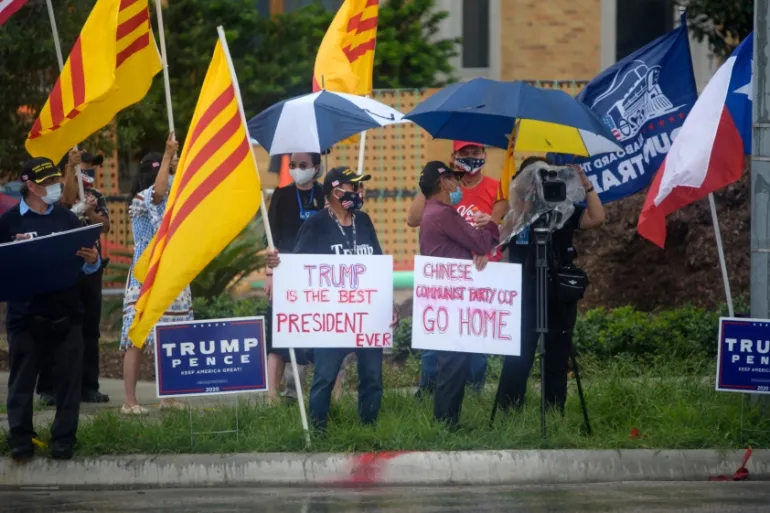
"Protesters hold up signs and flags outside of the Chinese consulate in Houston, Texas, on July 24, 2020, after the US Department of State ordered China to close it." Mark Felix/AFP
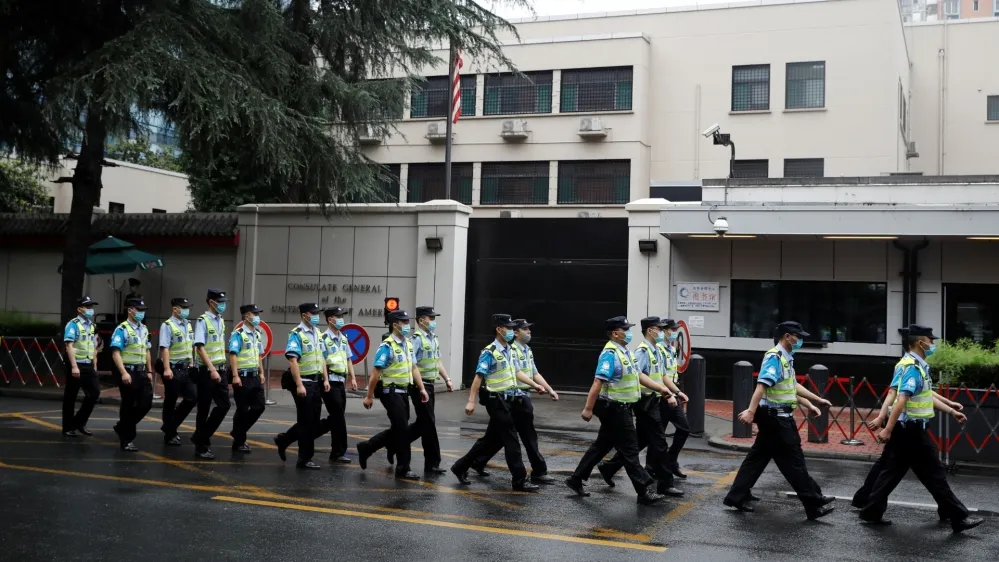
"Police officers march past the US Consulate General in Chengdu, China." Thomas Peter/Reuters
Although present day relations pose new issues, America still has ongoing diplomatic communications with China. America and China have continued to be economically intertwined, and Chinese people and their culture are very prevalent in today's society. However, there has to be an effort by current politicians to overcome diplomatic and cultural challenges between the two countries for the greater good.
"Right now, relations are very bad, but I believe that both countries are unlike in the Cold War era when the Soviet Union and the US were distinctly separate. They did not engage in significant trade, investment, or international visits. Their peoples had little knowledge of each other. The US and China have been very intertwined economically and in political developments over the last 30 years. They have a lot of linkages and connections. So there has to be an effort to overcome some of the differences between the two countries or at least recognition that those differences can be managed and that they are not reasons for direct conflict."
-Thomas A. Schwartz, author of Henry Kissinger and American Power: A Political Biography
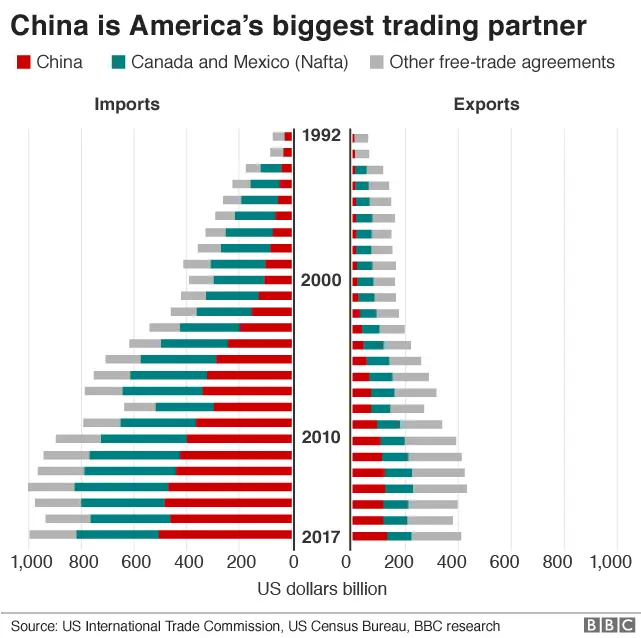
[US International Trade Commision, US Census Bureau, BCC Research]
"China dominates supply chains for both critical and everyday goods. It is the world’s largest producer of steel, solar panels, electronics, coal, plastics, buttons and car batteries, and it has quadrupled its car exports in just two years, becoming the world’s largest auto exporter through its growing clout in electric vehicles."
-Ana Swanson, The New York Times, U.S-China trade Report
Future Approach
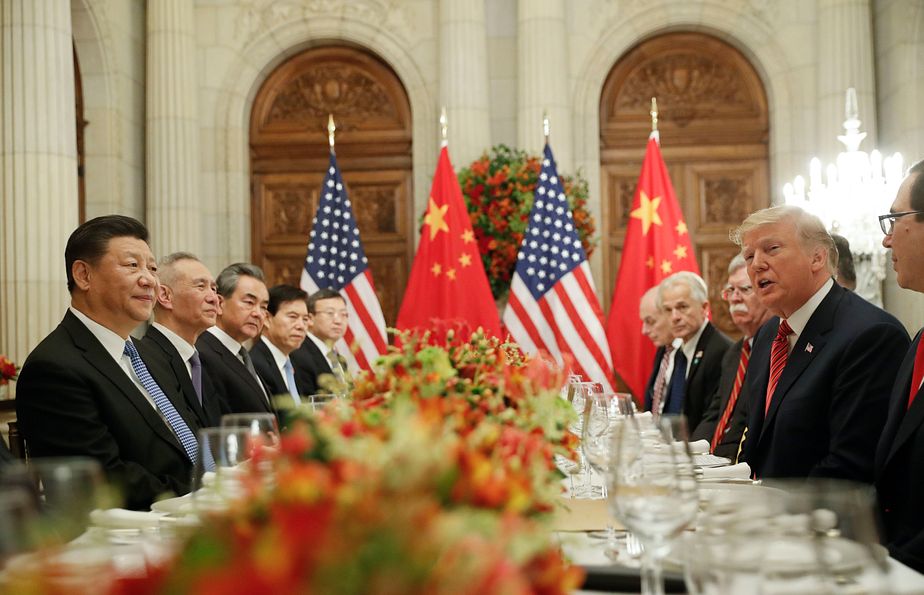
"President Donald Trump meets with China's President Xi Jinping during their bilateral meeting at the G20 Summit in Buenos Aires, Argentina." Associated Press
“The major lesson learned from the trip was the two sides understood they were different, and they did not have any fantasy of changing each other but to work on the common ground where they shared interests together, which was political wisdom.”
-Nancy Tang, interpreter for Kissinger on the 1972 trip
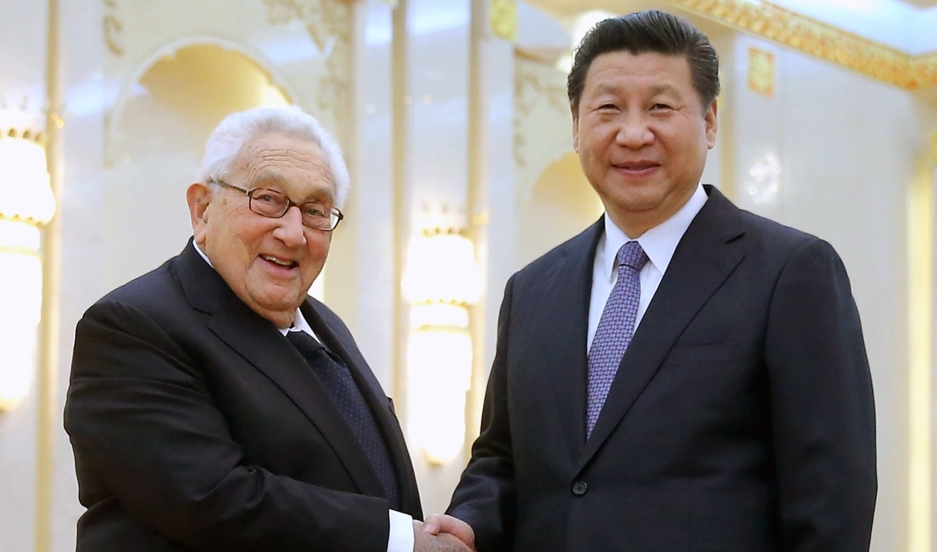
"Chinese President Xi Jinping greets former U.S. Secretary of State Henry Kissinger, 92, who engineered the thaw in U.S.-China relations under President Nixon in the early 1970s." Bettina Hansen/The Seattle Times
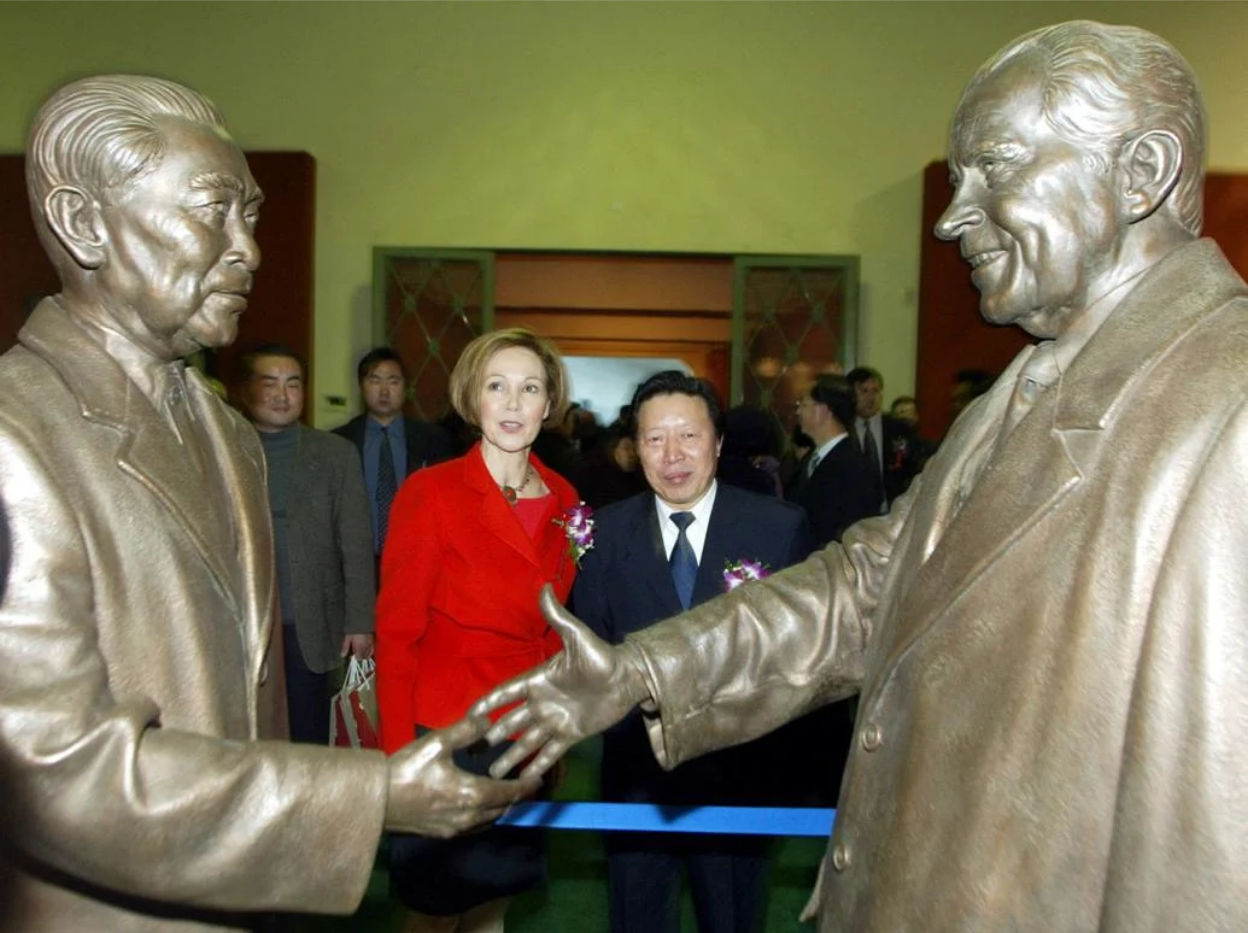
"Julie Nixon Eisenhower, the daughter of former U.S. President Richard Nixon, and Chinese Culture Minister Sun Jiazheng look at a sculpture of Nixon, right, shaking hands with former Chinese Premier Zhou Enlai, at an exhibition in Beijing Wednesday Nov. 20, 2002." AP Photo/Greg Baker
“But I think almost all of them could be resolved without conflict. I think an intelligent understanding and a perpetuation of dialogue are crucial. We need more figures who are in that realm of communicating between the two countries. And we need to have a whole range of institutional dialogues between government, military, and economic officials, so that there is a constant understanding.”
-Thomas A. Schwartz, author of Henry Kissinger and American Power: A Political Biography
"In that sense, it is important to get out of our own internal problems and environment and to see a broader vision. I think Kissinger hopes that Americans will have a broader historical vision of world stability and a broader understanding of other countries. I think he would like that to be his legacy: A better understanding of the world and of other countries, and of the need for effective diplomacy to maintain peace."
-Thomas A. Schwartz, author of Henry Kissinger and American Power: A Political Biography
Richard Nixon’s China visit kickstarted a sequence of meetings that marked a turning point in the U.S-China relationship. These negotiations allowed for signifigant diplomatic and cultural improvement throughout the world. Richard Nixon's visit to China altered the course of Sino-American history.
“Half a century ago, he made a historic contribution to the normalization of China-U.S. relations with brilliant strategic vision, benefiting both countries as well as changing the world.”
-Xi Jingping
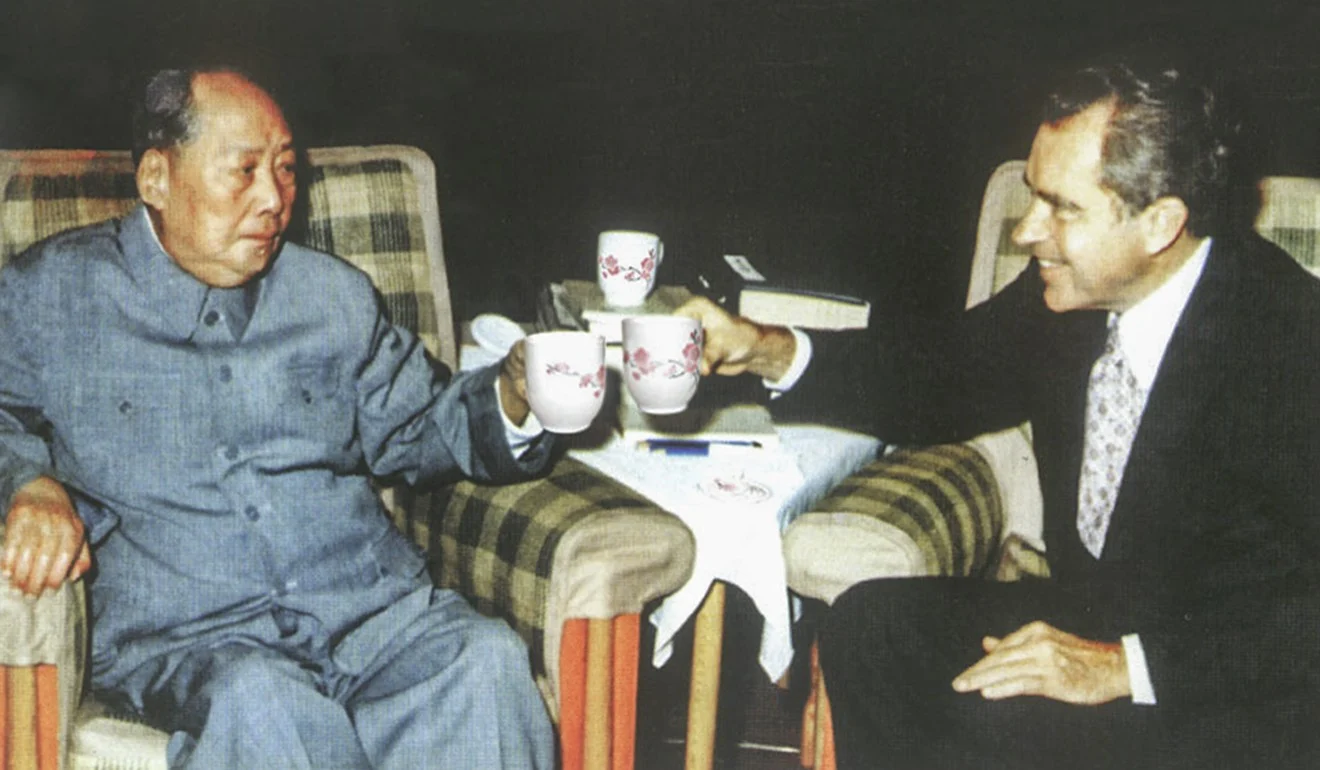
"Mao Zedong and Richard Nixon pictured in 1972 during the US President's historic visit to China." Handout
“In hindsight, as I learned more about the subject matter and lived it and breathed it, all I can say is 50 years ago, Nixon decided to fundamentally ignore Napoleon's advice to let China sleep, for when it wakes, it will astonish the world.”
-Jon Huntsman, a Young Boy Who Saw Kissinger Leave For His Secret Trip in 1971