Catalyst of Change: Radical Feminists Across the Globe
1960-1990
National History Day 2026
Movimiento Feminista Mexicano
Alaíde Foppa launched Foro de la Mujer to boldly advance radical feminist ideas in Mexico, directly challenging entrenched social and political norms, but fierce criticism from both conservative forces and rival feminists undercut the program, splintering its audience and diluting its revolutionary potential.
Foppa and Foro de la Mujer
In 1972, Alaíde Foppa launched Foro de la Mujer, Mexico’s first radio program dedicated to feminist issues. Inspired by the momentum of the 1968 student movement, it created a public space to discuss gender inequality and the treatment of violence as a social reform.
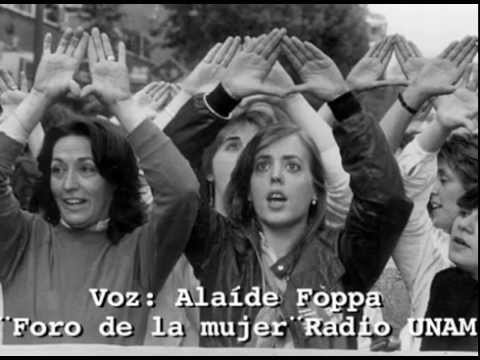
Courtesy of videos by Radio UNAM.
Alaíde Foppa was forcibly disappeared in Guatemala City on December 19, 1980, during a period of severe political repression. Abducted outside her home by armed men, she became a stark example of the dangers faced by critics of authoritarian regimes and the risks of feminist activism in Latin America.
Marta Lamas - A Materialist Feminst
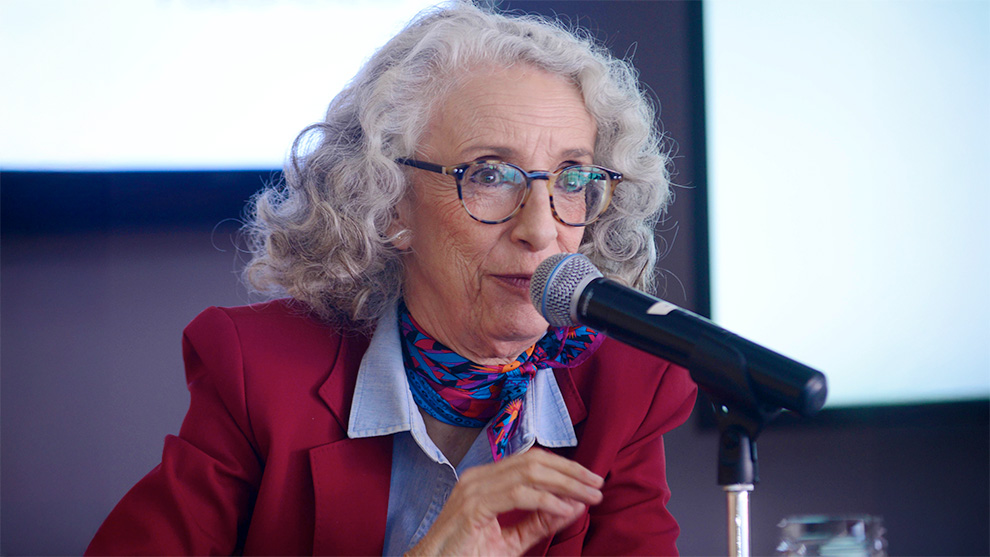
Courtesy of Archivo Gaceta UNAM.
Martas Lamas, a leading Mexican feminist, initially dismissed Alaíde Foppa as “a bourgeois lady… but politically clueless,” reflecting doubts about Foppa’s approach to activism. Lamas and other materialist feminists argued that Foppa’s radio work and projects like Foro de la Mujer focused on middle-class reform rather than systemic change. This revealed a key tension between Foppa’s cultural-intellectual strategy and Lamas’s radical, materialist politics. The disagreement limited Foppa’s influence and highlighted how class and strategic divides weakened cohesion within Mexico’s radical feminist movement.
Laney Jones, Ryleigh Longaker, Andre Freccia
Senior Division
Group Website
Student Composed Words: 1199
Process Paper Words: 455
Media Length: 0