Gloria Steinem’s brand of feminism, grounded in institutional reform, media visibility, and political activism, stood in stark contrast to Assata Shakur’s radical politics, Black liberation struggle, and militancy. She became the public face of second-wave feminism, overshadowing more revolutionary voices like Shakur’s. As a result, Shakur’s critique of racism, state violence, and capitalism was often delegitimized in mainstream feminist circles, reducing her influence and silencing her radical perspective. In that way, Steinem’s popularity and the acceptability of her feminism marginalized Shakur’s as a more radical, oppositional legacy.
Catalyst of Change: Radical Feminists Across the Globe
1960-1990
National History Day 2026
Feminism Cubano
Assata Shakur and the Black Panther Movement
Like radical feminists such as Shulamith Firestone, Shakur envisioned liberation through the complete restructuring of society at its deepest foundations. This sweeping, internationalist vision exceeded what mainstream civil rights movements were willing to support, leading to her marginalization and exile.
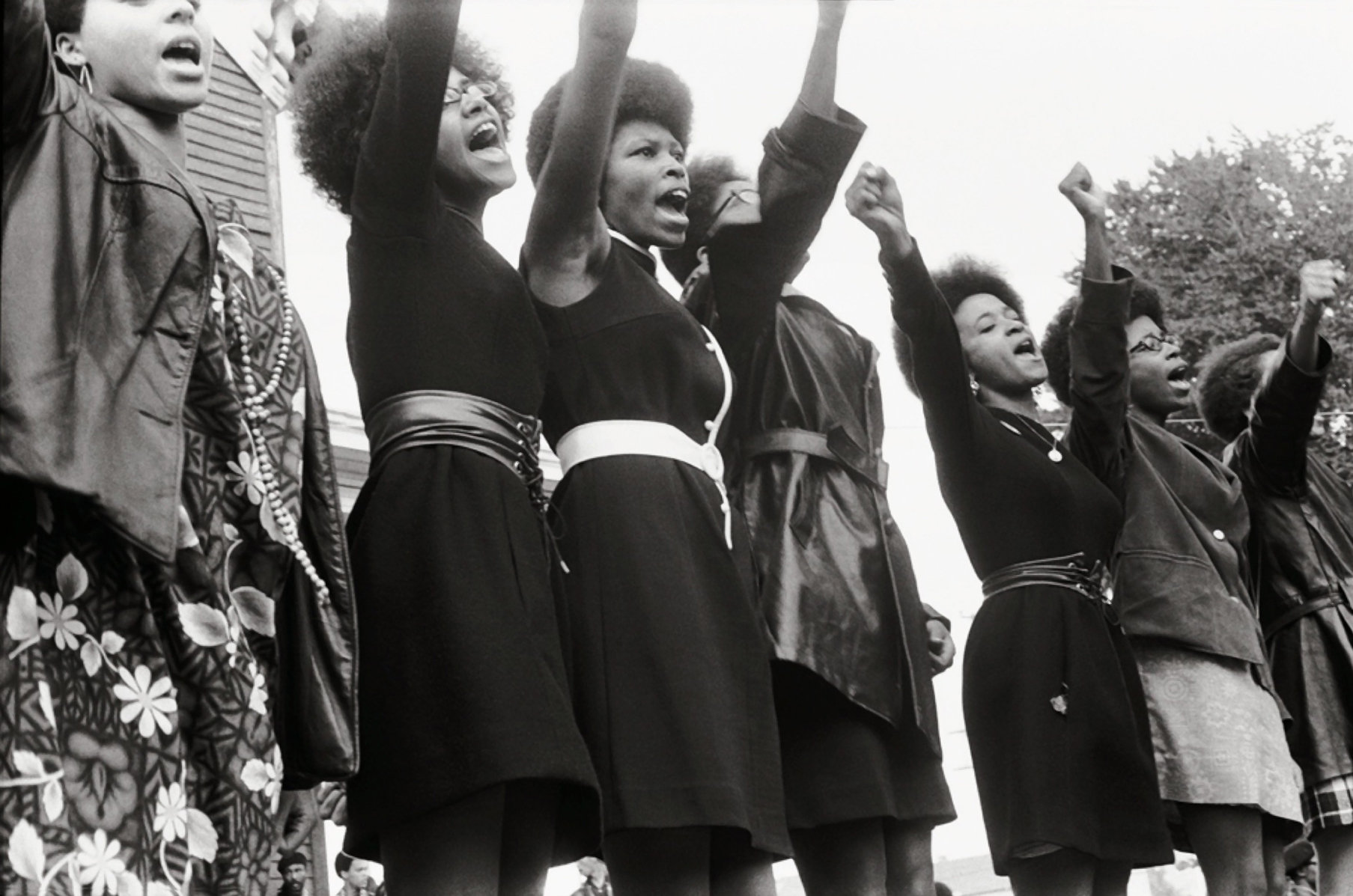
Courtesy of Museum of the City of New York
Assata Shakur’s life and activism illustrate how radical liberation movements of the 1960s and 1970s pushed for an overhaul of global systems of oppression, an ambition that ultimately exiled her from mainstream movements.
"It is our duty to fight for our freedom. It is our duty to win. We must love each other and support each other. We have nothing to lose but our chains."
Assata Shakur
"Before going back to college, I knew I didn’t want to be an intellectual, spending my life in books and libraries without knowing what the hell is going on in the streets. Theory without practice is just as incomplete as practice without theory. The two have to go together."
Assata Shakur
After joining the black panther party and later the Black Liberation Army, Shakur embraced global revolutionary framework that linked the struggles of Black Americans to anti-imperialist movements across Africa, Latin America, and the Caribbean. After her 1917 escape through Cuba, the country recognized her as a political prisoner in a fight against racism, capitalism, and imperialism, systems to be dismantled everywhere, not simply reformed within national borders.
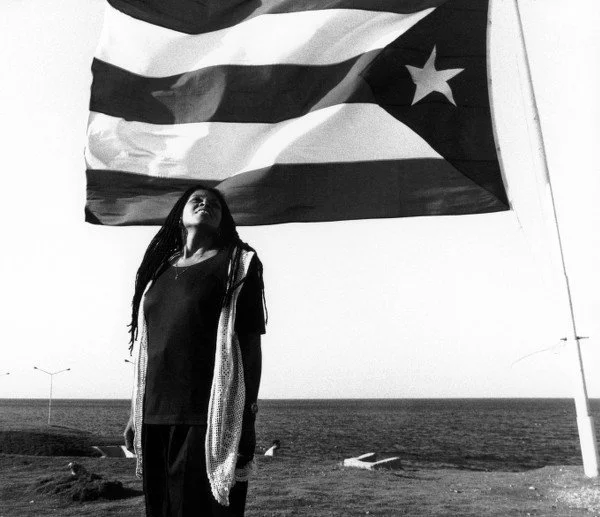
Courtesty of the Hampton Ink
Gloria Steinem- The 'most influential feminist'?
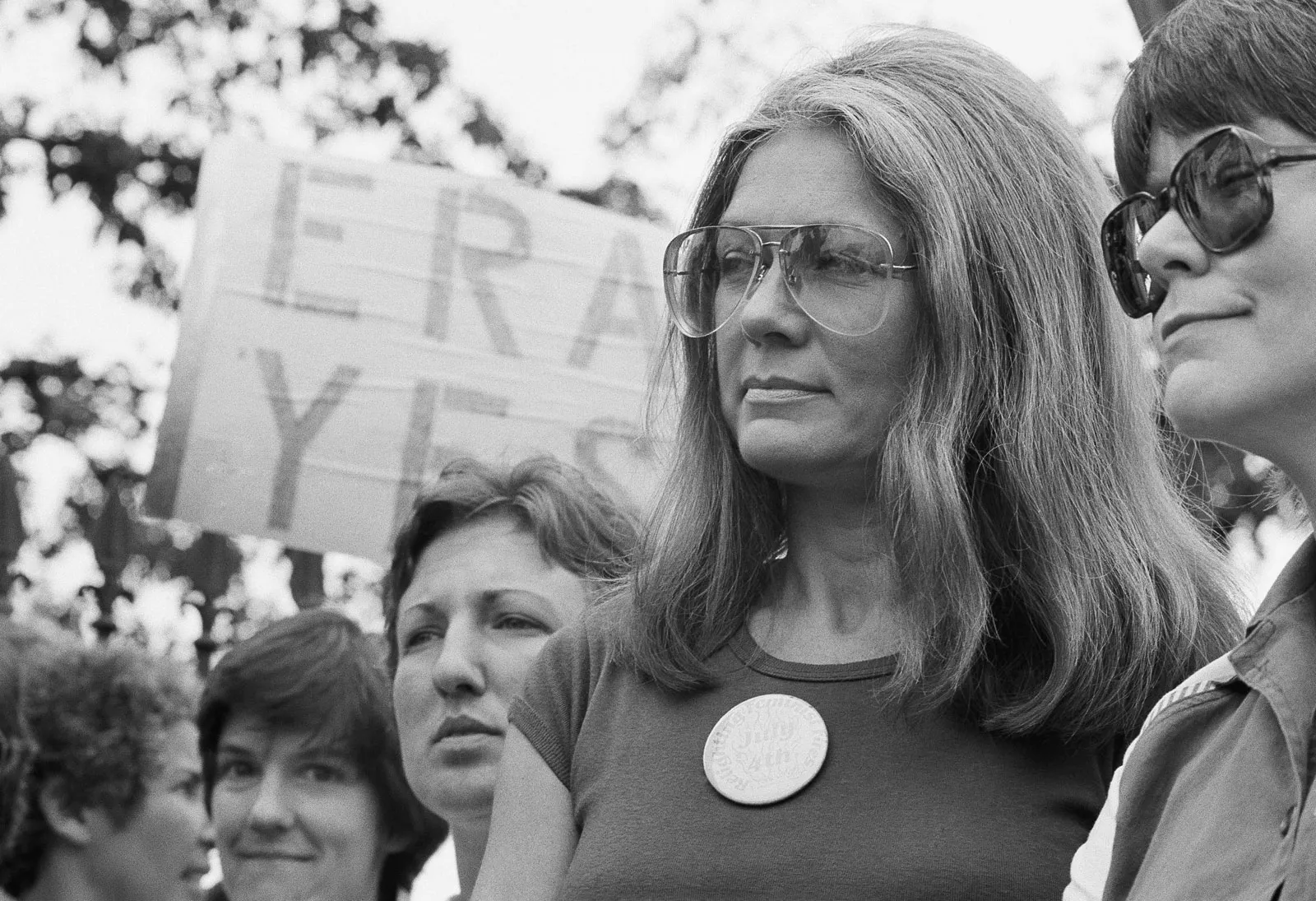
Courtesy of Scott Applewhite/AP Images
null← MEXICOFRANCE →
Laney Jones, Ryleigh Longaker, Andre Freccia
Senior Division
Group Website
Student Composed Words: 1199
Process Paper Words: 455
Media Length: 0