Catalyst of Change: Radical Feminists Across the Globe
1960-1990
National History Day 2026
Feminism in the United States
Although Firestone exposed gender inequality with unusual clarity, her proposals far exceeded what most feminists from the 1960-1990 period supported. While mainstream movements pursued equality through reproductive rights, workplace protections, and anti-discrimination laws, Fireston’s sweeping call for total social transformation, despite sparking key debates about gender, power, and family, was ultimately rejected by more moderate feminists.
Women's Liberation
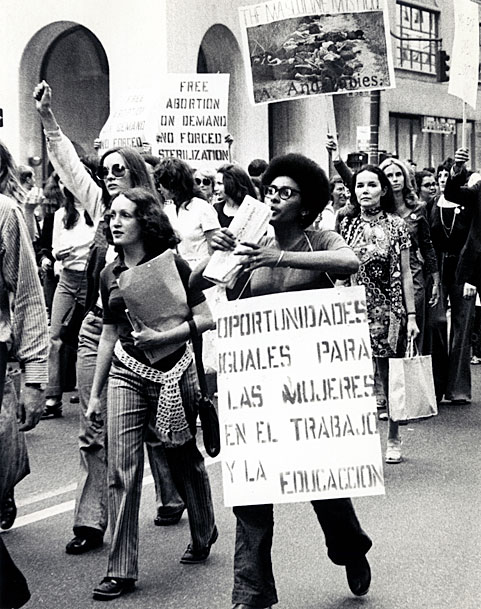
Courtesy of the Museum of the City of New York
"The end goal of feminist revolution must be...not just the elimination of male privilage but of the sex distinction itself."
-Shulamith Firestone
Shulamith Firestone
Co-Founded: New York Radical Women (1967), Redstockings (1969), New York Radical Feminists (1969), Westside Group in Chicago.
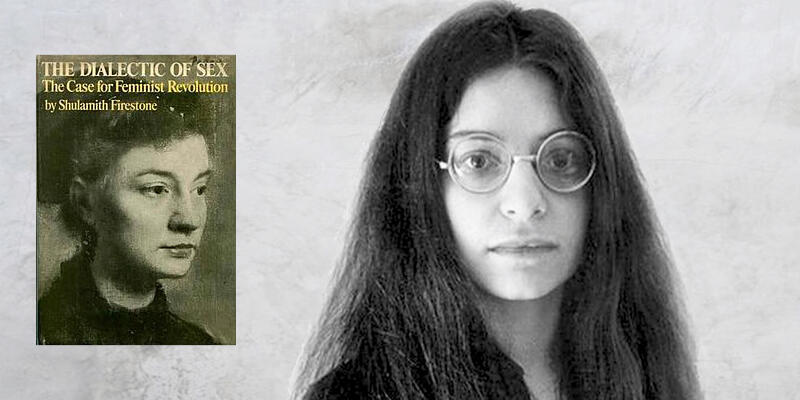
Courtesy of William Morrow and Company (publisher)/Michael Hardy (photographer)
Shulamith Firestone
Shulamith Firestone exemplifies why the radical feminist movement’s most transformative ambitions were ultimately rejected by mainstream feminism. In The Dialect of Sex (1970), Firestone argued that women's oppression originated not only in culture or economics, but in biological reproduction itself. Pregnancy and childbirth had historically confined women to dependence, patriarchy could not be dismantled through legal reforms or social attitudes. Instead, she called for a complete restructuring of society by abolishing the nuclear family, collectivizing child-rearing, and using reproductive technologies to free women from biological maternity.
Jean Bethke Elshtain- A Firestonian critic
Jean Bethke Elshtain opposed Shulamith Firestone by rejecting Firestone’s call to abolish the traditional family and replace it with a restructured, post-biological society. Elshtain argued that Firestone misunderstood the moral and civic value of the family and dismissed the emotional bonds that hold communities together. As a result, Firestone’s proposals were marginalized in feminist discourse, limiting the influence her revolutionary framework had on debates about gender, reproduction, and social reform.
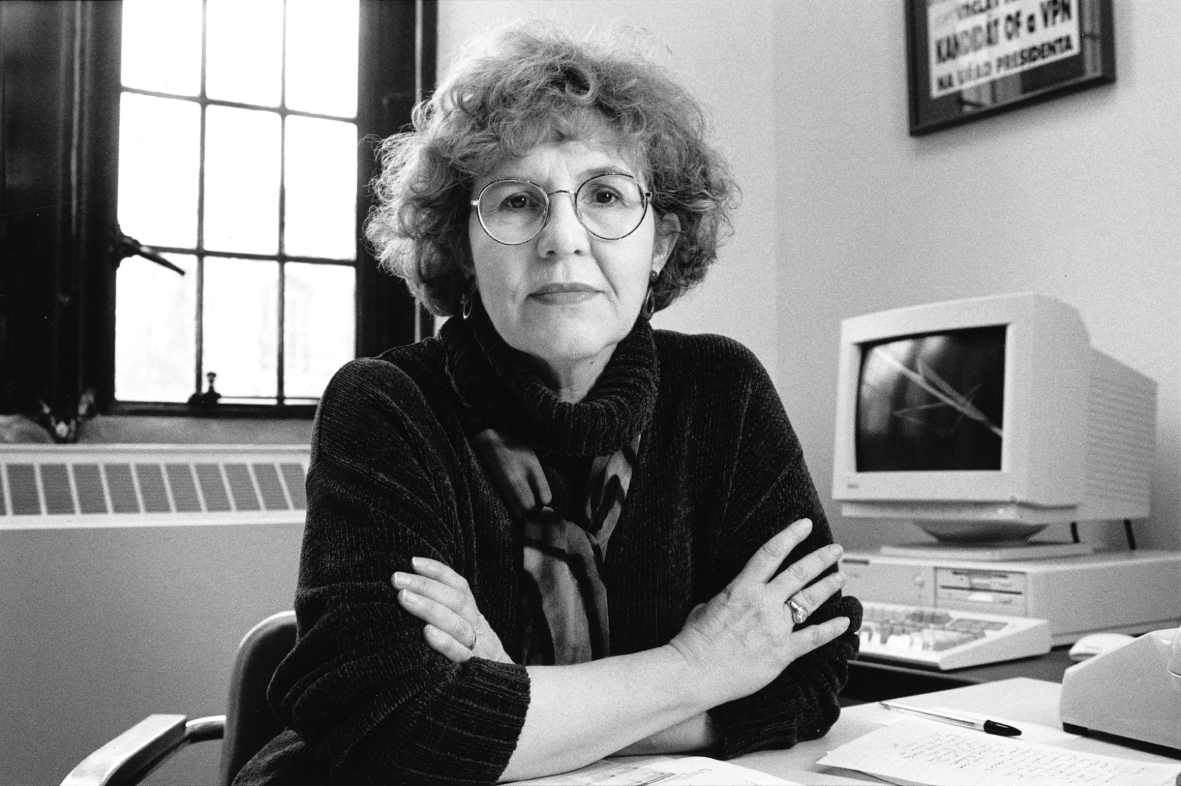
Courtesy of Cambridge Press
← FRANCEPROCESS PAPER →
Laney Jones, Ryleigh Longaker, Andre Freccia
Senior Division
Group Website
Student Composed Words: 1199
Process Paper Words: 455
Media Length: 0