Catalyst of Change: Radical Feminists Across the Globe
1960-1990
National History Day 2026
Le féminisme en France
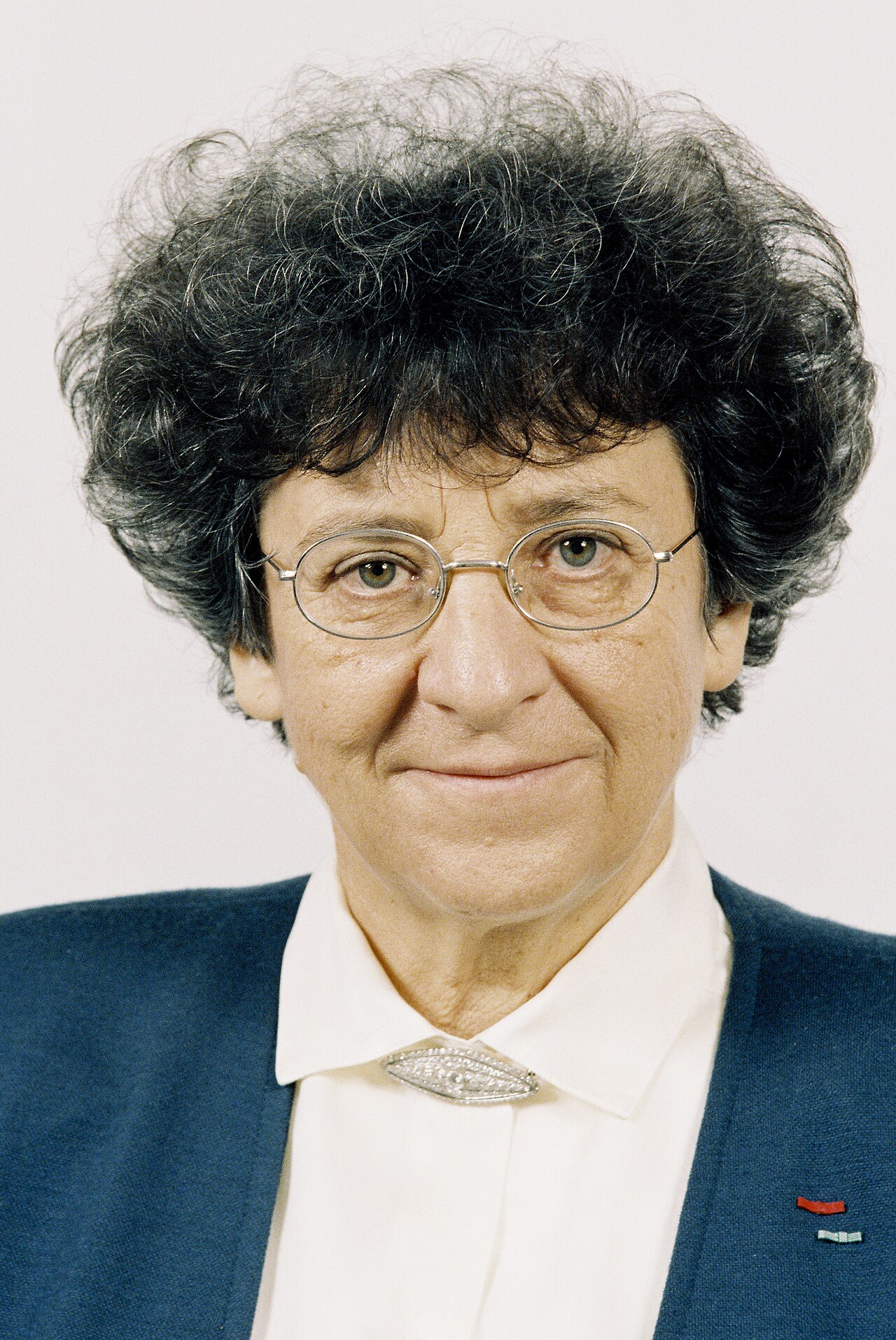
Antoinette Fouque and the Mouvement de Libération des Femmes (MLF)
The MLF called for a transformation of consciousness, the revaluation of maternity, and the dismantling of patriarchal cultural narratives worldwide. Fouq's sweeping vision for worldwide societal restructuring exceeded what mainstream feminism was willing to pursue, remaining influential yet ultimately peripheral to the broader feminist movement.
A psychoanalyst by training, Fouque argued that patriarchy was not just a political or economic system but a deep, symbolic order shaping culture worldwide. She believed women possessed a unique generative power, la puissance féminine, that had been systematically repressed across all societies.
Courtesy of European Union, 1998 – 2025
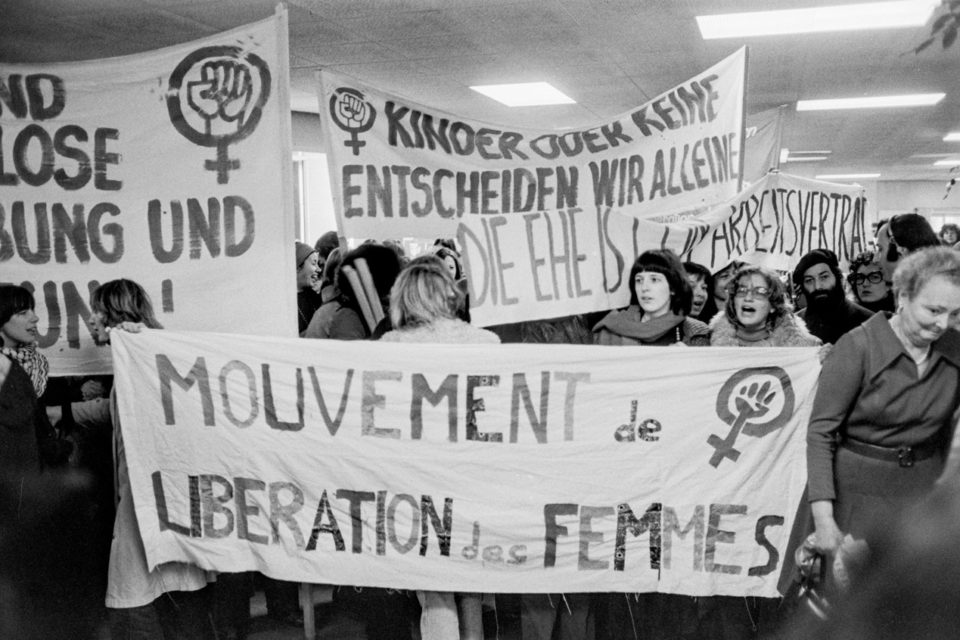
Le 26 août 1970, le Mouvement de libération des femmes voit le jour à Paris, Courtesy of KEYSTONE/MAXPPP
Antoinette Fouque and the MLF argued that women possess a unique creative and maternal power, what Fouque called “féminitude", that should be recognized and valued in society. They also fought for concrete political rights, especially reproductive freedom such as access to contraception and legal abortion. Together, these beliefs shaped the MLF’s push to redefine women’s identity and expand their autonomy in 1970s France.
Christiane Rochefort
Christiane Rochefort (1917-1998) was a major French novelist and a prominent figure in second-wave feminism. After publishing under pseudonyms, she gained international recognition with Le Repos de Guerrier (1958), which won the Prix de la Nouvelle Vague. A committed activist, she signed the 1960 manifesto of the 121, was active in the MLF, and co-founded Choisir la Cause des Femmes in 1971 with Simone de Beauvoir and Gisele Halimi. Known for sharp social critique, she explored taboo subjects such as incest, violence, and homosexuality. She later won the Prix Medicis in 1988 for La Porte du Fond.
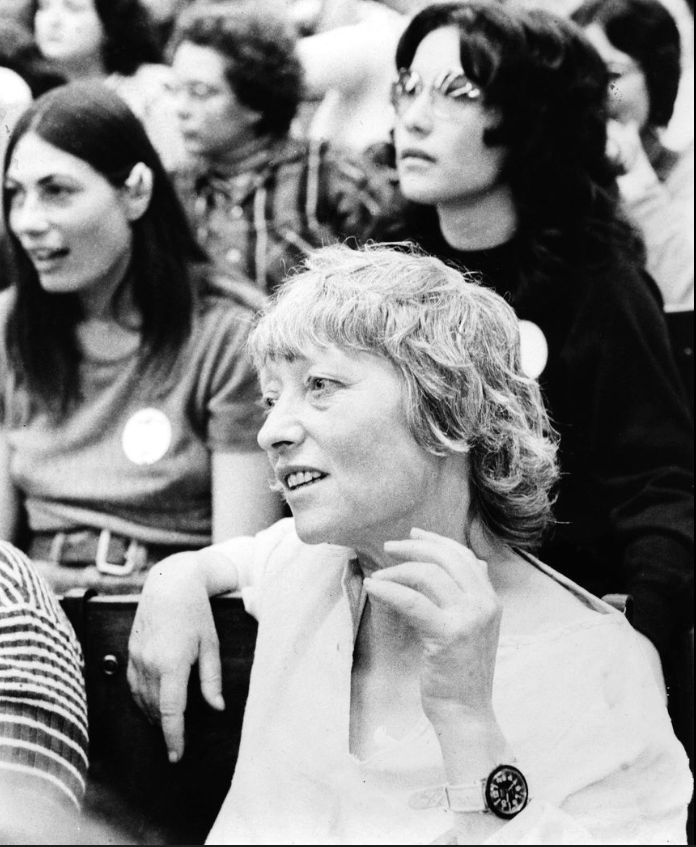
Christiane Rochefort's heir, Courtesy of Ned Burgess
Christine Delphy - Fourque's Foe
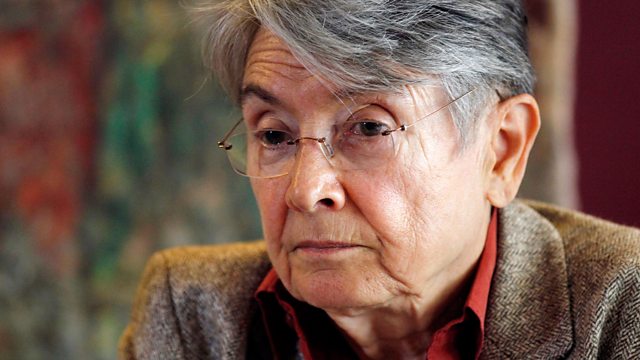
Courtesy of Verso Books
Christine Delphy’s break with Antoinette Fouque and the MLF exposed major ideological fractures within French radical feminism. Delphy criticized Fouque’s idea of “feminitude” as biologically essentialist and reinforcing patriarchy. The divide forced activists to choose between Fouque’s psychoanalytic essentialism and Delphy’s materialist feminism. Tensions grew when Fouque legally registered the MLF name, which Delphy denounced as undemocratic. These conflicts splintered the movement and weakened its collective political influence.
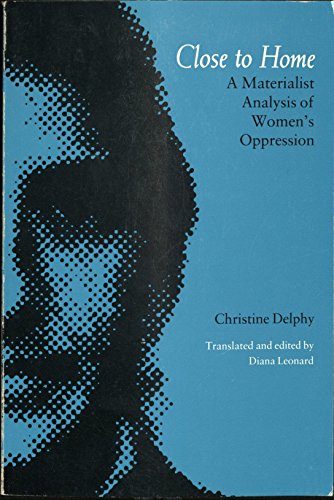
Courtesy of Verso Books
← CUBA UNITED STATES →
Laney Jones, Ryleigh Longaker, Andre Freccia
Senior Division
Group Website
Student Composed Words: 1199
Process Paper Words: 455
Media Length: 0