Hetch Hetchy Valley
1864 Yosemite Land Grant
In the late 1800’s, people recognized the importance of protecting nature from private sectors that threatened natural landscapes through logging and construction.
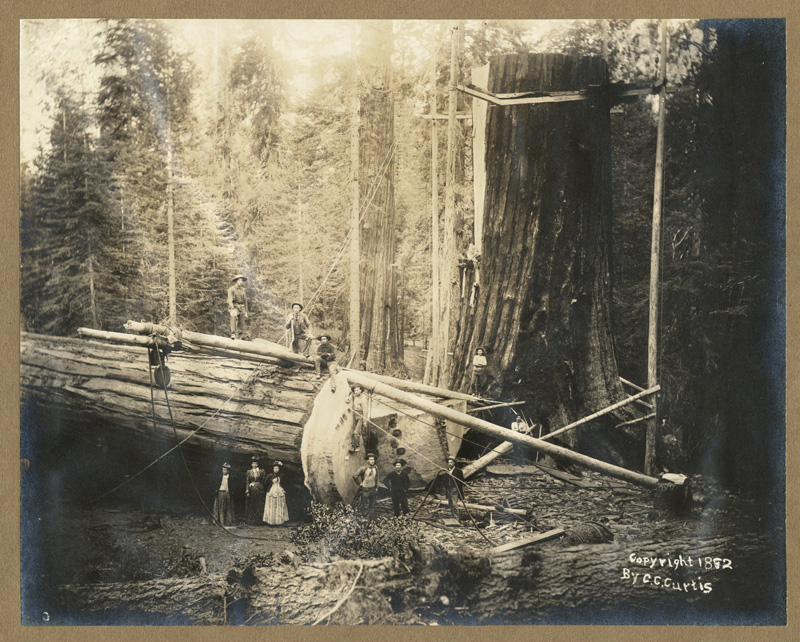
(C.C. Curtis, General Noble Tree, 1892)
In 1864, President Lincoln granted parts of Yosemite to California as its first state park to preserve the natural beauty and provide human enjoyment because there were no official federal departments that maintained government land.
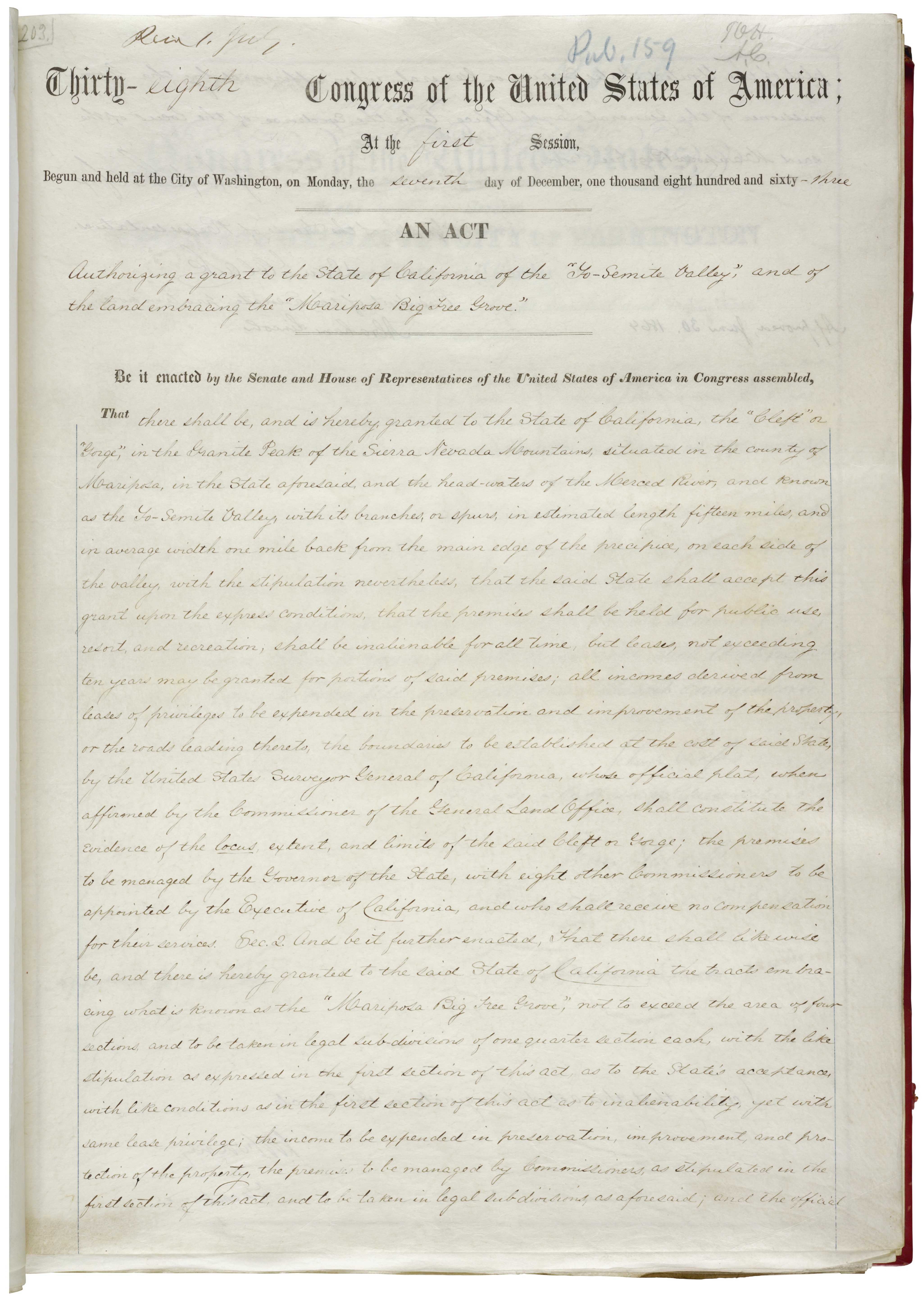
(Yosemite Grant Act 38th Congress, 1st Session, Public Law 159. 1864,
National Archives (12007292)
"Grant to the State of California of the ‘Yo-Semite Valley,’ and … the ‘Mariposa Big Tree Grove.’ … shall be held for public use, resort, and recreation… to be expended in the preservation and improvement of the property, or the roads leading thereto … ”
(Yosemite Grant Act 38th Congress, 1st Session, Public Law 159, 1864).
“Yosemite will prove an attraction … not only to California but of the United States… the restriction … with the necessary accommodation of visitors, of all artificial constructions ... which would ... distract from the dignity of the scenery."
(Frederick Law Olmsted, Frederick Law Olmsted Papers: Subject File, -1952; Parks; Yosemite Valley, Calif., 1863 to 1891, 1863).
At this time, a few important voices were concerned about potential disturbances to wildlife from too much public access, but many didn’t fully realize how human activities negatively impacted the environment by fragmenting wildlife habitats leading to disrupted ecosystems and reduced biodiversity. In 1890, Yosemite was officially designated as a national park.
“It ... has passed the Yosemite National Park bill, immensely extending the boundaries of the Yosemite grant. The new National Park … area of the Yosemite … embraces the whole of the upper Tuolumne river, with the Hetch Hetchy Valley.”
(William Randolph Hearst, The Yosemite National Park, 1890).
San Francisco's Water Problems
The Gold Rush led to rapid population growth in California. San Francisco recognized its need for a reliable water supply in the late 1800s to meet residents’ demands for water.
“As the demand grew with increasing population … the water sources of the peninsula, within reasonable distance, are amply sufficient to furnish an abundant supply of good, pure, fresh water to provide for the wants of San Francisco.”
(Carl Ewald Grunsky and Marsden Manson, Reports on the water supply of San Francisco, California, 1900 to 1908, inclusive, 1908).
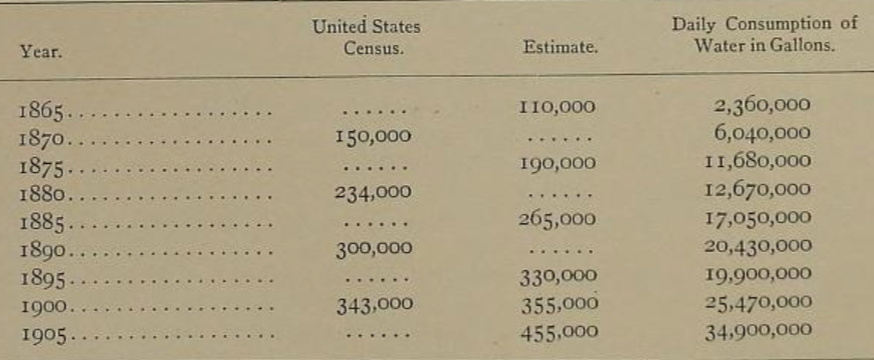
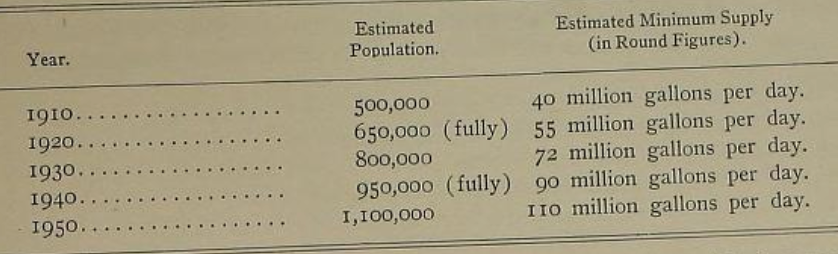
(Hermann Schussler, The water supply of San Francisco, California, before, during and after the earthquake of April 18th, 1906, and the subsequent conflagration, 1906)
The 1906 earthquake and fire devastated the city’s water infrastructure, forcing officials to urgently find water sources away from fault zones.
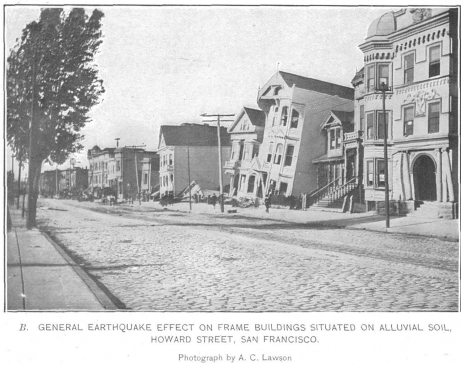
(Grove Karl Gilbert et al., The San Francisco Earthquake of April 18, 1906
and Their Effects on Structures and Structural Materials, 1907)
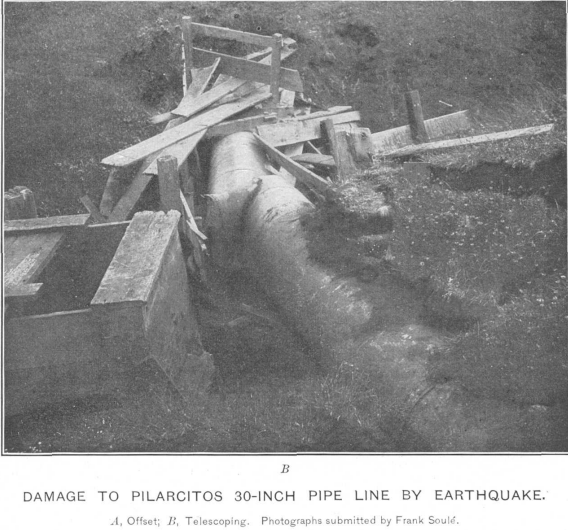
(Grove Karl Gilbert et al., The San Francisco Earthquake of April 18, 1906
and Their Effects on Structures and Structural Materials, 1907)
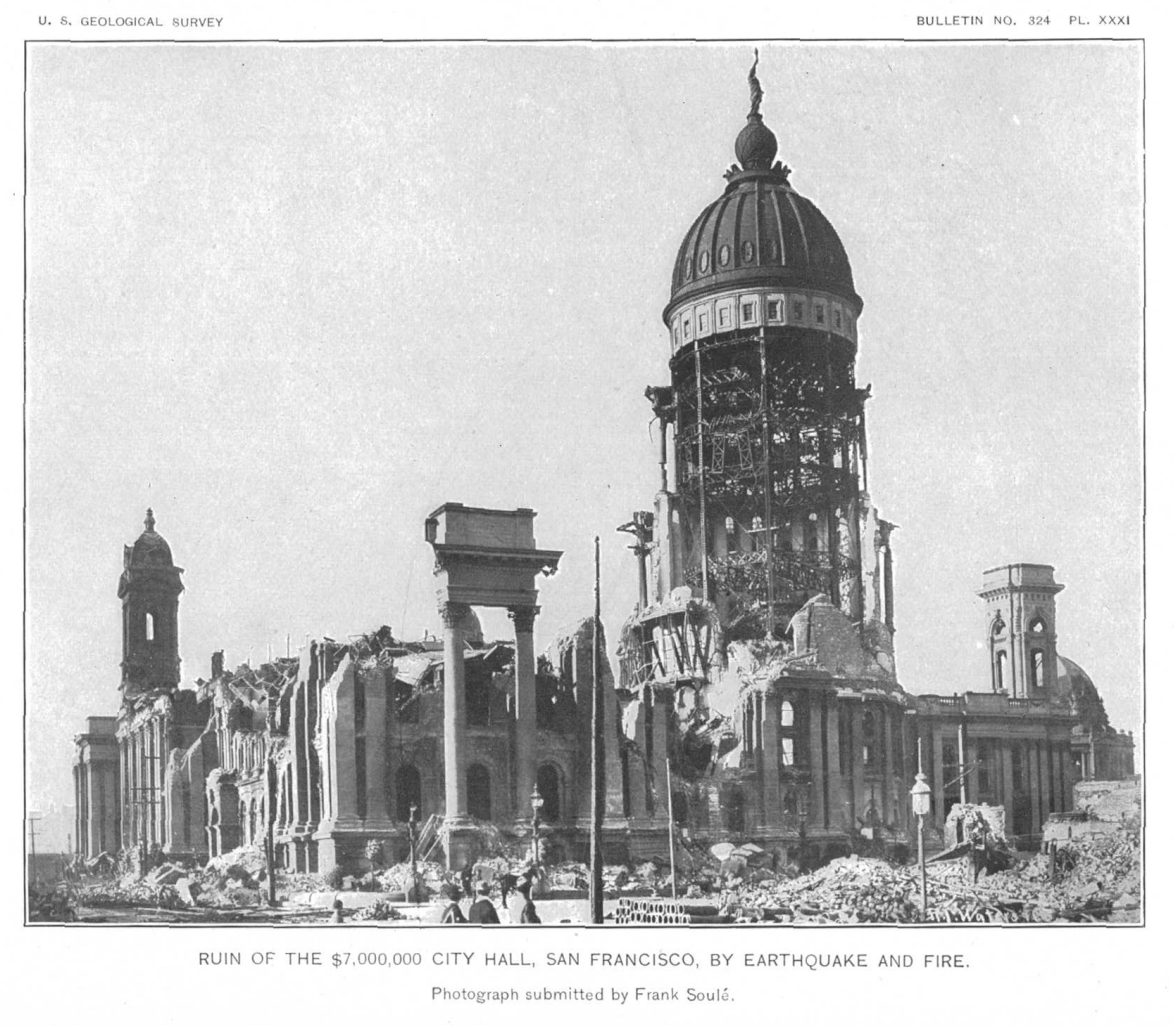
(Grove Karl Gilbert et al., The San Francisco Earthquake of April 18, 1906
and Their Effects on Structures and Structural Materials, 1907)
" ... repairing the damage done by the earthquake to the San Andres and Crystal Springs main pipe lines … promoters of various water schemes, prominent among which was Lake Tahoe, located about 200 miles from San Francisco ... a number of other additional water schemes were proposed from far and near."
(Hermann Schussler, The Water Supply of San Francisco, California, Before, During and After the Earthquake of April 18th, 1906, and the Subsequent Conflagration, 1906).
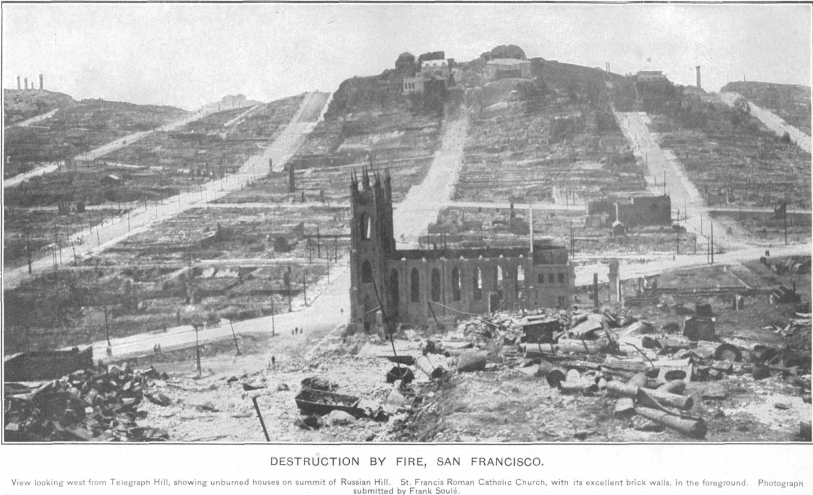
(Grove Karl Gilbert et al., The San Francisco Earthquake of April 18, 1906 and Their Effects on Structures and Structural Materials, 1907)
Hetch Hetchy Valley
San Francisco believed Hetch Hetchy Valley was the perfect location for a dam due to its distance from fault zones, large capacity, and water quality.
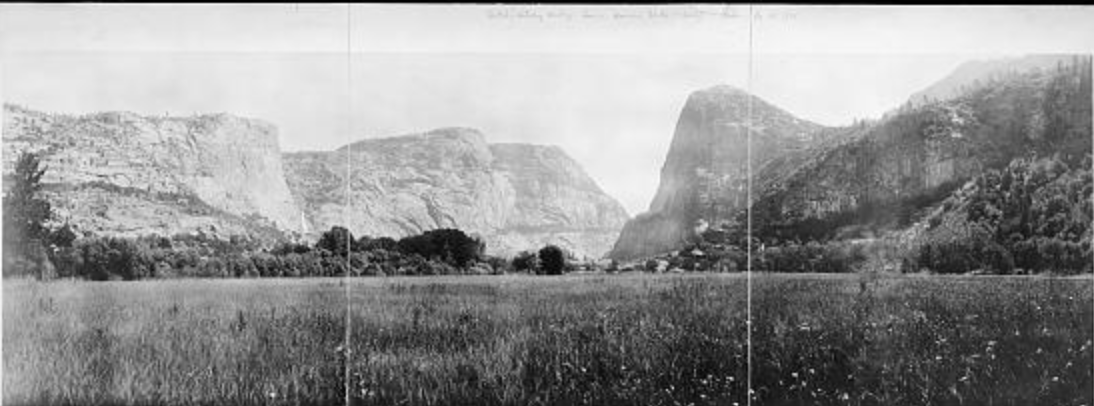
(Hetch Hetchy Valley, Sierra Nevada Mts., Calif. 1911, Library of Congress (2007660475))
“The Tuolumne River … unrivalled advantages … Absolute purity by reason of the uninhabitable character of the entire watershed … Abundance far beyond possible future demands ... Freedom from complicating 'water rights' … Power possibilities outside the reservation.”
(Carl Ewald Grunsky and Marsden Manson, Reports on the water supply of San Francisco, California, 1900 to 1908, inclusive, 1908).
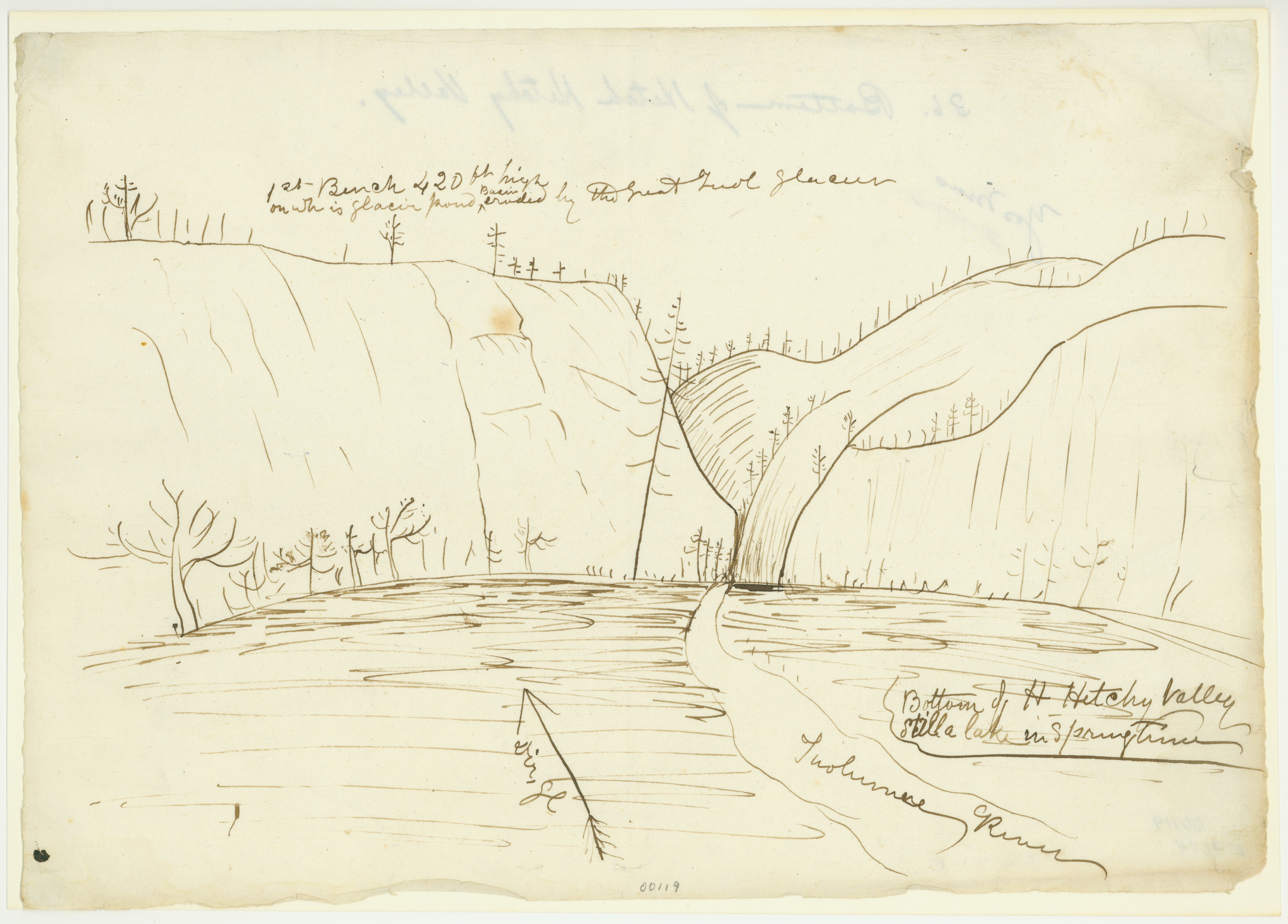
(John Muir drawings: Yosemite National Park - Valleys - Hetch Hetchy - Valley Floor.1874, Scholarly Commons (JMD 229))