New Perspectives
NPS Scientific Method
The NPS initially prioritized human enjoyment. However, over time the NPS started focusing more on environmental protection and ecosystem management through scientific methodologies and trying to reduce negative impacts caused by humans.
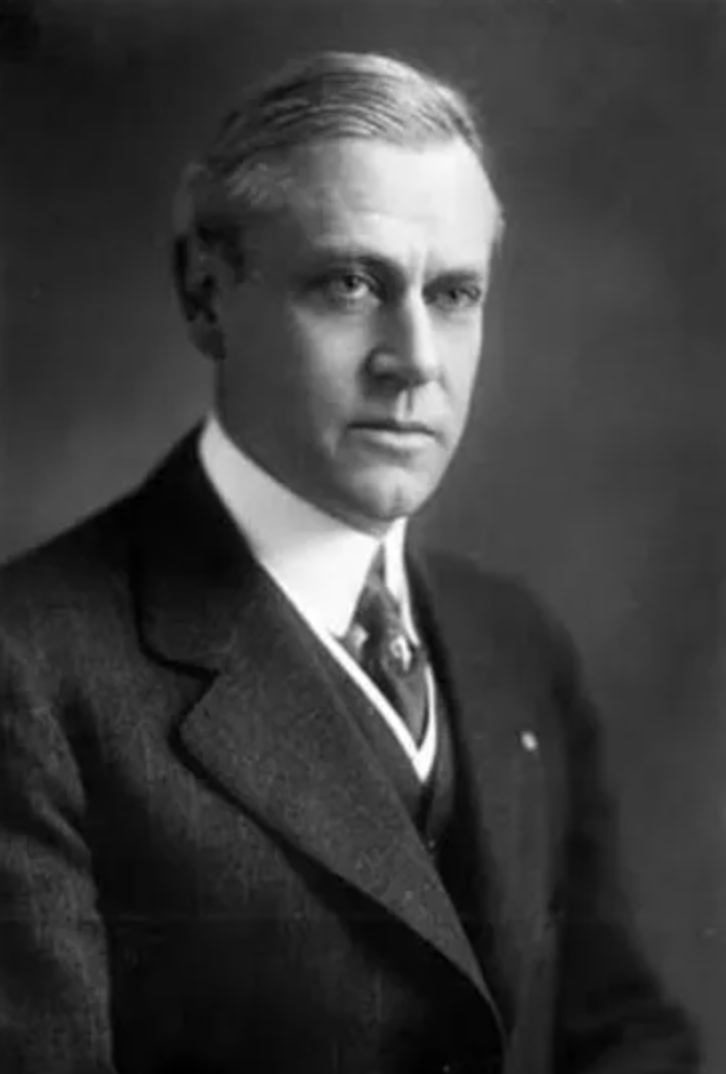
(Marian Albright Schenk, Stephen Mather, 1916)
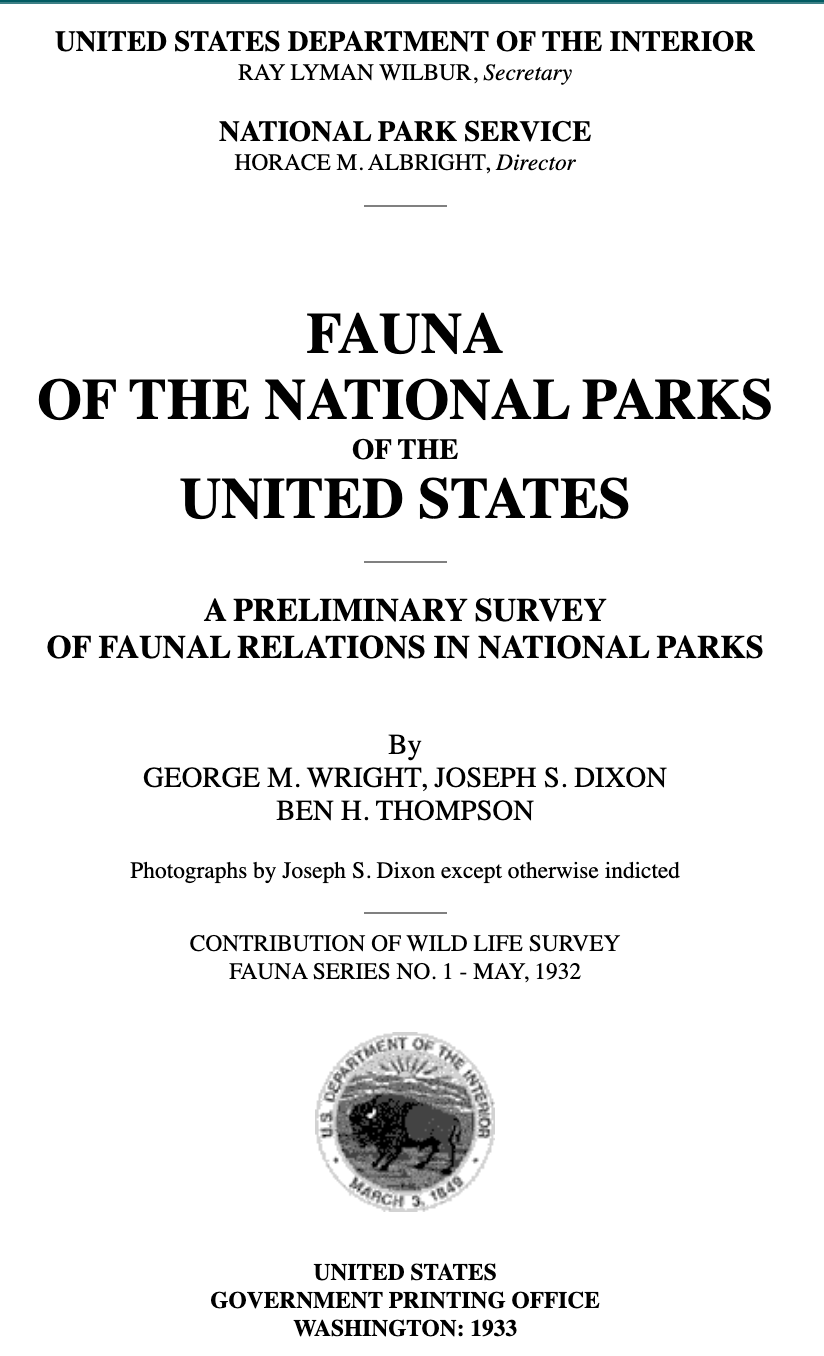
(George M. Wright, Joseph S. Dixon, and Ben H. Thompson, Fauna of the National Parks of the United States a Preliminary Survey of Faunal Relations in National Parks, 1933)
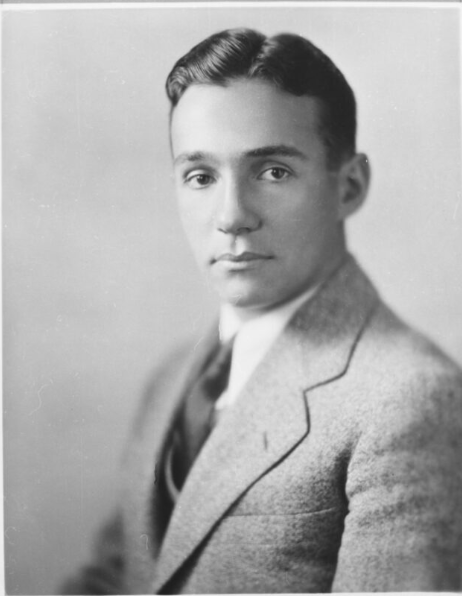
(Yosemite Legends: George Meléndez Wright; Yosemite Conservancy)
“ … Steven T. Mather, director of National Parks, Department of Interior ... will give ... accommodations at all times to the public ... The … Company will also erect a number of inns and lodges … ”
(Improvements Under Way for Yosemite Park, 1919).
“In 1920 Stephen Mather, … took steps to formalize the connections between science and interpretation …Wright's work also emphasized the importance of research as a tool to support resources management decisions in the NPS … Fauna No. 1, and it became the 'working bible' for them.”
(Henry E. McCutchen, A History of Science in the National Park Service, 1992).
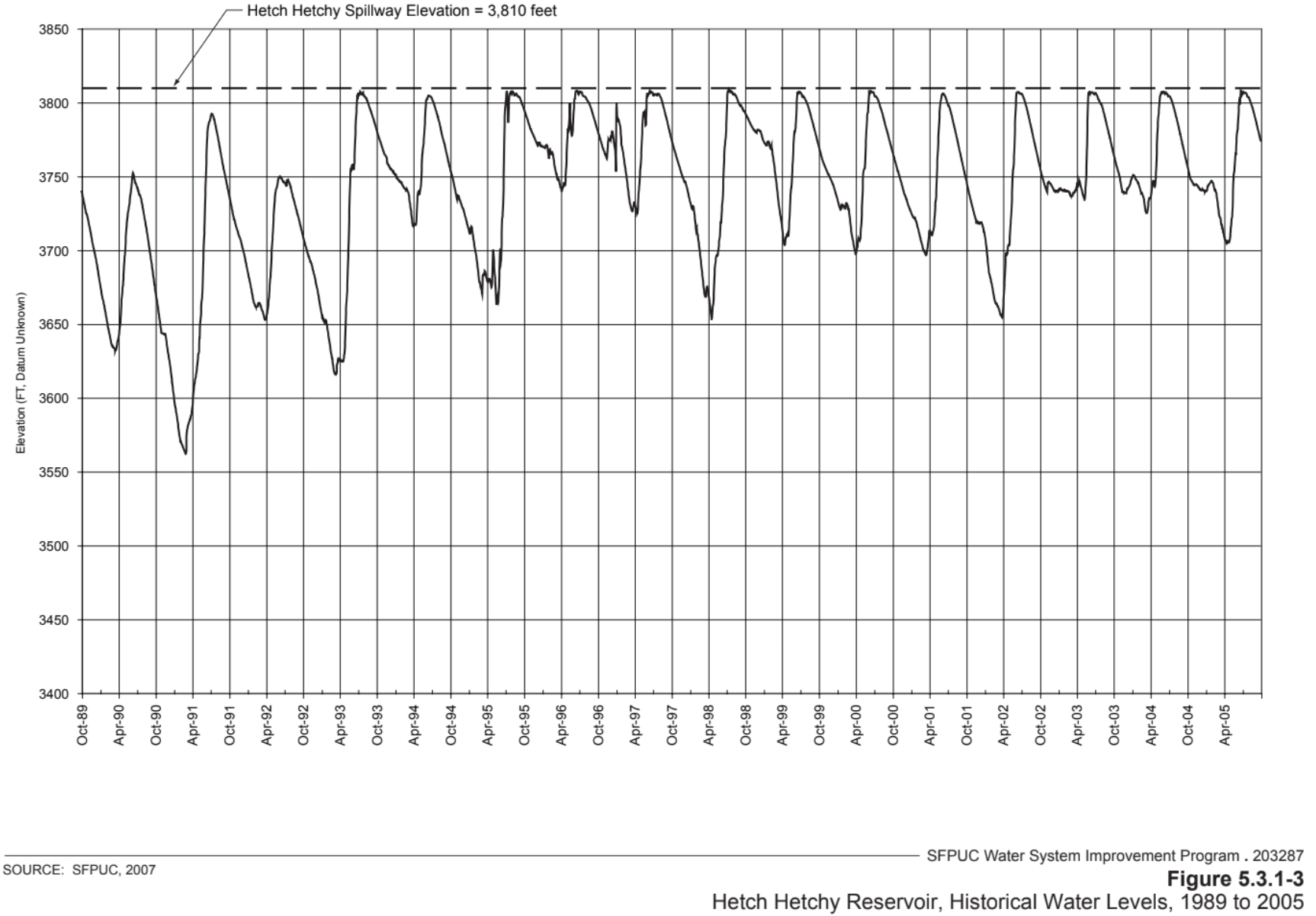
(Program Environmental Impact Report: 5.3 Tuolumne River System and Downstream Water Bodies, 2008)
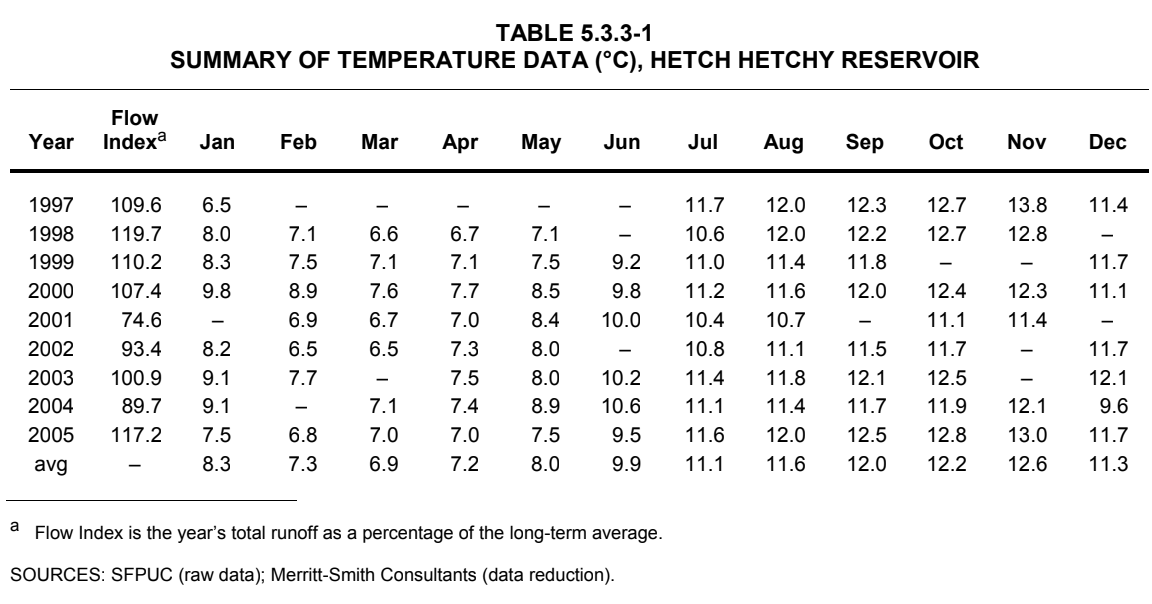
(Program Environmental Impact Report: 5.3 Tuolumne River System and Downstream Water Bodies 2008)
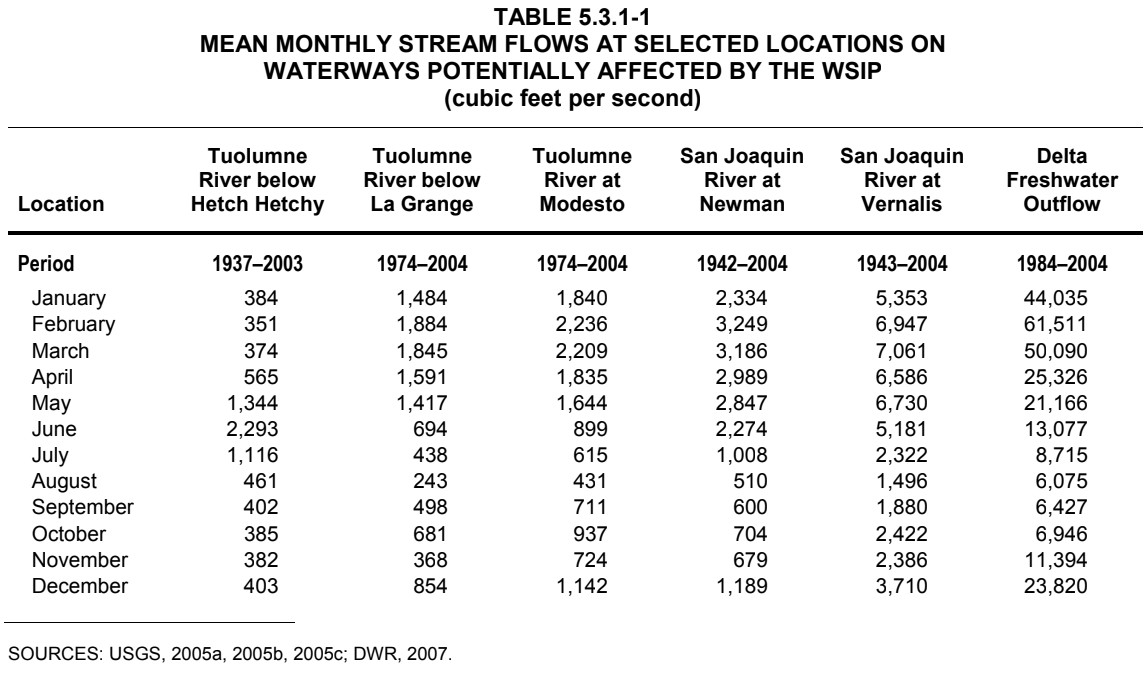
(Program Environmental Impact Report: 5.3 Tuolumne River System and Downstream Water Bodies, 2008)
Government and Public Efforts
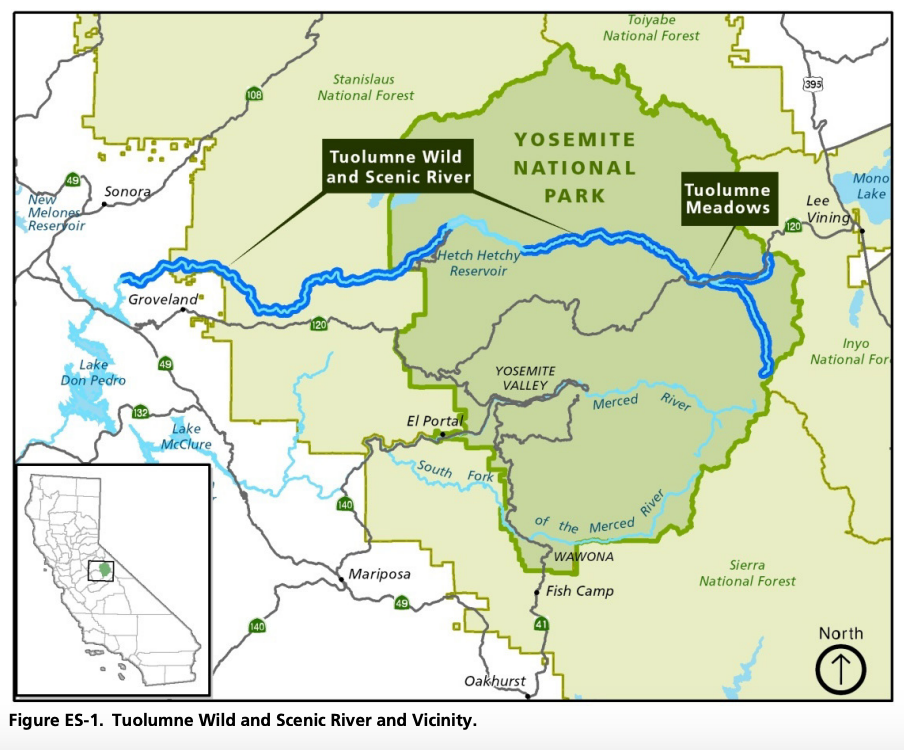
(Tuolumne Wild and Scenic River Final Comprehensive Management Plan and Environmental Impact Statement, 2014)
The NPS works with governmental and non governmental agencies to utilize natural resources wisely and sustainably.
“The Tuolumne Wild and Scenic River, designated in 1984 ... excluding the Hetch Hetchy Reservoir ... WSRA requires comprehensive planning ... to provide for the protection of the river’s free-flowing condition, water quality, and the outstandingly remarkable values ... ”
(Tuolumne Wild and Scenic River Final Comprehensive Management Plan and Environmental Impact Statement, 2014).
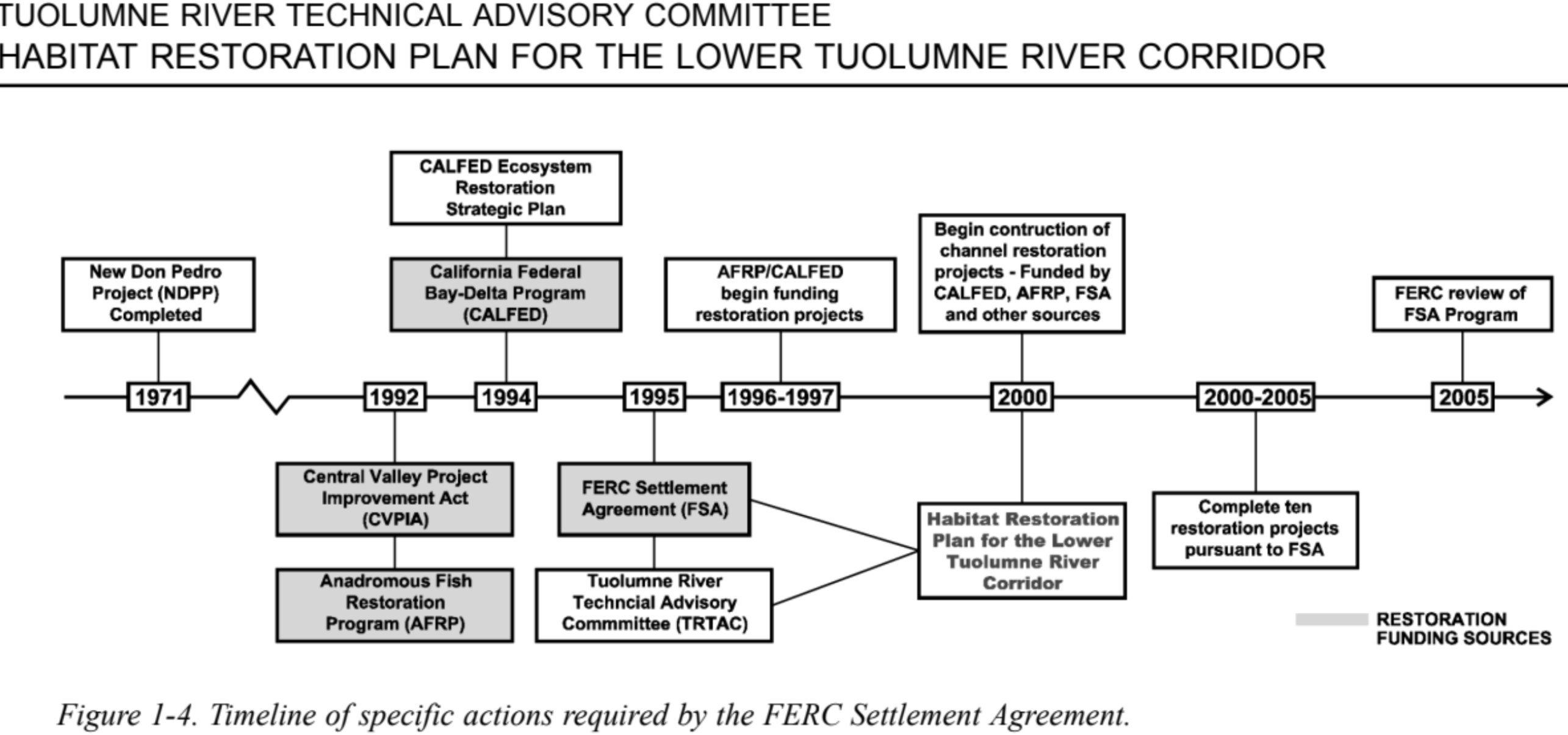
(Habitat Restoration Plan for the Lower Tuolumne River Corridor, 2000)
(Hear Environmental Leader on Tuolumne Salmon, 2022)
“The NPS is collaborating with the SFPUC, the USFS, and the U.S. Fish and Wildlife Service (USFWS) on the Upper Tuolumne River Ecosystem Project. This project is conducting research to determine the effects of water temperature and flow regime on ecological conditions downstream of the dam.”
(Tuolumne Wild and Scenic River Final Comprehensive Management Plan and Environmental Impact Statement, 2014).
The NPS continues to participate in dam projects, prioritizing environmental conservation.
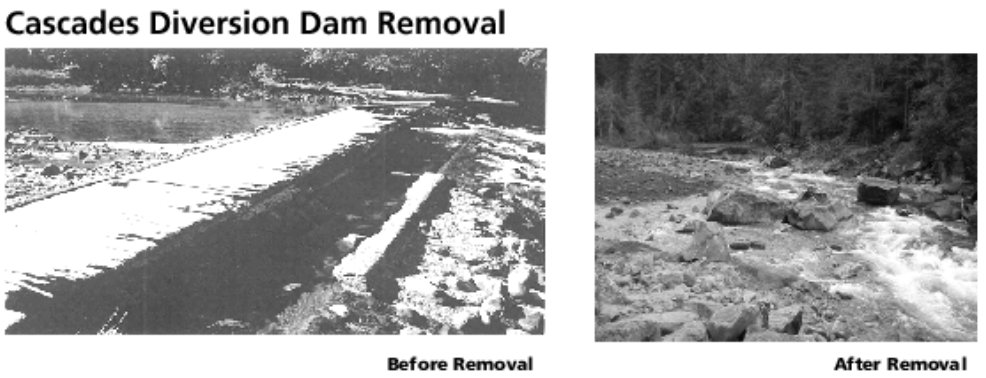
(Yosemite National Park, Cascades Diversion Dam Removal, 2005)
“NPS removed Cascades Dam in Yosemite National Park in 2003 to protect visitors from … potential dam failure and to facilitate river restoration of the Merced River.”
(Anna E. Normand, Dam Removal and the Federal Role, 2021).
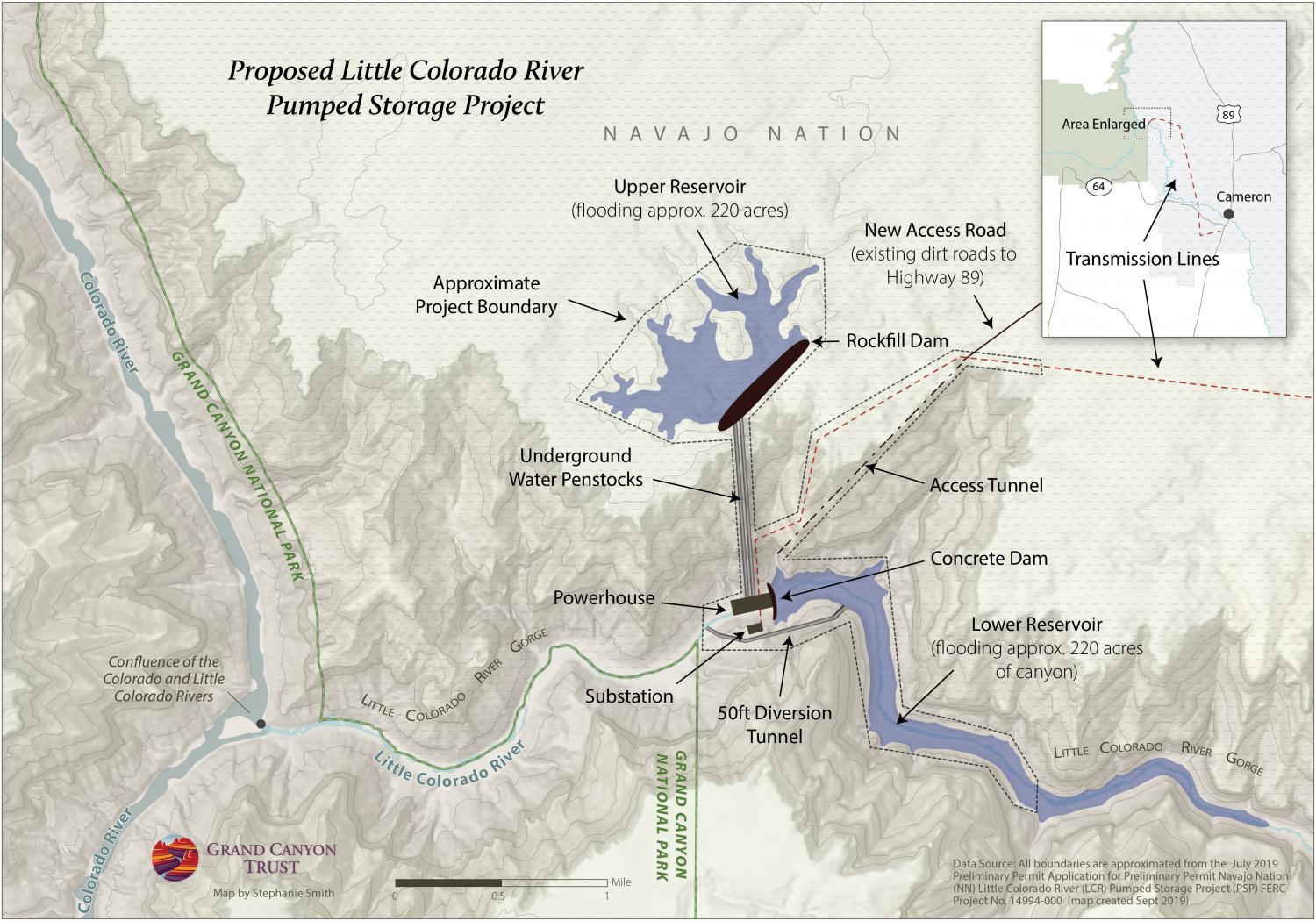
(Roger Clark, Second Dam Project Would Flood Sacred Site Near Grand Canyon, 2019)
“Application for … the Navajo Nation Salt Trail Canyon Pumped Storage Project ... As the NPS has a responsibility to protect the resources and values of Grand Canyon National Park, the NPS would like to discuss these concerns in more detail if this project proceeds further.”
(Janet L. Whitlock, Notice of Application for Preliminary Permit for the Navajo Nation Salt Trail Canyon Pumped Storage Project, 2019).
Hetch Hetchy’s legacy enabled both the development of the San Francisco Peninsula and establishment of the NPS, which helps balance water rights and environmental responsibility for future generations.