Since Time Immemorial
Bombardment of Angoon -
Reactions to a Cultural Clash and Delayed Reforms
Tlingit and U.S Navy History
Tlingit Trade Relationships Pre-U.S. Involvement
"Lingít haa sateeyí, "we who are Tlingit," have owned and occupied southeast Alaska since time immemorial. When we say haa aaní, “our land,” we are speaking from the heart. Those words mean ownership, which we have had to defend through history. They mean identity, because this is our homeland. They mean the nourishment of body and spirit provided by bountiful rain forests, coasts and rivers. This land and its gifts have sustained us for hundreds of generations." - Rosita Worl (Tlingit), 2009 Smithsonian
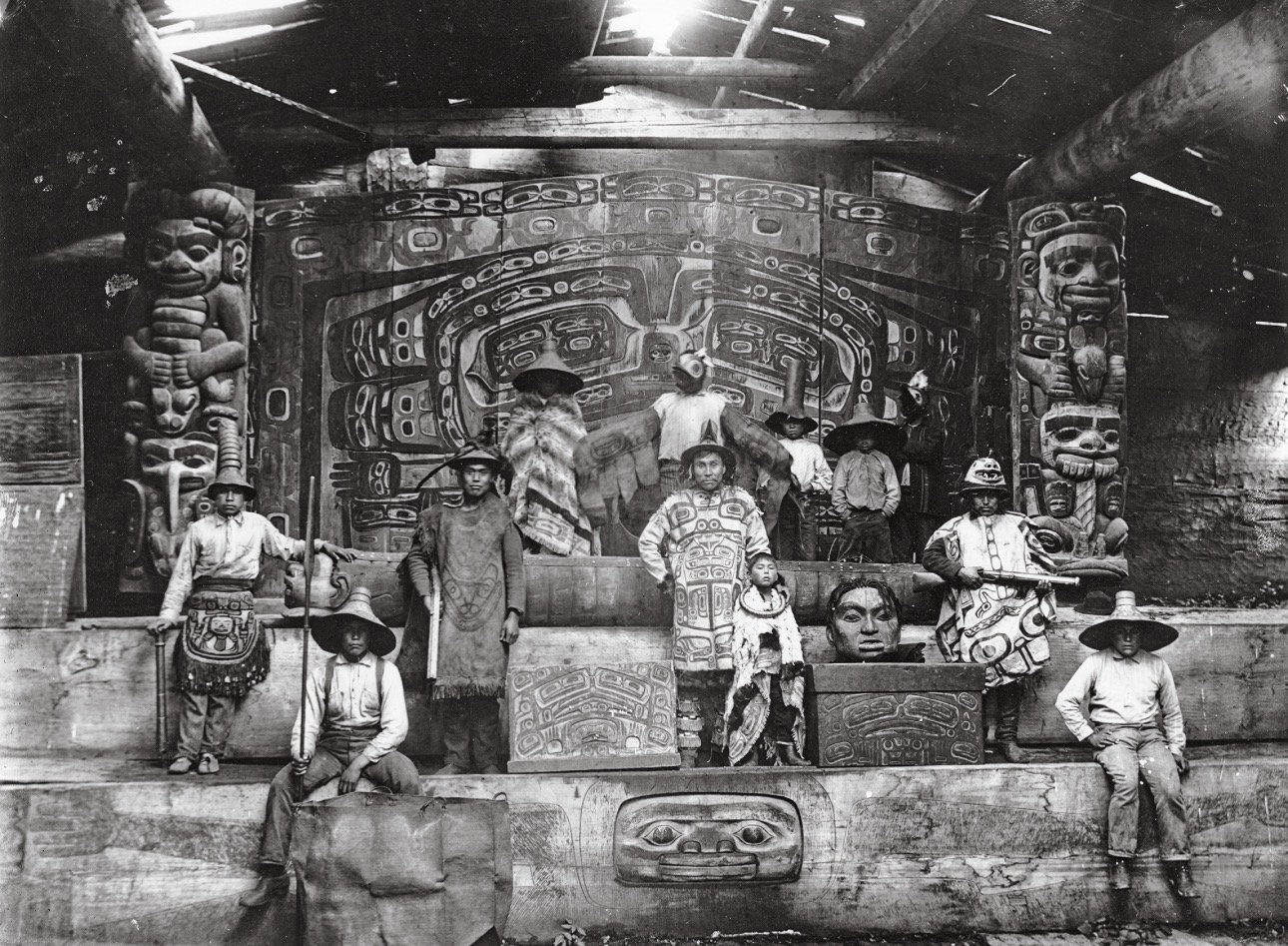
The Whale House at Klukwan Winter and Pond. 1895. Alaska State Library
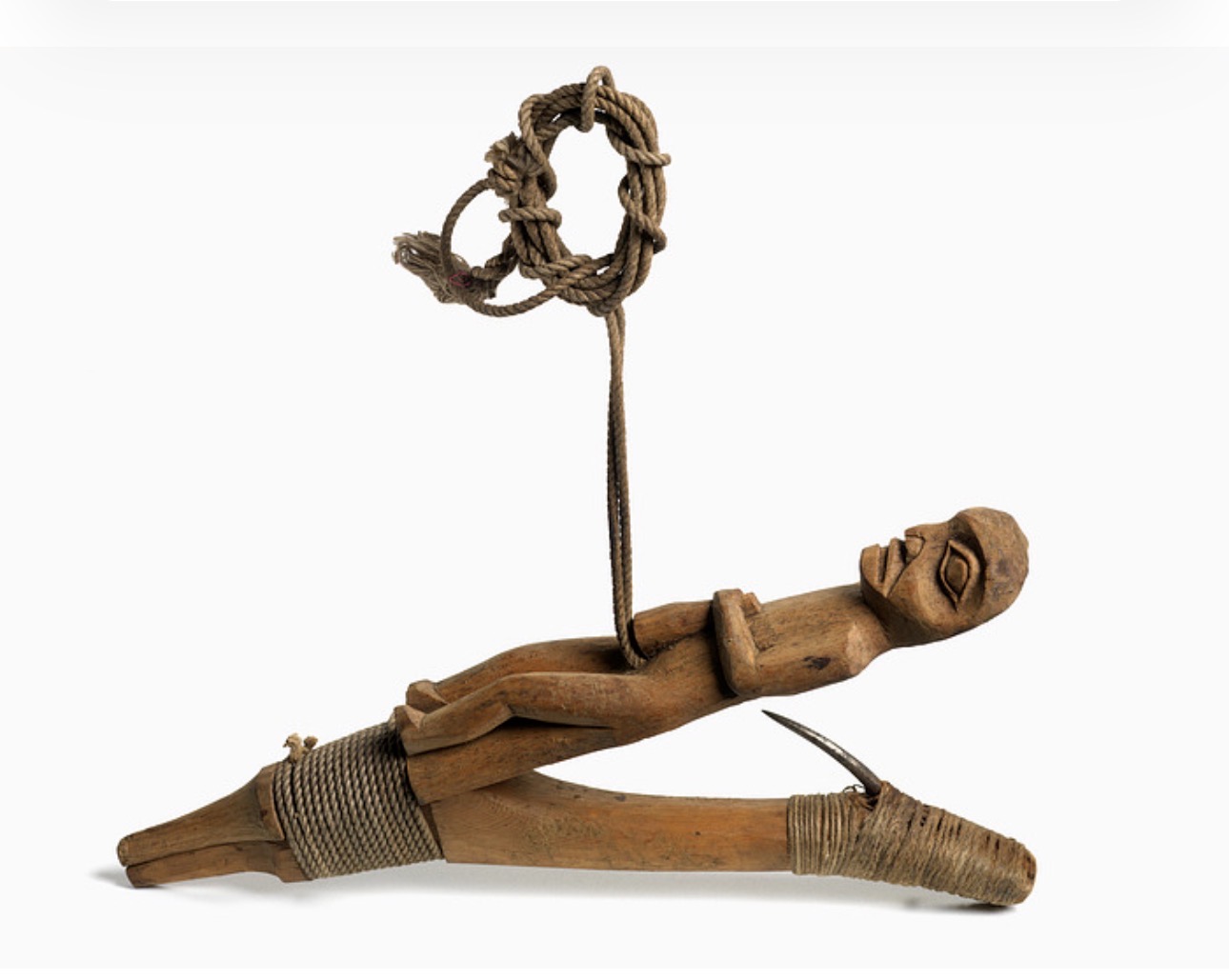
Tlingit fish hook for halibut. Smithsonian
Tlingit people knew the value of their land and resources. They demanded payment for these resources from any visitors. When the Spanish, French, and British first made contact with the Tlingit clans, they generally respected the trading practices of the Tlingit. Though there were incidents and disputes, they were usually peacefully resolved.
"In 1786, Lapérouse’s ships reached the shores of Lingít Aaní and entered Ltu.áa (Lituya Bay) where they met Lingít who were likely from the Tʼaḵdeintaan of the Xunaa Ḵáawu. These Lingít sold a small island in the bay to the French, which allowed them to profit off of foreigners who would never return."
-Peter Stanton. Alaskan Teacher and Historian. 2024.
1867
Tribal lands were sold by the Russians to the United States. This action disrespected the autonomy of the Tlingit clans.
Angoon from Chatham Strait side beach. 1867-1896. Alaska Digital Archive
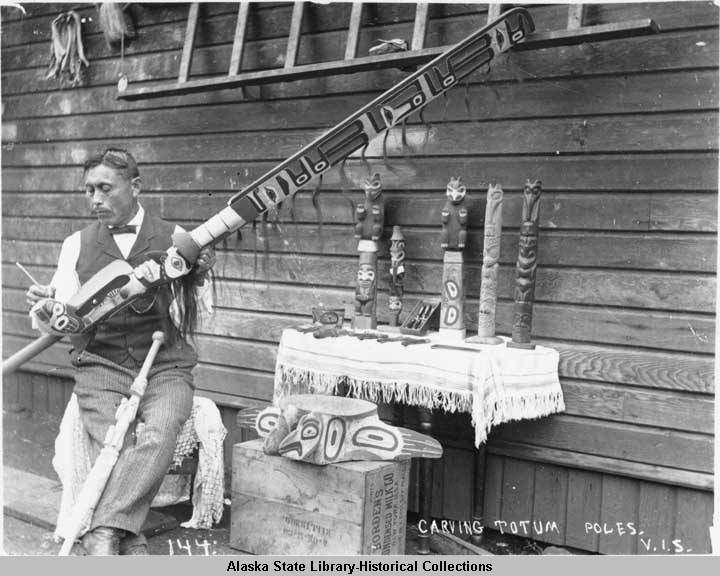
Tlingit artist, Billy Webster, painting a leader's dance staff, including miniature totem poles. Alaska Digital Archive
1867
The United States purchased Alaskan colonial claims from the Russian Empire in 1867 for 7.2 million dollars, and the Army gained control of the territory.
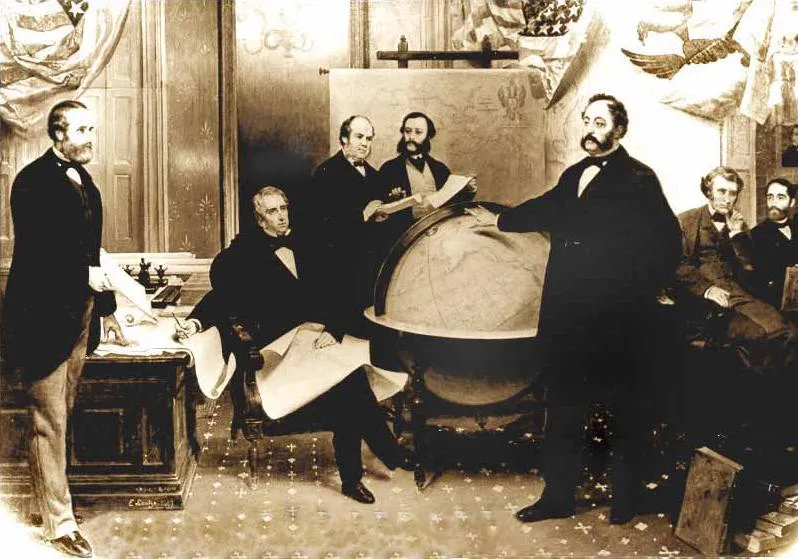
Signing of the Alaska Treaty of Cession. 1867. Library of Alaska
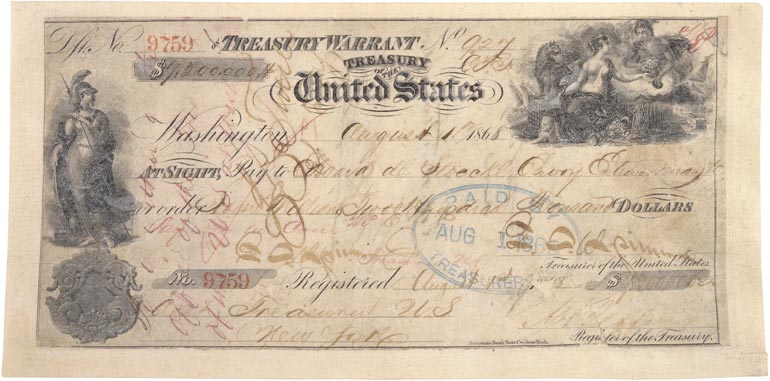
Cancelled check of $7.2 million. 1868. National Archives
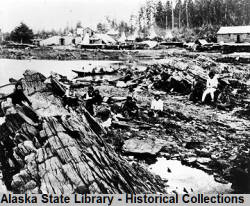
Fort Wrangell military post; group of Alaska natives on rocks in foreground. Alaska Digital Archives
1869
The "Kake Wars" began because the United States military expected to have complete control over the Alaskan land and the Indigenous people. The Army, in response, brought a gun boat and attacked three Indigenous villages with little Tlingit resistance.
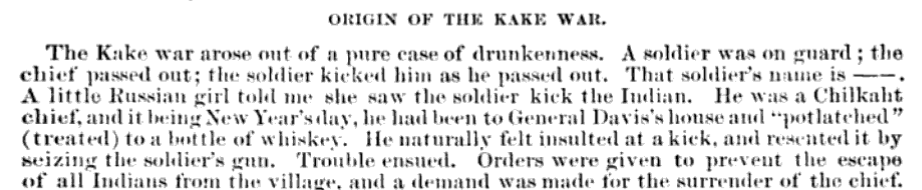
Annual Report of the Department of the Interior. Washington. 1869-70
1877
The Tlingit people immediately began to take apart Army stockades, salvaged the contents and occupied government buildings.
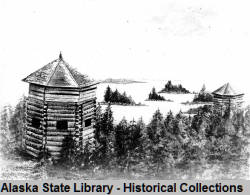
Stockades. Alaska Digital Archives
1877
The Army held control of the colony until they gave most of the power to the Treasury Department in 1877 to eventurally give it to the Navy, this was due to the backlash for the Kake Wars. Following this transition, the Army mostly conducted exploration expeditions.

U.S. Treasury East Wing. 1858. U.S Treasury.gov
1879
The Tlingit people were negotiating economic compensation and maintaining their traditional culture, while facing increased encroachment from American settlers and the arrival of the U.S. Navy.
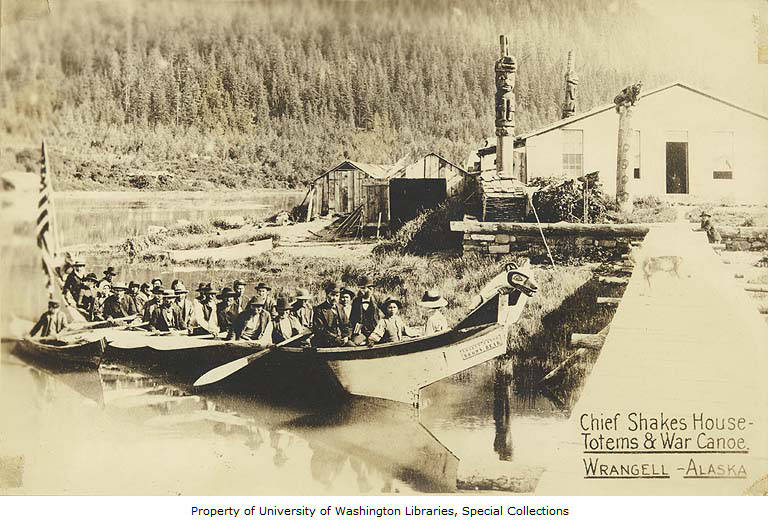
Tlingit Canoe and House. 1916. U. of Washington
1879
The Treasury Department gave control to the Navy in 1879, because of the lack of authority of the Treasury Department and the growing instability with the Indigenous American people.
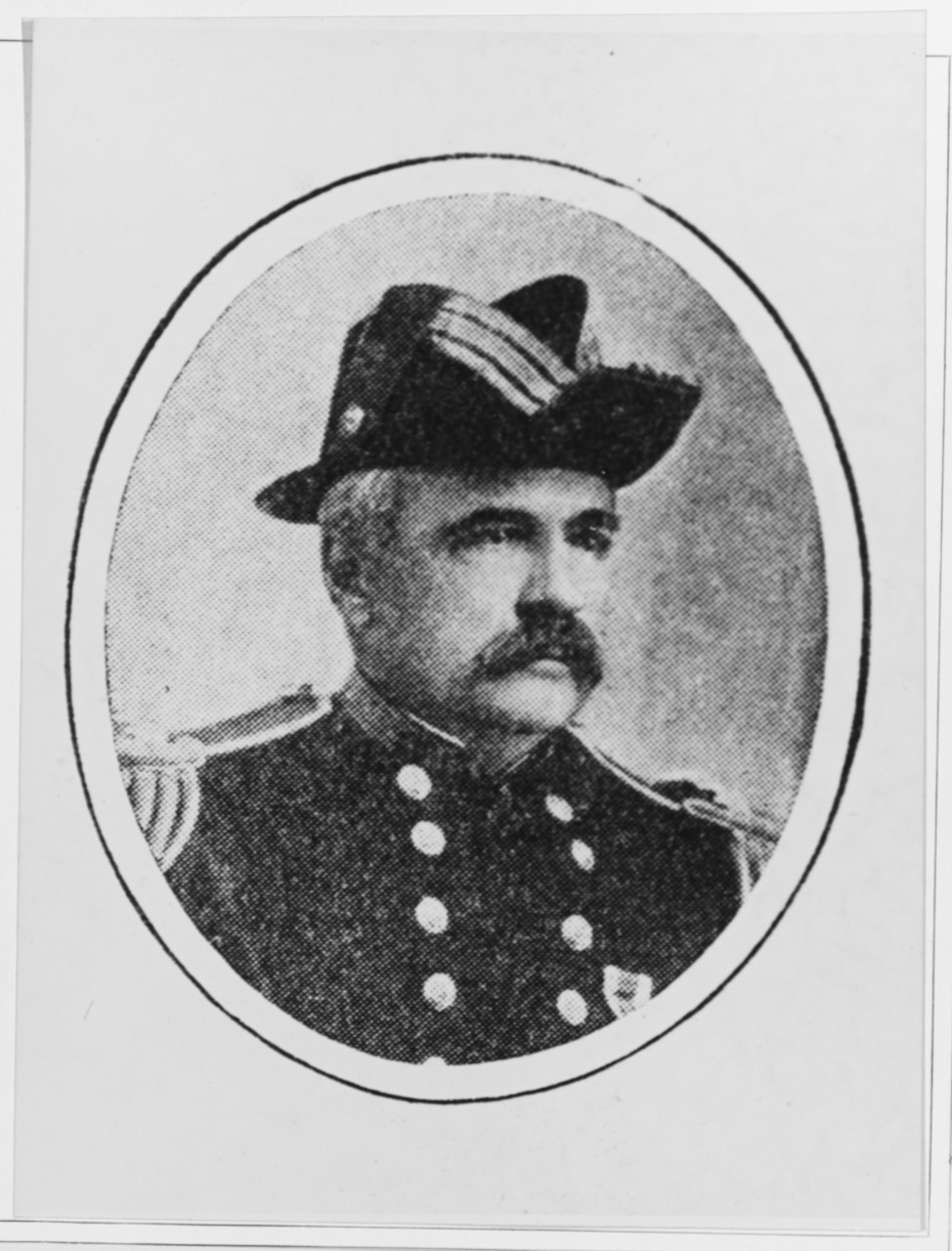
Commander Lester A. Beardslee. 1880s. history.navy.mil
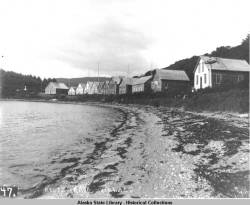
Angoon, Chatham Strait side beach. 1896 to 1913. Alaska Digital Archive.
1882 Conflict With the Angoon village
The Navy engaged in hostile actions against the Tlingit villages. In 1882, the USS Adams, supported by the USRC Corwin and tugboat Favorite, bombarded Angoon, destroying homes, canoes, and food supplies, leading to starvation.
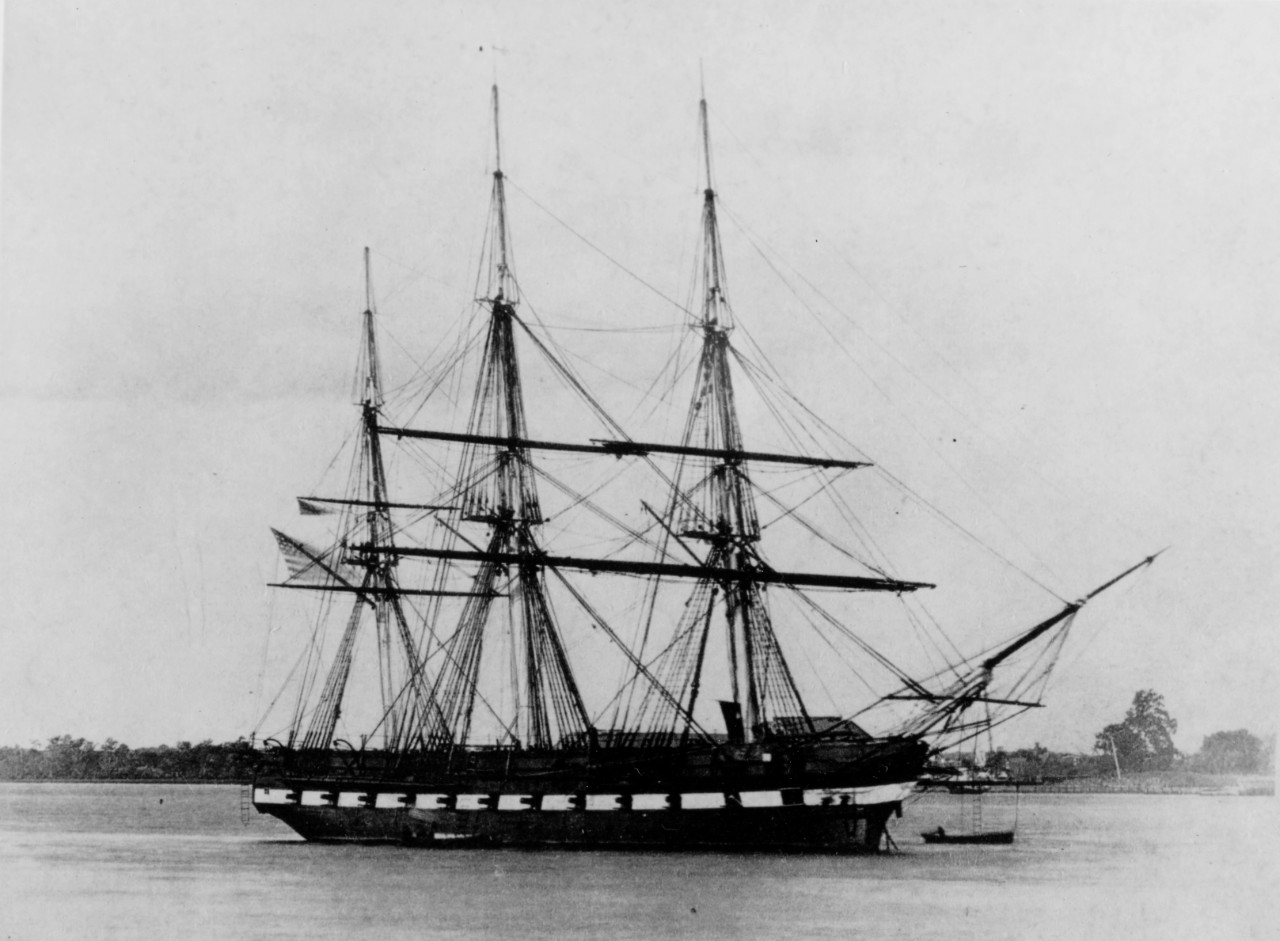
USS JAMESTOWN. 1880-1889. history.navy.mil
Five Year Period With the Navy in Alaska
During this five-year naval period, Alaska was governed by Commander Lester A. Beardslee using ships, including the USS Jamestown, to act as the only government for the territory. Eventually, the Naval rule ended in May, 1884, due to events with the Tlingit Clan.
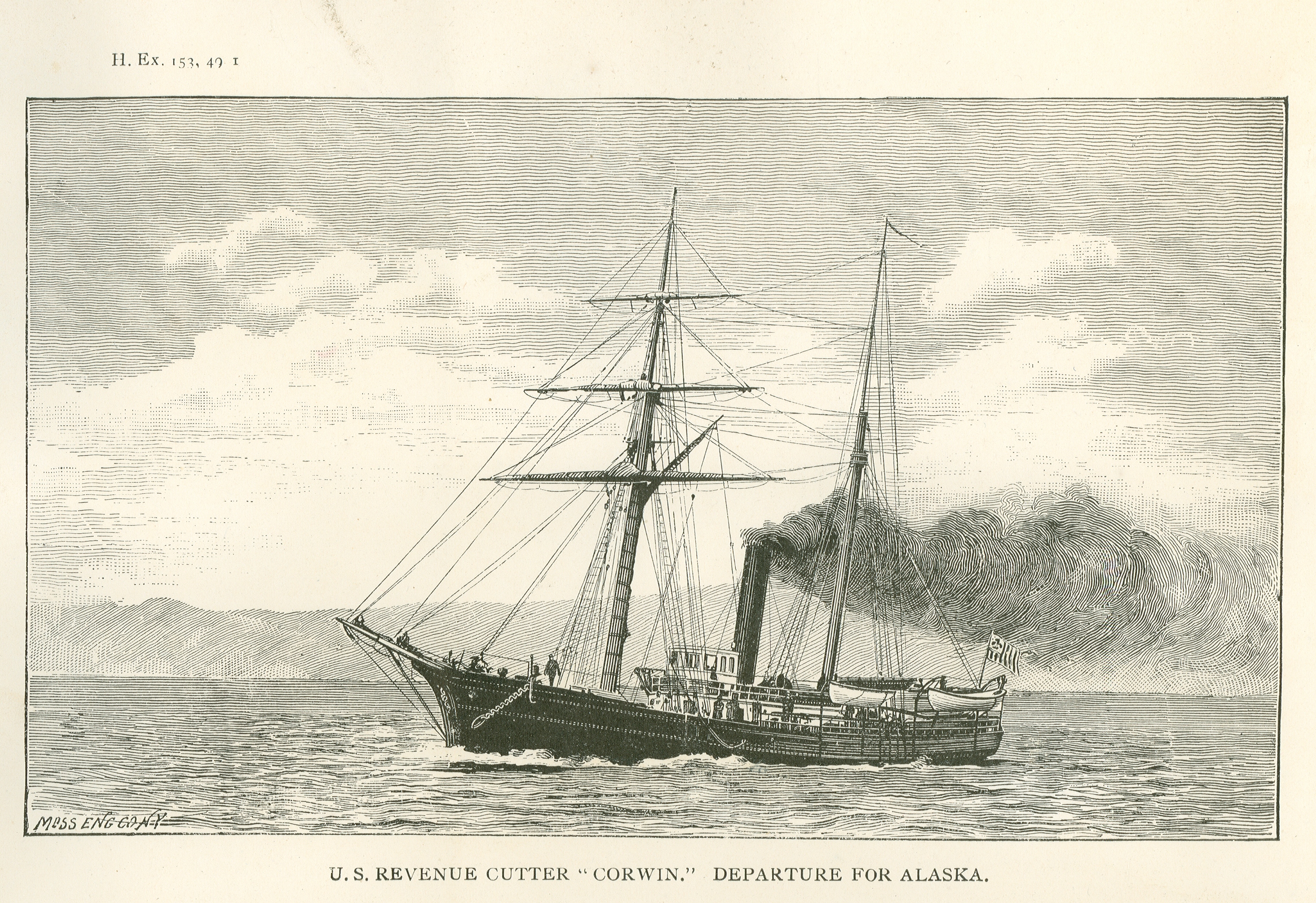
USRC Corwin. naval-history.net
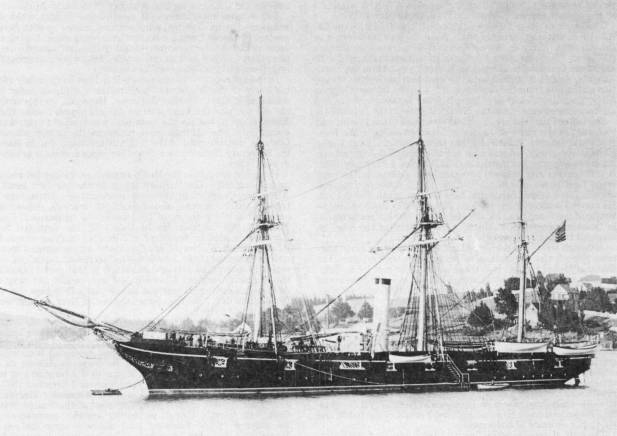
USS Adams. naval-history.net