leaders

Removal of Segregation

Rights            and       Responsibilities

    Leaders

Martin Luther King Jr. was a leader in the American civil rights movement. Furthermore, he advocated for equality through peaceful protesting. His work led to the removal of segregation: the Civil Rights Act of 1964. Martin Luther King Jr.'s legacy has grown, proving his protests were heard; additionally, without violence. His speeches provided reassurance of a positive connotated change.​​​​​​​

"I have a dream today. I have a dream that one day every valley shall be exalted, every hill and mountain shall be made low, the rough places will be made plain, and the crooked places will be made straight, and the glory of the Lord shall be revealed, and all flesh shall see it together."
- Martin Luther King Jr.
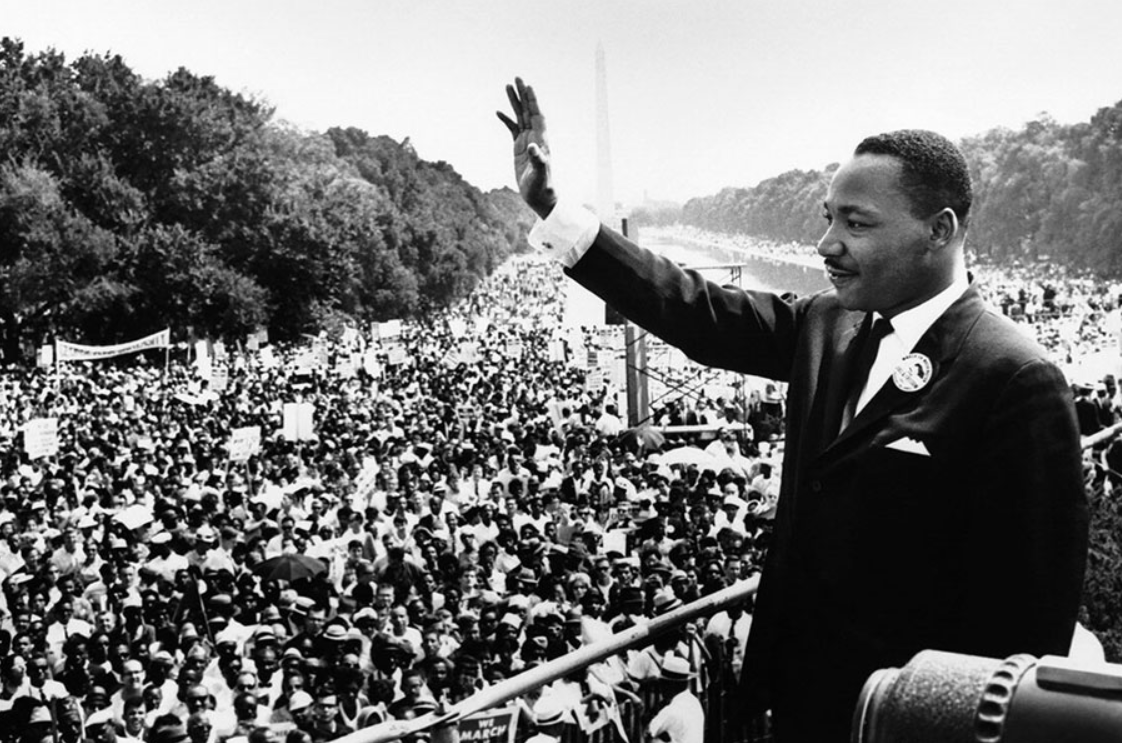
Martin Luther King Jr. delivered his "I Have a Dream" speech in August 1963 at the Lincoln Memorial in Washington, D.C. [Source: Florida State University News]

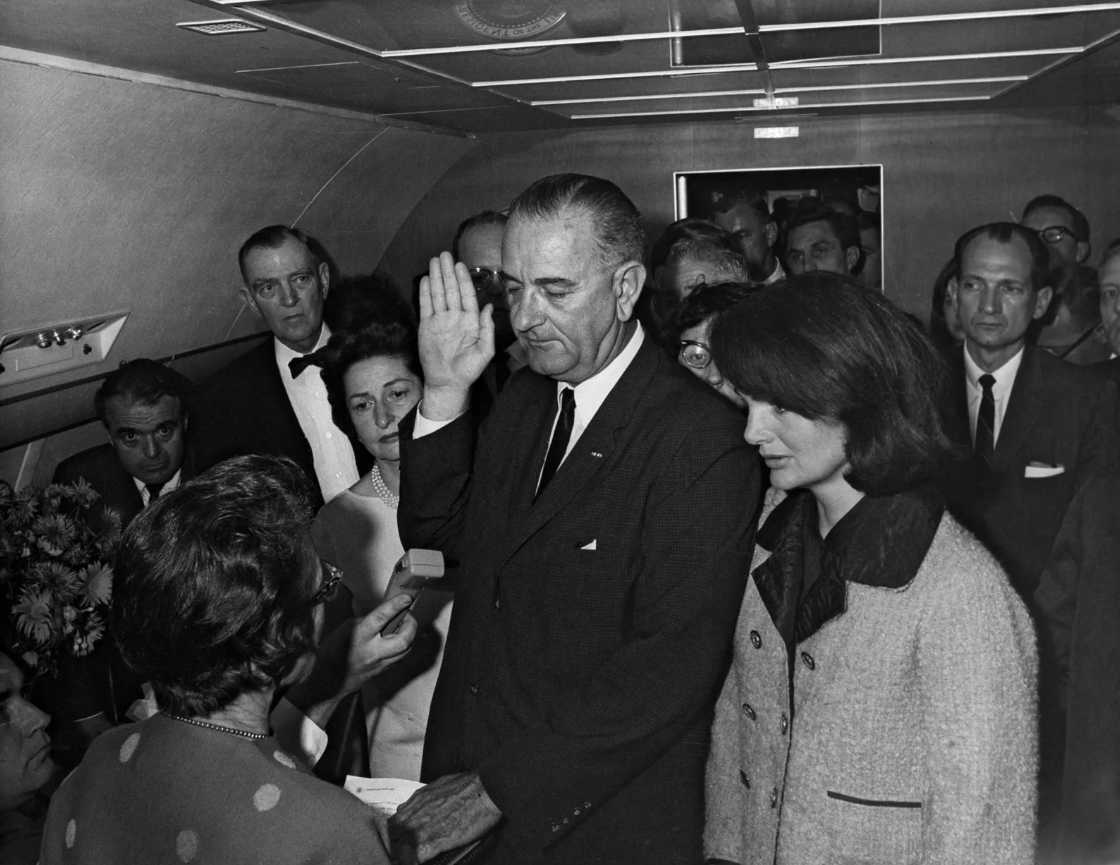
Lyndon B. Johnson, Jacqueline Kennedy, Lady Bird Johnson, and Jacqueline Kennedy, standing by U.S. Pres. Lyndon B. Johnson as he takes the oath of office aboard Air Force One after the assassination of John F. Kennedy, November 22, 1963. [Source: Britannica]

Lyndon B. Johnson was the 36th president of the United States, who served from 1963 to 1969. Johnson contributed to the Civil Rights Act of 1964, and Voting Rights of 1965, by passing those legislations. Moreover, he wanted to follow John F. Kennedy's work by creating the new right to vote for all american citizens.​​​​​​​

"We shall overcome."
- President Johnson