Heavenly Kingdom

Gender Reforms Within the
​​​​​​​Taiping Rebellion

Heavenly Kingdom

"Hong preached an early form of communism that stressed sharing property, mixed with religious ideas and laws based on the 10 commandments of the Old Testament Bible."
Amanda Onion and Matt Mullen, "Taiping Rebellion: Causes, Definitions, and Death Toll", History.com, 2018

Preaching Christianity

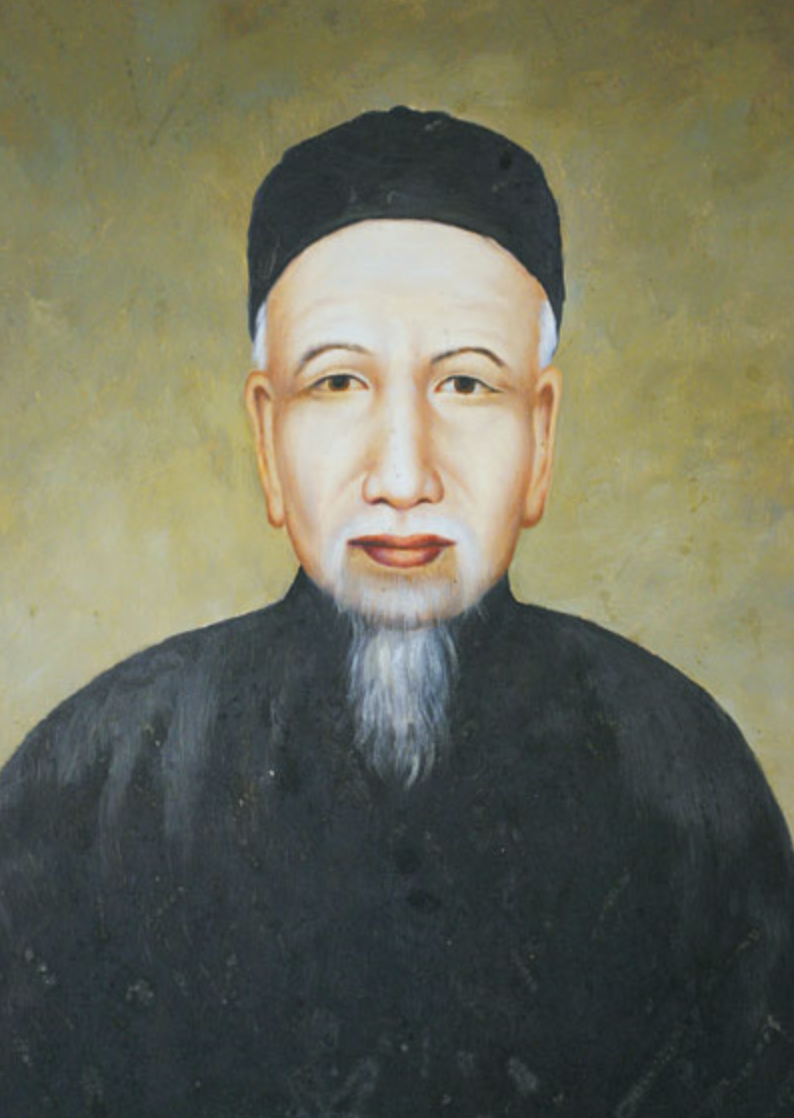
Hong was influenced by the masses of Westerners preaching Christianity and Laing Fa, the second Chinese Protestant. Hong believed he was the son of God, so he preached God's words. The entire Taiping Rebellion was a Christian movement.


"His rebellion was based on the Protestant doctrine introduced to China by Western missionaries...influenced by a Protestant propaganda booklet Benevolent Words to Advise the World."                                                                Zhang Ke, "Taiping Rebellion", Academy of Chinese Studies, last updated 2025


"He baptized himself, prayed to God, and from then on considered himself a Christian."                                                                                                Amanda Onion and Matt Mullen, "Taiping Rebellion: Causes, Definitions, and Death Toll", History.com, 2018


Hong was influenced by Laing Fa's works, one stating:

"These Confucian scholars are bewildered and obsessed by their ambitions, so they cling to their delusions and worship these idols instead of with a humble mind worshipping the Ruler of the Heaven and Earth."                                         Liang Fa, Quanshi, 1831, in God's Chinese Son: The Taiping Heavenly Kingdom of Hong Xuiqan, Jonathan D. Spence, W.W Norton & Company, 1996

Hong explains in a poem, and its commentary:

"Repent and believe in our Heavenly Father, the Great God, and you will in the end obtain happiness; rebel and resist our Heavenly Father, the Great God, and you will surely weep for it."                                                                            Xu Bing, Tian Tiaushu (Book from the Sky), 1988, in God's Chinese Son: The Taiping Heavenly Kingdom of Hong Xuiqan, Jonathan D. Spence, W.W Norton & Company, 1996

Destroying Confucianism

Hong sought to destroy Confucian ideas. One, because they were cruel, and two because he believed that Confucius was against the Christian God and against Jesus.


Hong ordered his cousins to:

"Strike at the idols, as God has ordered them...the tablets to Confucius...one by one they remove the tablets."                                                                                 Jonathan D. Spence, God's Chinese Son: The Taiping Heaveny Kingdom of Hong Xuiqan, W.W Norton & Company, 1996


"Hong incorporates an element of anti-Confucianism...adds the charge that Confucius, through his books, muddled and confused the people on China, so that his reputation exceeded the True God's in that land."                                     Jonathan D. Spence, God's Chinese Son: The Taiping Heaveny Kingdom of Hong Xuiqan, W.W Norton & Company, 1996


Author unknown, 1865, Liang Fa the 2nd mainland Chinese Protestant convert