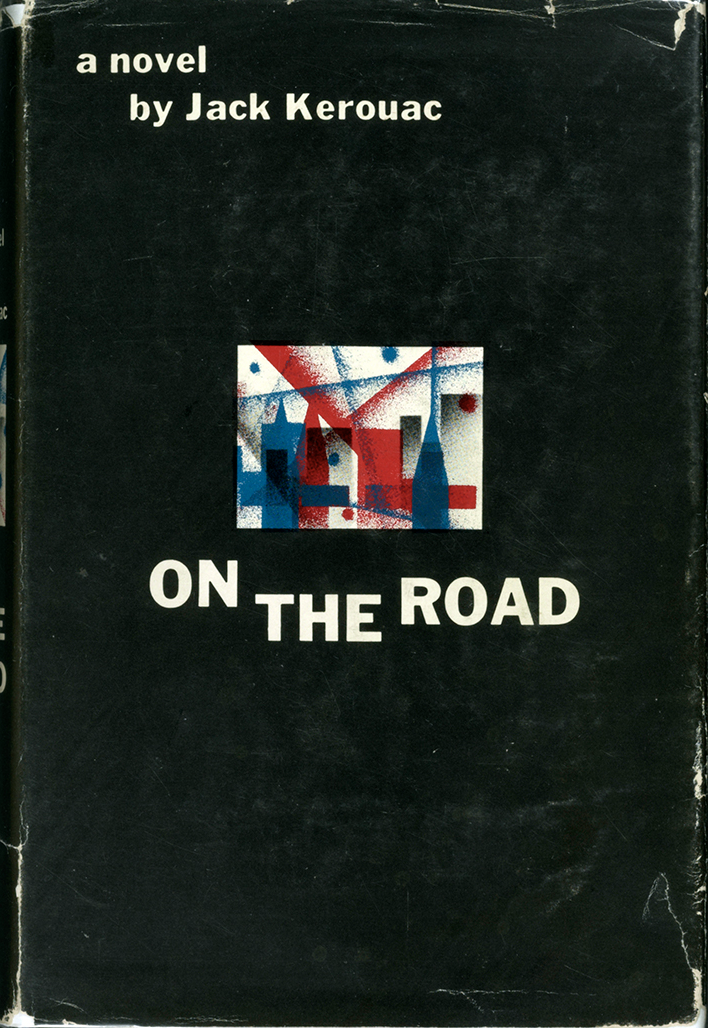
In reaction to an increasingly homogenous culture in 1950s America, the Beatnik movement—characterized by its nonconformity and anti-establishment values in art and poetry—established itself in San Francisco’s North Beach, serving to be the foundation of the city's notorious rejection of mainstream values.
THE BACKLASH TO BERKELEY
Reagan’s War on Counterculture & the University of California System
FOUNDATIONS OF BERKELEY ACTIVISM
Courtesy of Michael Ochs Archives, through SFGATE
Courtesy of the Library of Congress
Courtesy of the Haight-Ashbury Oral Project, SF Public Library
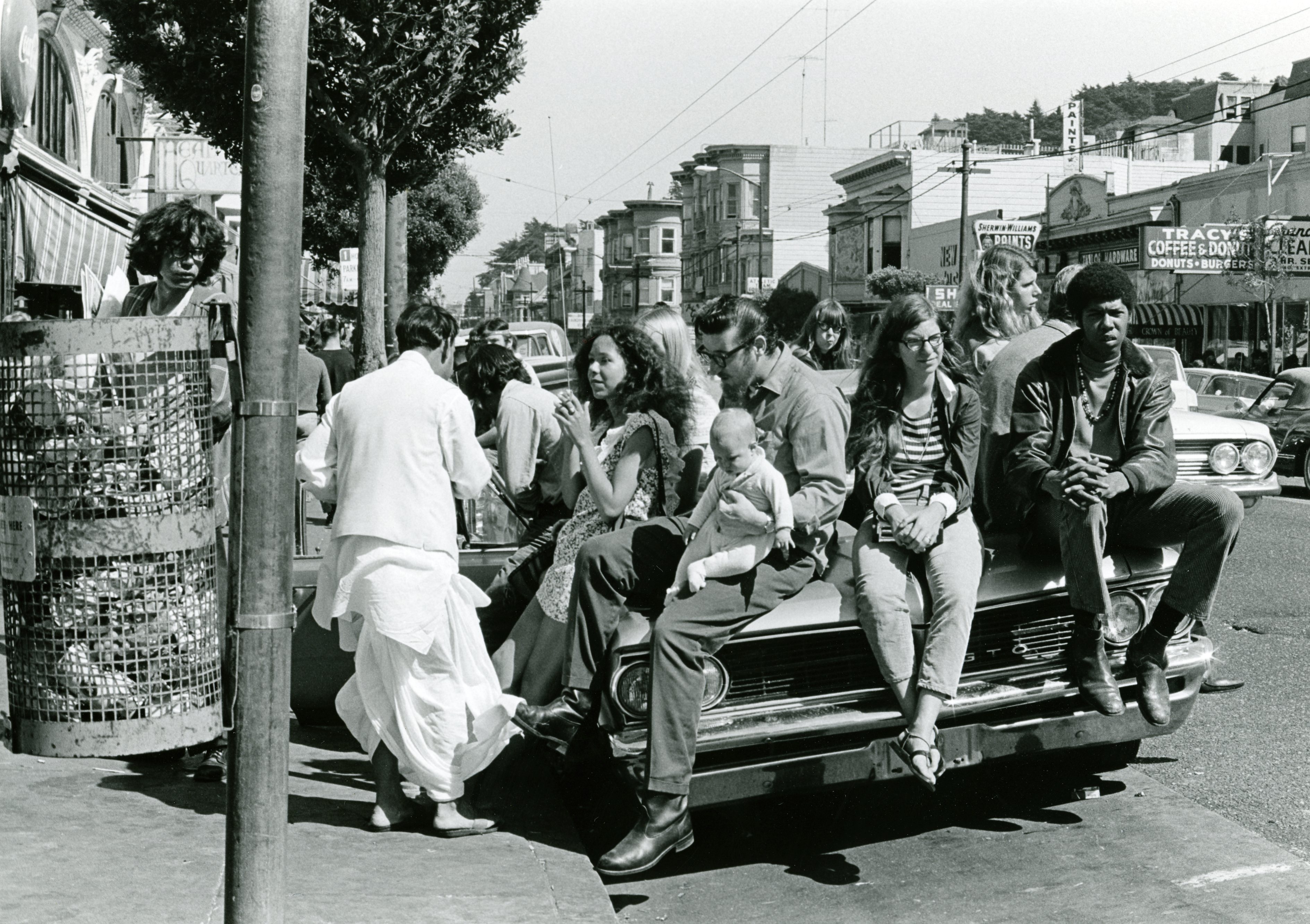
"The sex, drugs, and rock and roll are like the frosting," she said, "but the real meat and potatoes is the social, conscious revolution that happened here."
Sunshine Powers, who grew up in the Haight-Ashbury; through SFGATE
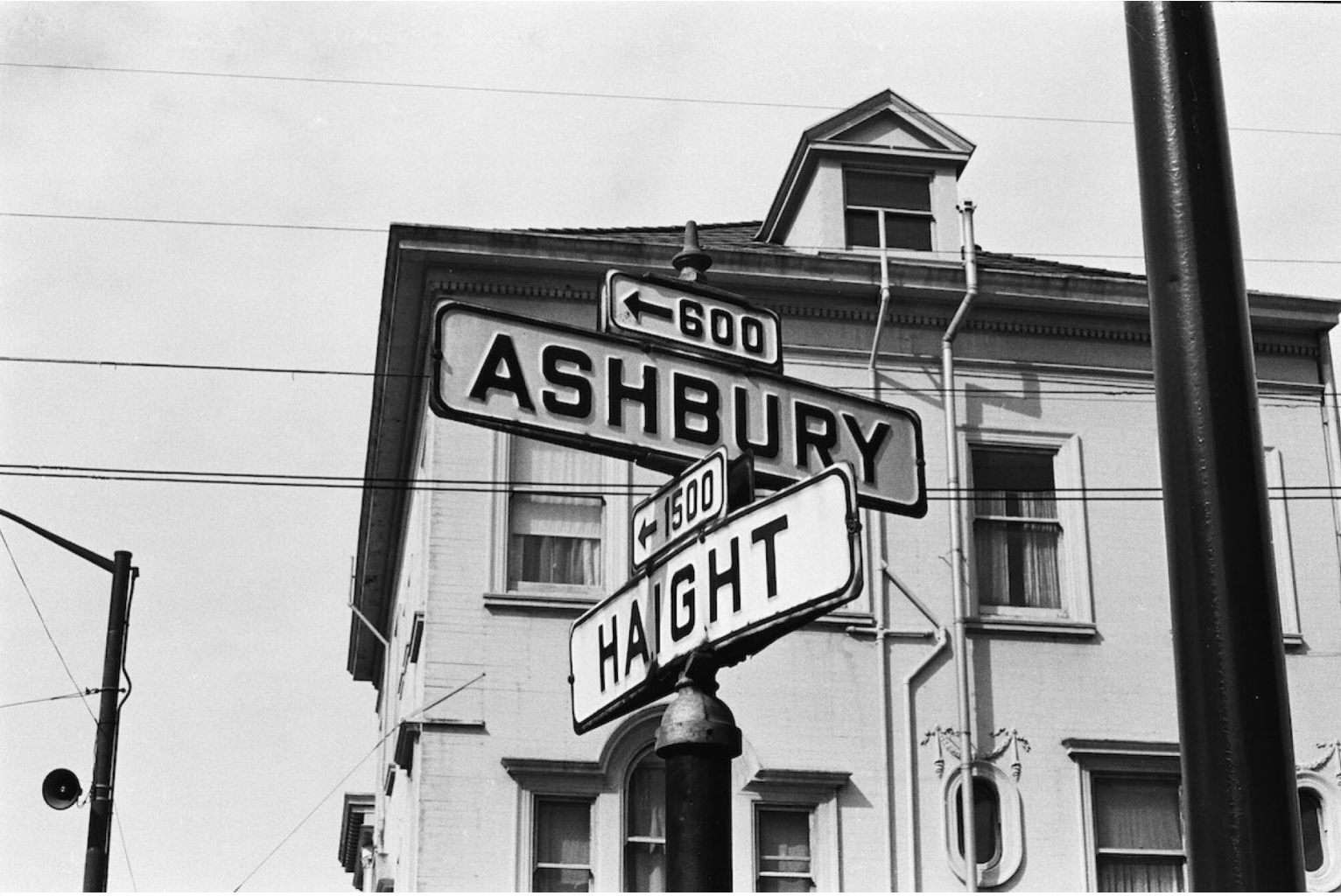
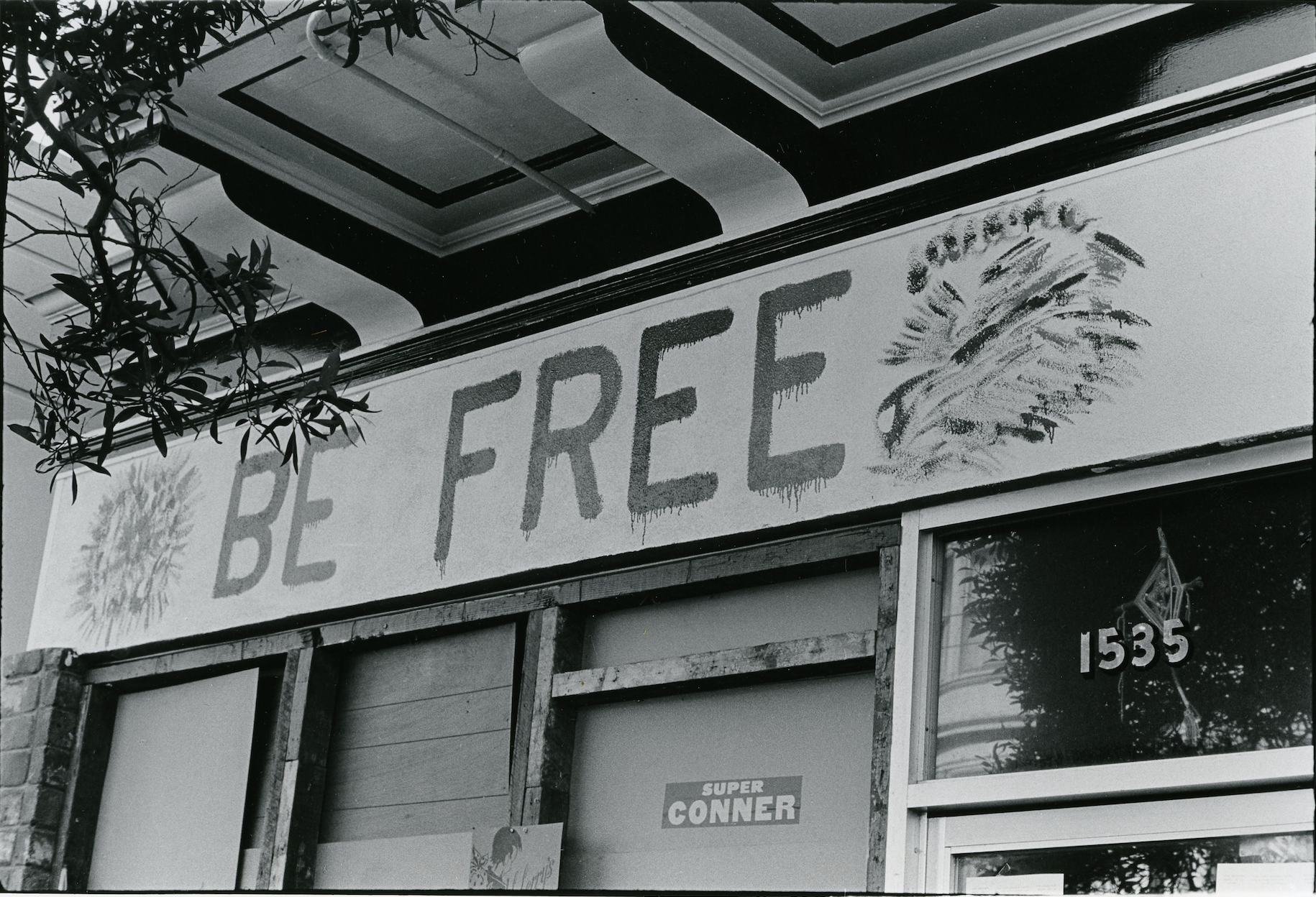
The Beatnik movement set up the eventual countercultural revolution of the 1960s, which was centered around the San Francisco neighborhood of Haight-Ashbury, effectively increasing the visibility of challenges to traditional social norms.
Courtesy of the UCSC Digital Exhibits
Courtesy of the UCSC Digital Exhibits
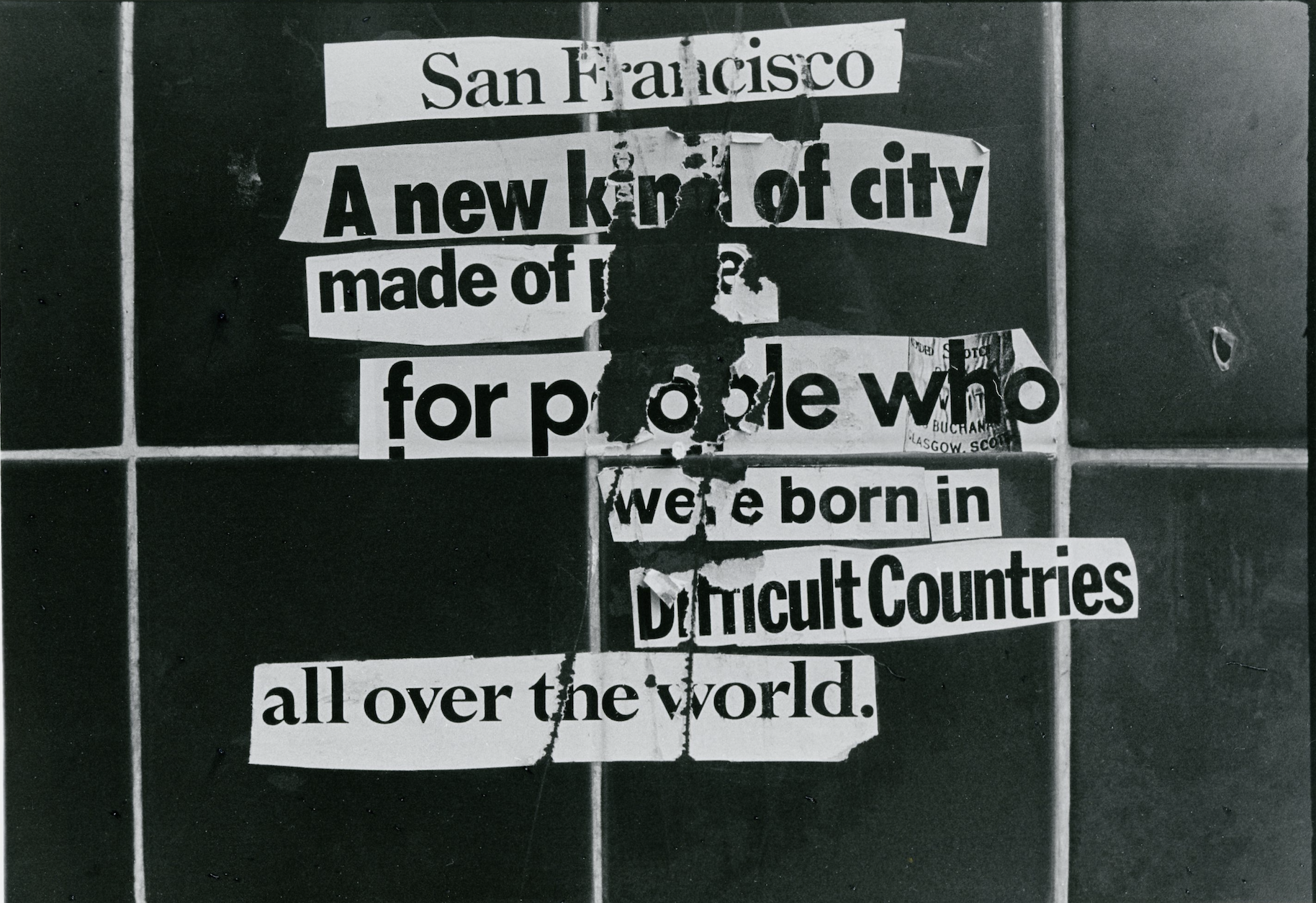
Courtesy of the UCSC Digital Exhibits
In 1962, the “new left” mobilized students by establishing Students for a Democratic Society (SDS), marking a shift in the counterculture revolution from a largely personal search for identity to a broad social movement aimed at transforming society.
"We would replace power rooted in possession, privilege, or circumstance by power and uniqueness rooted in love, reflectiveness, reason, and creativity."
Port Huron Statement, 1962; Students for a Democratic Society (SDS)
Around the same time, conservative students developed a unified ideology of a "morally-just" campus conservatism through Young Americans for Freedom (YAF) in reaction to the "immoral" liberal-dominated campuses and the fear of the spread of communism.
"“In this time of moral and political crises, it is the responsibility of the youth of America to affirm certain eternal truths.”"
Sharon Statement, 1960; Young Americans for Freedom (YAF)
The politicization of the youth counterculture revolution ultimately converged at the nearby UC Berkeley, where it served as a microcosm for the new wave of student-led activism: The Free Speech Movement. This polarization fueled Reagan's reactionary politics: creating an ideological divide in which he would later leverage.
Thesis
←1964: The Free Speech Movement
→