Italian colonial rule was heavily criticized and many believed that Eritrean people made Italy’s success possible, yet their sacrifices put to the side by imperial governments.
Eritrea's Fight for Independence
Revolution, Reactions, and Reforms
National History Day 2026
Background Information
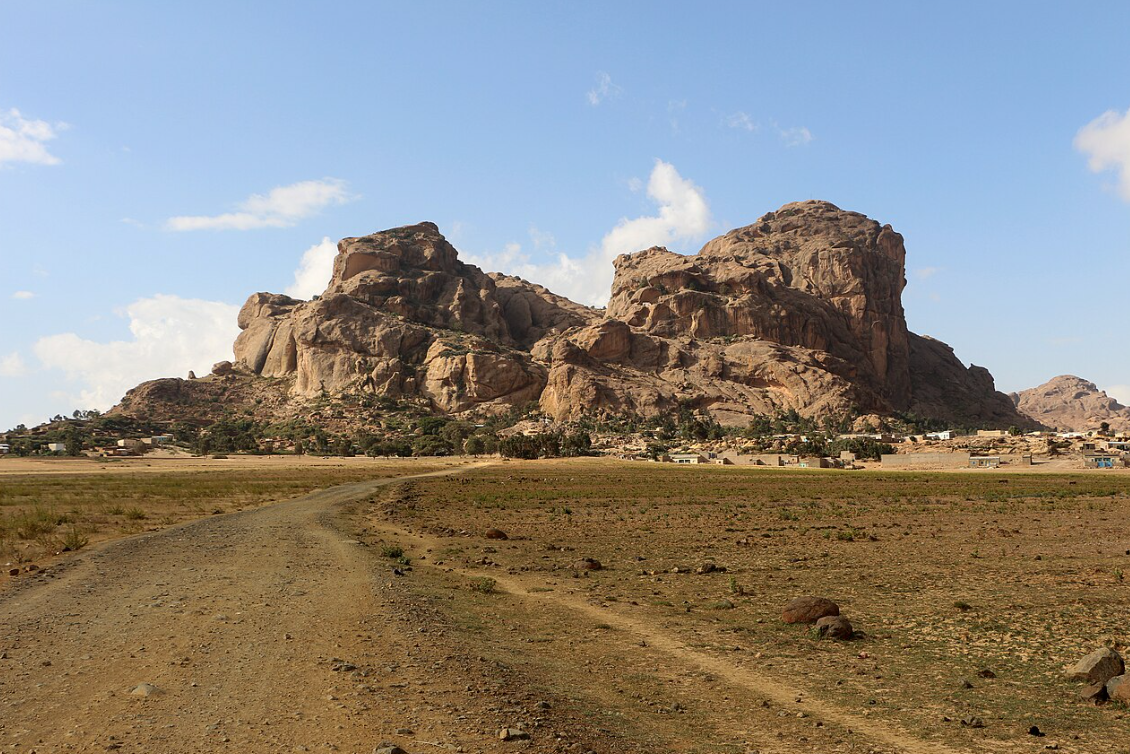
("Massicci Nei Dintorni Di Senafe, 15")
Eritrea’s strategic location along the Red Sea made it valuable to foreign powers seeking control of trade routes and military access. As a result, Eritrean political rights were repeatedly subordinated to international interests.
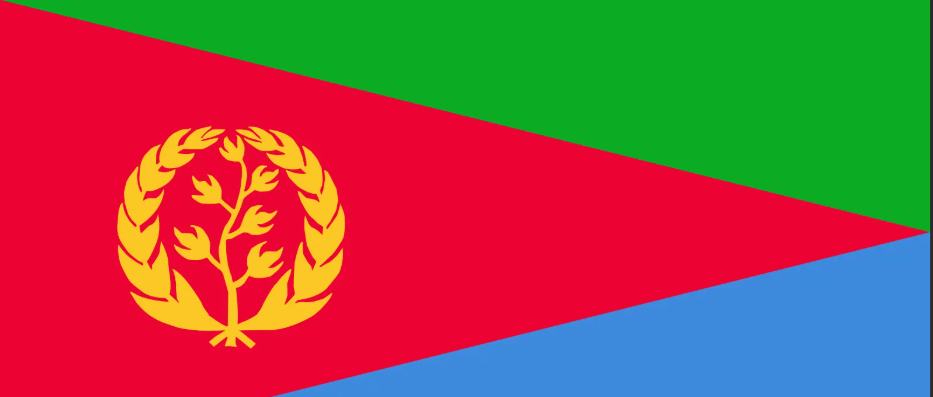
Flag of Eritrea, Courtesy of Britannica
“Combined with the appropriation of land for Italian use, population growth created a shortage of land for Eritrean farmers."
- Britannica, "History of Eritrea"
In 1890, Eritrea became an Italian colony as part of European imperial expansion in Africa. Italian rule modernized urban centers such as Asmara while concentrated political and economic power. Rural Eritreans experienced land shortages and exclusion from decision-making.
“Combined with the appropriation of land for Italian use, population growth created a shortage of land for Eritrean farmers.”
- Britannica, "History of Eritrea"

Italian Art Deco Influence on Eritrea, Courtesy of The Guardian
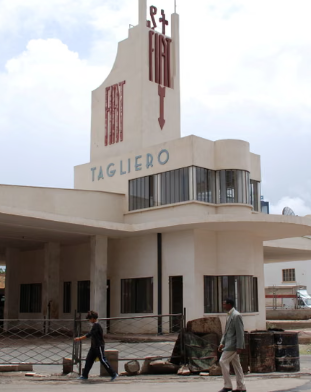
Shown above is Italian architecture in Eritrea, courtesy of The Guardian
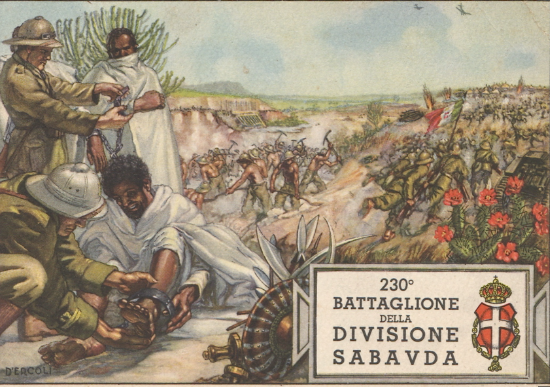
Shown is Italian propaganda in Eritrea, courtesy of Martin plaut
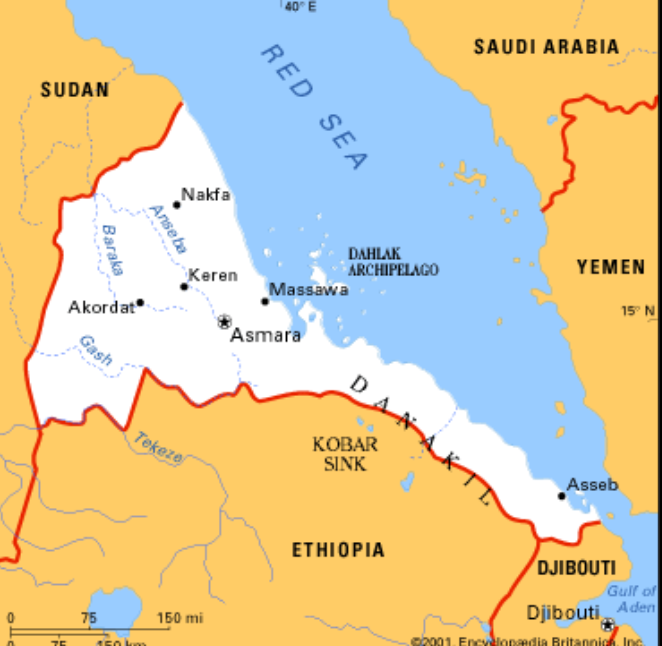
INTERACTIVE HISTORICAL MAP
Click a numbered marker on the map to learn why it mattered in Eritrea’s history.
Courtesy of Britannica, "History of Eritrea"
1. Asmara
Asmara became an important political and administrative center during both colonial rule and the independence struggle.
2. Massawa
Massawa was a strategically important Red Sea port and played a major role in trade, colonial interests, and military control.
3. Ethiopia
Ethiopia became central to Eritrea’s history after the UN decided to federate Eritrea with Ethiopia in 1952.
4. Red Sea
Eritrea’s Red Sea coastline gave the territory major strategic and economic importance.
Italian propaganda films show that colonial authorities depended on Eritrean soldiers to help with control while simultaneously portraying Eritrea as an extension of Italy. In one film, the land is described as the “green corner of our peninsula,” a phrase that shows Italy’s attempt to normalize their colonial rule (Archivio Luce).
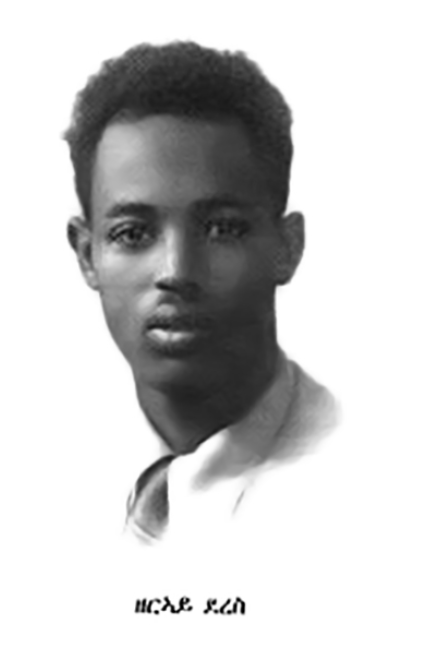
Image of Zerai Deres, Courtesy of Ethiopian Review
"I can assure you that it is no exaggeration to say that the natives provided you the means with which you could overcome. The misinterpretation of so many merits and acts of heroism carried out for Italy can only be indicative of an essentially alien and imperial government.”
- Zerai Deres, 1936
Italian colonial control ended during World War II, when British forces defeated Italy in East Africa. Beginning in 1941, Britain governed Eritrea under a military administration. Although political restrictions were loosened, Eritrea was not granted independence.
“During Italian and British rule, some local political control was permitted, political parties emerged.”
- “Eritrea Begins Its War for Independence”
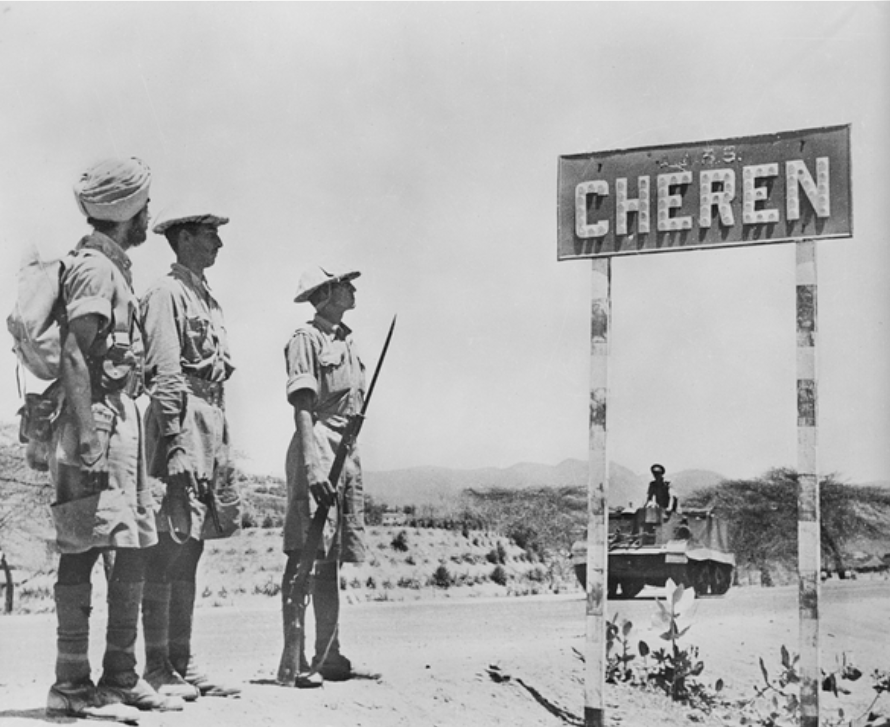
Shown are the British and Indian troops arriving at Keren, Courtesy of Australian War Memorial
At the Battle of Keren, British troops fought Italian colonizers to gain control of Eritrea. Keren was a crucial location because it controlled the mountain pass leading to Asmara and the port of Massawa, making it the key to controlling Eritrea. This battle directly led to the establishment of the British Military Administration (Triumph in the Mountains: The Battle of Keren).
After Italy was defeated in World War II in 1941, Eritrea was administered by the British. The United Nations then debated Eritrea’s future, eventually passing Resolution 390 in 1950, which federated Eritrea with Ethiopia in 1952.
Eritrea: Key Historical Timeline
1890 – Italian Colonization
Italy formally established Eritrea as a colony, beginning a new era of foreign rule.
1941 – British Administration
After Italy’s defeat in World War II, Eritrea came under British Military Administration.
1950 – UN Resolution 390
The United Nations debated Eritrea’s future deciding to federate Eritrea with Ethiopia.
1952 – Federation with Ethiopia
Eritrea officially entered federation with Ethiopia, increasing future political tensions.
1993 – Independence
After a thirty-year struggle, Eritrea officially became an independent nation.