The Convention

The Convention 

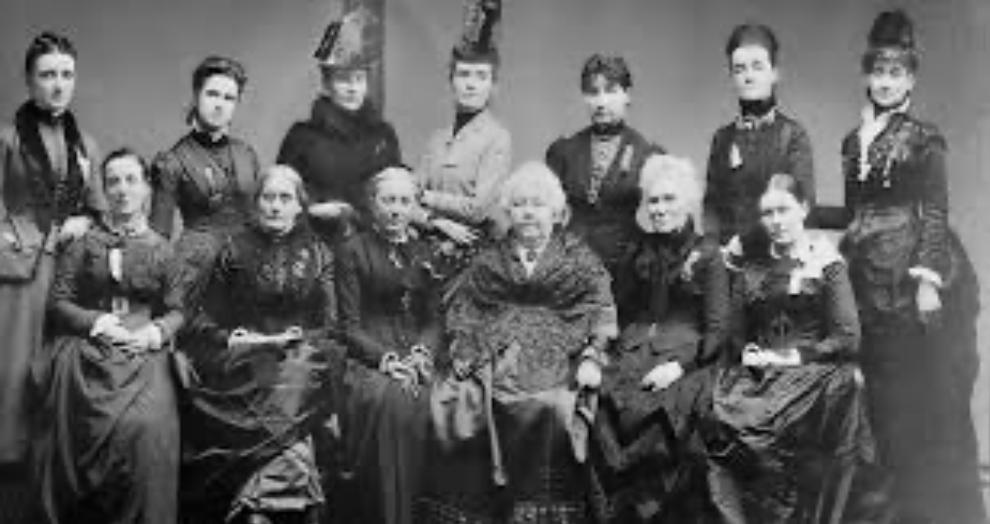
Organizers and leaders of the Seneca Falls Convention 

The Seneca Falls Convention in July 1848 was carefully planned by experienced reformers, showing it was an organized effort. It was led by Elizabeth Cady Stanton, Lucretia Mott, Martha Wright, Mary Ann M’Clintock, and Jane Hunt, which shows it was a group effort rather than a spontaneous meeting. Planning took place at Jane Hunt’s home in Waterloo, New York. Stanton and Mott’s exclusion from the 1840 World Anti-Slavery Convention motivated them to organize the event, giving it a clear purpose.

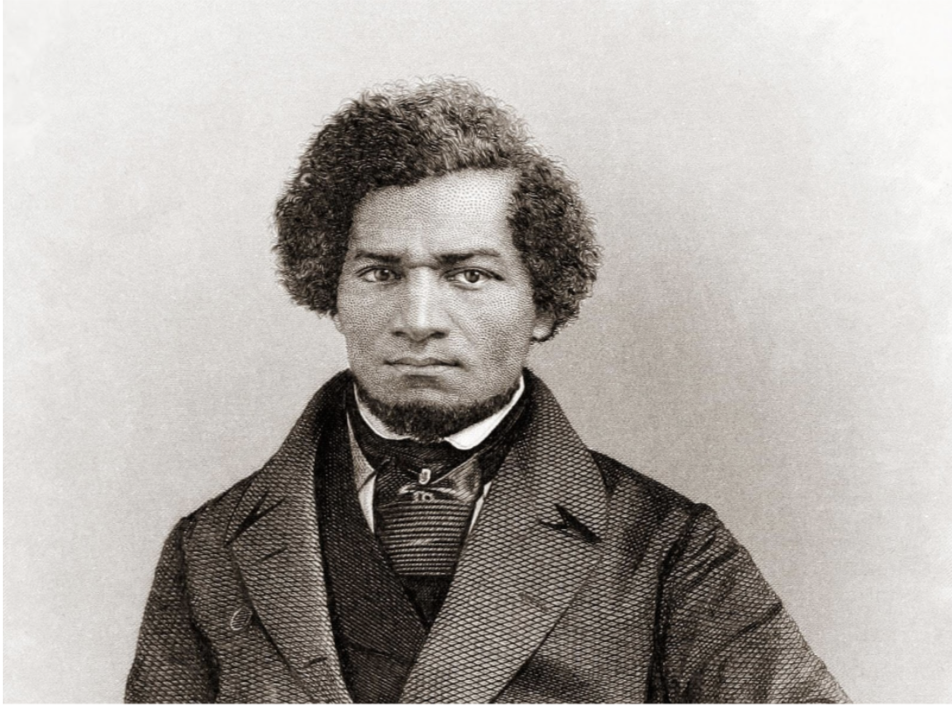
Frederick Douglass

"Right is of no sex" -Frederick Douglass

Click here to listen to Frederick Douglass' speech

The convention lasted two days, July 19-20, 1848. It was held at the Wesleyan Chapel in Seneca Falls, New York. On the first day, only women attended to discuss issues like social and legal inequalities and the need for change. On the second day, men joined, including Frederick Douglass, who gave a speech supporting women’s suffrage. This day also featured the reading and discussion of the Declaration of Sentiments, which laid out the convention’s main goals. About 300 people attended, showing the growing interest in women’s rights.
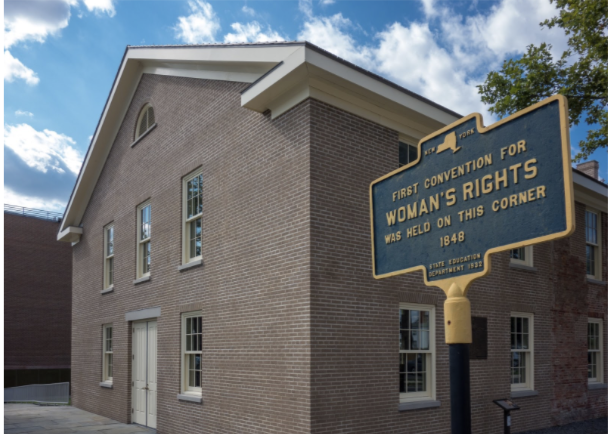
Wesleyan Chapel in Seneca Falls, New York, site of the first women’s rights convention 
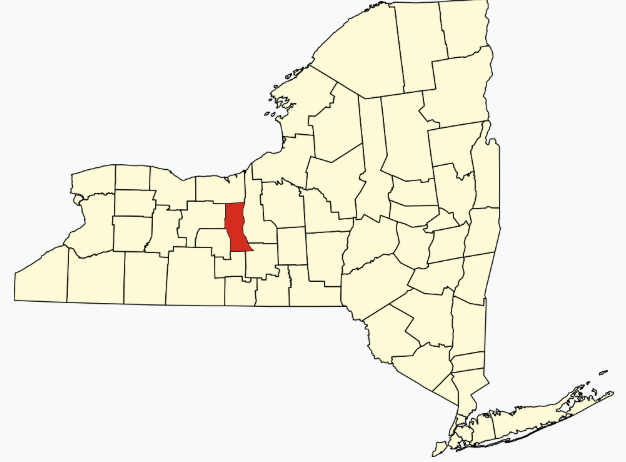
Seneca Falls marked on a map 

The convention quickly gained attention nationwide. Newspapers reported on it, sometimes mocking participants but also offering support. Horace Greeley of the New York Tribune said there was no reason to deny women equal political rights. Stanton later called it “the greatest rebellion in history.” Historian Ellen DuBois argues that women’s rights is one of the three largest human rights movements in U.S. history. The convention’s ideas spread across the country and worldwide, giving it lasting importance.

“The speedy success of our cause depends upon the zealous and untiring efforts of both men and women." -Lucretia Mott

“Now, if you will insist on absolute equality, let it be in government as well as in education.” -Elizabeth Cady Stanton