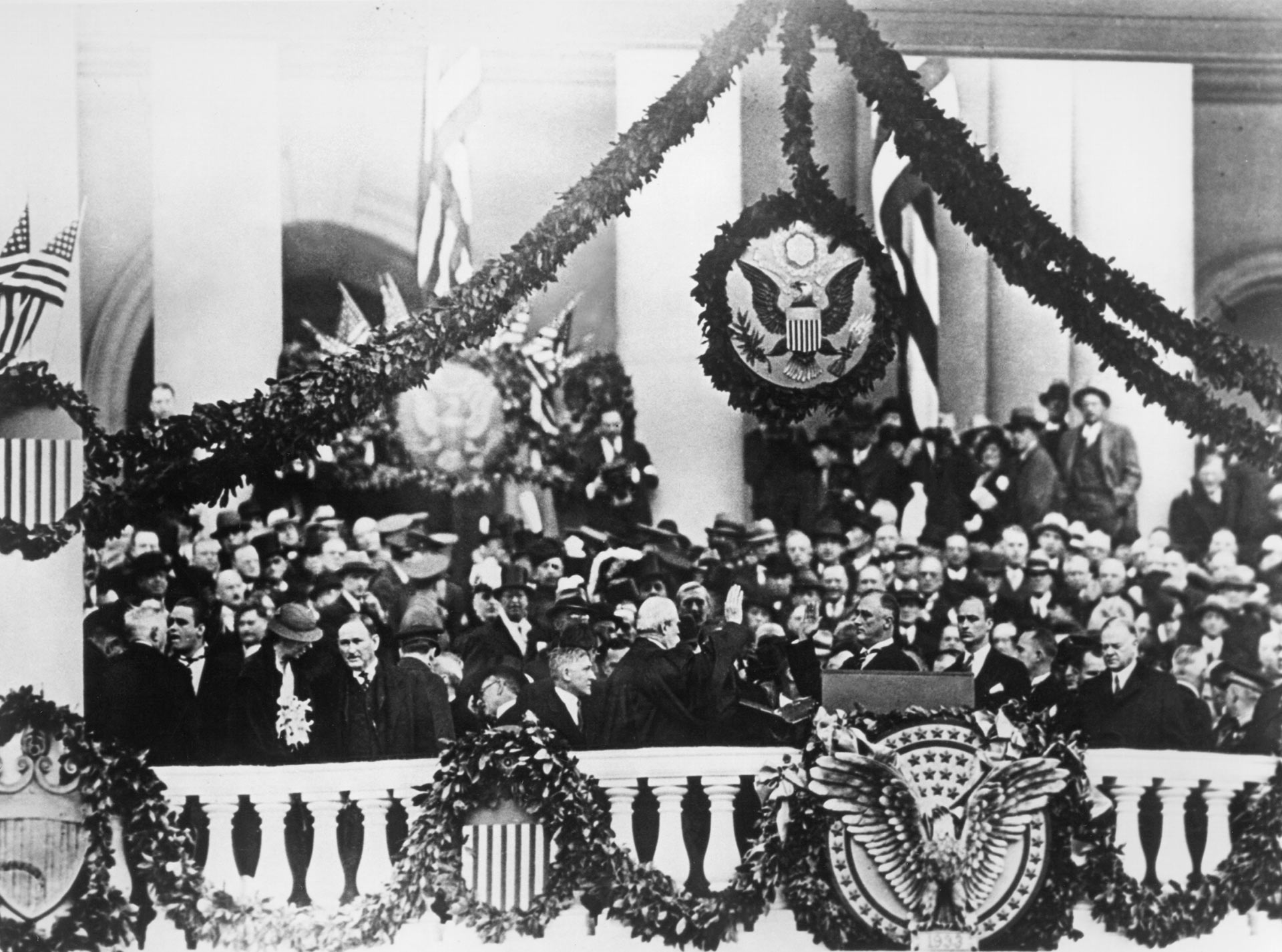
Courtesy of Franklin D. Roosevelt Library
A New Deal for America: How Social Security Redefined Government's Role
FDR & The New Deal Vision
Courtesy of Franklin D. Roosevelt Library
As part of the introduction to his presidency, Roosevelt introduced the New Deal programs to combat the Great Depression. He promised the American people that he would lead the nation out of its vulnerable condition and argued for greater federal aid for the poor and unemployed. Roosevelt believed the government had a responsibility to ensure the welfare of its citizens.
"First obligation of the government is the protection of the welfare and well-being, indeed the very existence, of its citizens."
Franklin D. Roosevelt(1932)
President Franklin D. Roosevelt speaks at the signing of the Social Security Act, August 14, 1935 - Courtesy of Internet Archives
Roosevelt also criticized the Republican administration for taking nearly three years to acknowledge the severity of unemployment after initially denying the extent of the crisis. Eventually, under pressure from Congress, federal aid programs were approved. Roosevelt emphasized the relationship between economic stability and democracy, arguing that prolonged unemployment weakened public trust in the government, while decisive federal action demonstrated that democracy could protect citizens during times of crisis.
"In the words our Democratic national platform, the federal government has a continuous responsibility for human welfare, especially for the protection of children. That duty and responsibility the federal government should carry out promptly, fearlessly, and generously.”
Franklin D. Roosevelt - Speech Before Democratic National Convention(1932)
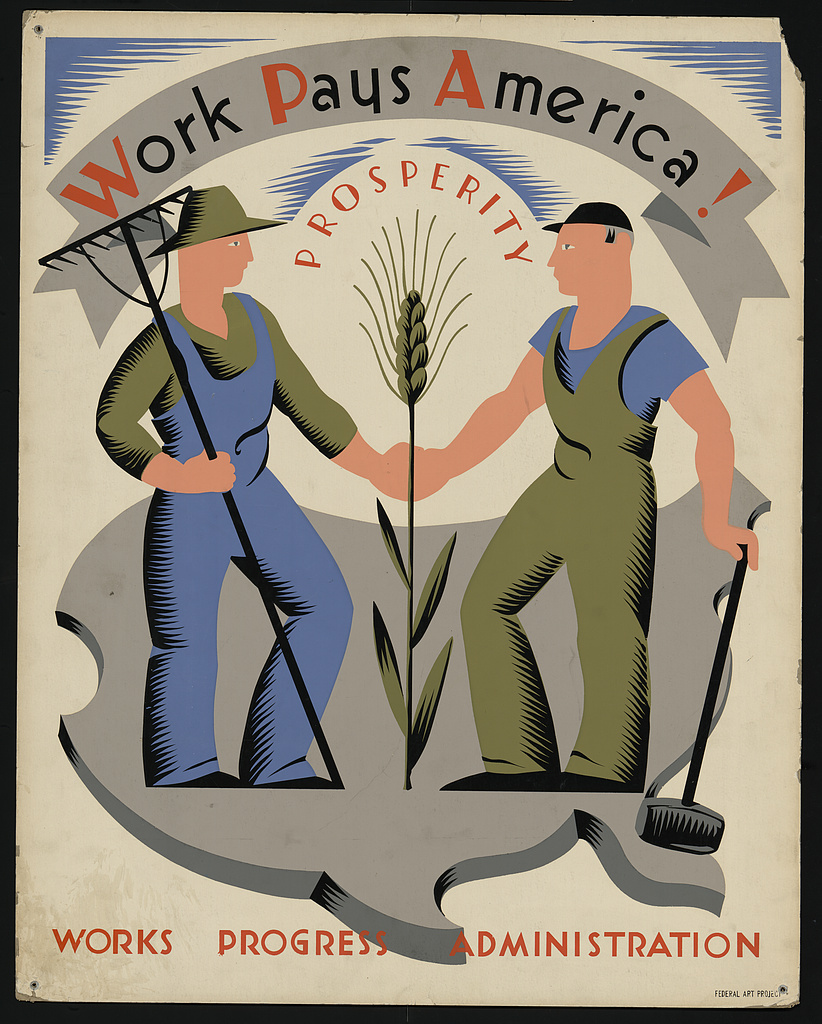
Courtesy of Library of Congress
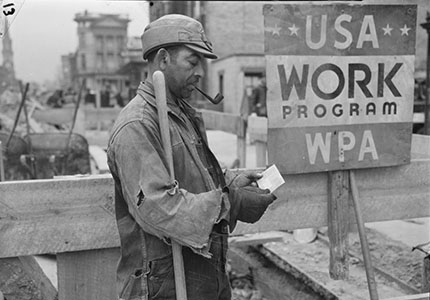
Works Progress Administration Worker Receiving Paycheck - National Archives
Insert your text here
"I am utterly unwilling that the economy should be practised at the expense of starving people."
Franklin D. Roosevelt's radio address on unemployment and social welfare (1932)
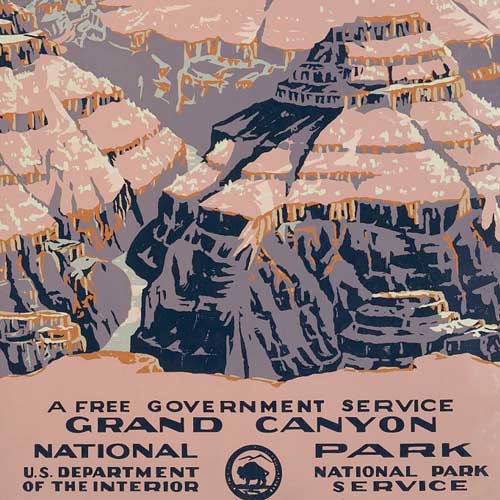
Courtesy of Library of Congress
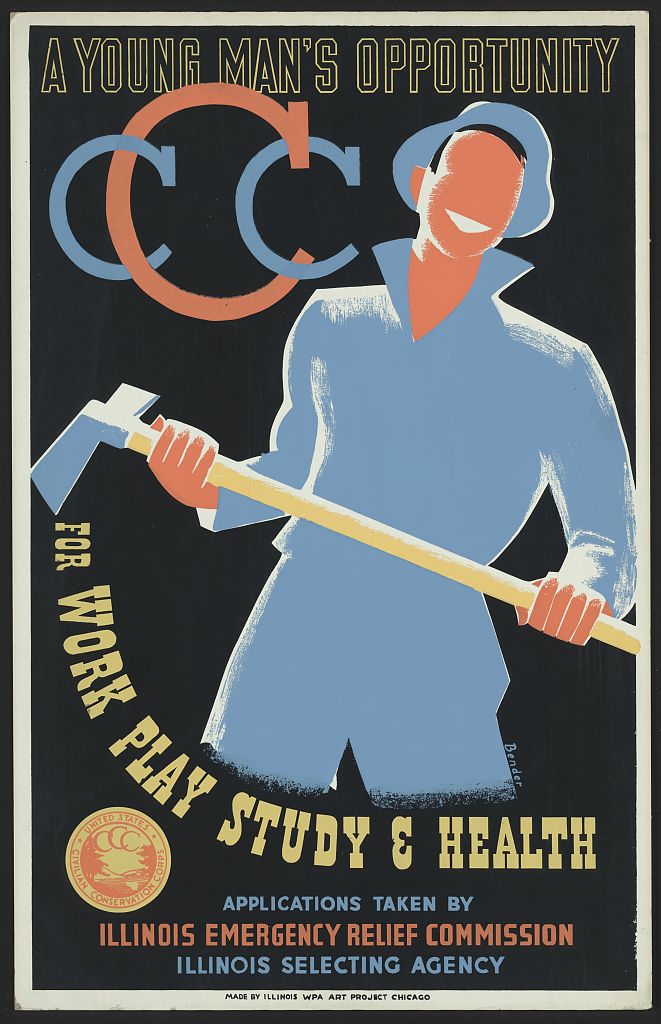
Courtesy of Library of Congress
"Where the State itself is unable successfully to fulfill this obligation which lies upon it, it then becomes the positive duty of the federal government to step in to help."
Franklin D. Roosevelt-Speech Before Democratic National Convention(1932)