Many of the Decembrists involved in the revolt and the leaders of the secret societies gave their lives for the future of Russia. Although the revolt was not able to accomplish its goals and instead backfired, it gave the Russian people hope in the future that someday they might be able to break free from the censorship and rigid authoritarianism of the tsar.
Thoughts of Decembrists After the Revolt
The book The First Russian Revolution (1825) by Anatoule G. Mazour published in 1937 contains many of the letters written by the Decembrists in exile and expresses the failure of the Revolt to satisfy its goals.
Notes written by Gorbachevsky, a Decembrist, who, after the revolt, spent his entire life in exile:
"Neither a woman nor a family could ever compel me to abandon my ideal, which I had hoped to achieve and for which I sacrificed myself Indeed, now I see myself that the life of an old bachelor is terrible, lonely, sad and without a future But one thing still supports me — that is faith in some better future" (G. Mazour)
"I still stand firmly, hope for something, still love people, share with them the last I have, wish them good and all kindness And all that derives fiom the ideal -which you well know I live by, and which thus far has not permitted me to reach the state of despair." (G. Mazour)
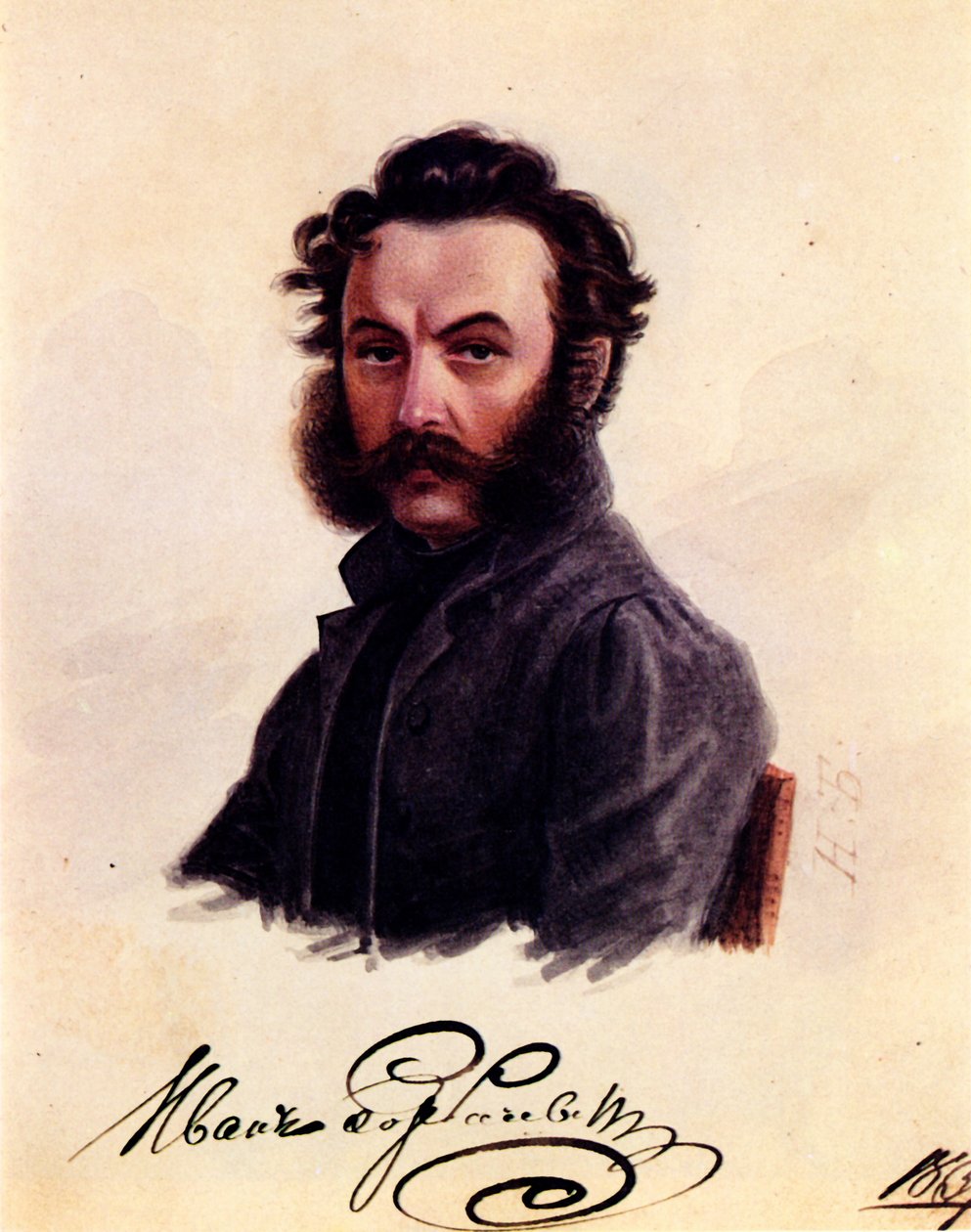
Portrait of Decembrist Ivan Gorbachevsky
(Meisterdrucke)
Despite spending decades in exile, Gorbachevsky stuck strongly by his beliefs that there was still a future for Russia that gave the people freedom. He acknowledges that his sacrifices did very little, but he knows they gave hope.
"Though defeated, the Decembrists did effect some change on the regime. Their dissatisfaction forced Nicholas to turn his attention inward to address the issues of the empire. To some extent, the Decembrists were in the tradition of a long line of palace revolutionaries who wanted to place their candidate on the throne" (Lumen Learning)
The Reforms Made by the Russian Autocracy
Tsar Nicolas did recognize the problems in Russia, serfdom and corruption, but focused more on tightening his grip on power rather than transforming Russia to solve these problems.
“the serfdom we have is a palpable and obvious evil for all.” (Tsar Nicolas I)
"... The heart of Russia was and will be impervious to it. ... In a state where love for monarchs and devotion to the throne are based on the native characteristics of the people, where there are laws of the fatherland and firmness in administration, all efforts of the evil-intentioned will be in vain and insane." (Richard Wortman's Russian Monarchy Representation and Rule, said by Tsar Nicolas I)
“Nicholas was shocked by the rebellion, which had sprung from the heart of the elite young nobility the guards regiments. He emerged from the experience with a renewed determination to fight the hydra of revolution wherever it emerged.”
(Kagan)
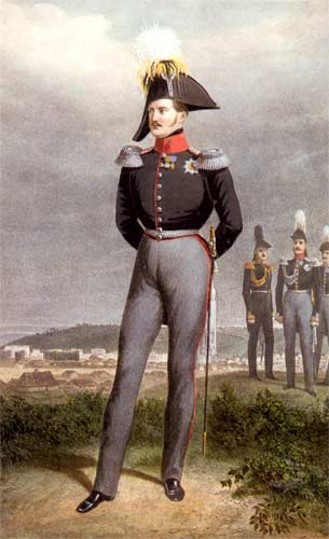
Tsar Nicholas I
(Kruger)
Long Term Effects of the Decembrist Revolt
The revolt was less a catalyst for liberal reform and more a warning that told Nicolas he needed to increase repression, delaying meaningful reform until the 1900s.
The Bolshevik Revolution
Despite the Decembrist Revolt's immediate failure, it was a breakthrough moment that showed Russians that resistance to autocracy is possible. The most influential revolution that followed the Decembrist revolt is undoubtedly the Bolshevik Revolution.
Vladimir Lenin was one of Russia's most radical thinkers of the 1900s. He promoted communism and the destruction of the monarchy. He often looked at the Decembrists as inspirational figures and praised them highly for their attempt at overthrowing the monarchy.
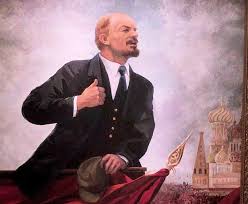
Vladimir Lenin
(The Americans Wiki)
"The most outstanding figures of the nobility period were the Decembrists" (Vladimir Lenin's Rabochy No. 1, Marxists Internet Archive)
"Lenin later referred to the Decembrists as precursors of the revolutionary movement of the succeeding century and took the slogan of an exiled Decembrist, ‘from the spark the flame will strike.’" (Marcel Rajecky)
"The circle of these revolutionaries is narrow," (Persecutors of Zemstvo and Annibals of Liberalism by Vladimir Lenin)
Lenin's ideas from the early 1900s were directly connected to the original Decembrist ideas and related to the goals that the revolt set out to accomplish.